berry in zone 3b
Growing black currant in zone 3b
Ribes nigrum
- Zone
- 3b -35°F to -30°F
- Growing season
- 100 days
- Chill needed
- 800 to 1500 below 45°F
- Suitable varieties
- 4
- Days to harvest
- 80 to 100
The verdict
Black currant is a strong fit for zone 3b, not a marginal one. The crop's chill-hour requirement of 800 to 1,500 hours is comfortably exceeded in winters where temperatures routinely reach -35°F; zone 3b accumulates well over 1,500 chill hours in most years. Black currant shrubs are native to cold-temperate and boreal regions and handle dormant-season temperatures in this range without meaningful cane or root damage. Cold hardiness is not the limiting factor here.
The real constraint is season length. At roughly 100 growing days, zone 3b leaves little margin for slow varieties. Early-ripening selections matter: Consort, Ben Sarek, and Titania are documented performers in short-season climates. Crandall, a native North American selection, also handles zone 3b conditions reliably.
One regulatory note worth checking before planting: black currant is an alternate host for white pine blister rust (Cronartium ribicola). Some counties and states within the zone 3b range restrict planting or require rust-resistant varieties. Local extension offices can confirm current rules for a specific location.
Recommended varieties for zone 3b
4 cultivars suited to this zone, with disease-resistance and zone-fit annotations.
| Variety | Notes | Zone fit | Disease resistance |
|---|---|---|---|
| Consort fits zone 3b | Intensely musky, complex, tart; juice, jam, cordial, syrup. The defining black-currant flavor for British and Northern European traditions. Resistant to white pine blister rust (legal in restricted states). | |
|
| Crandall fits zone 3b | Sweet, mild, less musky than European blacks; fresh, jam, juice. American native species (Ribes odoratum), fragrant yellow flowers, more approachable flavor for newcomers. | |
|
| Ben Sarek fits zone 3b | Tart, intensely flavored, large berries; the classic European black-currant cordial flavor. Compact bush (3-4 ft), high yields, frost-resistant flowers. | | none noted |
| Titania fits zone 3b | Tart, complex, large firm berries; juice, jam, syrup. Productive Swedish variety, blister-rust resistant, vigorous and adaptable. | |
|
Critical timing for zone 3b
Black currant breaks dormancy in late April to early May in zone 3b, with bloom typically occurring through May. Last frost dates in this zone commonly fall between late May and early June, so open bloom can coincide with frost risk. Black currant flowers tolerate light frost better than many fruit crops, but a hard freeze during peak bloom will reduce fruit set.
Fruit ripens approximately 60 to 70 days after bloom, placing harvest in late July through mid-August under typical conditions. The 100-day growing season is sufficient to complete this cycle, but the buffer is narrow. A delayed spring or a cool summer can push harvest toward first fall frost, which arrives in late August to early September across much of zone 3b. Selecting early-ripening varieties tightens that margin in the grower's favor.
Common challenges in zone 3b
- ▸ Short season
- ▸ Winter desiccation
- ▸ Site selection critical for fruit trees
Disease pressure to watch for
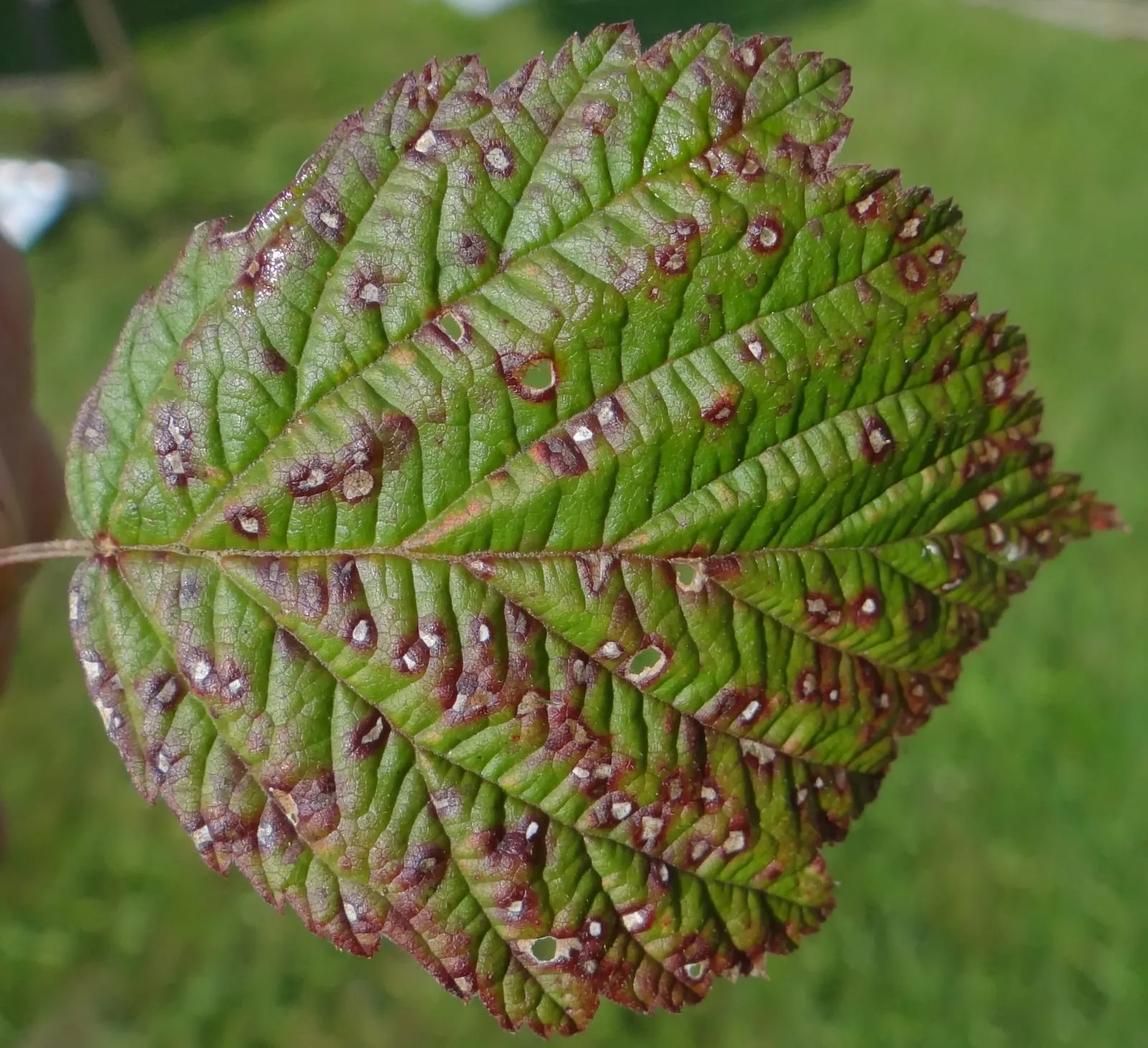
Elsinoe veneta
Fungal cane disease causing purple-bordered lesions that girdle and weaken bramble and Ribes canes, reducing yield over consecutive seasons.
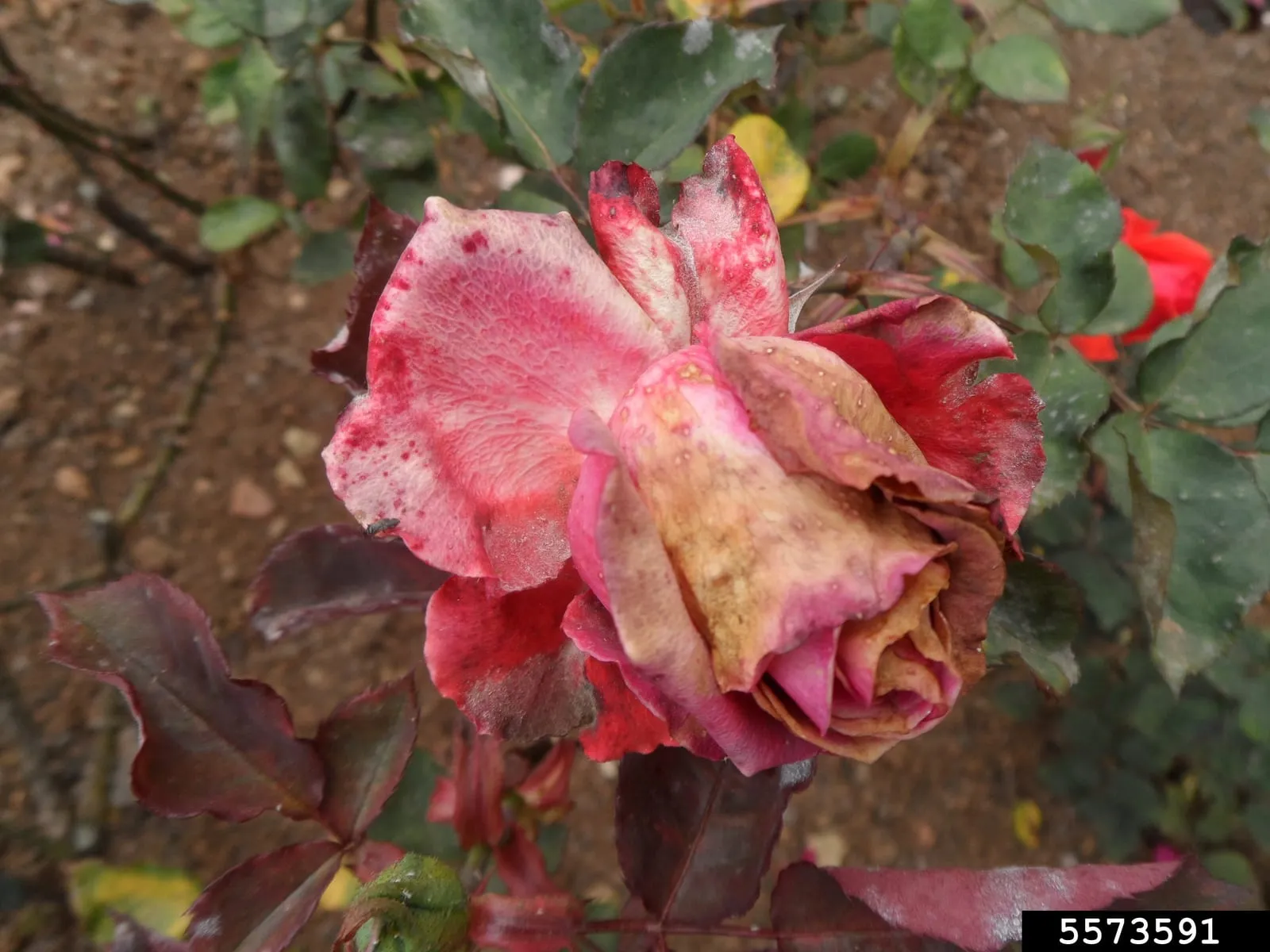
Botrytis cinerea
Ubiquitous fungal disease that causes fruit rot during cool wet weather, often the dominant berry disease in humid regions.
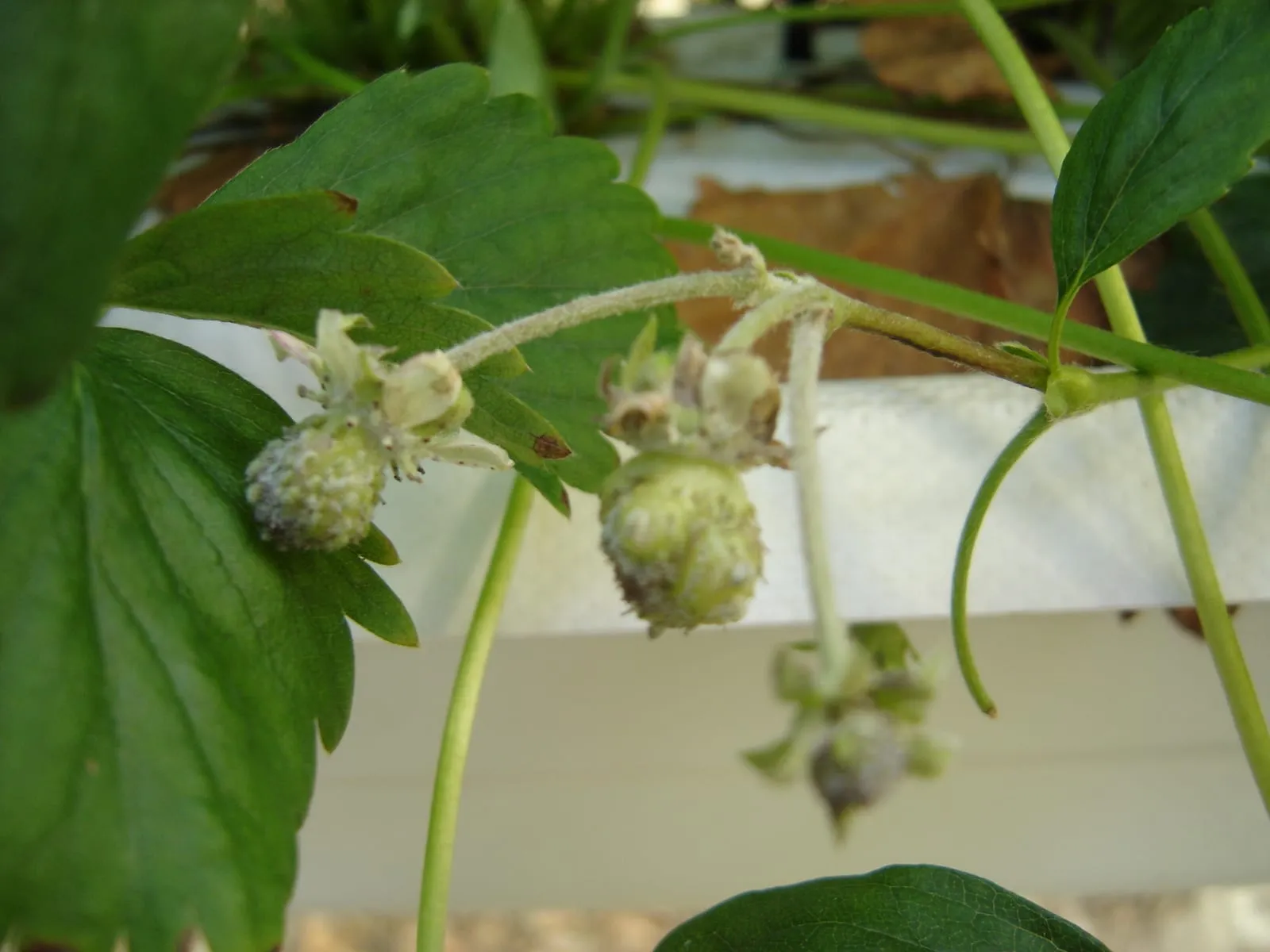
Podosphaera and Sphaerotheca species
Surface-feeding fungal disease producing white powdery growth on leaves and fruit, particularly damaging on gooseberries.
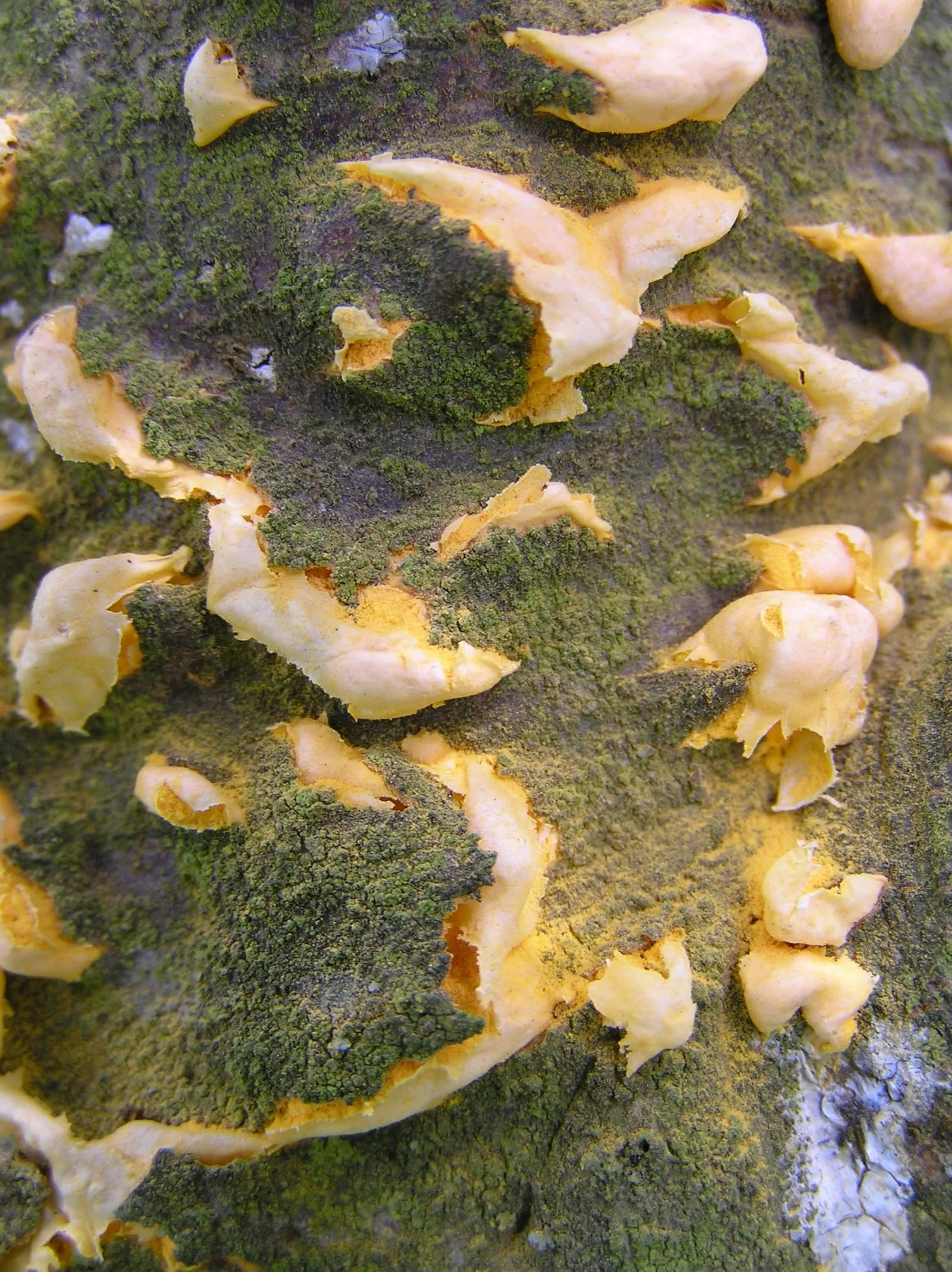
Cronartium ribicola
Two-host rust requiring both Ribes (currants and gooseberries) and white pines. Historically led to Ribes-planting bans in much of the US; some states still restrict black currant cultivation.
Modified care for zone 3b
Winter desiccation is a zone 3b concern that rarely applies at the same intensity in milder parts of the crop's range. Dry, windy winters pull moisture from exposed canes even when air temperatures are survivable. Siting plants on the north or east side of a windbreak, or in a location with natural wind protection, reduces this risk. Avoid low-lying frost pockets where late-spring cold concentrates.
Where white pine blister rust is present or regulated, Consort is the practical first choice; it carries documented genetic resistance. Gray mold (Botrytis) can be a problem in cool, wet summers, which are common in zone 3b. Spacing plants at least 5 feet apart and removing deadwood before bud break in late dormancy reduces inoculum load. Cane anthracnose responds to the same approach: prune out infected wood when cankers are visible during late-dormancy pruning, before new growth begins.
Frequently asked questions
- Is zone 3b too cold for black currant?
No. Black currant is one of the more cold-hardy small fruits in cultivation and is native to climates similar to zone 3b. The crop's chill-hour requirement is easily met, and established shrubs tolerate the zone's minimum temperatures of -35 to -30°F without significant damage. Season length is a greater concern than cold hardiness.
- Are there restrictions on planting black currant in zone 3b states?
Possibly. Black currant is an alternate host for white pine blister rust, and some states and counties in the northern US restrict planting or require rust-resistant varieties such as Consort. Regulations vary by location and have changed over time, so check with your local cooperative extension office before purchasing plants.
- Which black currant variety is best for a short 100-day growing season?
Ben Sarek and Consort are both early-ripening varieties suited to short-season climates. Consort has the added advantage of blister rust resistance. Crandall, a native North American selection, is also a reliable choice where disease pressure from rust is low.
+−
+−
+−
Black Currant in adjacent zones
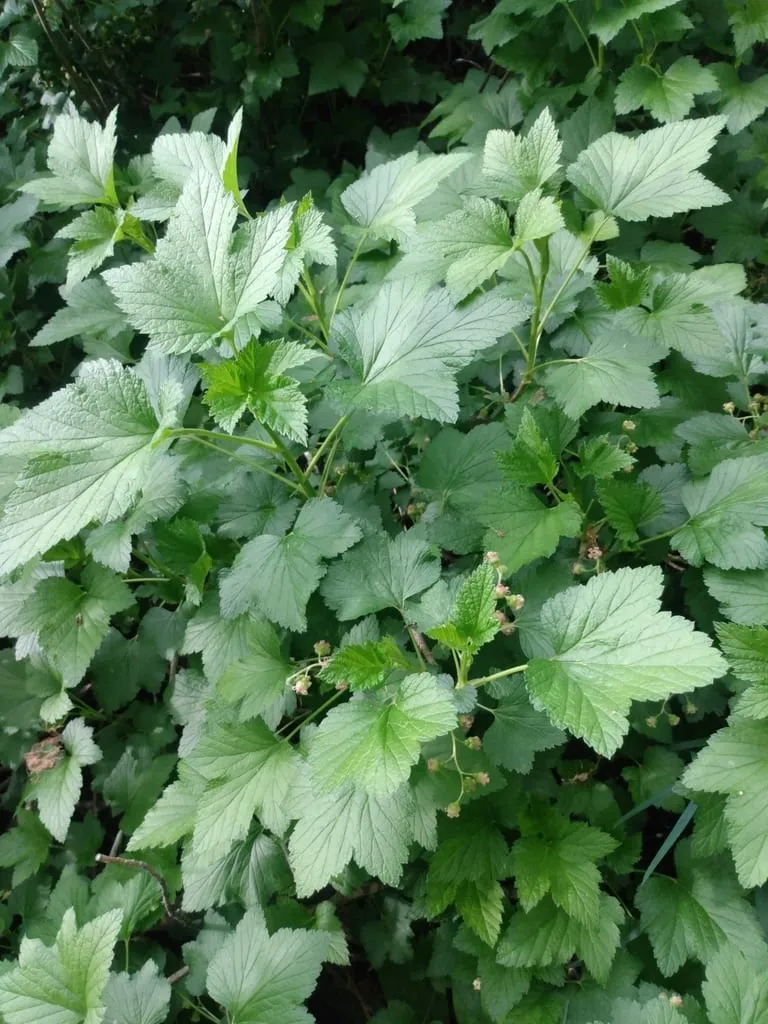
Image: "Blackcurrant", by Tyler Hacking, via iNaturalist, licensed under CC-BY Source.
Related