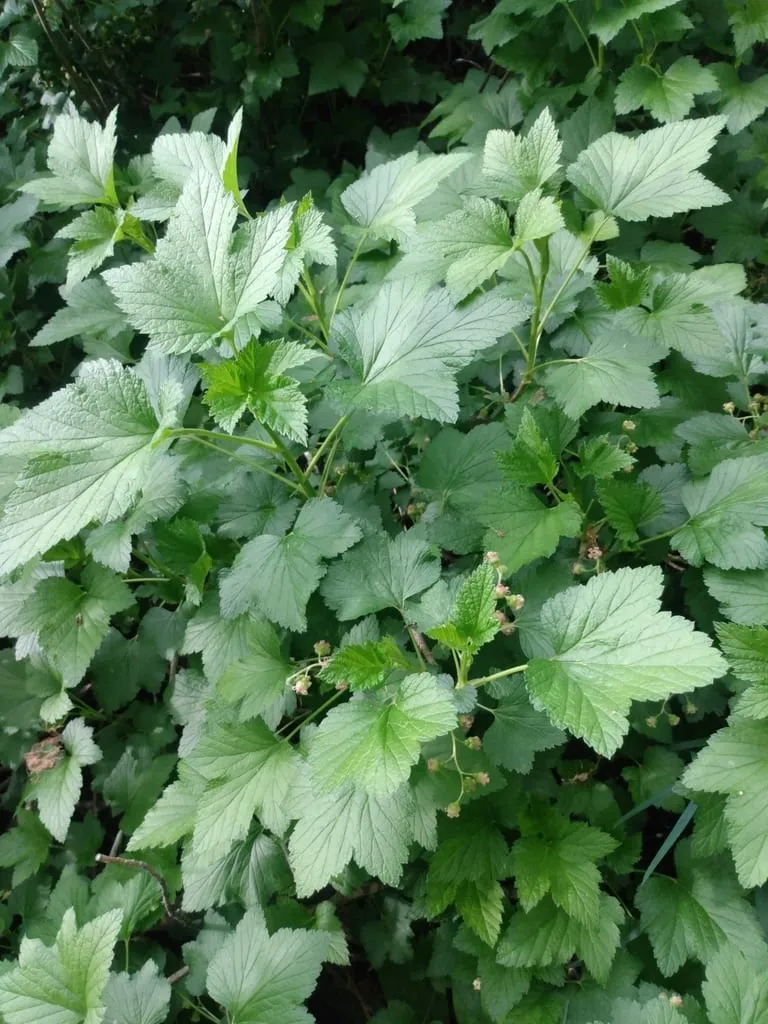
berry in zone 3a
Growing black currant in zone 3a
Ribes nigrum
- Zone
- 3a -40°F to -35°F
- Growing season
- 90 days
- Chill needed
- 800 to 1500 below 45°F
- Suitable varieties
- 2
- Days to harvest
- 80 to 100
The verdict
Zone 3a is not a marginal zone for black currant; it is one of the better fits in North America. Black currant is among the most cold-tolerant small fruits grown commercially, handling winter lows to -40°F with minimal cane dieback when properly sited. The chill-hour requirement of 800 to 1,500 hours is easily exceeded in zone 3a, where most winters deliver well over 2,000 hours below 45°F. That surplus presents no practical problem for the crop.
The binding constraint in zone 3a is not cold tolerance but calendar length. At 90 days, the frost-free window is tight enough that late-ripening selections struggle to mature fruit before the first fall frost. Consort and Titania are both rated for zone 3 and ripen early enough to work within this compressed season. Growers attempting less cold-adapted varieties without documented zone 3 performance are taking a meaningful risk on both winter survival and fruit maturity.
Recommended varieties for zone 3a
2 cultivars suited to this zone, with disease-resistance and zone-fit annotations.
| Variety | Notes | Zone fit | Disease resistance |
|---|---|---|---|
| Consort fits zone 3a | Intensely musky, complex, tart; juice, jam, cordial, syrup. The defining black-currant flavor for British and Northern European traditions. Resistant to white pine blister rust (legal in restricted states). | |
|
| Titania fits zone 3a | Tart, complex, large firm berries; juice, jam, syrup. Productive Swedish variety, blister-rust resistant, vigorous and adaptable. | |
|
Critical timing for zone 3a
Bud break in zone 3a typically occurs in late May, with bloom following shortly after, often in early to mid-June. Because late-spring frosts in zone 3a can extend into the first week of June in colder pockets, open blossoms are periodically exposed to freezing temperatures. A single hard frost during peak bloom can substantially reduce fruit set for that season. Rowcover on a portable frame is one practical option when frost is forecast at bloom time.
Fruit ripens approximately 60 to 70 days after bloom, placing the harvest window in late July through mid-August depending on the season and site. Growers should harvest promptly; ripe black currants deteriorate quickly in warm weather, and any delay invites gray mold pressure.
Common challenges in zone 3a
- ▸ Very short growing season
- ▸ Late spring frosts
- ▸ Limited fruit-tree options
- ▸ Heavy mulching required
Disease pressure to watch for
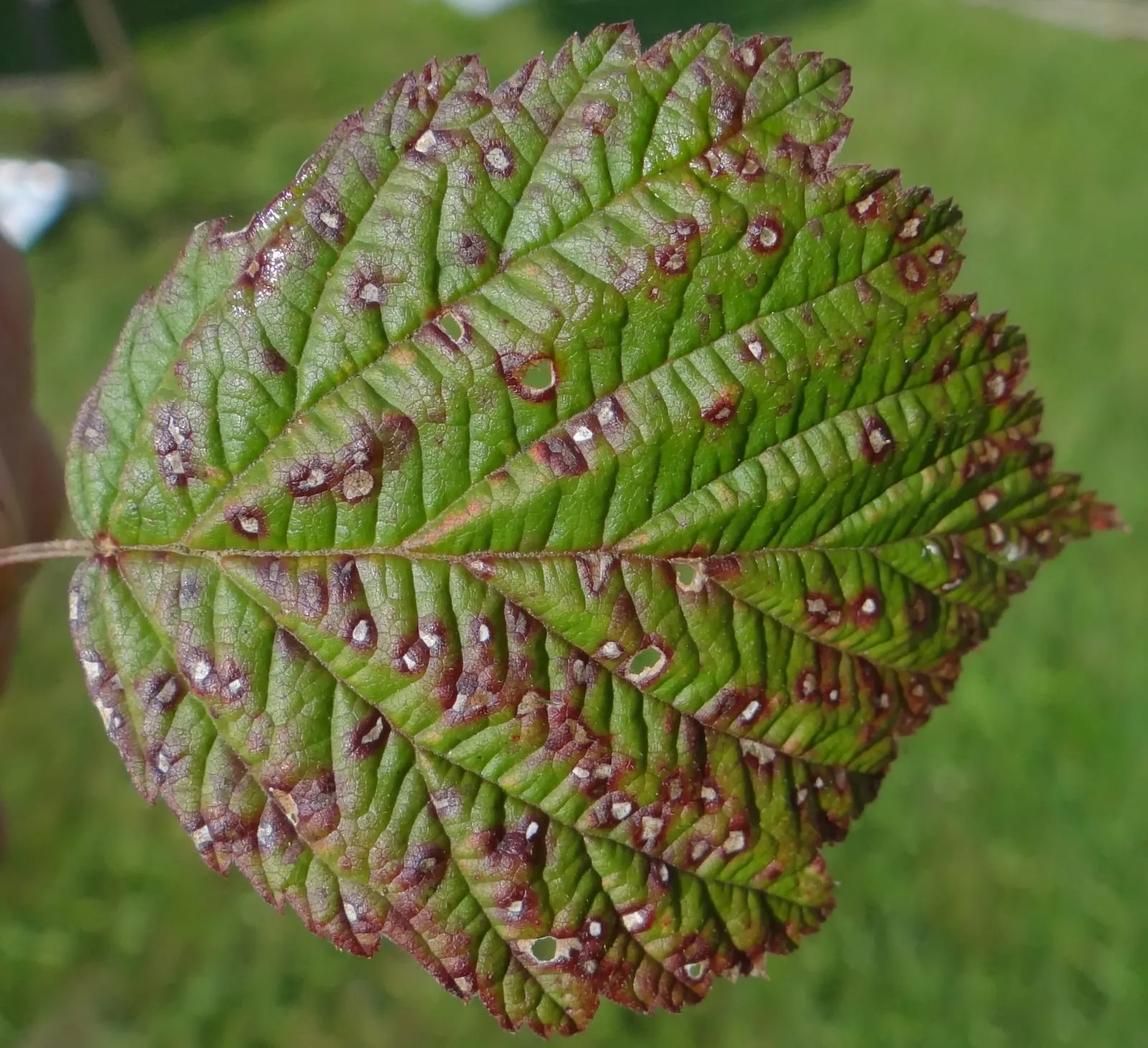
Elsinoe veneta
Fungal cane disease causing purple-bordered lesions that girdle and weaken bramble and Ribes canes, reducing yield over consecutive seasons.
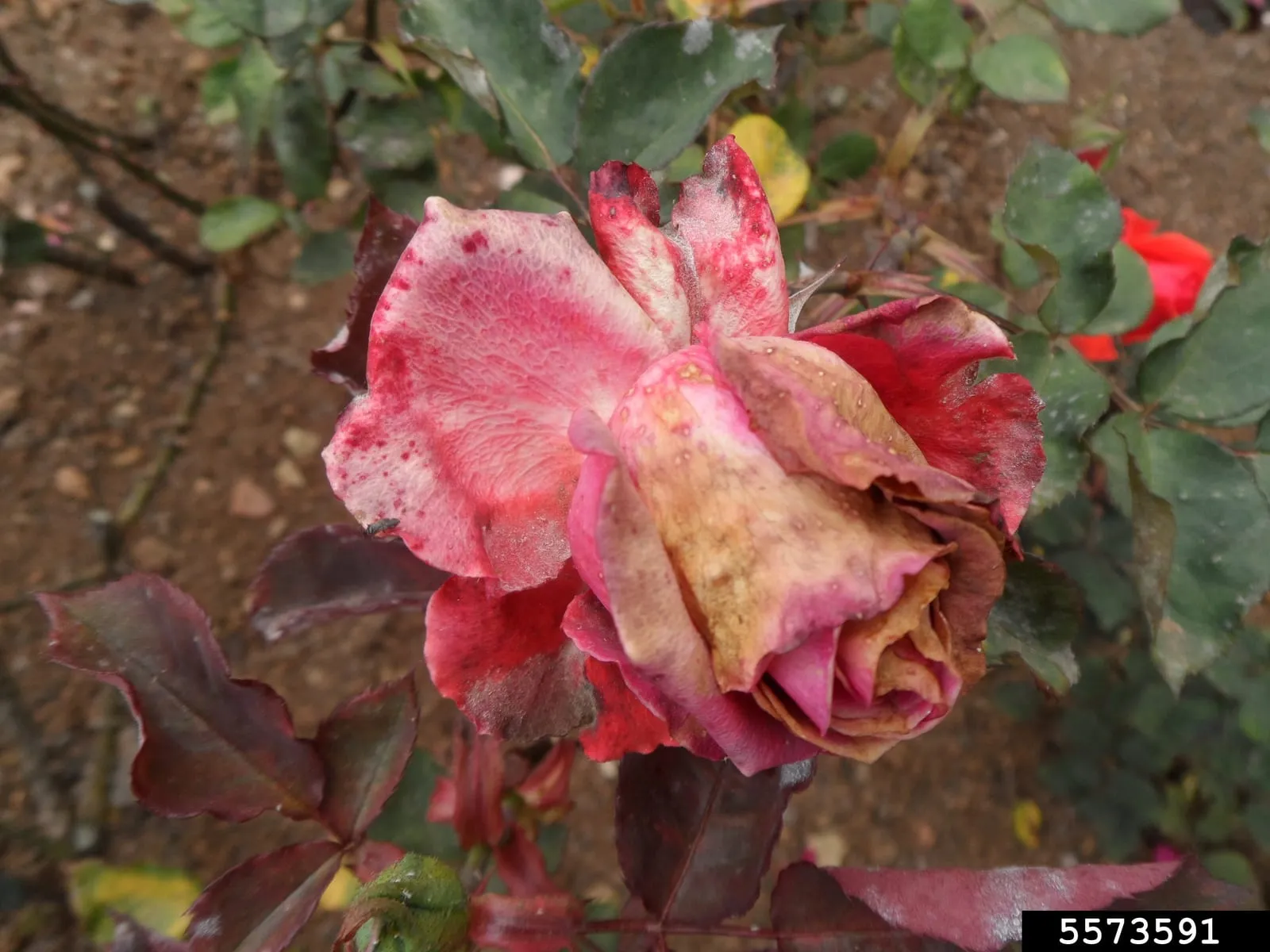
Botrytis cinerea
Ubiquitous fungal disease that causes fruit rot during cool wet weather, often the dominant berry disease in humid regions.
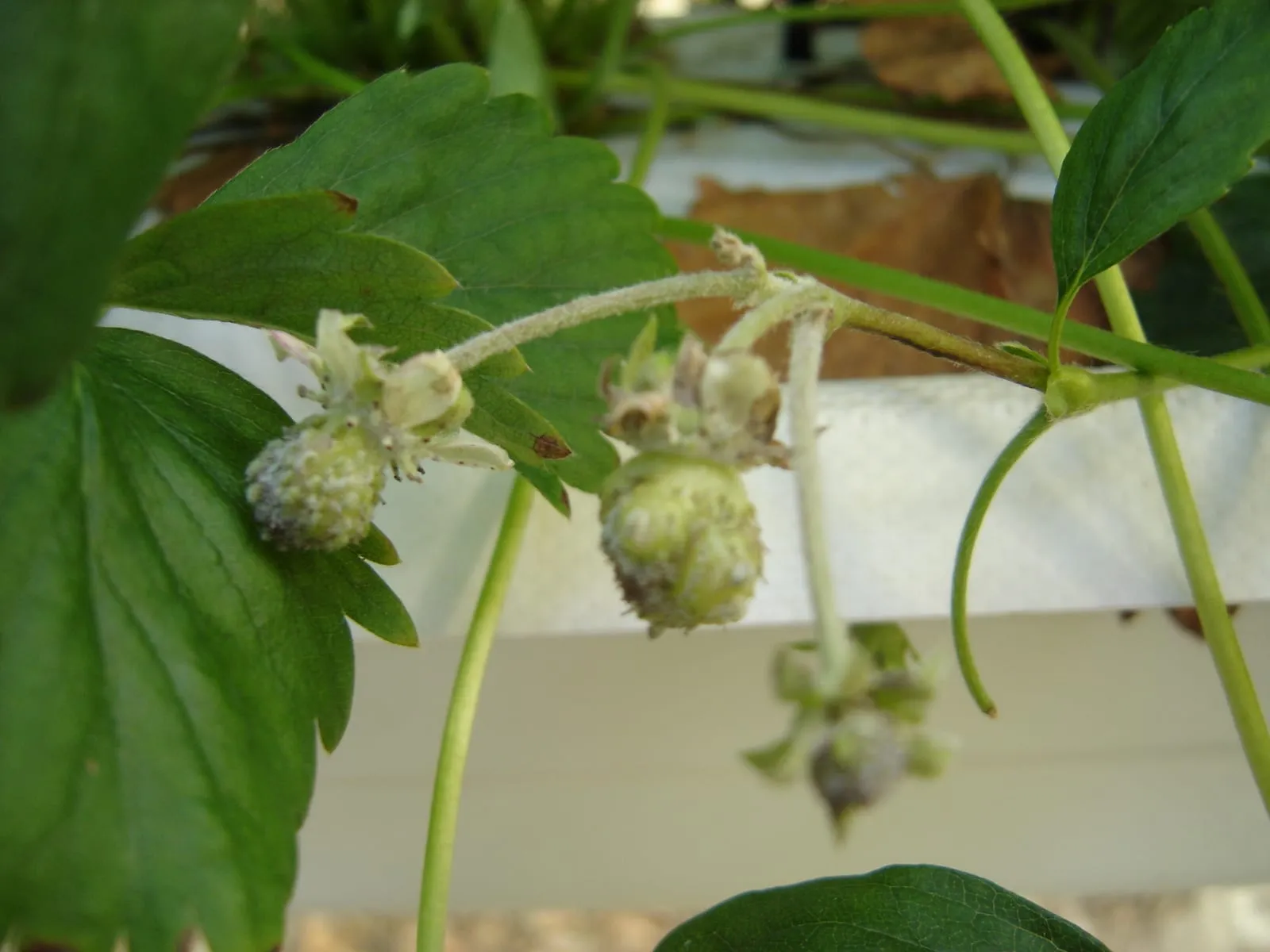
Podosphaera and Sphaerotheca species
Surface-feeding fungal disease producing white powdery growth on leaves and fruit, particularly damaging on gooseberries.
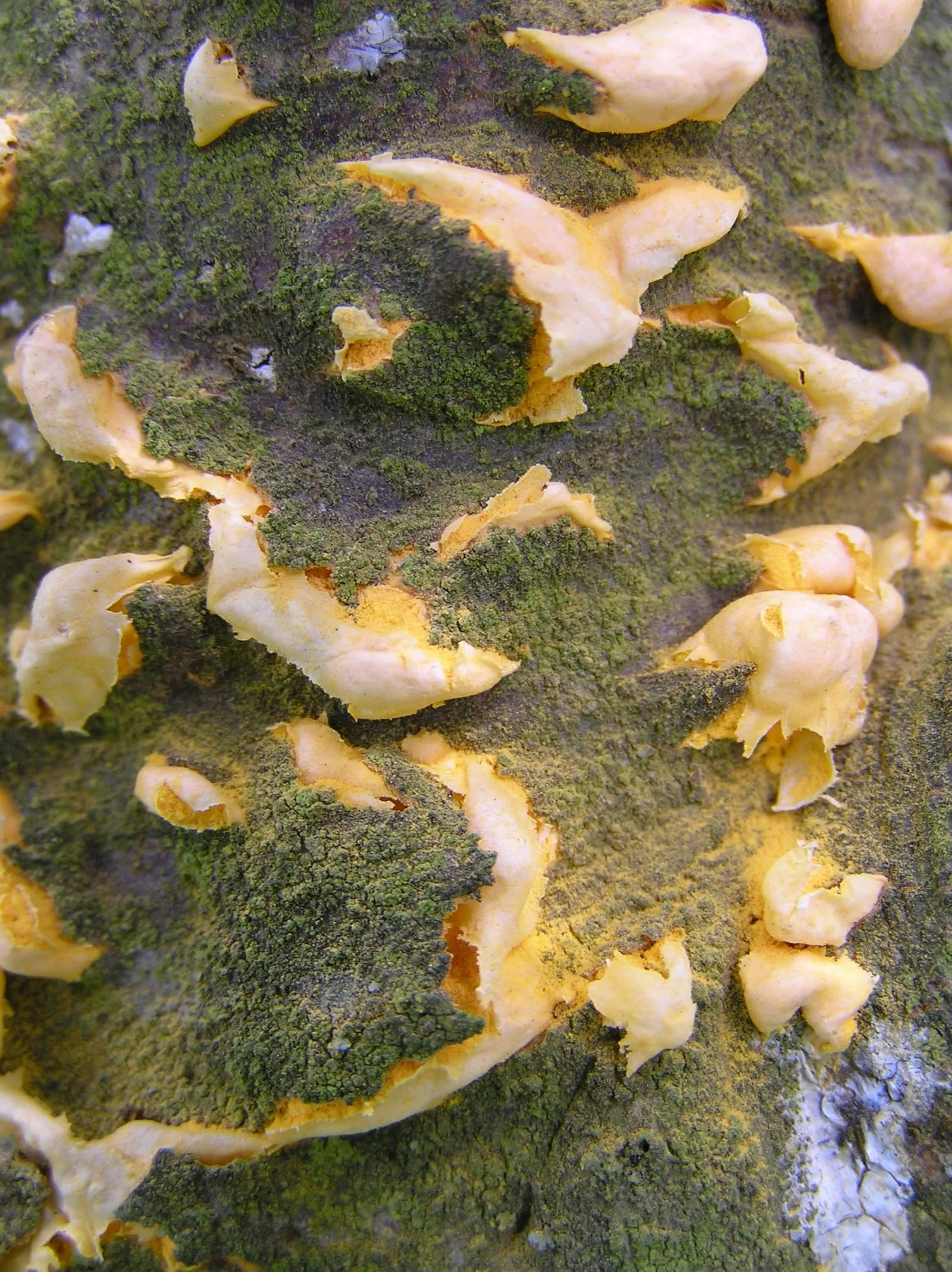
Cronartium ribicola
Two-host rust requiring both Ribes (currants and gooseberries) and white pines. Historically led to Ribes-planting bans in much of the US; some states still restrict black currant cultivation.
Modified care for zone 3a
The short growing season rewards site selection more than most crops. A south-facing slope with good air drainage shortens the effective last-frost date and extends the usable season by several days, which matters when the margin is 90 days. Black plastic mulch warms soil faster in spring and can accelerate fruit development; organic mulch is still useful for moisture retention but should be pulled back from canes in early spring to let soil warm.
White pine blister rust is the disease requiring the most attention in zone 3a, which often overlaps with native white pine stands. Both Consort and Titania carry resistance to this pathogen, and planting either variety essentially removes it as a management concern. Cane anthracnose and gray mold are both favored by the cool, humid conditions typical of zone 3a summers. Maintaining open canopy structure through annual renewal pruning, removing the oldest canes each year, improves airflow and reduces infection pressure for both diseases. Fungicide programs are rarely necessary when pruning is consistent.
Frequently asked questions
- Will black currant survive zone 3a winters without special protection?
Established plants of cold-hardy varieties like Consort and Titania tolerate zone 3a winter lows without supplemental protection. First-year plants benefit from a thick mulch layer applied after the ground freezes to moderate soil temperature fluctuations, but mature canes are reliably cold-hardy to -40°F.
- Is zone 3a too cold for black currant to produce reliably?
Cold hardiness is not the limiting factor. The 90-day growing season is the real constraint. With early-ripening varieties and a well-chosen site, zone 3a growers can expect consistent fruit production. A late-June frost during bloom is the most common cause of a poor crop year.
- Does White Pine Blister Rust restrict where black currant can be planted in zone 3a?
Federal restrictions on Ribes planting near white pines were largely lifted, though some states retain regulations. In zone 3a regions with significant white pine presence, planting rust-resistant varieties like Consort or Titania is the practical solution and effectively eliminates the disease as a concern regardless of local rules.
+−
+−
+−
Black Currant in adjacent zones
Image: "Blackcurrant", by Tyler Hacking, via iNaturalist, licensed under CC-BY Source.
Related