berry in zone 5b
Growing black currant in zone 5b
Ribes nigrum
- Zone
- 5b -15°F to -10°F
- Growing season
- 165 days
- Chill needed
- 800 to 1500 below 45°F
- Suitable varieties
- 4
- Days to harvest
- 80 to 100
The verdict
Zone 5b sits squarely within black currant's preferred range rather than at its margins. Winter lows between -15 and -10°F deliver the sustained cold this crop requires without pushing past the point of cane damage on established plants. The more important figure is chill hours: black currant needs 800 to 1,500 hours below 45°F to break dormancy fully and set a productive crop. Zone 5b typically accumulates well over 1,000 chill hours in a normal winter, so underchill is rarely a concern. The 165-day growing season is sufficient for fruit to ripen before first fall frost across most of the zone. The binding constraint here is not climate fit but disease pressure, specifically White Pine Blister Rust. In states where five-needle pines are present, variety selection matters as much as any cultural practice. Confirm local regulations before planting; a handful of states still restrict Ribes species to limit blister rust spread.
Recommended varieties for zone 5b
4 cultivars suited to this zone, with disease-resistance and zone-fit annotations.
| Variety | Notes | Zone fit | Disease resistance |
|---|---|---|---|
| Consort fits zone 5b | Intensely musky, complex, tart; juice, jam, cordial, syrup. The defining black-currant flavor for British and Northern European traditions. Resistant to white pine blister rust (legal in restricted states). | |
|
| Crandall fits zone 5b | Sweet, mild, less musky than European blacks; fresh, jam, juice. American native species (Ribes odoratum), fragrant yellow flowers, more approachable flavor for newcomers. | |
|
| Ben Sarek fits zone 5b | Tart, intensely flavored, large berries; the classic European black-currant cordial flavor. Compact bush (3-4 ft), high yields, frost-resistant flowers. | | none noted |
| Titania fits zone 5b | Tart, complex, large firm berries; juice, jam, syrup. Productive Swedish variety, blister-rust resistant, vigorous and adaptable. | |
|
Critical timing for zone 5b
Black currants break dormancy and flower early, typically in April in zone 5b, before many stone fruits have leafed out. That early bloom window overlaps with late-frost risk: zone 5b average last-frost dates run from late April through mid-May depending on specific location and elevation, and an open-flower freeze below 28°F can eliminate a substantial portion of the crop. Harvest runs from mid-July through early August, well within the growing season. The gap between bloom and harvest is short relative to tree fruits, which concentrates weather risk at the front of the season rather than spreading it across summer. Growers in frost pockets or low-lying sites should note that bloom timing can shift a week or more earlier in sheltered spots, increasing frost exposure.
Common challenges in zone 5b
- ▸ Plum curculio
- ▸ Codling moth
- ▸ Cedar-apple rust
Disease pressure to watch for
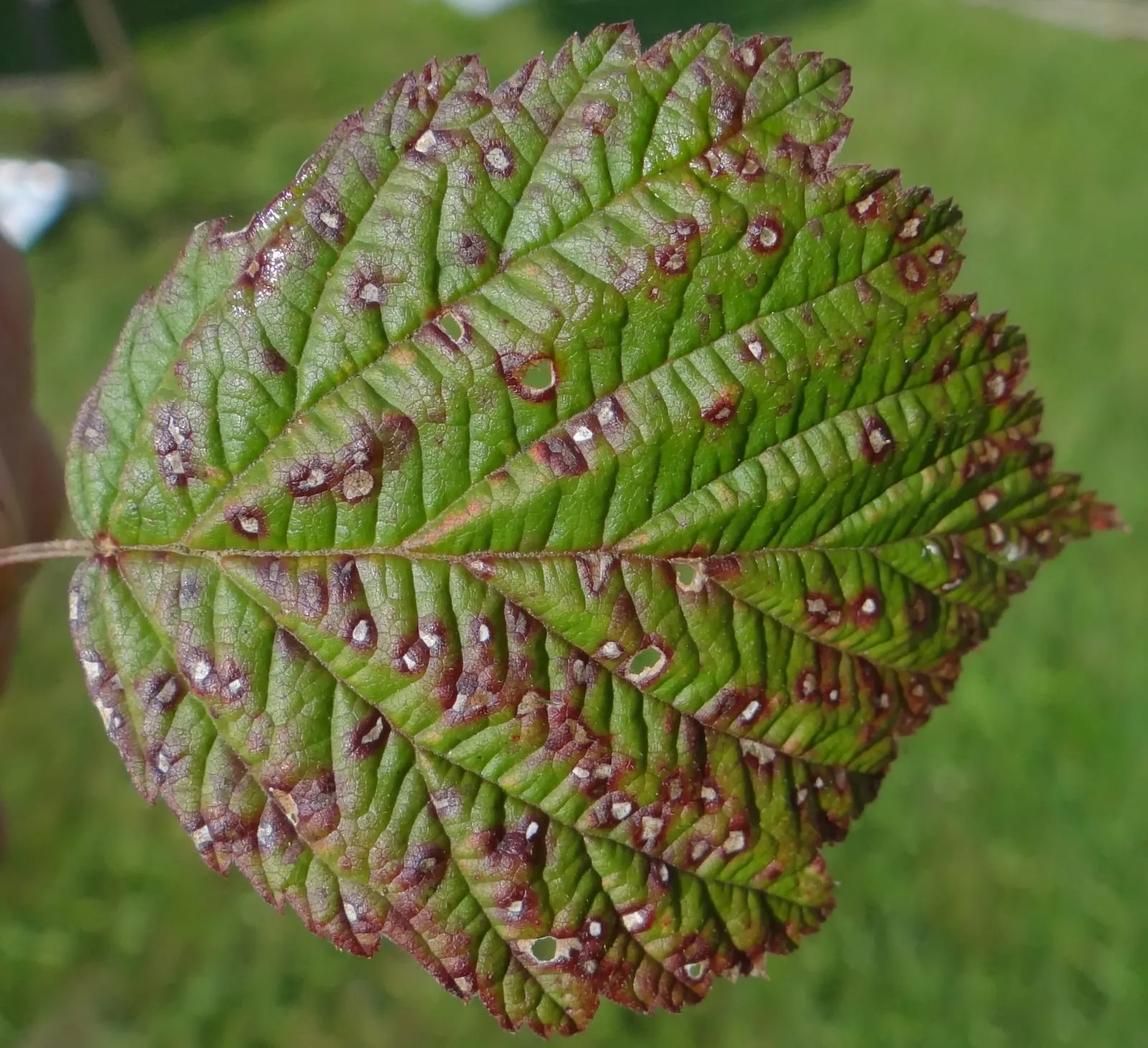
Elsinoe veneta
Fungal cane disease causing purple-bordered lesions that girdle and weaken bramble and Ribes canes, reducing yield over consecutive seasons.
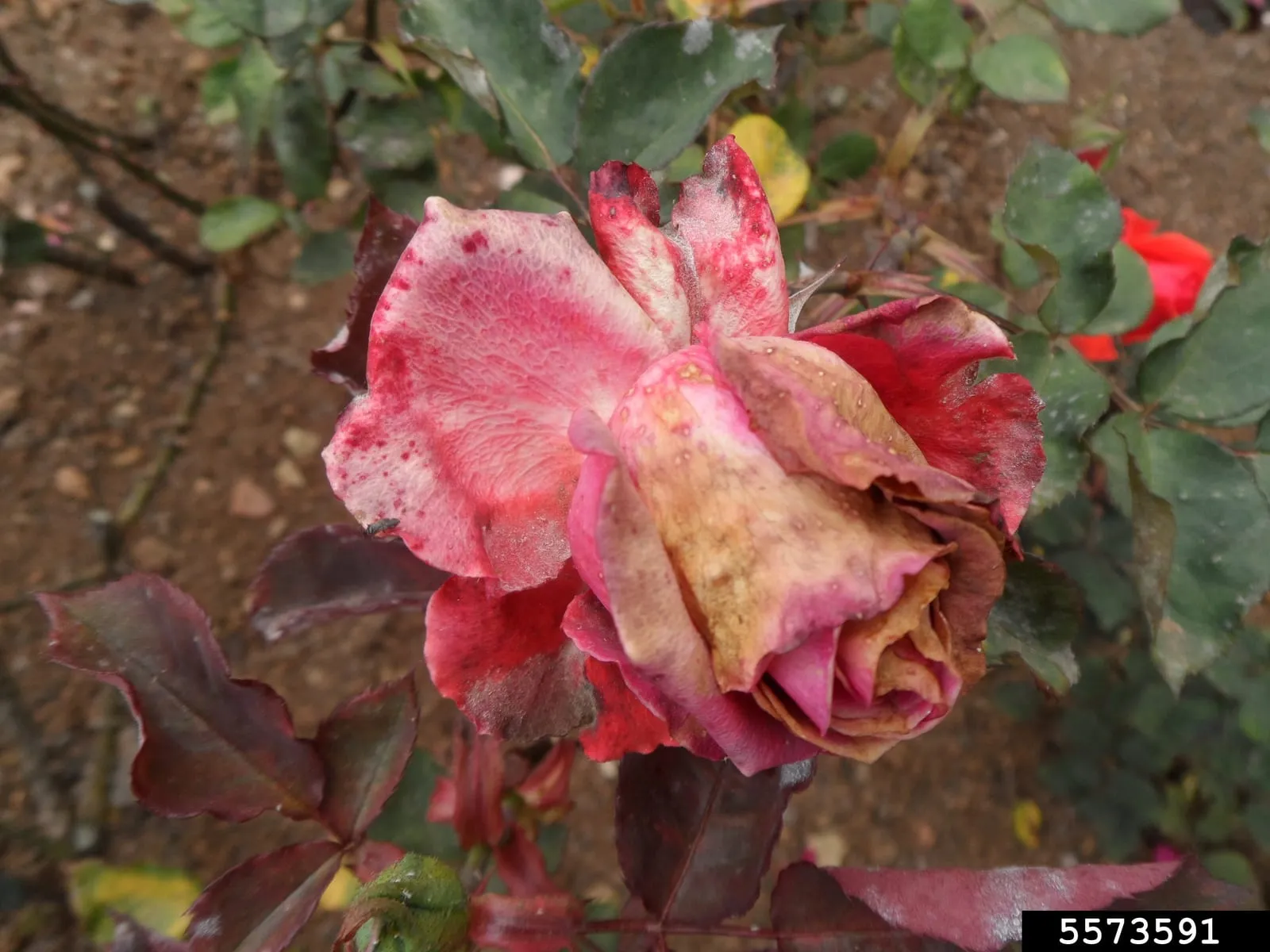
Botrytis cinerea
Ubiquitous fungal disease that causes fruit rot during cool wet weather, often the dominant berry disease in humid regions.
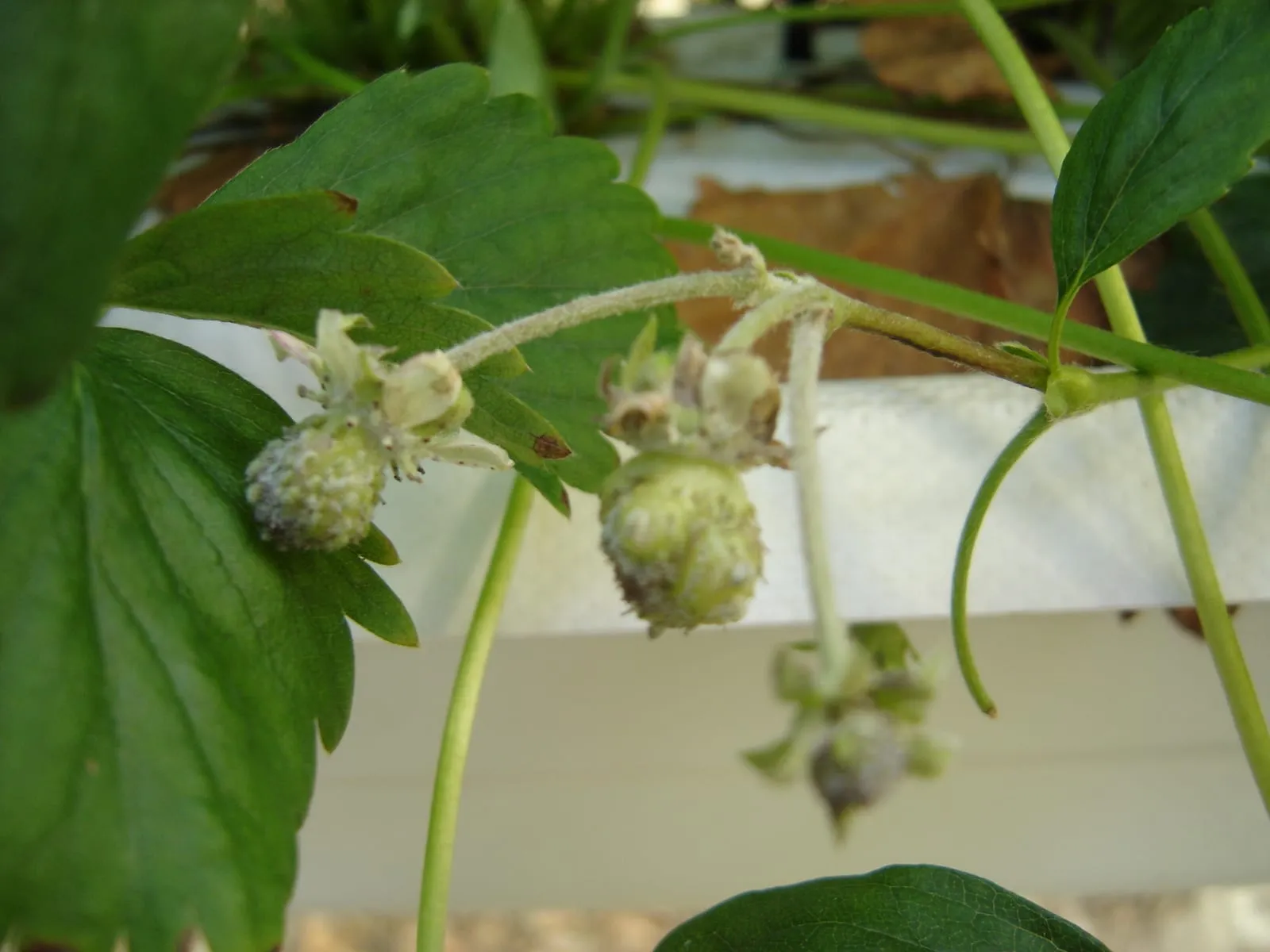
Podosphaera and Sphaerotheca species
Surface-feeding fungal disease producing white powdery growth on leaves and fruit, particularly damaging on gooseberries.
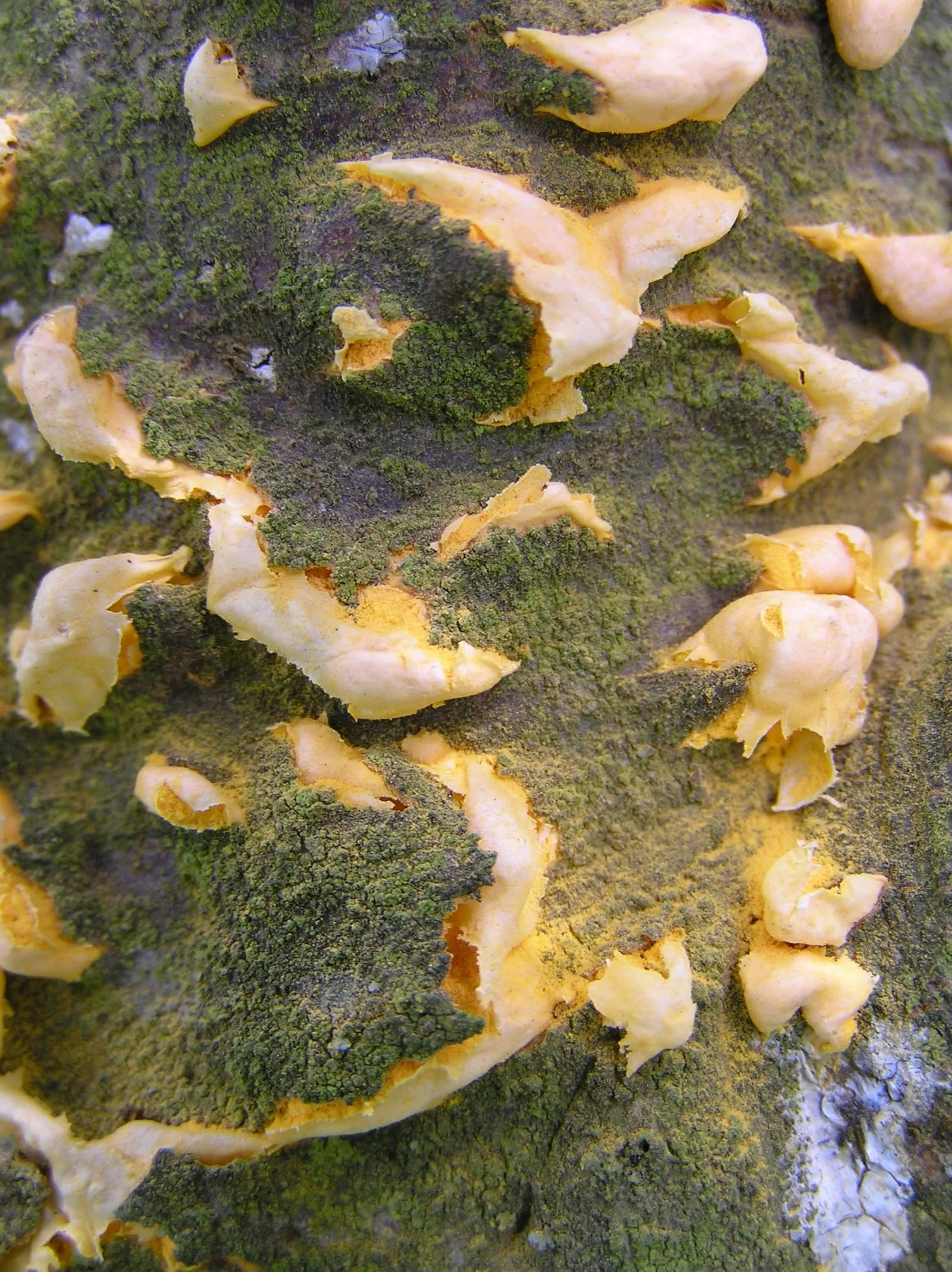
Cronartium ribicola
Two-host rust requiring both Ribes (currants and gooseberries) and white pines. Historically led to Ribes-planting bans in much of the US; some states still restrict black currant cultivation.
Modified care for zone 5b
Established black currants in zone 5b are cold-hardy enough to require no supplemental winter protection on the canes. First-year transplants benefit from a 3- to 4-inch mulch layer over the root zone through the first winter, but mature crowns handle zone 5b lows without assistance. The more demanding management adjustments involve disease. White Pine Blister Rust is the priority: if five-needle pines grow within a mile, plant only rust-resistant varieties. Consort carries strong resistance; Titania and Ben Sarek show useful tolerance. Gray Mold (Botrytis) and powdery mildew both worsen in wet springs, which occur regularly across zone 5b's northern range. Pruning to maintain open canopy structure is the first line of defense. Cane Anthracnose warrants attention after wet summers; infected canes should be removed and discarded, not composted. Annual renewal pruning, cutting out canes older than three years, reduces disease carryover and keeps yields up.
Frequently asked questions
- Is black currant legal to grow in zone 5b states?
Regulations vary by state. Some northeastern and Great Lakes states historically restricted or banned Ribes cultivation to limit White Pine Blister Rust spread. Many have since lifted those restrictions, but a few retain partial bans or county-level rules. Check with your state's department of agriculture before planting.
- Do black currants need a second plant for pollination in zone 5b?
Most black currant varieties are self-fertile and will produce without a second plant. Planting two different varieties can increase yield through cross-pollination, but it is not required. Consort and Ben Sarek are both self-fertile.
- How many years before a black currant planted in zone 5b produces a full crop?
Expect light fruit in year two and a full productive crop by year three. Black currants bear primarily on one-year-old wood, so the planting ramps up quickly once the crown is established. Annual renewal pruning maintains that productive wood structure over the long term.
+−
+−
+−
Black Currant in adjacent zones
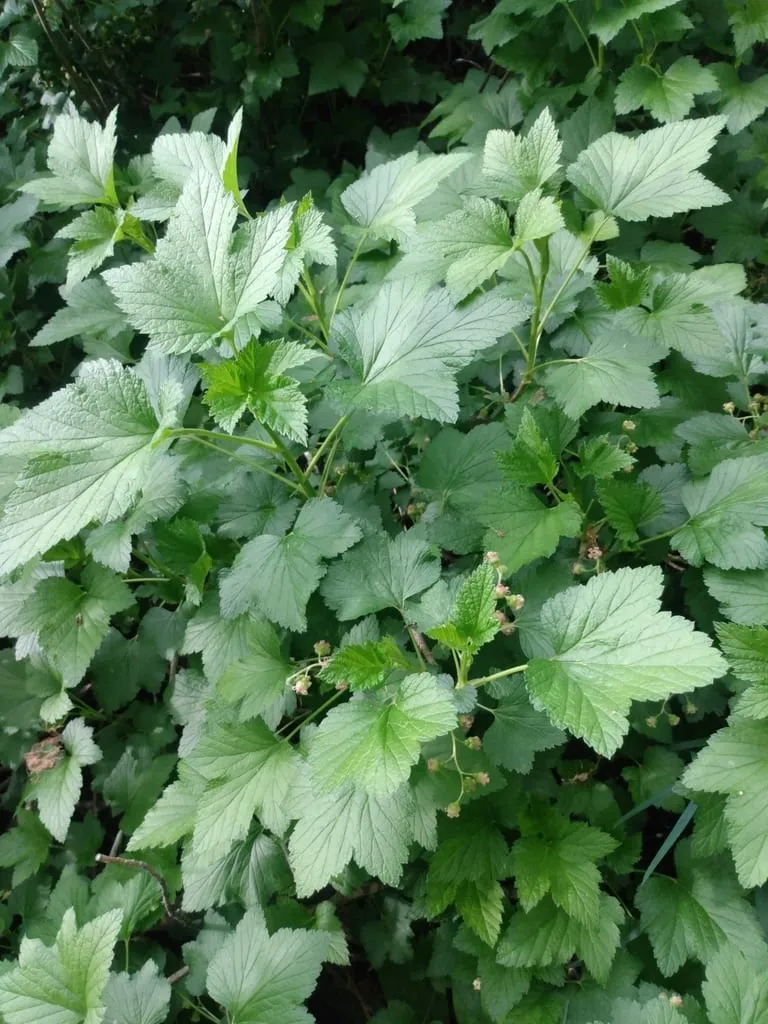
Image: "Blackcurrant", by Tyler Hacking, via iNaturalist, licensed under CC-BY Source.
Related