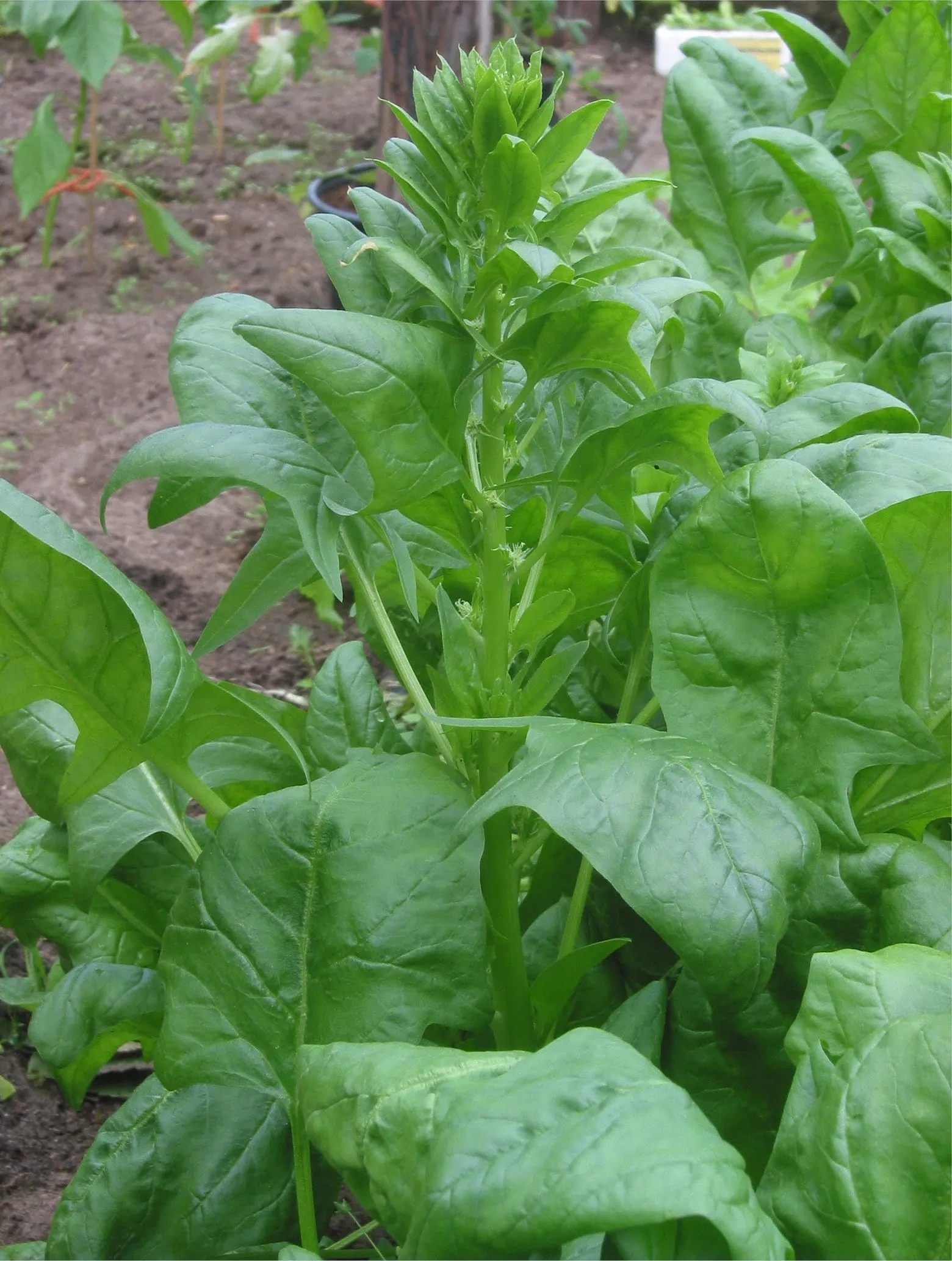
vegetable in zone 9a
Growing spinach in zone 9a
Spinacia oleracea
- Zone
- 9a 20°F to 25°F
- Growing season
- 290 days
- Suitable varieties
- 0
- Days to harvest
- 40 to 50
The verdict
Spinach is a cool-season crop that performs well in zone 9a as a fall-through-early-spring vegetable, not a year-round one. The zone's mild winters (minimum temps 20 to 25°F) rarely threaten established spinach, and the 290-day growing season gives growers a generous planting window on both ends of the cool season. The critical constraint is heat: spinach bolts rapidly when daytime temperatures consistently exceed 75°F, which arrives early in zone 9a, typically by April. This compresses the productive window compared to zones 6 and 7, where growers get a longer spring harvest. That said, zone 9a's warm fall soil temperatures accelerate germination and establishment, and mild winters allow spinach to grow nearly continuously from October through March without the hard dormancy freezes that interrupt growth farther north. The zone is workable for spinach, but success depends on tight planting timing rather than variety selection alone.
Critical timing for zone 9a
In zone 9a, spinach planting falls into two windows. The primary window runs from mid-September through November, when soil temperatures drop below 70°F and allow reliable germination. Days to harvest typically run 40 to 50 days from direct sowing, putting the bulk of the fall harvest between late October and January. A secondary window opens in January and February, with harvest possible through mid-March before rising temperatures trigger bolting. The spring window is narrow: zone 9a often crosses the 75°F threshold in April, leaving less than 6 weeks of productive growth before bolt risk climbs sharply. Growers who sow after February in this zone frequently lose the crop to premature flowering before leaves reach usable size. Unlike frost-date-sensitive crops, spinach timing here is driven more by heat accumulation than by cold.
Common challenges in zone 9a
- ▸ Limited stone fruit options due to insufficient chill
- ▸ Hurricane and tropical storm exposure
- ▸ Citrus disease pressure
Disease pressure to watch for
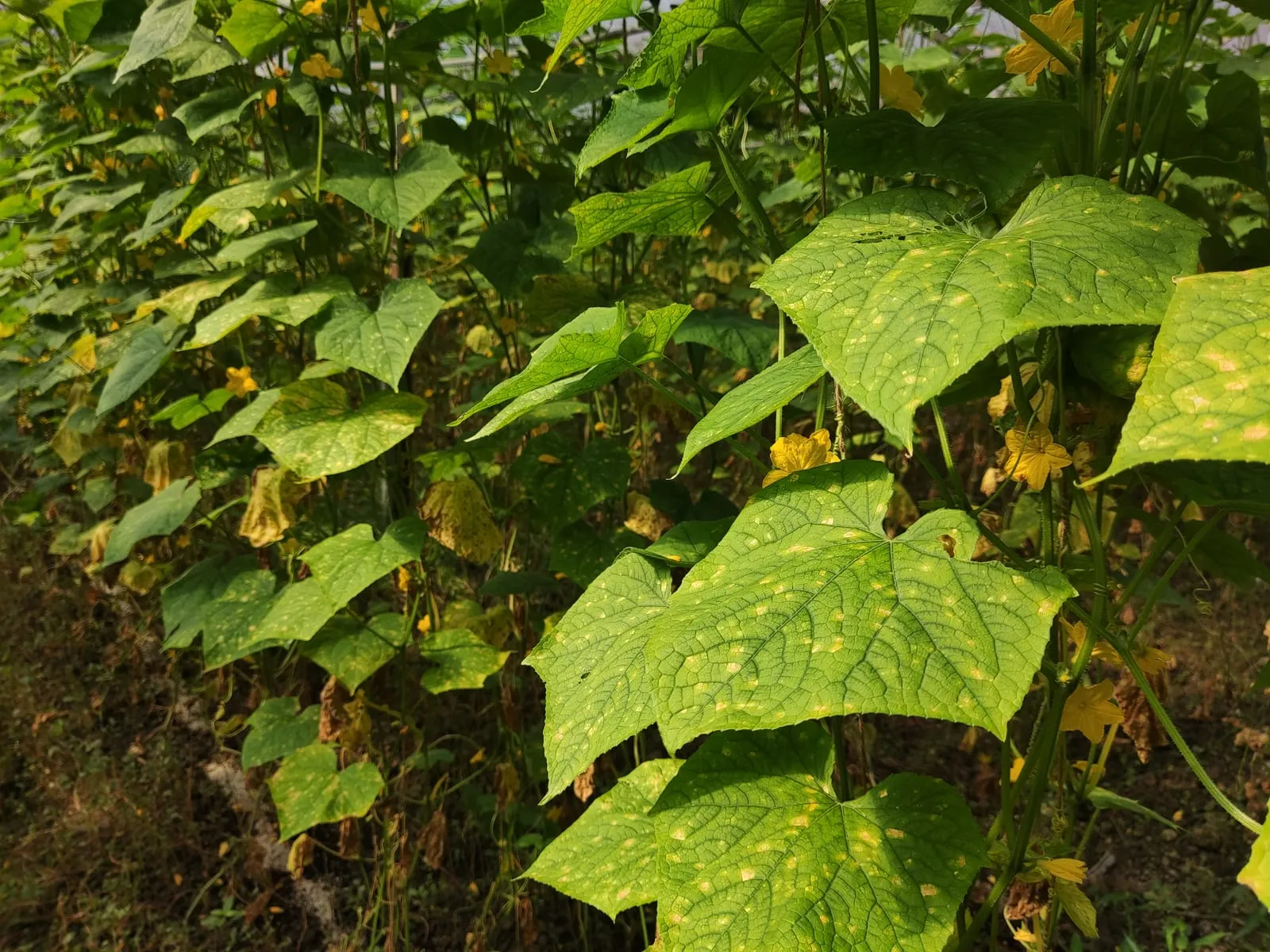
Pseudoperonospora cubensis (cucurbits) and others
Water mold (oomycete, not a true fungus) that thrives in cool damp conditions. Spreads rapidly through cucurbit and brassica plantings on wind-borne spores.
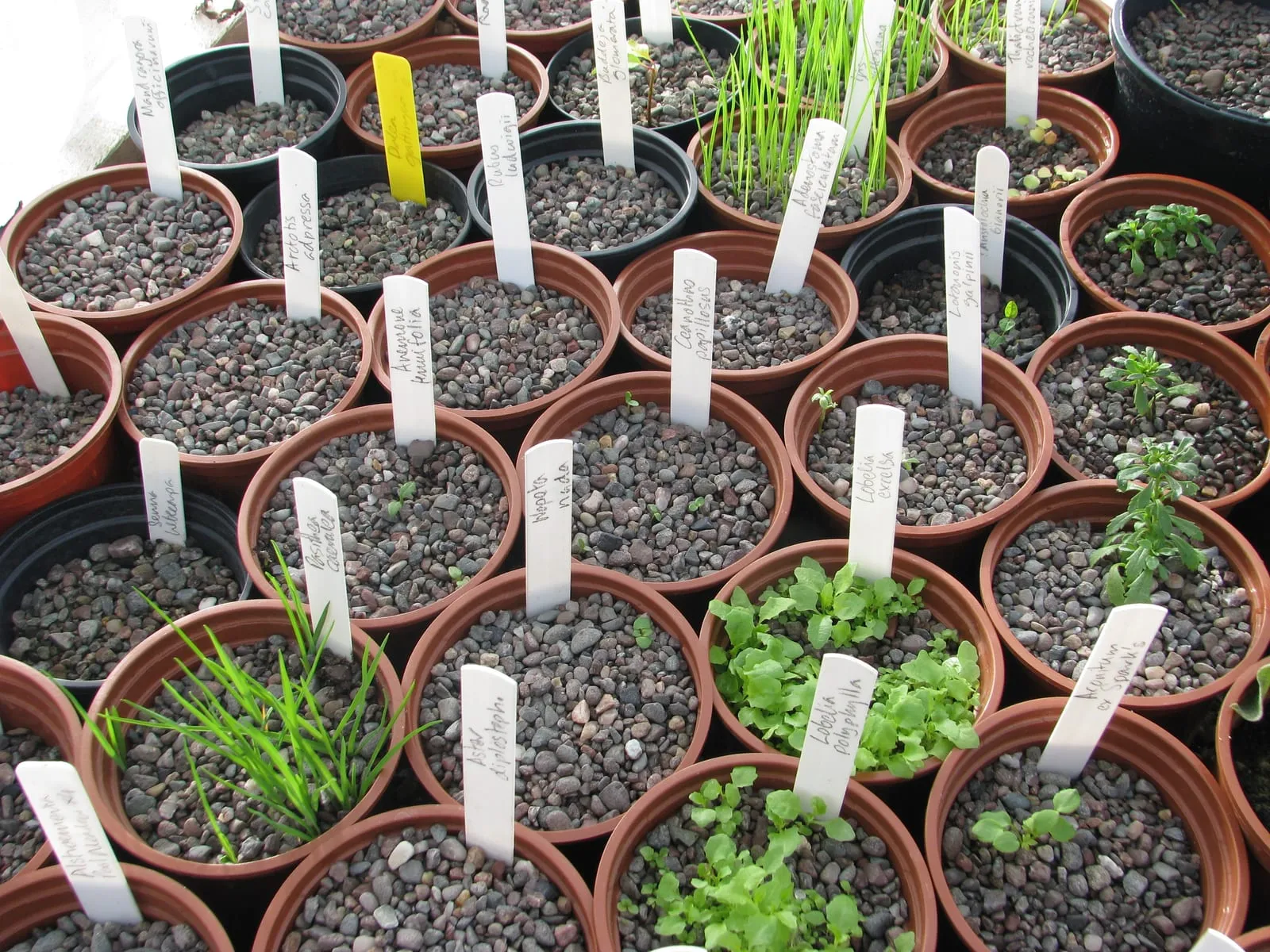
Pythium and Rhizoctonia species
Soil-borne complex of water molds and fungi that kill seedlings before or shortly after emergence. The single most common cause of seed-starting failures.
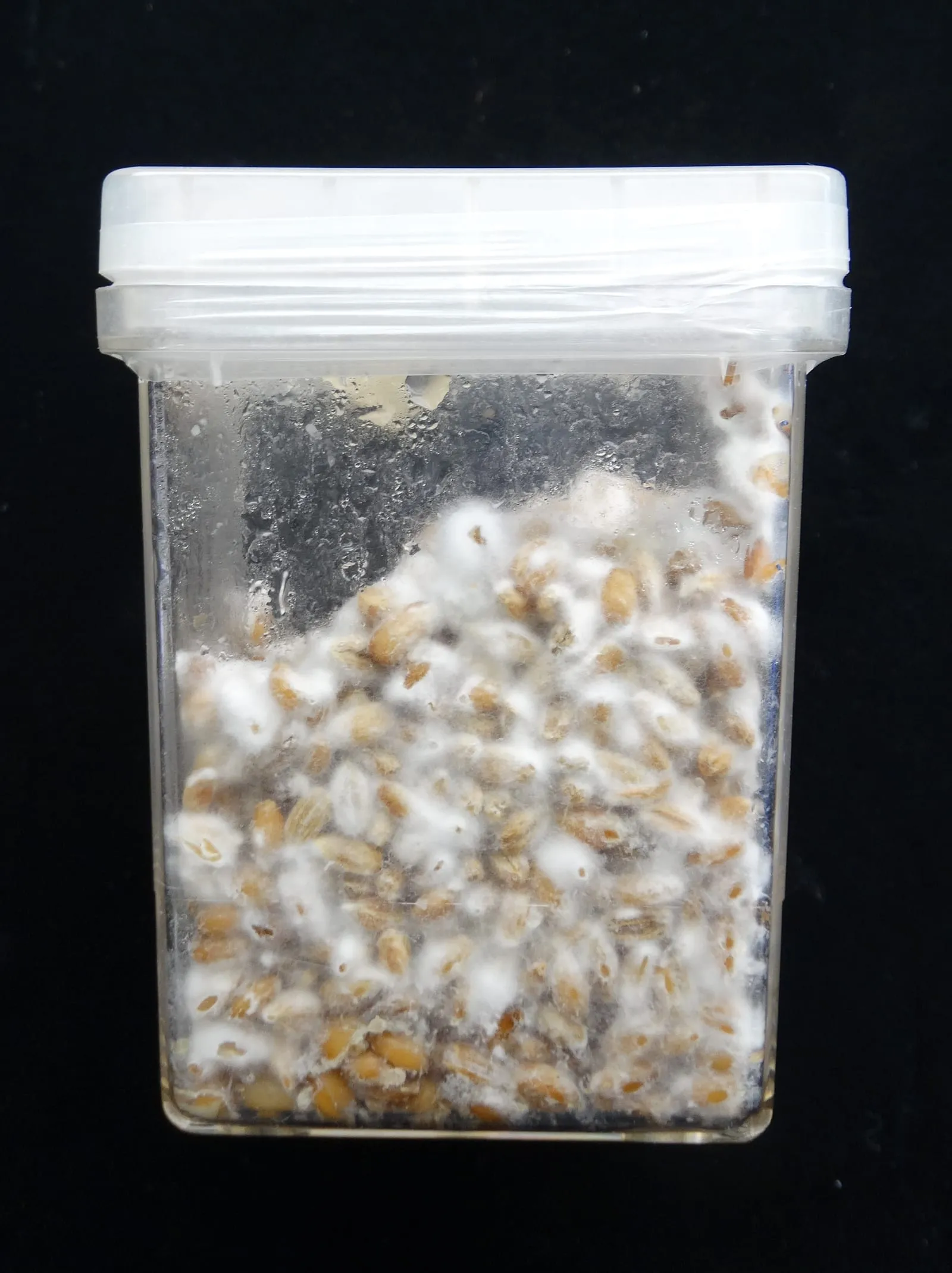
Fusarium oxysporum
Soil-borne fungal disease that plugs vascular tissue and kills affected plants. Persists in soil for many years; impossible to eliminate once established.
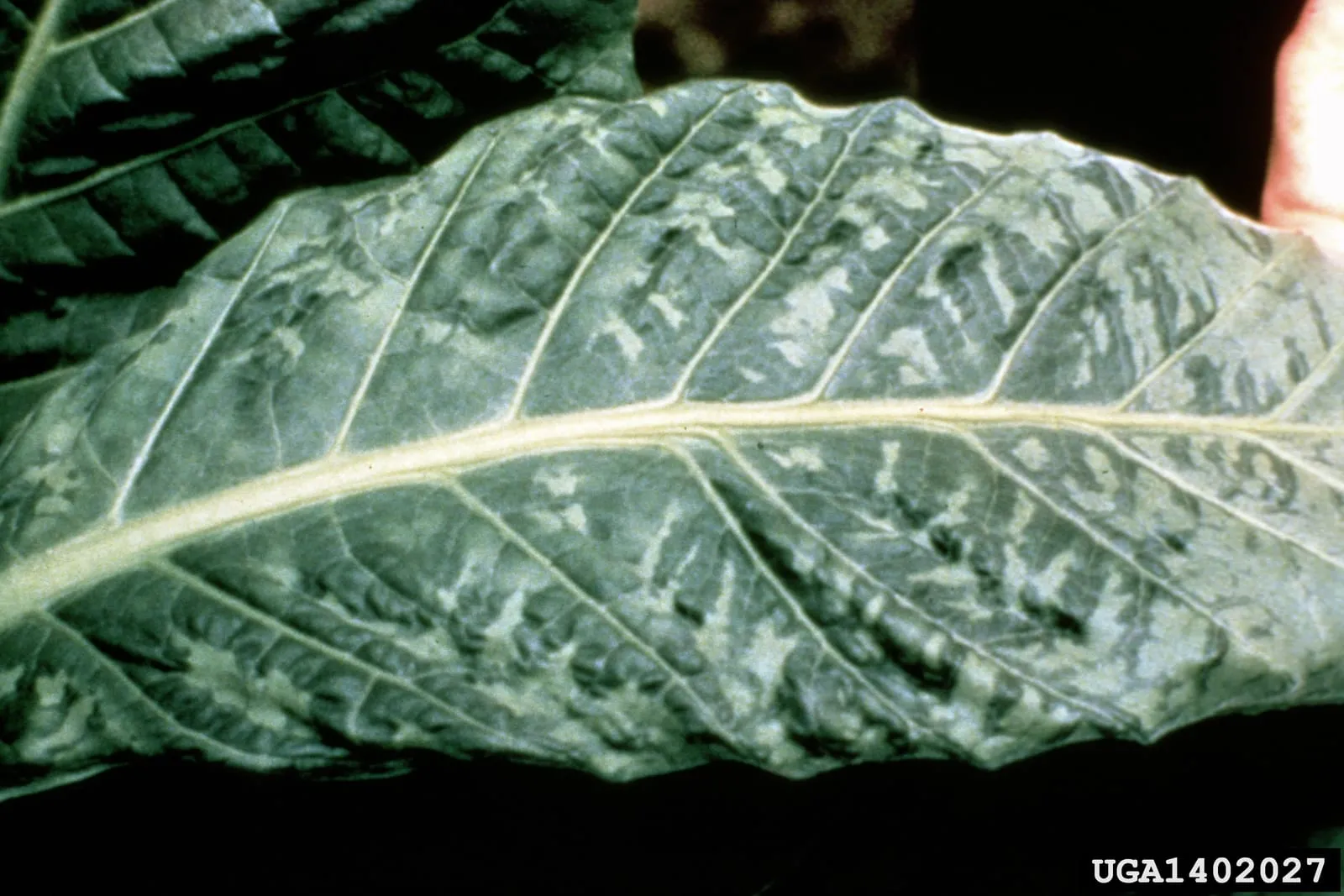
Cucumber mosaic virus, Tobacco mosaic virus, and others
Family of plant viruses producing mottled yellow-and-green leaf patterns. Vectored primarily by aphids; some are seed-transmitted or spread by handling tools and tobacco products.
Modified care for zone 9a
The primary management adjustment in zone 9a is aggressive planting-date discipline. Missing the fall window by even 3 to 4 weeks compresses the harvest season significantly. Downy mildew, caused by Peronospora farinosa, becomes a real pressure in warm, humid conditions typical of zone 9a winters; selecting resistant varieties and spacing plants for airflow reduce incidence more reliably than fungicide applications. Fusarium wilt accumulates in warm soils and builds up where spinach is grown repeatedly in the same beds; rotating spinach to a new bed each season is the practical control. Irrigation should target the root zone rather than overhead watering, which prolongs leaf wetness and promotes both diseases. Shade cloth (30 to 40 percent) can extend the spring harvest window by 2 to 3 weeks in warmer parts of the zone, though it adds management overhead that may not be worth it for a quick-maturing crop.
Frequently asked questions
- Can spinach survive a light frost in zone 9a?
Yes. Spinach tolerates light frosts down to around 20°F once hardened off, which aligns with zone 9a's minimum temperature range. Brief cold snaps rarely damage established plants, though a hard freeze below 20°F can cause tissue damage on young seedlings.
- Why does spinach bolt so quickly in zone 9a springs?
Bolting is triggered by a combination of lengthening days and rising temperatures. Zone 9a hits warm daytime highs earlier than most of the spinach-growing range, often by late March or April, which compresses the spring harvest window to 6 weeks or less.
- What are the most common spinach diseases in zone 9a?
Downy mildew and Fusarium wilt are the primary concerns. Downy mildew thrives in the warm, humid winters typical of zone 9a. Fusarium wilt builds up in warm soils over successive seasons. Crop rotation and resistant varieties address both without relying on chemical controls.
+−
+−
+−
Spinach in adjacent zones
Image: "Spinazie vrouwelijke plant (Spinacia oleracea female plant)", by Rasbak, via Wikimedia Commons, licensed under CC-BY Source.
.jpg)
Related