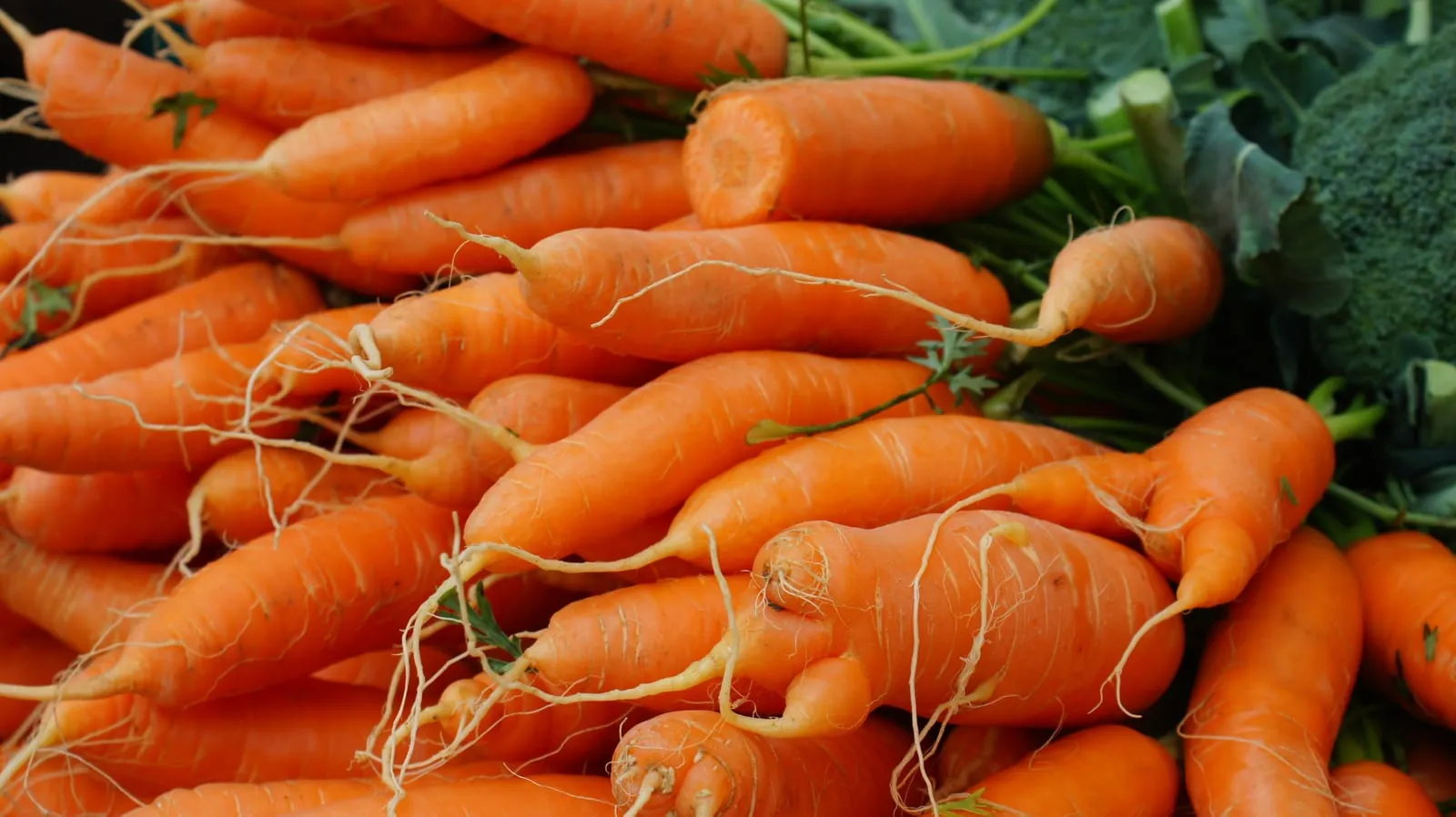
vegetable in zone 8a
Growing carrot in zone 8a
Daucus carota subsp. sativus
- Zone
- 8a 10°F to 15°F
- Growing season
- 240 days
- Suitable varieties
- 1
- Days to harvest
- 60 to 80
The verdict
Carrots are cool-season root vegetables with no chill-hour requirement, so zone 8a's winter minimum temperatures (10 to 15°F) are not a limiting factor. The real constraint is summer heat. Zone 8a's 240-day growing season includes long stretches above 85°F, which causes carrot roots to become fibrous, bitter, and prone to cracking. Germination stalls in soil above 85°F and essentially stops above 95°F.
Zone 8a is a workable zone for carrots, but only with careful timing. Growers who treat it like a summer crop will fail. Those who shift production to fall, winter, and early spring find zone 8a surprisingly productive, since mild winters allow carrots to overwinter in the ground without the risk of hard freezes destroying roots. Danvers Half Long is a reliable choice here, with better heat tolerance and thicker roots that handle variable soil moisture better than slender European types.
Recommended varieties for zone 8a
1 cultivar suited to this zone, with disease-resistance and zone-fit annotations.
| Variety | Notes | Zone fit | Disease resistance |
|---|---|---|---|
| Danvers Half Long fits zone 8a | Sweet, slightly stronger flavor; tapered orange roots that handle heavier soil. Fresh, cooking, storage. Heritage 1870s American variety, the root-cellar standard. | | none noted |
Critical timing for zone 8a
The most productive planting windows in zone 8a are fall and early spring. Fall sowings from late August through October germinate in cooling soil and produce roots for harvest from November through February. Light frosts actually improve carrot flavor by converting starches to sugars, and zone 8a winters are mild enough that unharvested roots can stay in the ground for weeks.
Spring plantings work if started early, from January through early March, before soil temperatures climb past 70°F. Expect harvest in 70 to 80 days, meaning most spring-planted carrots come in before the heat builds in May and June. Summer planting is not recommended in zone 8a. The combination of high soil temperature and inconsistent moisture makes germination unreliable and root quality poor.
Common challenges in zone 8a
- ▸ Insufficient chill hours for some apple varieties
- ▸ Pierce's disease in grapes
- ▸ Heat stress on cool-season crops
Modified care for zone 8a
The main adjustment in zone 8a is treating carrots as a cool-season crop that needs protection from heat rather than cold. Mulching 2 to 3 inches over the bed after germination helps moderate soil temperature and retain moisture, both critical once ambient temperatures begin rising in spring.
Fall-planted beds benefit from consistent irrigation during the dry periods that often follow summer in zone 8a. Germination requires reliably moist soil for 14 to 21 days, which may mean daily watering in August and September if rainfall is absent. Shade cloth (30 to 40 percent) can extend spring plantings by a few weeks when daytime temperatures spike early.
Danvers Half Long is the recommended variety for this zone partly because its shorter, thicker root is less prone to forking and cracking in the clay-heavy soils common across much of zone 8a. Amending beds deeply with compost improves drainage and reduces resistance to downward root growth.
Frequently asked questions
- Can carrots overwinter in the ground in zone 8a?
Yes. Zone 8a's winters are mild enough that carrot roots left in the ground after tops die back will survive until late winter or early spring. Mulching the bed with straw after the first frost adds insurance against the occasional hard freeze. Leaving roots in the ground until needed also improves sweetness.
- Why do my zone 8a carrots come out bitter and fibrous?
Bitterness and tough texture are usually signs that roots developed during warm soil conditions, above 70 to 75°F. In zone 8a this happens with late spring or summer plantings. Shifting to fall or early-winter sowing, when soil cools into the 55 to 65°F range, produces much better flavor and texture.
- Is Danvers Half Long the only carrot variety worth growing in zone 8a?
Danvers Half Long is well-suited to zone 8a's heavier soils and warm-end conditions, but it is not the only option. Chantenay types also perform well in clay-heavy beds. Nantes varieties can succeed in fall plantings when temperatures stay moderate, though they are less forgiving of heat spikes than Danvers types.
+−
+−
+−
Carrot in adjacent zones
Image: "Carrots at Ljubljana Central Market", by domdomegg, via Wikimedia Commons, licensed under CC-BY Source.

Related