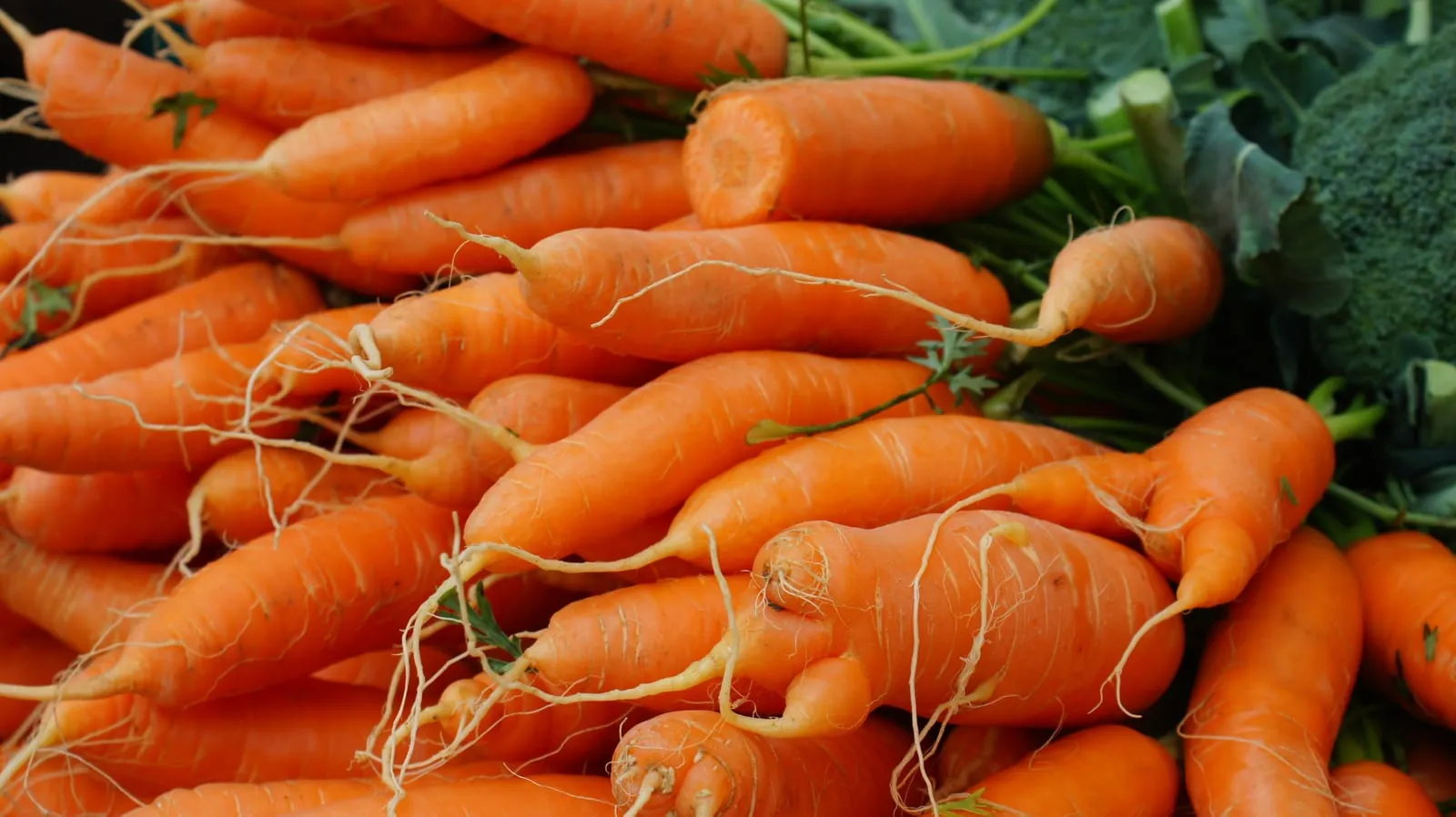
vegetable in zone 7a
Growing carrot in zone 7a
Daucus carota subsp. sativus
- Zone
- 7a 0°F to 5°F
- Growing season
- 210 days
- Suitable varieties
- 5
- Days to harvest
- 60 to 80
The verdict
Carrot is well-suited to zone 7a, where the 210-day growing season supports two distinct planting windows each year. Unlike fruit crops that require a minimum chill-hour accumulation, carrots are a cool-season biennial grown as an annual; they don't bloom in their first year under typical cultivation. The relevant threshold is soil temperature: carrots germinate best between 55 and 75°F and produce their sweetest, most uniform roots in cool-to-mild conditions. Zone 7a delivers that in spring (March through May) and again in fall (August through October). Summer heat is the primary limitation, as sustained soil temperatures above 80°F stunt root development and promote forking. The 0 to 5°F winter minimum is cold enough to allow overwintering carrots in the ground with light mulch, which intensifies sweetness but requires timing so roots are mature before hard freezes set in. Overall, zone 7a is a genuine sweet spot for carrot production rather than a marginal case.
Recommended varieties for zone 7a
5 cultivars suited to this zone, with disease-resistance and zone-fit annotations.
| Variety | Notes | Zone fit | Disease resistance |
|---|---|---|---|
| Nantes fits zone 7a | Sweet, crisp, very low bitterness; cylindrical orange roots with blunt tips. Fresh, juicing, salads, the snacking carrot standard. Heritage French variety, sweetens with frost. | | none noted |
| Danvers Half Long fits zone 7a | Sweet, slightly stronger flavor; tapered orange roots that handle heavier soil. Fresh, cooking, storage. Heritage 1870s American variety, the root-cellar standard. | | none noted |
| Chantenay Red Core fits zone 7a | Sweet, juicy, broad shoulders tapering to a stubby point; copes with shallow or rocky soil. Fresh, juicing, soups. Heritage stocky variety good for difficult soils. | | none noted |
| Cosmic Purple fits zone 7a | Sweet, mild, novelty deep purple skin with orange core; holds purple when cooked briefly. Fresh, salads. Anthocyanin-rich, ornamental, kid-friendly. | | none noted |
| Atomic Red fits zone 7a | Mild, slightly bitter raw, sweet when cooked; deep red roots that turn brighter with cooking. Roasting, soups. Lycopene-rich, novelty for color. | | none noted |
Critical timing for zone 7a
In zone 7a, direct sow carrots beginning 4 to 6 weeks before the average last spring frost, typically late February through mid-March depending on location. Germination takes 14 to 21 days in cool soil; roots mature in 70 to 80 days for Nantes types and up to 90 days for larger-shouldered varieties like Danvers Half Long. Spring crops should be sized and harvested by late May or early June before soil warms past 75°F. For fall production, count back 70 to 90 days from the first expected fall frost (typically mid to late October in zone 7a) and direct sow in late July through early August. Fall carrots can remain in the ground well past first frost under 4 to 6 inches of straw mulch, with flavor improving as starch converts to sugars in cold soil.
Common challenges in zone 7a
- ▸ Cedar-apple rust
- ▸ Brown rot
- ▸ Fire blight
- ▸ High humidity disease pressure
Modified care for zone 7a
Zone 7a growers face two primary management adjustments relative to cooler regions: summer heat and humidity. Spring plantings that run long into May risk poor root quality as soil temperatures climb, so selecting shorter-season varieties (Nantes, Cosmic Purple) and timing harvest aggressively matters more here than in zone 5 or 6. Shade cloth rated at 30 to 40 percent can extend spring harvests by a week or two in unusually warm years. For fall plantings, germination in late July soil is notoriously unreliable because surface temperatures often exceed 80°F midday. Sowing at dusk, watering frequently during the first two weeks, and covering rows with burlap or row cover until seedlings establish helps. The region's high summer humidity creates conditions favorable to Alternaria leaf blight, a minor foliar issue; thinning to adequate spacing (2 to 3 inches between plants) improves airflow and limits its spread.
Frequently asked questions
- Can I grow carrots year-round in zone 7a?
Not quite year-round, but close. Zone 7a supports two productive windows: a spring crop sown February to March and a fall crop sown July to August. Midsummer production is impractical because heat causes poor germination and deformed roots. Overwintered carrots left in the ground under mulch are possible, though December and January sowings are not.
- Which carrot varieties perform best in zone 7a heat?
Nantes types and the shorter Chantenay Red Core handle heat stress better than long imperator varieties because they mature faster and are less prone to cracking. Cosmic Purple and Atomic Red are also reasonable choices for fall crops, where cooler soil brings out their color more reliably.
- Why do my spring carrots fork or crack in zone 7a?
Forking is most often caused by rocky or compacted soil, but in zone 7a the more common culprit is uneven soil moisture during rapid spring temperature swings. Consistent irrigation and harvest before the soil exceeds 75°F reduces both forking and cracking significantly.
- Is it worth trying to overwinter carrots in zone 7a?
Yes, with adequate mulch. Mature roots left in the ground through a zone 7a winter accumulate sugars as temperatures drop, producing noticeably sweeter carrots than anything harvested in fall. Apply 4 to 6 inches of straw before the first hard freeze and harvest as needed through February.
+−
+−
+−
+−
Carrot in adjacent zones
Image: "Carrots at Ljubljana Central Market", by domdomegg, via Wikimedia Commons, licensed under CC-BY Source.

Related