vegetable in zone 6b
Growing carrot in zone 6b
Daucus carota subsp. sativus
- Zone
- 6b -5°F to 0°F
- Growing season
- 190 days
- Suitable varieties
- 5
- Days to harvest
- 60 to 80
The verdict
Zone 6b sits in a genuine sweet spot for carrot production. Carrots are cool-season root crops with no chill-hour requirement, so the zone's minimum winter temperatures (-5 to 0°F) are not a limiting factor during the growing season. What matters more is the 190-day growing season, which comfortably supports both a spring crop and a full fall crop without rushing either window.
The varieties suited to zone 6b span a wide range: Nantes types deliver tender, sweet roots in spring; Danvers Half Long and Chantenay Red Core handle heavier soils and resist cracking under fluctuating moisture; Cosmic Purple and Atomic Red offer anthocyanin-rich pigmentation that holds up well in cooler fall soil. None of these selections require special cold-hardiness adaptation for this zone.
Zone 6b growers are better positioned than those in zones 7 and warmer, where rising summer temperatures compress the spring planting window and reduce root quality before harvest. The binding constraint here is soil temperature at sowing time, not zone hardiness.
Recommended varieties for zone 6b
5 cultivars suited to this zone, with disease-resistance and zone-fit annotations.
| Variety | Notes | Zone fit | Disease resistance |
|---|---|---|---|
| Nantes fits zone 6b | Sweet, crisp, very low bitterness; cylindrical orange roots with blunt tips. Fresh, juicing, salads, the snacking carrot standard. Heritage French variety, sweetens with frost. | | none noted |
| Danvers Half Long fits zone 6b | Sweet, slightly stronger flavor; tapered orange roots that handle heavier soil. Fresh, cooking, storage. Heritage 1870s American variety, the root-cellar standard. | | none noted |
| Chantenay Red Core fits zone 6b | Sweet, juicy, broad shoulders tapering to a stubby point; copes with shallow or rocky soil. Fresh, juicing, soups. Heritage stocky variety good for difficult soils. | | none noted |
| Cosmic Purple fits zone 6b | Sweet, mild, novelty deep purple skin with orange core; holds purple when cooked briefly. Fresh, salads. Anthocyanin-rich, ornamental, kid-friendly. | | none noted |
| Atomic Red fits zone 6b | Mild, slightly bitter raw, sweet when cooked; deep red roots that turn brighter with cooking. Roasting, soups. Lycopene-rich, novelty for color. | | none noted |
Critical timing for zone 6b
Carrots are grown as annuals for their roots; bloom is only relevant if plants are overwintered for seed production in their second year. The practical timing markers are germination windows and harvest dates.
For spring crops, direct sowing begins 3 to 4 weeks before the last expected frost, which falls in mid-April across much of zone 6b. Germination is slow below 50°F, so early sowings may sit dormant for two to three weeks. Most varieties mature in 70 to 80 days, placing spring harvests in late June through mid-July depending on sow date.
Fall crops are typically direct-sown in late July or August, roughly 10 to 12 weeks before the first fall frost (mid-October in most of zone 6b). Roots that experience light frost after reaching mature size gain sweetness as starches convert to sugars, making late-fall harvests often the best of the season.
Common challenges in zone 6b
- ▸ Cedar-apple rust
- ▸ Fire blight
- ▸ Stink bugs
Modified care for zone 6b
The most productive adjustment in zone 6b is using the extended cold season rather than working against it. Carrots left in the ground after first fall frost, covered with 6 to 8 inches of straw mulch, remain harvestable through much of winter. Soil freezing in zone 6b is less persistent than in zones 5 and colder, making in-ground storage a practical alternative to root cellar handling.
Stink bugs, a documented zone challenge, cause superficial scarring on root shoulders near harvest time. The damage is cosmetic rather than systemic. Row cover applied during late summer and fall reduces exposure without complicating the planting timeline.
Soil preparation carries more weight here than zone-specific cold management. Clay-heavy soils common across parts of zone 6b cause forking, stunted roots, and difficult harvest. Raised beds or deeply tilled, well-amended soil (targeting loose, stone-free depth of at least 12 inches for Nantes and Danvers types) addresses most yield problems before they develop.
Carrot in adjacent zones
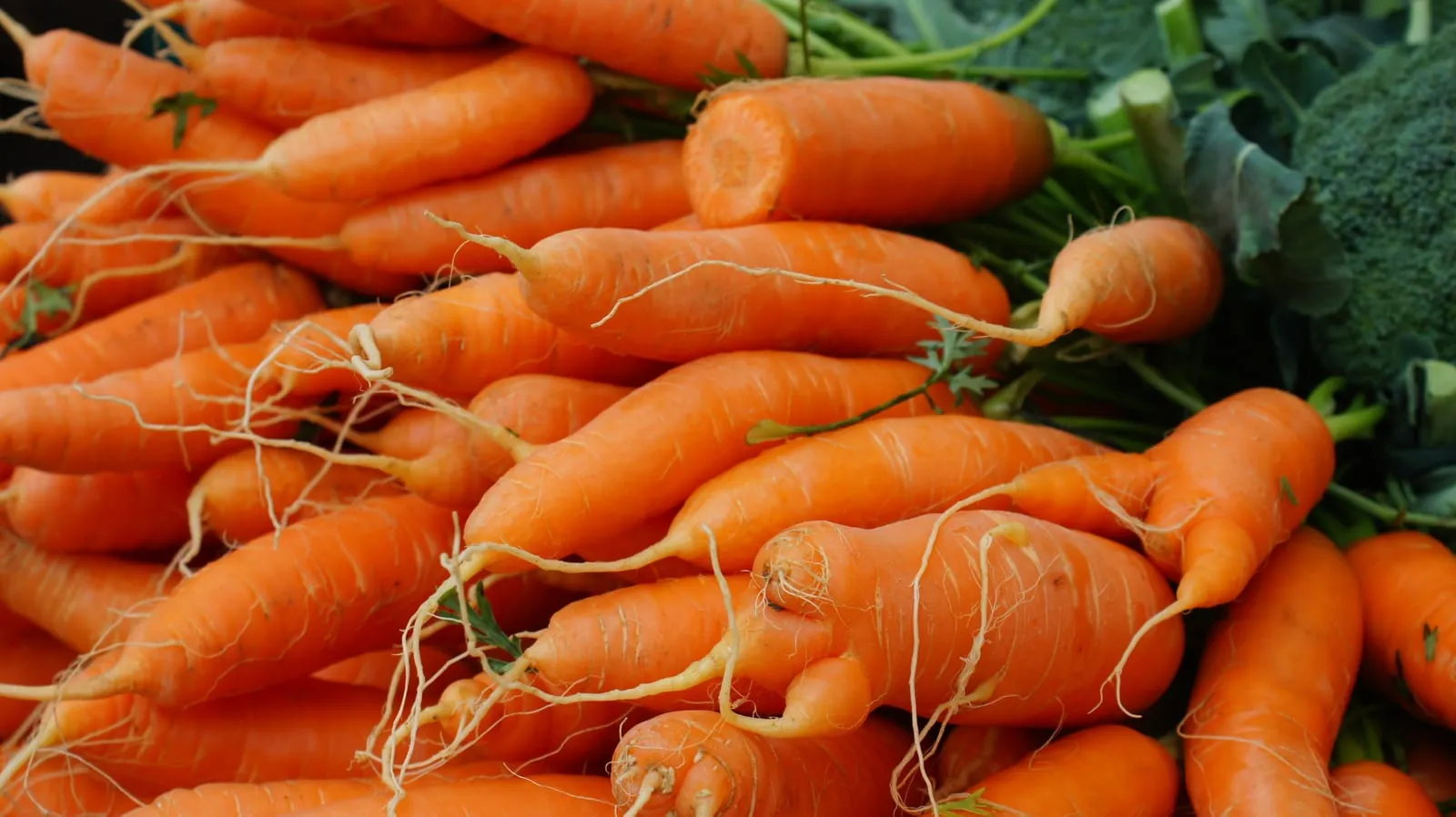
Image: "Carrots at Ljubljana Central Market", by domdomegg, via Wikimedia Commons, licensed under CC-BY Source.

Related