vegetable in zone 5a
Growing carrot in zone 5a
Daucus carota subsp. sativus
- Zone
- 5a -20°F to -15°F
- Growing season
- 150 days
- Suitable varieties
- 5
- Days to harvest
- 60 to 80
The verdict
Carrots are well-suited to zone 5a, and this is a genuine sweet spot rather than a marginal zone. As cool-season crops grown as annuals, carrots perform best when roots develop in soil temperatures between 60-70°F, conditions zone 5a delivers reliably across spring and fall. The 150-day growing season accommodates at least two successions: a spring planting that matures before peak summer heat and a fall planting that finishes into the first frosts.
Chill hours are not a relevant metric for carrots; that concept applies to perennial fruit crops with dormancy requirements. What matters is soil temperature at germination (minimum 45°F, optimal 55-75°F) and cool conditions during root development. All five listed varieties, including the Nantes and Danvers Half Long types, are well-documented performers in northern zones with short-to-moderate seasons. Chantenay Red Core and Danvers Half Long have additional value in zone 5a soils that tend toward clay or dense subsoil, as their shorter, broader roots are less prone to forking under those conditions.
Recommended varieties for zone 5a
5 cultivars suited to this zone, with disease-resistance and zone-fit annotations.
| Variety | Notes | Zone fit | Disease resistance |
|---|---|---|---|
| Nantes fits zone 5a | Sweet, crisp, very low bitterness; cylindrical orange roots with blunt tips. Fresh, juicing, salads, the snacking carrot standard. Heritage French variety, sweetens with frost. | | none noted |
| Danvers Half Long fits zone 5a | Sweet, slightly stronger flavor; tapered orange roots that handle heavier soil. Fresh, cooking, storage. Heritage 1870s American variety, the root-cellar standard. | | none noted |
| Chantenay Red Core fits zone 5a | Sweet, juicy, broad shoulders tapering to a stubby point; copes with shallow or rocky soil. Fresh, juicing, soups. Heritage stocky variety good for difficult soils. | | none noted |
| Cosmic Purple fits zone 5a | Sweet, mild, novelty deep purple skin with orange core; holds purple when cooked briefly. Fresh, salads. Anthocyanin-rich, ornamental, kid-friendly. | | none noted |
| Atomic Red fits zone 5a | Mild, slightly bitter raw, sweet when cooked; deep red roots that turn brighter with cooking. Roasting, soups. Lycopene-rich, novelty for color. | | none noted |
Critical timing for zone 5a
Spring sowing begins 3-4 weeks before last frost, typically late March through early April across most of zone 5a, once soil temperature reaches at least 45°F. Germination at lower temperatures is erratic and slow, and seeds are prone to rot if the soil stays cold and wet for extended periods. Most varieties reach harvest in 70-80 days from germination, placing the spring harvest window in late June to mid-July.
Carrots grown as annuals for food production do not bloom or set seed in their first season; flowering only occurs if roots overwinter and complete a second year. For a fall succession, sow in mid- to late-July. Roots will be ready for harvest in October and November. Light frosts in the 28-32°F range improve flavor noticeably by converting stored starches to sugars, making late-fall harvest the preferred timing for sweetness.
Common challenges in zone 5a
- ▸ Fire blight in pears
- ▸ Cedar-apple rust
- ▸ Late spring frosts
Modified care for zone 5a
Late spring frosts are a documented zone challenge, but direct-seeded carrots tolerate frost better than transplanted crops. Seedlings can survive temperatures down to approximately 28°F with minimal damage. In cold springs, row cover over newly emerged seedlings provides insurance against sharp late-frost events without requiring a timing change.
Soil preparation is more consequential in zone 5a than frost management. Compact or stony soils common in northern zones cause forked, stunted roots regardless of variety. Incorporating compost to a depth of 10-12 inches before sowing addresses the underlying problem; raised beds accomplish the same effect where ground preparation is difficult. Summer heat in zone 5a, while moderate, can push spring-sown carrots past peak quality if harvest is delayed. Checking root diameter beginning at 60 days is more reliable than waiting for the full stated days-to-maturity. For fall crops, mulching with 4-6 inches of straw after hard frost extends in-ground storage well into December without any quality loss.
Frequently asked questions
- Can carrots overwinter in zone 5a?
With heavy mulching, carrots left in the ground can survive into late fall and early winter in zone 5a, but prolonged exposure to temperatures below 20°F will damage or kill the roots. Consistent mulching with 6 inches or more of straw or leaves extends in-ground storage through November and into December in most zone 5a locations, but roots should be harvested before a sustained hard freeze.
- Which carrot varieties perform best in zone 5a?
Danvers Half Long and Chantenay Red Core handle heavier or rocky soils common in northern zones better than long slender types. Nantes varieties are reliable across most zone 5a soils where beds are well-prepared. Cosmic Purple and Atomic Red are viable options for fall crops, where their pigment development is enhanced by cool temperatures.
- Why are my zone 5a spring carrots forked or stubby?
Forked or malformed roots almost always point to soil obstacles, whether rocks, compaction, or hard subsoil layers, rather than variety or climate. Loosening soil to at least 10-12 inches before sowing and removing debris addresses the cause. Chantenay and Danvers types, bred for shorter roots, tolerate imperfect soils better than Imperator or long-nantes types.
+−
+−
+−
Carrot in adjacent zones
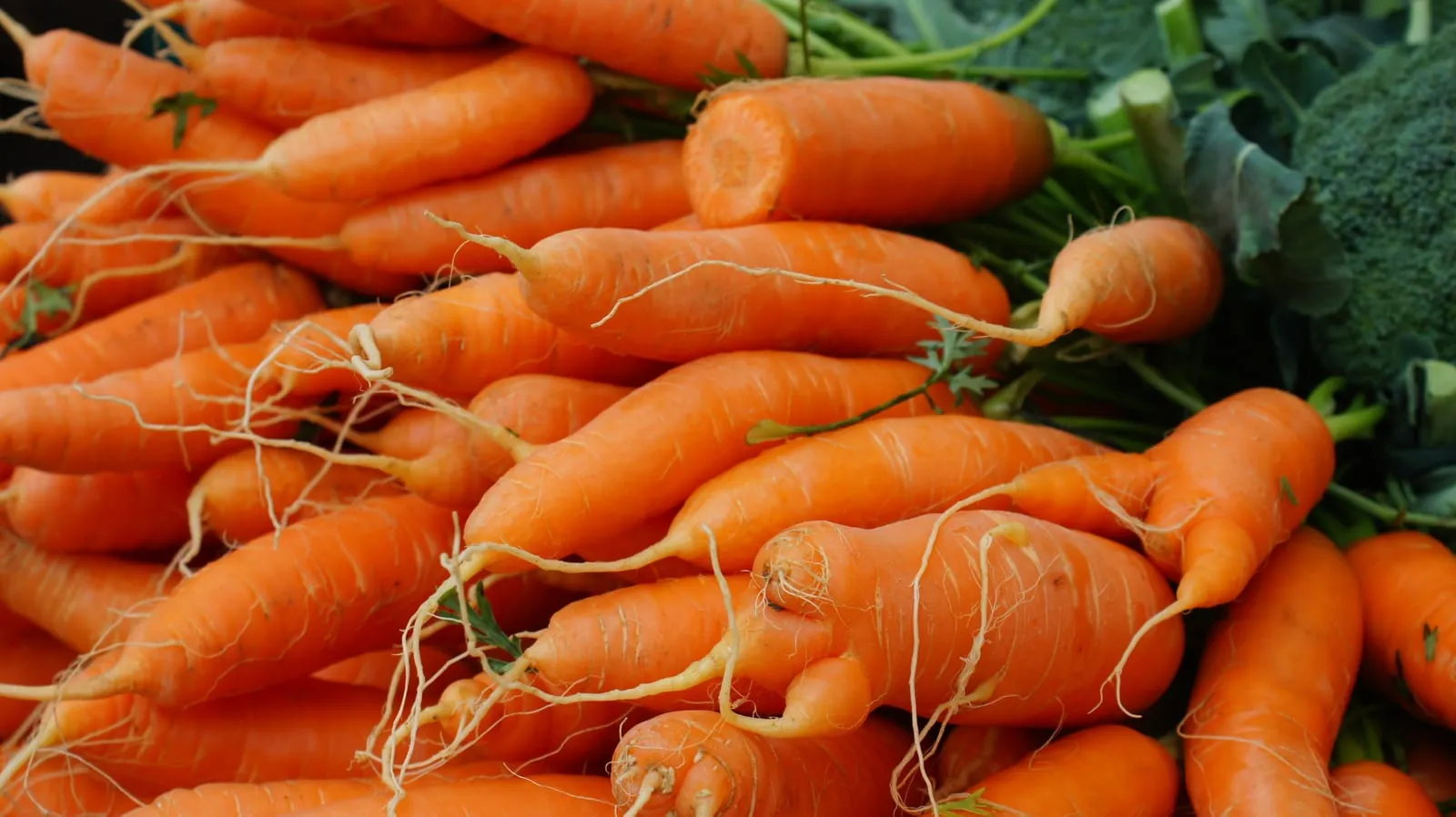
Image: "Carrots at Ljubljana Central Market", by domdomegg, via Wikimedia Commons, licensed under CC-BY Source.

Related