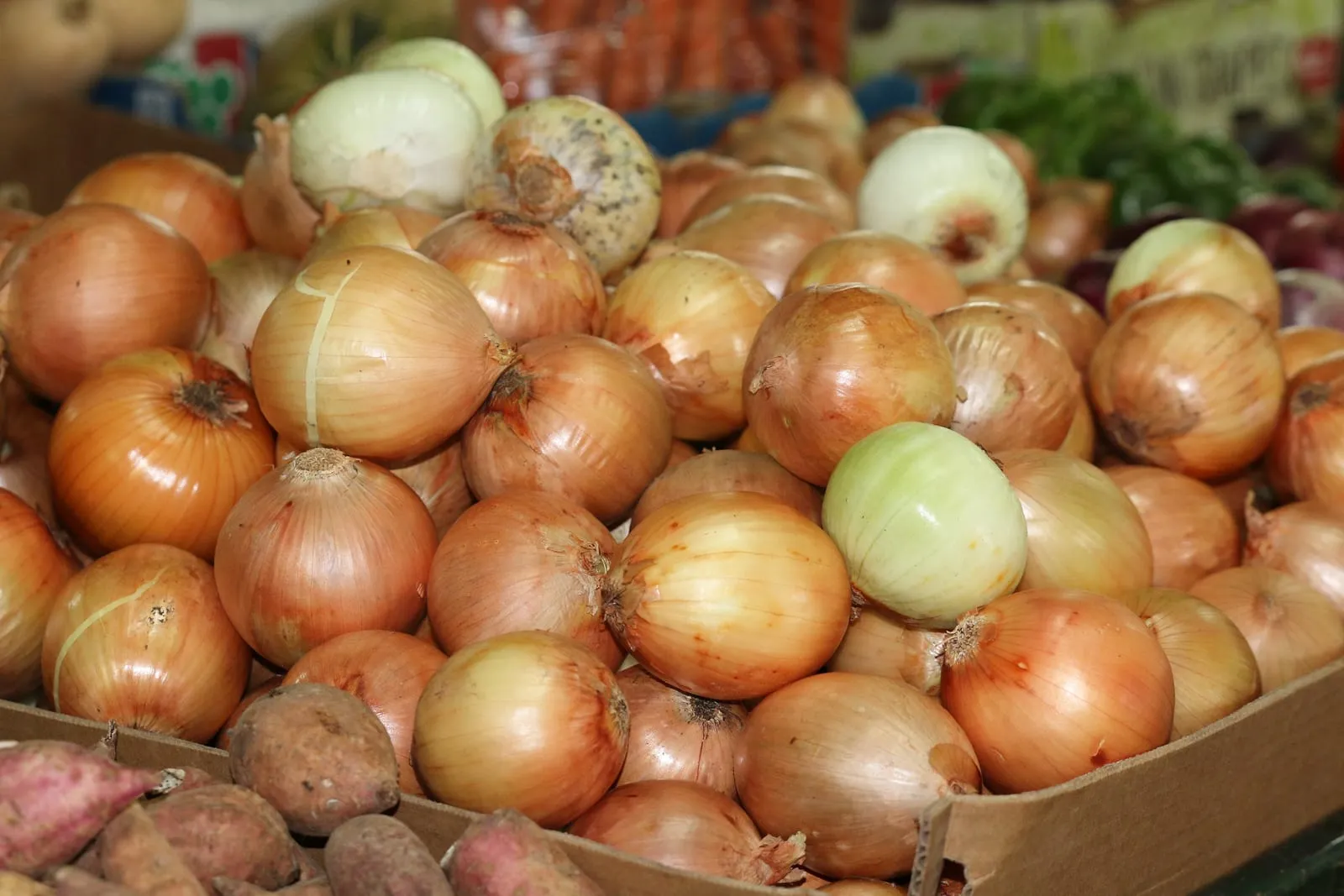
vegetable
Onion
Allium cepa
USDA hardiness range
- Zones
- 3a–9b
- Days to harvest
- 90 to 130
- Sun
- Full
- Water
- Moderate
- Lifespan
- biennial grown as annual
Growing onion
Onion (Allium cepa) grows across an unusually wide range of climates, from zone 3a through 9b, making it one of the most adaptable crops in the home garden. The challenge isn't climate tolerance; it's matching variety type to latitude. Onion bulb formation is triggered by day length, not temperature, and planting the wrong type for a given latitude is the single most common reason home growers get lush tops and no bulbs.
Long-day varieties require 14 to 16 hours of daylight to initiate bulbing and perform well in zones 3 through 6, where summer days are long. Intermediate varieties work in zones 5 through 7. Short-day varieties bulb at 10 to 12 hours and suit zones 7 through 9, where they are typically planted in fall for a late-spring harvest. Planting a long-day variety in zone 9 means waiting for a day length that never arrives before summer heat does.
Within that constraint, onions are forgiving. They tolerate light frost, handle moderate drought once established, and reward attentive soil preparation more than exotic inputs. Days to harvest range from 90 to 130, depending on variety and planting method. Transplants give a head start in shorter-season zones. Direct seeding works reliably in zones 6 and warmer. The Cornell Onion Production Guide remains the most practical reference for variety selection and timing by region.
Recommended varieties
See all 5 →5 cultivars for home growers, with notes on flavor, ripening, and disease resistance.
| Variety | Notes | Zone fit | Disease resistance |
|---|---|---|---|
| Walla Walla | Very sweet, juicy, mild; large flat-topped pale yellow onion. Fresh, salads, burgers, onion rings. Short-day storage minimal (2-3 months); eat early. Classic Pacific Northwest variety. | | none noted |
| Yellow Sweet Spanish | Mildly sweet, large globes, classic golden-skinned onion; the all-purpose home-garden onion. Cooking, slicing, storage 4-6 months. | | none noted |
| Red Burgundy | Sweet-mild, deep magenta rings; the classic red salad onion. Fresh, burgers, pickling, salsa. Stores 3-4 months when cured properly. | | none noted |
| Copra | Pungent, dense, dependable storage onion; small to medium yellow globes. Cooking, soups, sauteing. Stores 8-10 months, the longest-keeping yellow onion for the home garden. | | none noted |
| Vidalia (Yellow Granex) | Very sweet, juicy, mild; the famous Georgia sweet onion. Fresh, onion rings, salsa. Short-day variety only true to type in low-sulfur soil; storage minimal. | | none noted |
Soil and site requirements
Onions demand loose, well-drained soil above nearly everything else. Compacted or waterlogged ground leads to misshapen bulbs, shallow root systems, and elevated disease pressure, particularly from onion white rot. A raised bed or well-tilled loamy soil with a pH of 6.0 to 6.8 gives the best results. Avoid alkaline soils above pH 7.0, which reduce nutrient availability and slow growth noticeably.
Full sun is non-negotiable. Fewer than six hours of direct sun per day produces weak tops and undersized bulbs. Site selection matters more for onions than for many crops because there is no vertical canopy growth to compensate for a shaded location.
Spacing depends on target bulb size. For full-sized storage onions, plant transplants or sets 4 to 6 inches apart in rows 12 to 18 inches apart. Tighter spacing produces smaller bulbs and increases disease risk from poor airflow. Bunching varieties tolerate closer spacing without penalty.
Avoid low-lying spots where water pools after rain. Onion white rot, the primary fungal threat in most regions, persists in soil for 20 or more years and thrives in cool, moist conditions. A site with a slight grade, good drainage, and a history of non-Allium crops reduces inoculum pressure significantly.
Common diseases
Common pests
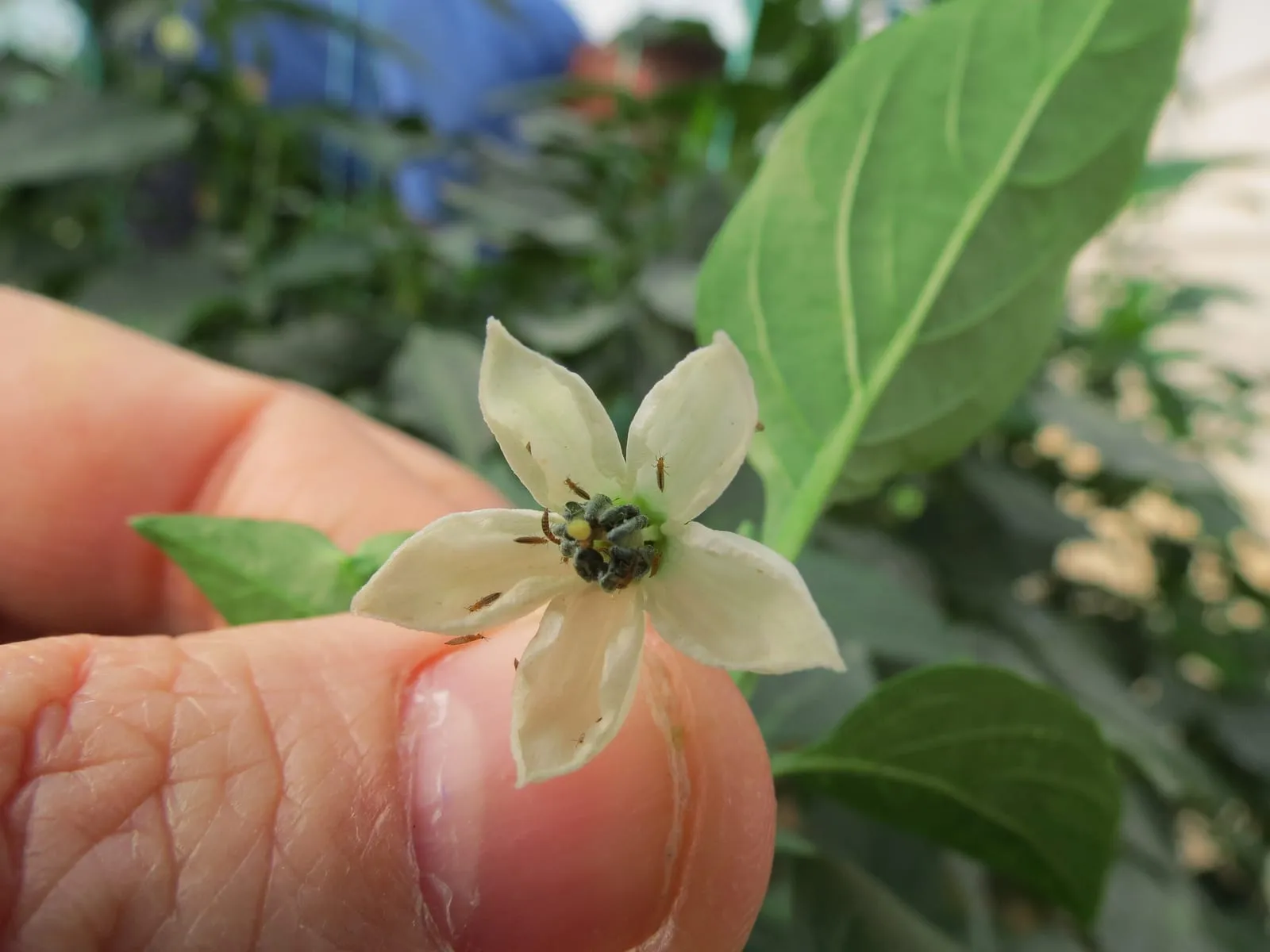
Thrips tabaci
Tiny slender insects that rasp leaf surfaces and suck plant juices. Most damaging on onion and garlic where they reduce bulb size and transmit Iris yellow spot virus.

Delia antiqua
Fly whose larvae tunnel into onion bulbs and roots, causing rot and stunted plants. Three generations per year in most US zones.
Common challenges
Day-length mismatch. Most onion failures trace back to planting the wrong variety type for the grower's latitude. Long-day varieties planted in zone 8 or 9 will not form bulbs before summer heat arrives; short-day varieties planted in zone 5 will bulb prematurely at small size. Confirm whether a variety is long-day, intermediate, or short-day before purchasing, and match it against the planting location.
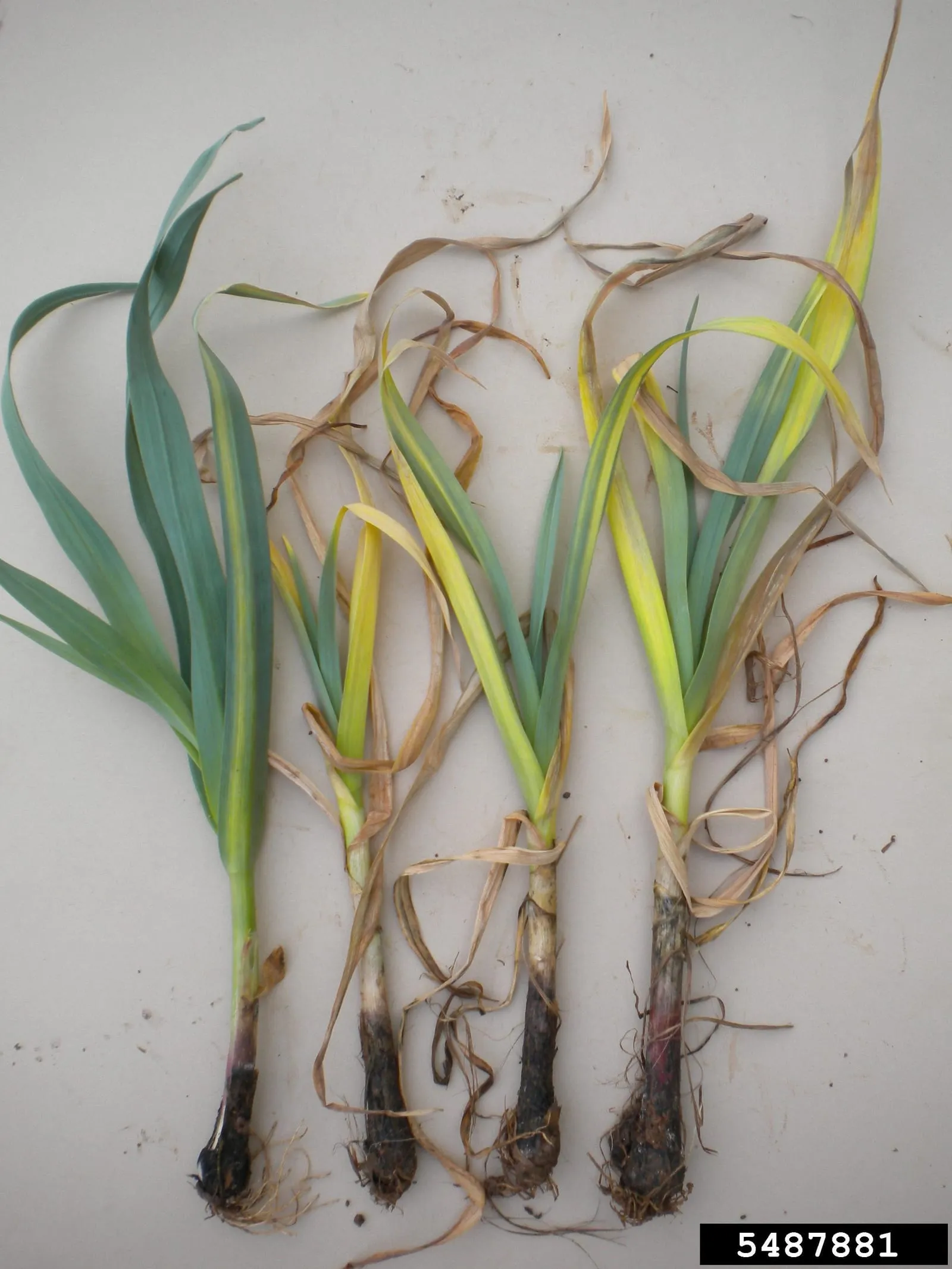
**Onion white rot (Sclerotium cepivorum).** This soil-borne fungal pathogen is the most serious disease threat in most parts of the country. It produces white mycelial growth at the bulb base and small black sclerotia that persist in soil for 20 years or more. Once established, there is no chemical remedy available to home growers. Prevention is the only practical strategy: avoid introducing contaminated transplants or soil, practice three-to-four year rotations away from all Allium species (onions, garlic, leeks), and remove and bag any symptomatic plants immediately rather than composting them.
Thrips and maggots. Onion thrips cause silvery streaking on leaves and, in heavy infestations, stall bulb development. They are most damaging during dry, hot spells; reflective mulch and insecticidal soap at early signs of feeding help limit damage. Onion maggot is a secondary but serious pest in northern zones. Row covers installed at planting are the most reliable way to prevent egg-laying.
Companion plants
Frequently asked questions
- Do onions have chill-hour requirements?
Onions don't have chill-hour requirements in the way that fruit trees do. Bulb formation is triggered by day length (photoperiod), not a chilling period. The critical variable is whether the variety is long-day, intermediate, or short-day, and whether that matches the planting location's latitude and growing season.
- How long do onions take to reach harvest?
From transplant, onions typically take 90 to 130 days to harvest depending on variety. Direct-seeded crops run longer. Starting transplants indoors or purchasing sets shortens the effective season and is the standard approach in zones 5 and colder, where direct seeding leaves too little margin before fall.
- What USDA zones can grow onions?
Onions grow in zones 3a through 9b. The constraint isn't winter hardiness but variety selection: long-day types for zones 3 through 6, intermediate types for zones 5 through 7, and short-day types for zones 7 through 9. Planting timing and variety type matter more than zone designation alone.
- Are onions self-fertile, or do they need pollinators to form bulbs?
Onions grown for bulb harvest don't require pollination at all. Bulbs form vegetatively in response to day length. Onions grown for seed are self-fertile but benefit from insect visitation for higher seed set. For typical kitchen garden production, pollinators play no role in the outcome.
- What is onion white rot and how do I prevent it?
Onion white rot (Sclerotium cepivorum) is a soil-borne fungal disease that kills plants by rotting the bulb base, often before harvest. Its sclerotia survive in soil for 20 or more years. Prevention depends on rotating all Allium crops on a minimum three-year cycle, sourcing clean transplants, and removing symptomatic plants promptly rather than leaving them in the bed.
- What is the difference between short-day and long-day onion varieties?
Day length determines when an onion plant stops producing tops and begins forming a bulb. Long-day varieties require 14 to 16 hours of daylight and suit zones 3 through 6. Short-day varieties bulb at 10 to 12 hours and suit zones 7 through 9. Planting the wrong type for a given latitude typically produces foliage with no usable bulb.
- When should onions be planted?
In zones 3 through 5, transplants or sets go in four to six weeks before the last expected frost date. In zones 6 through 7, early spring planting works for both transplants and direct seed. In zones 8 through 9, short-day varieties are planted in fall for a late-spring harvest. Onions tolerate light frost and benefit from a cool early growing period before bulbing begins.
+−
+−
+−
+−
+−
+−
+−
Sources
Image: "Zwiebeln auf Antigua", by CHK46, via Wikimedia Commons, licensed under CC-BY. Source.

Onion by zone
Related