vegetable in zone 6a
Growing onion in zone 6a
Allium cepa
- Zone
- 6a -10°F to -5°F
- Growing season
- 180 days
- Suitable varieties
- 4
- Days to harvest
- 90 to 130
The verdict
Onions perform reliably in zone 6a. Unlike tree fruits, onions have no chill-hour requirement in the horticultural sense. What matters for onion success is day-length sensitivity matched to latitude. Zone 6a sits in the northern tier where summer days exceed 14 hours, making it squarely in long-day onion territory. All four varieties in the compatible list, Walla Walla, Yellow Sweet Spanish, Red Burgundy, and Copra, are long-day types bred for this latitude range. Short-day or intermediate varieties planted here will bulb up prematurely in spring without reaching full size.
The 180-day growing season is more than adequate. Onions need roughly 100 to 120 days from transplant to harvest, leaving comfortable margins on both ends. Zone 6a is not marginal for onions; it is a productive zone for the crop when variety selection is handled correctly.
Recommended varieties for zone 6a
4 cultivars suited to this zone, with disease-resistance and zone-fit annotations.
| Variety | Notes | Zone fit | Disease resistance |
|---|---|---|---|
| Walla Walla fits zone 6a | Very sweet, juicy, mild; large flat-topped pale yellow onion. Fresh, salads, burgers, onion rings. Short-day storage minimal (2-3 months); eat early. Classic Pacific Northwest variety. | | none noted |
| Yellow Sweet Spanish fits zone 6a | Mildly sweet, large globes, classic golden-skinned onion; the all-purpose home-garden onion. Cooking, slicing, storage 4-6 months. | | none noted |
| Red Burgundy fits zone 6a | Sweet-mild, deep magenta rings; the classic red salad onion. Fresh, burgers, pickling, salsa. Stores 3-4 months when cured properly. | | none noted |
| Copra fits zone 6a | Pungent, dense, dependable storage onion; small to medium yellow globes. Cooking, soups, sauteing. Stores 8-10 months, the longest-keeping yellow onion for the home garden. | | none noted |
Critical timing for zone 6a
In zone 6a, onion seedlings are typically transplanted outdoors from late March through mid-April, targeting a date two to four weeks before the average last frost. Onion transplants tolerate light frost down to the mid-20s°F, so an early start is practical and actually beneficial for bulb development.
Bulbing is triggered by day length rather than calendar date, typically beginning in late May to June as days push past 14 hours. Harvest follows when tops soften and fall over, generally mid-July through August depending on planting date. For seed-started onions, count back 10 to 12 weeks from the outdoor transplant date to set the indoor start date, which puts seed sowing in January or early February.
Common challenges in zone 6a
- ▸ Brown rot in stone fruit
- ▸ Japanese beetles
- ▸ Spring frost damage to peach buds
Disease pressure to watch for
Modified care for zone 6a
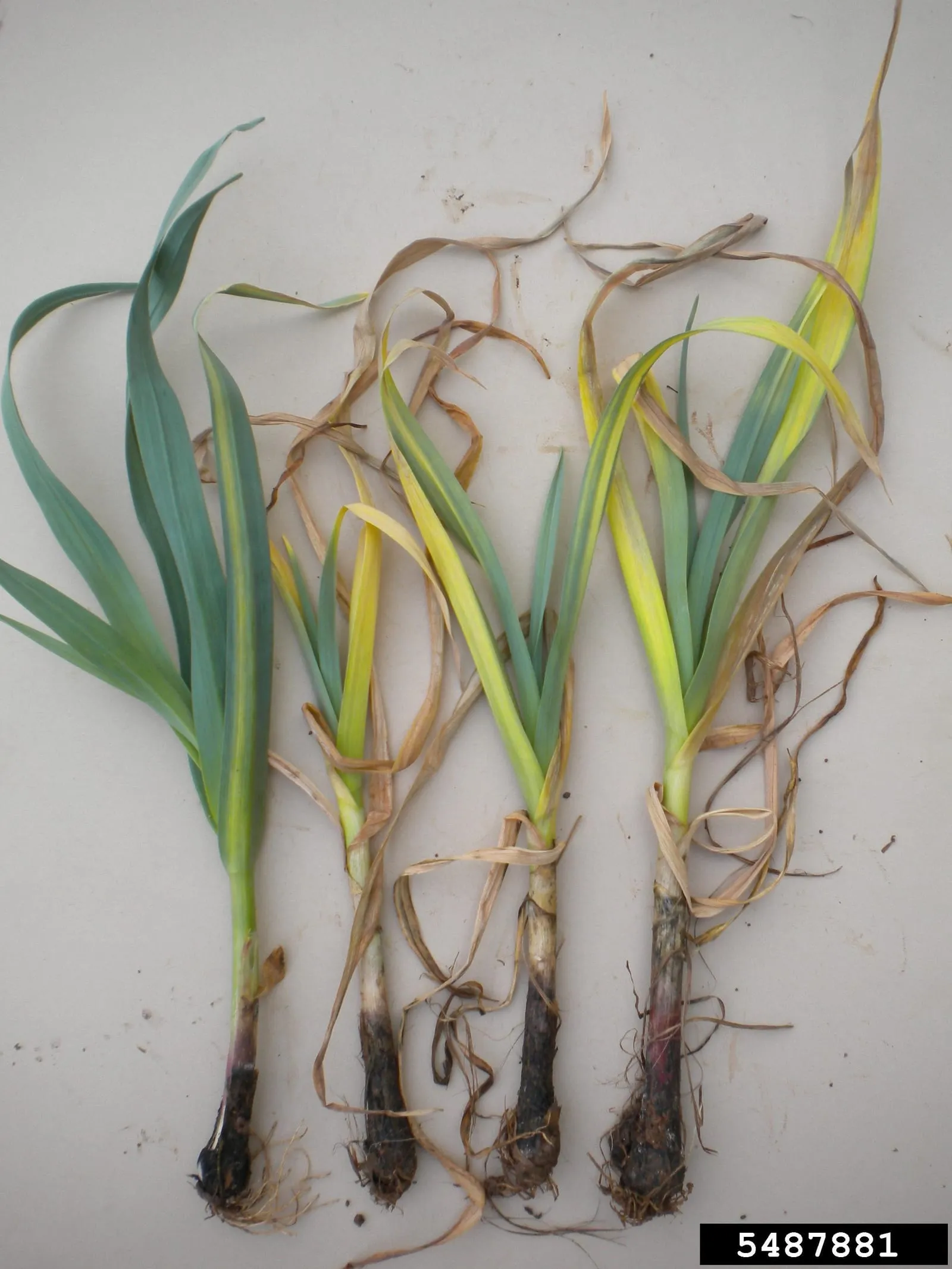
The primary disease risk in zone 6a onion beds is Onion White Rot (Sclerotium cepivorum). This soilborne fungus is most active in cool, moist spring conditions, exactly the conditions that prevail during early bulb development in this zone. Avoid planting onions in any bed with a confirmed white rot history; the sclerotia persist in soil for 20 or more years. Rotate alliums on a minimum four-year cycle.
Winter moisture management matters if growing overwintered onion sets. Raised or well-drained beds reduce the saturated-soil conditions that favor both white rot and basal rot. In particularly cold winters, zone 6a can see temperatures near -10°F; sets planted in fall benefit from a light straw mulch applied after the ground firms in November. Remove the mulch early in spring to prevent fungal pressure beneath it.
Frequently asked questions
- Can I grow Walla Walla onions in zone 6a?
Yes. Walla Walla is a long-day variety suited to northern latitudes, including zone 6a. It produces large, mild bulbs but has relatively poor storage life compared to varieties like Copra. Plan to use Walla Walla fresh within a few weeks of harvest.
- Should I start onions from seed, sets, or transplants in zone 6a?
All three work, but seed-started transplants give the widest variety selection and typically produce larger bulbs than sets. Sets offer convenience and skip the indoor seed-starting step. Transplants purchased from a nursery are a middle option. Sets planted too late in spring often bolt in the heat before bulbing fully.
- What causes onion white rot and how do I prevent it?
Onion White Rot is caused by Sclerotium cepivorum, a soilborne fungus that attacks roots and bulb bases in cool, wet conditions. Prevention relies on crop rotation (four or more years between allium crops in the same bed) and avoiding introduction of contaminated soil or transplants. There are no curative treatments once a bed is infected.
+−
+−
+−
Onion in adjacent zones
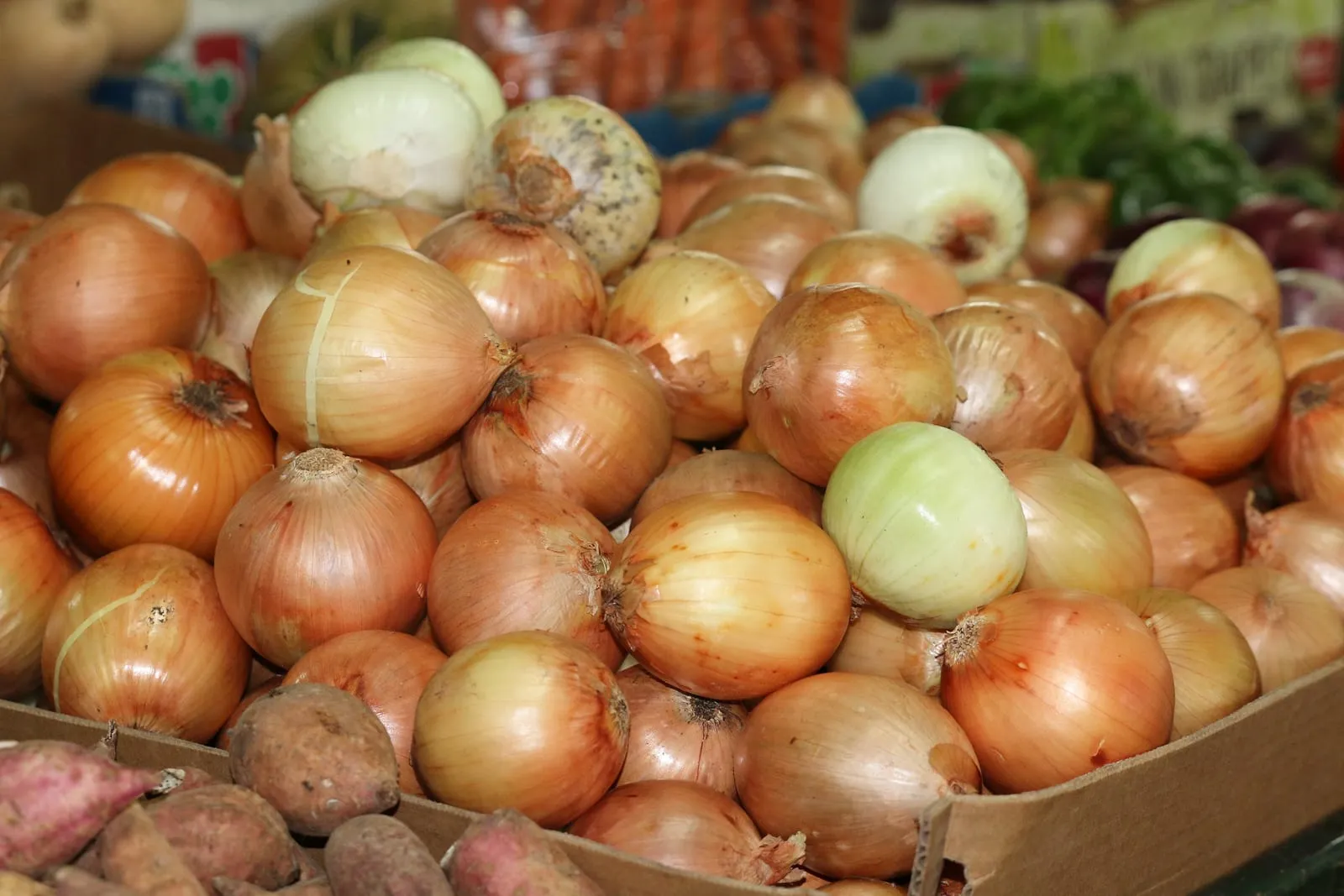
Image: "Zwiebeln auf Antigua", by CHK46, via Wikimedia Commons, licensed under CC-BY Source.

Related