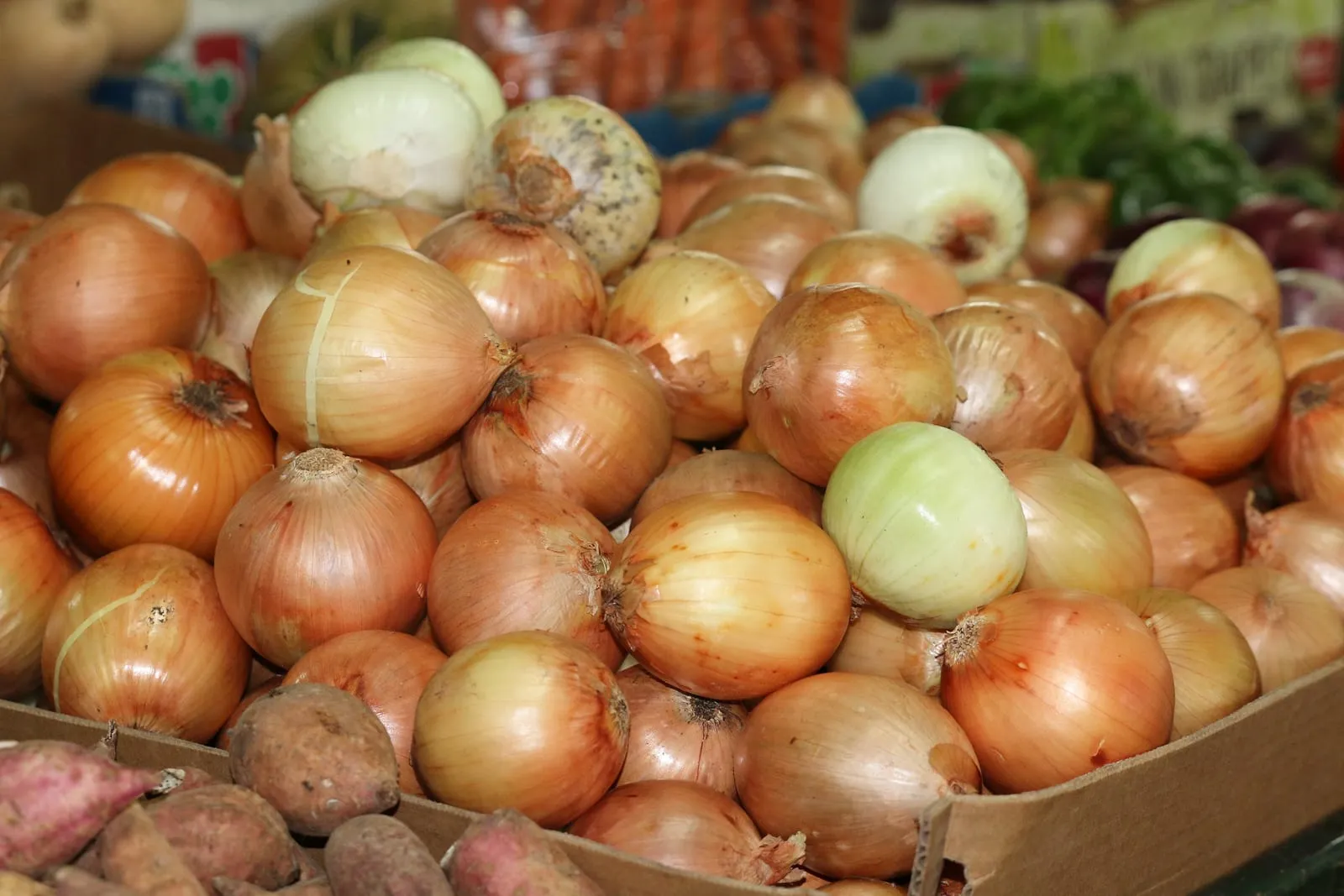
vegetable in zone 6b
Growing onion in zone 6b
Allium cepa
- Zone
- 6b -5°F to 0°F
- Growing season
- 190 days
- Suitable varieties
- 4
- Days to harvest
- 90 to 130
The verdict
Zone 6b, with minimum winter temperatures between -5°F and 0°F and a 190-day growing season, is a reliable match for onion production. Unlike fruit trees, onions carry no chill-hour requirement; the more relevant factor is latitude and day length. Zone 6b spans roughly 37°N to 42°N, which places most growers firmly in long-day onion territory, where bulb formation triggers once daylight exceeds 14 hours. Long-day varieties like Copra, Yellow Sweet Spanish, and Walla Walla are well-suited here. Red Burgundy behaves as an intermediate-day type but adapts acceptably across the zone. This is not a marginal situation for onions. The 190-day season comfortably accommodates the full bulbing cycle, and the zone's cold winters pose no real risk to properly timed spring plantings. Growers in the southern end of zone 6b, where latitude drops lower, should confirm their specific location still falls within long-day range before locking in variety selection.
Recommended varieties for zone 6b
4 cultivars suited to this zone, with disease-resistance and zone-fit annotations.
| Variety | Notes | Zone fit | Disease resistance |
|---|---|---|---|
| Walla Walla fits zone 6b | Very sweet, juicy, mild; large flat-topped pale yellow onion. Fresh, salads, burgers, onion rings. Short-day storage minimal (2-3 months); eat early. Classic Pacific Northwest variety. | | none noted |
| Yellow Sweet Spanish fits zone 6b | Mildly sweet, large globes, classic golden-skinned onion; the all-purpose home-garden onion. Cooking, slicing, storage 4-6 months. | | none noted |
| Red Burgundy fits zone 6b | Sweet-mild, deep magenta rings; the classic red salad onion. Fresh, burgers, pickling, salsa. Stores 3-4 months when cured properly. | | none noted |
| Copra fits zone 6b | Pungent, dense, dependable storage onion; small to medium yellow globes. Cooking, soups, sauteing. Stores 8-10 months, the longest-keeping yellow onion for the home garden. | | none noted |
Critical timing for zone 6b
Sets or transplants go into the ground as soon as the soil can be worked, typically late March through mid-April in zone 6b. For seed-grown transplants, starting indoors 10 to 12 weeks before the last frost date gives seedlings enough size to establish quickly once soil temperatures climb. Bulb formation accelerates once day length crosses the 14-hour mark, usually in June at these latitudes. Tops begin falling naturally in July and August, signaling that harvest is near; waiting until 50 to 75 percent of tops have fallen gives bulbs the best chance of reaching full size. Zone 6b's 190-day season provides more room than onions actually need, so season length is rarely a limiting factor. The more common constraint is late-summer heat compressing the curing window before the first fall frost.
Common challenges in zone 6b
- ▸ Cedar-apple rust
- ▸ Fire blight
- ▸ Stink bugs
Disease pressure to watch for
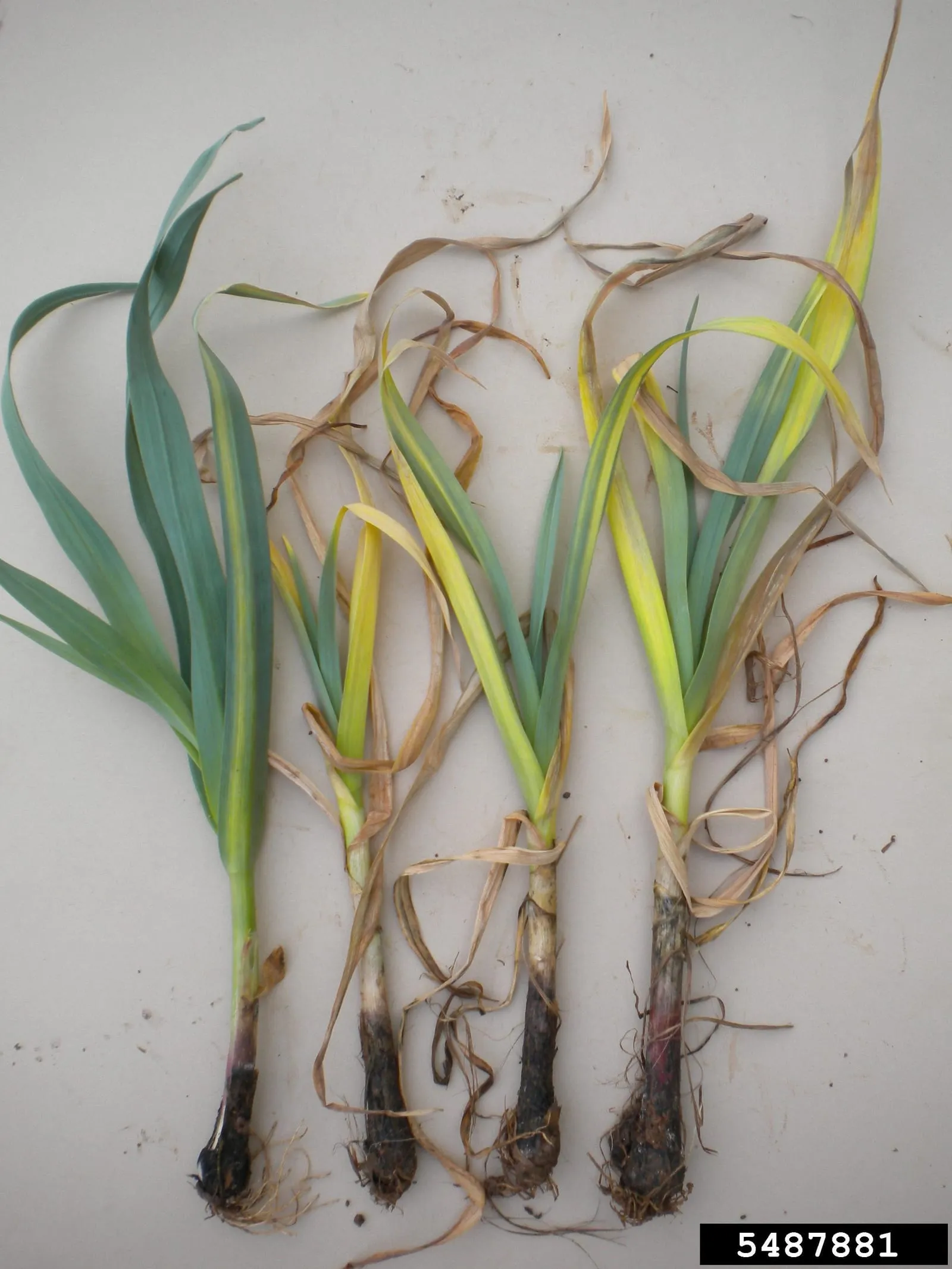
Modified care for zone 6b
The primary disease concern in zone 6b is Onion White Rot (Sclerotium cepivorum), a soilborne fungus that thrives in the cool, moist spring conditions common across this zone. Sclerotia persist in soil for 20 or more years once established, making prevention through strict crop rotation far more effective than any reactive treatment. Rotating alliums to a different bed on a 3 to 4 year cycle is the practical standard. Stink bug pressure, which the zone lists as a regional challenge, rises in late summer and coincides with bulb fill; floating row covers provide meaningful protection when populations are high. Among the compatible varieties, Walla Walla offers excellent flavor but poor storage duration. Growers intending to hold onions through fall and winter should emphasize Copra, which stores well, and ensure bulbs are fully cured in dry conditions with adequate airflow before moving them to long-term storage.
Frequently asked questions
- Are long-day onion varieties the right choice for zone 6b?
Yes. Zone 6b falls within the latitude range where long-day varieties, which require 14 or more hours of daylight to form bulbs, perform consistently. Varieties like Copra, Yellow Sweet Spanish, and Walla Walla are appropriate. Growers at the southern edge of the zone should verify their latitude before assuming long-day types will perform as expected.
- When should onion sets or transplants go in the ground in zone 6b?
Late March to mid-April is the typical target, once the soil is workable. Onions tolerate light frost, so planting before the last frost date is generally fine. Earlier planting gives bulbs more time to size up before summer heat sets in.
- How serious is Onion White Rot in zone 6b?
It can be severe. Cool, wet springs favor the pathogen, and sclerotia persist in soil for decades after an initial outbreak. The only reliable management strategy is prevention through crop rotation, keeping alliums out of any affected bed for at least 3 to 4 years.
- Which of the compatible varieties stores best through winter?
Copra is the storage standout among zone 6b-compatible varieties. Walla Walla and Yellow Sweet Spanish are sweeter but have significantly shorter shelf lives. Red Burgundy falls somewhere in between, depending on curing conditions.
+−
+−
+−
+−
Onion in adjacent zones
Image: "Zwiebeln auf Antigua", by CHK46, via Wikimedia Commons, licensed under CC-BY Source.

Related