vegetable in zone 7a
Growing onion in zone 7a
Allium cepa
- Zone
- 7a 0°F to 5°F
- Growing season
- 210 days
- Suitable varieties
- 3
- Days to harvest
- 90 to 130
The verdict
Onion grows reliably in zone 7a, and the 210-day growing season comfortably accommodates the full production cycle for all three listed varieties. The critical variable is not chill hours (onions are biennial vegetables, not chill-hour crops) but day-length sensitivity. Long-day types like Yellow Sweet Spanish and Walla Walla bulb when daylight exceeds 14 to 16 hours, which aligns with zone 7a's late-spring to early-summer window but may produce somewhat smaller bulbs than the same varieties grown farther north. Red Burgundy, a short-day variety that initiates bulbing at 10 to 12 hours of daylight, is the most consistent performer for the zone and typically delivers a full harvest before summer heat peaks. Zone 7a's minimum winter temperatures of 0 to 5°F can stress overwintering transplants during sharp cold snaps, but mulched sets and well-hardened transplants generally come through without significant loss. The zone sits in a workable middle ground: not too cold to reliably overwinter, not so warm that bulbing is rushed.
Recommended varieties for zone 7a
3 cultivars suited to this zone, with disease-resistance and zone-fit annotations.
| Variety | Notes | Zone fit | Disease resistance |
|---|---|---|---|
| Walla Walla fits zone 7a | Very sweet, juicy, mild; large flat-topped pale yellow onion. Fresh, salads, burgers, onion rings. Short-day storage minimal (2-3 months); eat early. Classic Pacific Northwest variety. | | none noted |
| Yellow Sweet Spanish fits zone 7a | Mildly sweet, large globes, classic golden-skinned onion; the all-purpose home-garden onion. Cooking, slicing, storage 4-6 months. | | none noted |
| Red Burgundy fits zone 7a | Sweet-mild, deep magenta rings; the classic red salad onion. Fresh, burgers, pickling, salsa. Stores 3-4 months when cured properly. | | none noted |
Critical timing for zone 7a
For spring production, transplants go into the ground from late February through mid-March, before the average last frost in zone 7a (typically late March to early April). Onions tolerate light frost well once established, so early planting is not a significant risk. Growers starting from seed should sow indoors 8 to 10 weeks before transplant date, placing germination in early to mid-January. As day length passes each variety's bulbing threshold in late May and June, leaf production slows and energy shifts to the bulb. Harvest for most varieties falls between late June and mid-July. Fall planting is also viable: setting out onion sets in October allows overwintering, with harvest of small green onions or modest bulbs the following spring. Zone 7a's frost timing provides a 4 to 6 week fall planting window before hard freezes arrive.
Common challenges in zone 7a
- ▸ Cedar-apple rust
- ▸ Brown rot
- ▸ Fire blight
- ▸ High humidity disease pressure
Disease pressure to watch for
Modified care for zone 7a
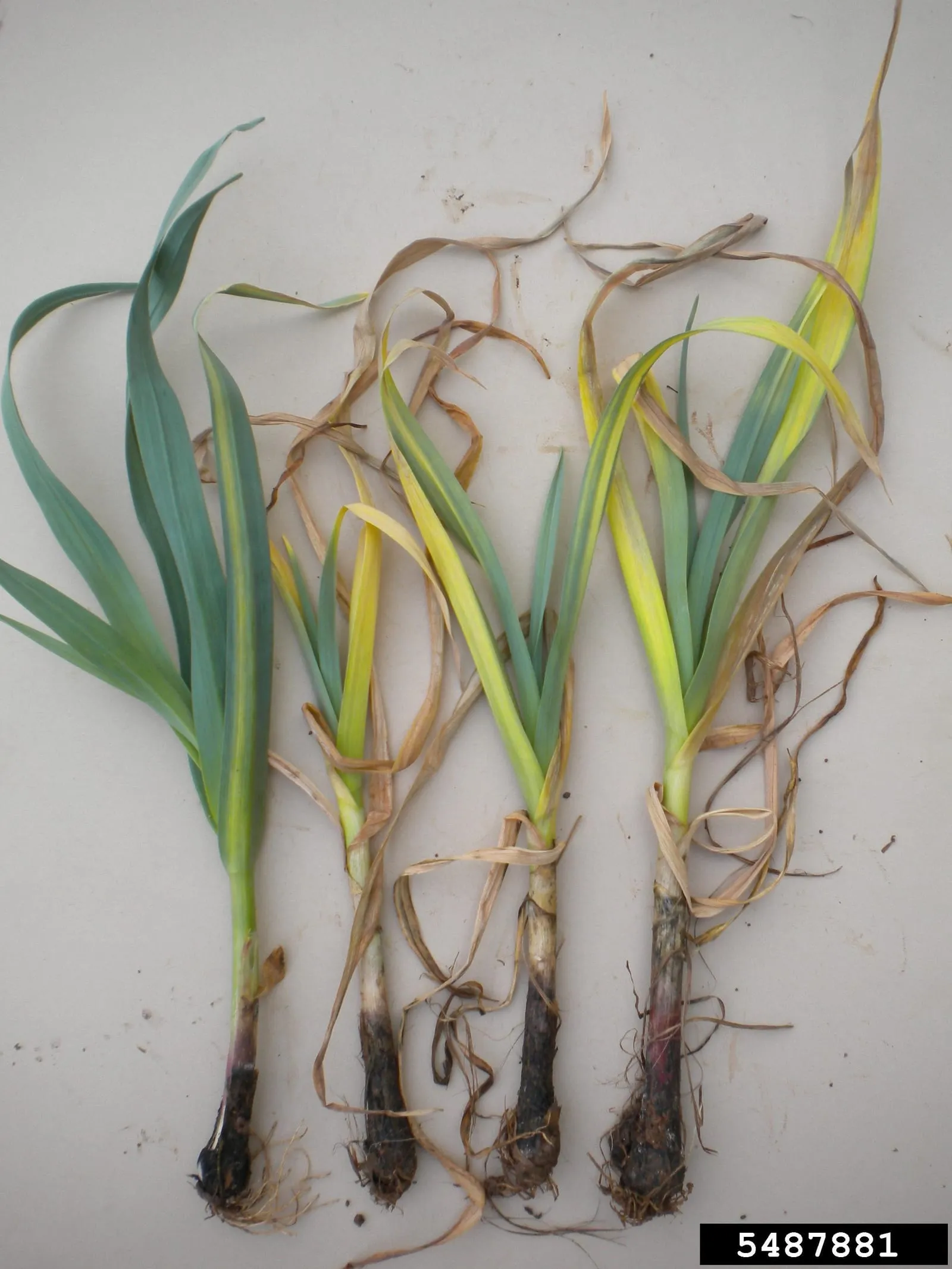
The most significant zone-specific concern for onions in zone 7a is onion white rot (Sclerotium cepivorum), a soil-borne fungal pathogen that produces highly persistent sclerotia capable of surviving in soil for 20 or more years. Once it establishes in a planting bed, recurrence is nearly certain. The only reliable management approach is strict rotation: at least 8 years between allium crops in any affected area. Infected bulbs should be removed and discarded, not composted, and soil should not be moved between affected and unaffected beds. Zone 7a's broader high-humidity disease pressure also promotes botrytis leaf blight and downy mildew during periods of overcast, wet weather in spring. Spacing transplants at 4 to 6 inches and orienting rows to take advantage of prevailing airflow reduces foliar disease incidence. Mulch is useful for moisture retention and weed suppression, but should be kept away from developing bulb shoulders to avoid creating the damp microclimate that accelerates soft rot near harvest.
Onion in adjacent zones
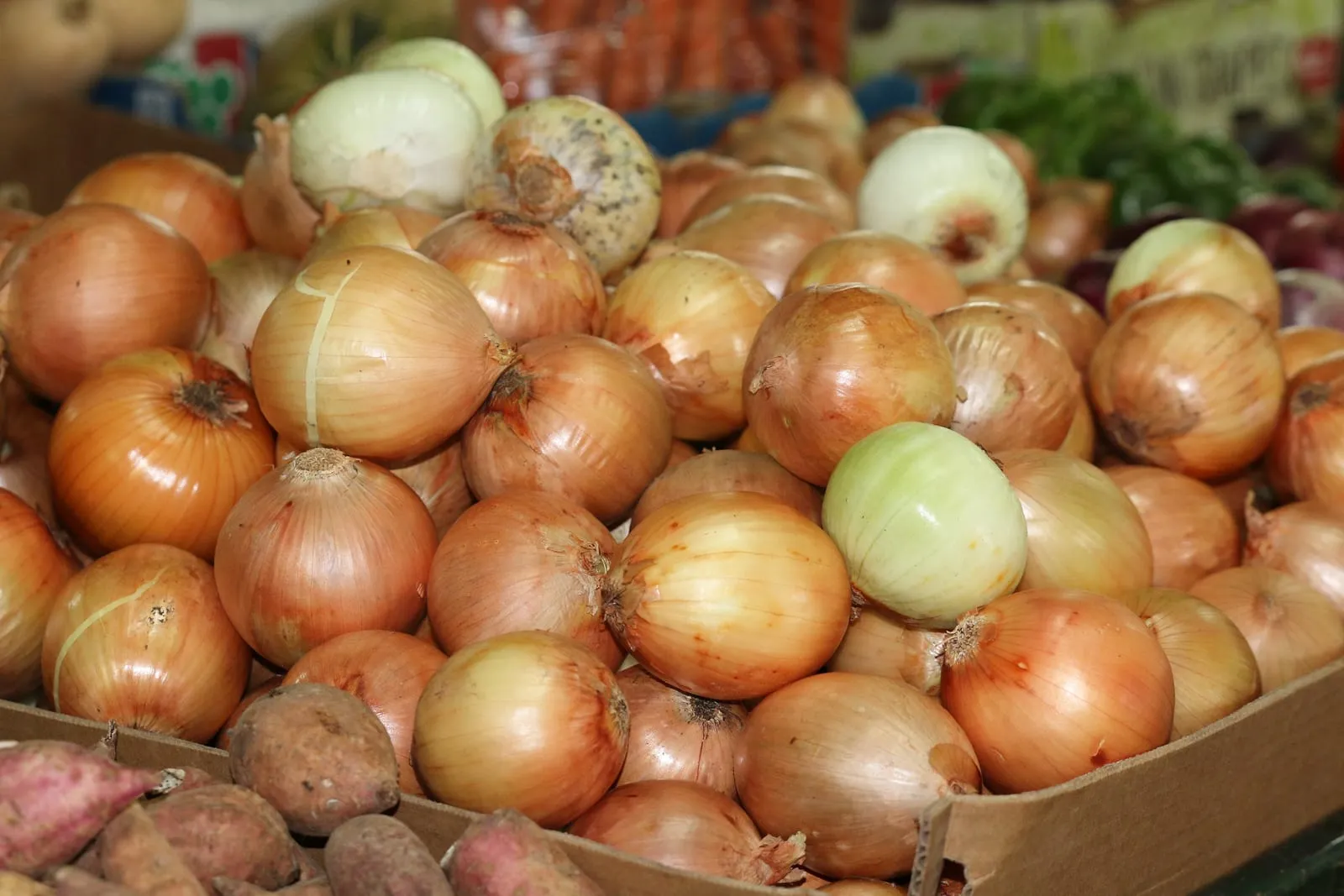
Image: "Zwiebeln auf Antigua", by CHK46, via Wikimedia Commons, licensed under CC-BY Source.

Related