vegetable
Kale
Brassica oleracea var. acephala
USDA hardiness range
- Zones
- 3a–9b
- Days to harvest
- 50 to 75
- Sun
- Full
- Water
- Moderate
- Lifespan
- biennial grown as annual
Growing kale
Kale grows across a remarkably wide hardiness range, from zone 3a through 9b, making it viable in most of the continental United States. It is a cool-season crop: transplants and direct-seeded plants grow fastest and taste best when daytime highs run between 55°F and 75°F. In zones 8 and 9, kale is planted as a fall or winter crop rather than a spring one, since summer heat turns leaves tough and bitter and shortens the productive window significantly.
What separates a productive kale planting from a mediocre one is usually timing and pest management. Kale started too late in spring misses the cool window before summer heat arrives; kale planted in late summer or early fall in zones 6 through 9 often yields through December or beyond. The flavor benefit of frost is real: Lacinato and Curly Vates in particular accumulate sugars as temperatures drop, and leaves harvested after the first hard freeze are markedly sweeter than those taken in October.
In zones 3 and 4, kale is a reliable summer crop where most brassicas struggle with heat. In zone 9b, it performs best as a winter annual and often declines by February as temperatures rise and day length triggers bolting. Days to harvest range from 50 days for young leaf harvests to 75 days for full plant maturity, depending on variety and growing temperatures.
Recommended varieties
See all 4 →4 cultivars for home growers, with notes on flavor, ripening, and disease resistance.
| Variety | Notes | Zone fit | Disease resistance |
|---|---|---|---|
| Lacinato | Earthy, sweet after frost, tender enough for salads; long blue-green dimpled strap leaves. Italian Tuscan classic, salads, soups, kale chips. Most cold-tolerant, sweetens with frost. | | none noted |
| Red Russian | Mild, tender, red-purple veins on flat oak-leaf shape; the most salad-friendly kale. Salads, sauteing, smoothies. Hardy, productive, beautiful in mixed beds. | | none noted |
| Curly Vates | Strong, slightly bitter, the classic curly-leaf kale; deep frilled leaves. Soups, smoothies, kale chips, sautes. Very cold-hardy, holds through hard freezes. | | none noted |
| Redbor | Mild, sweet, deep purple-red curly leaves that intensify in color with cold. Salads, ornamental edible plantings. Hardy, ornamental, slow to bolt. | | none noted |
Soil and site requirements
Kale does best in moderately fertile, well-drained soil with a pH between 6.0 and 7.0. Slightly alkaline conditions, near 6.5 to 7.0, help suppress clubroot, a soil-borne pathogen that causes root deformations and can persist in acidic soils for decades. A soil pH test before planting is worthwhile, especially if the bed has grown brassicas before.
Full sun is the baseline requirement, though in zones 8 and 9 where fall planting runs into warming spring days, some afternoon shade can slow bolting and extend the harvest window. In cooler zones, shadier spots reduce yield without meaningful benefit.
Kale tolerates moderate fertility and does not need heavy nitrogen inputs early in the season; lush early growth attracts aphids. A balanced amendment at planting, such as aged compost worked into the top 6 inches, is usually sufficient. Side-dress with nitrogen about six weeks after transplanting if leaves are pale or growth has slowed.
Spacing of 18 to 24 inches between plants allows adequate air circulation, which matters for downy mildew management in humid climates. Closer spacing produces smaller plants with denser canopies that hold moisture against leaves. Avoid planting where any brassica crop, including cabbage, broccoli, or radishes, grew in the previous three to four years if clubroot has been a problem in that bed.
Common diseases
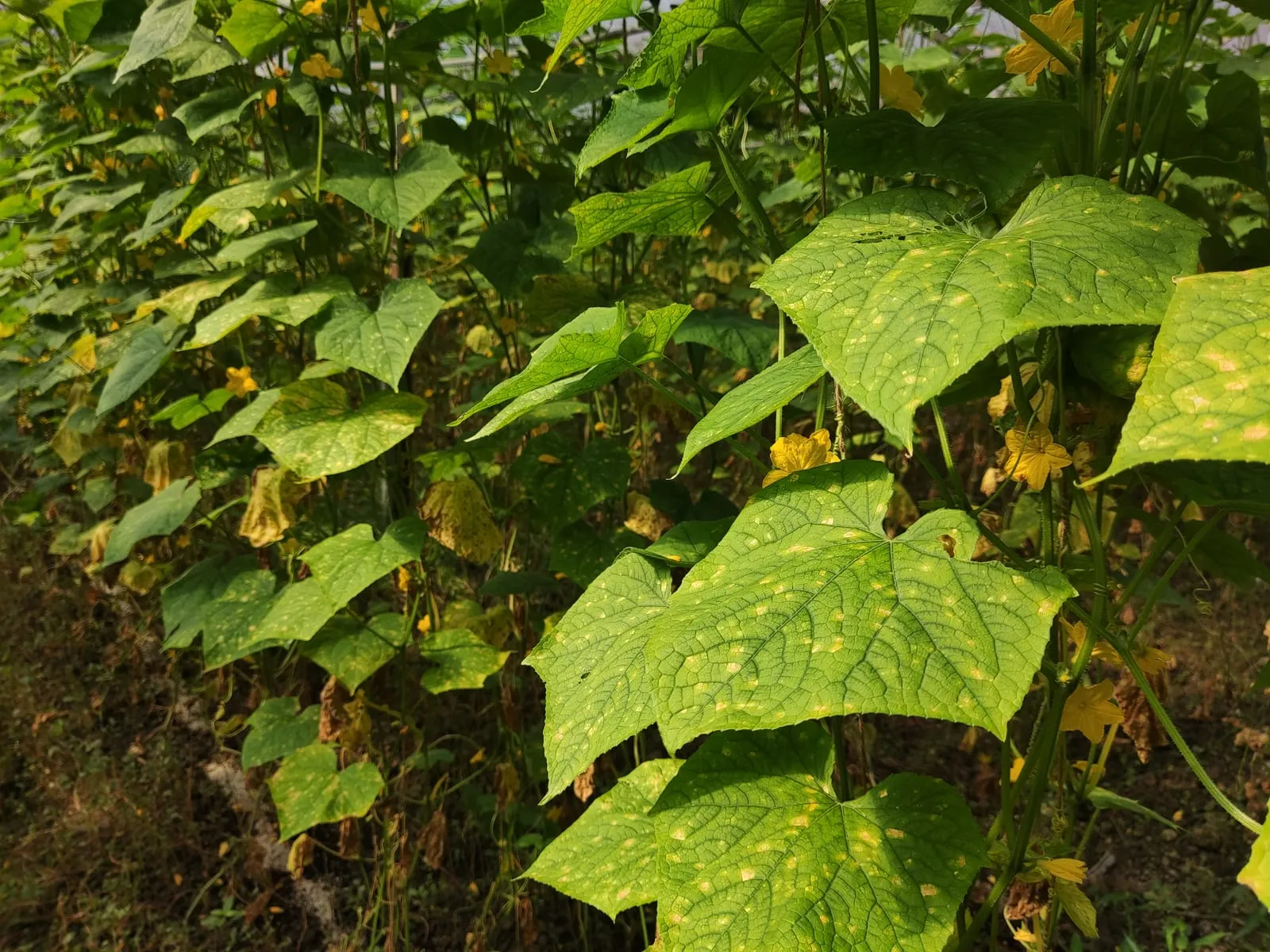
Pseudoperonospora cubensis (cucurbits) and others
Water mold (oomycete, not a true fungus) that thrives in cool damp conditions. Spreads rapidly through cucurbit and brassica plantings on wind-borne spores.
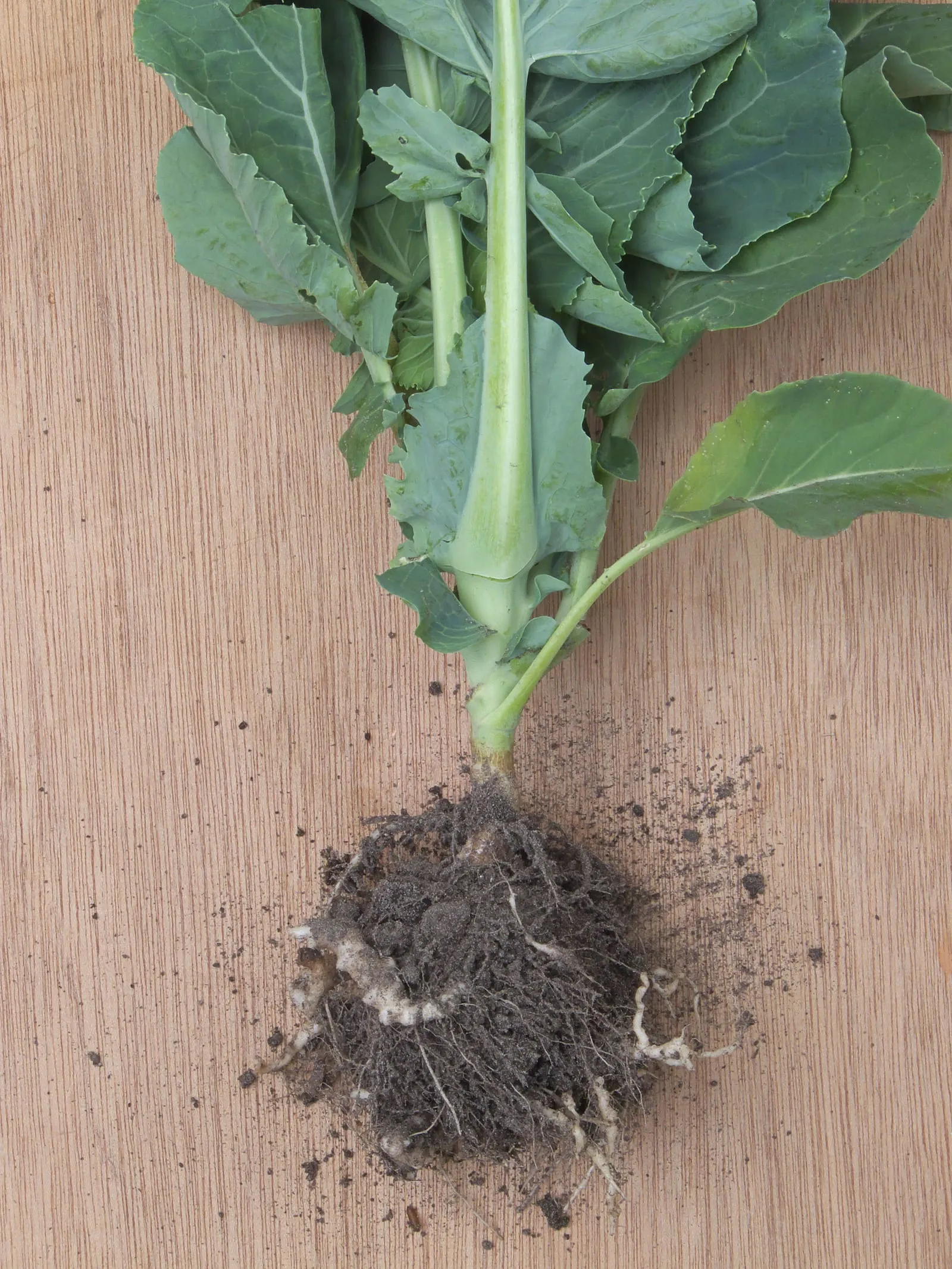
Plasmodiophora brassicae
Soil-borne disease causing characteristic distorted club-shaped roots on brassicas. Persists in soil for 10-20 years; the dominant brassica pathogen in acidic poorly-drained soils.
Common pests
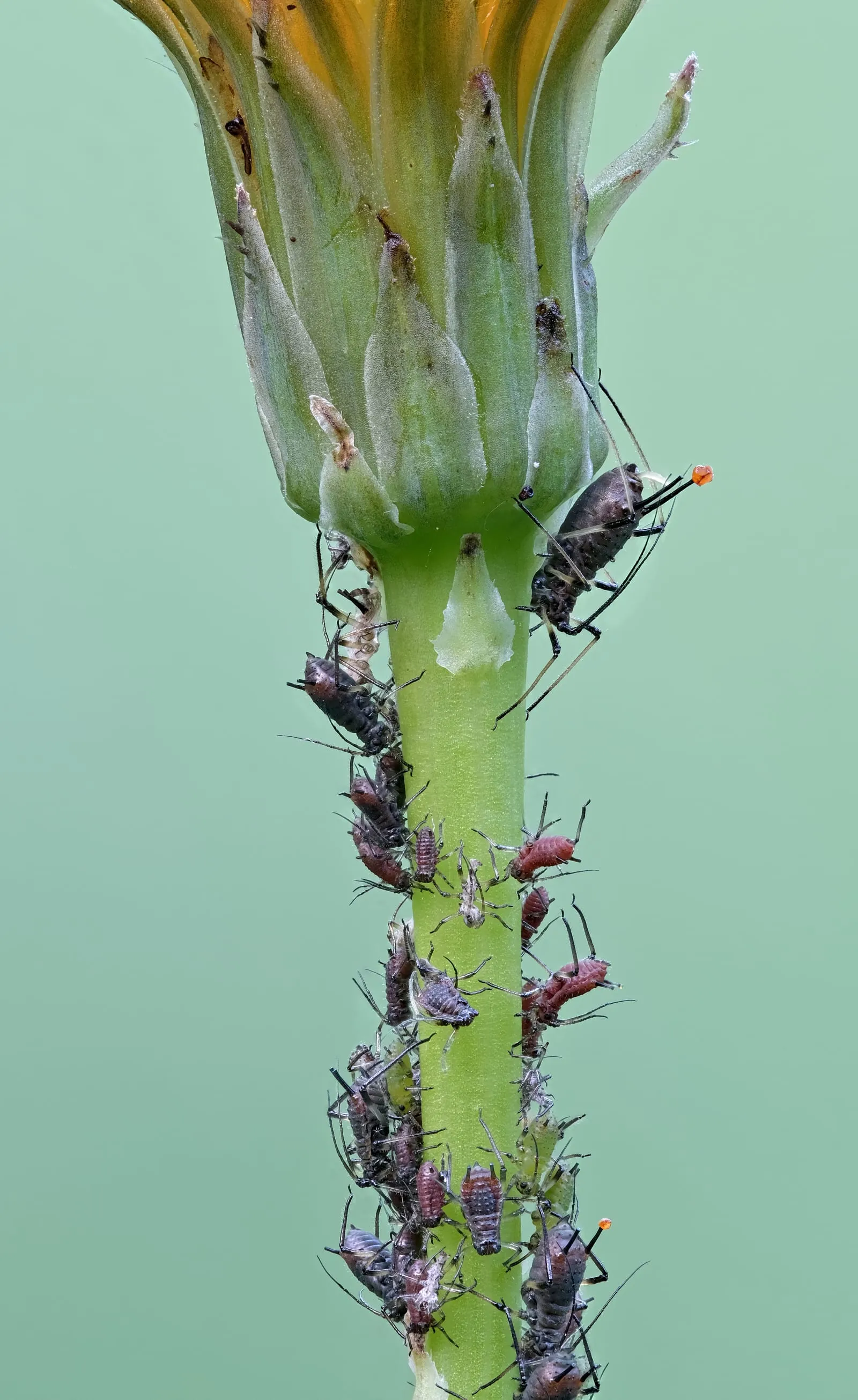
Multiple species (Aphididae)
Small soft-bodied sap-sucking insects that reproduce explosively in spring. Excrete honeydew that supports sooty mold and attracts ants. Transmit viral diseases.
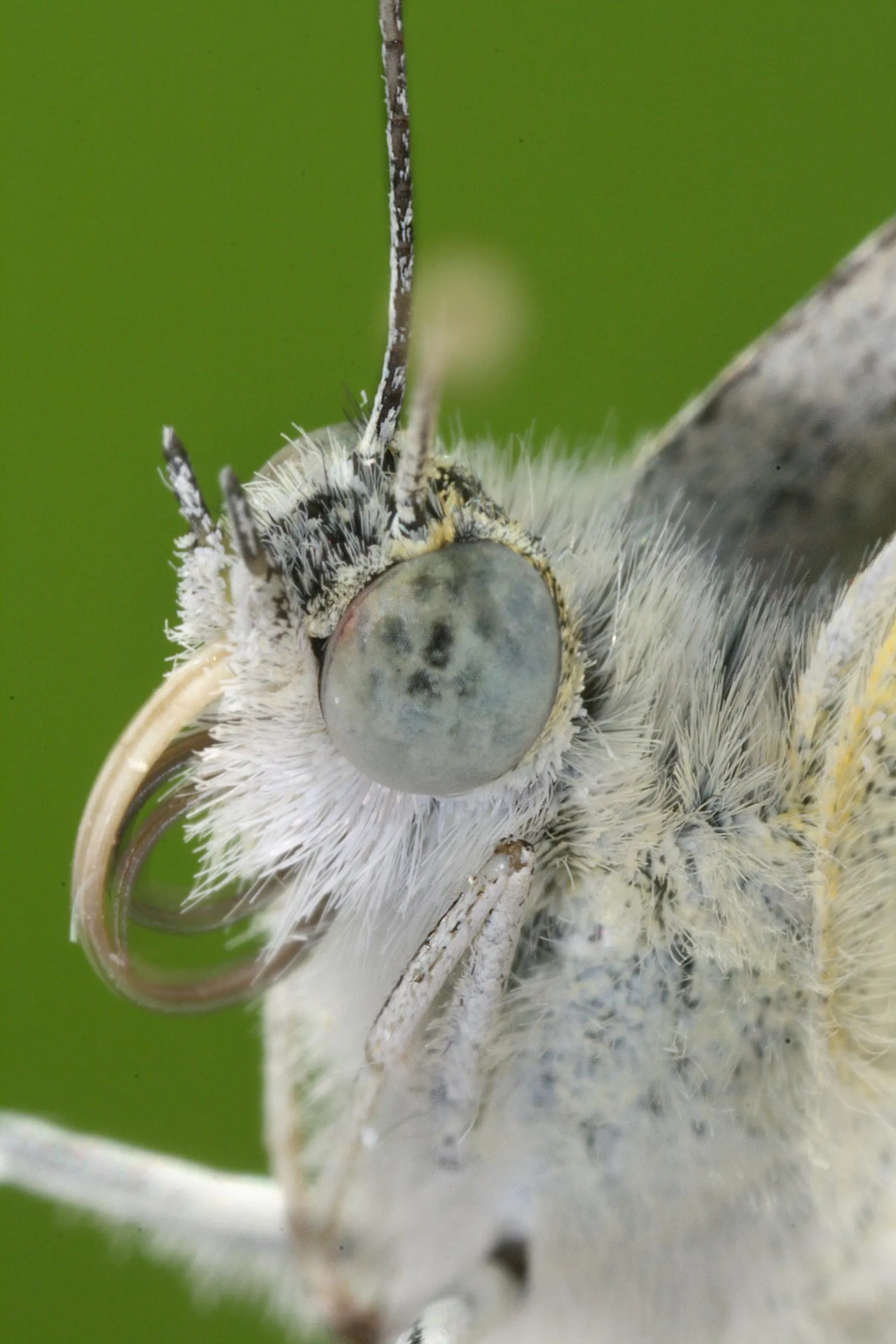
Pieris rapae
Velvety green caterpillars that chew large irregular holes in brassica leaves and bore into heads. Adults are the small white butterflies seen fluttering through the garden.
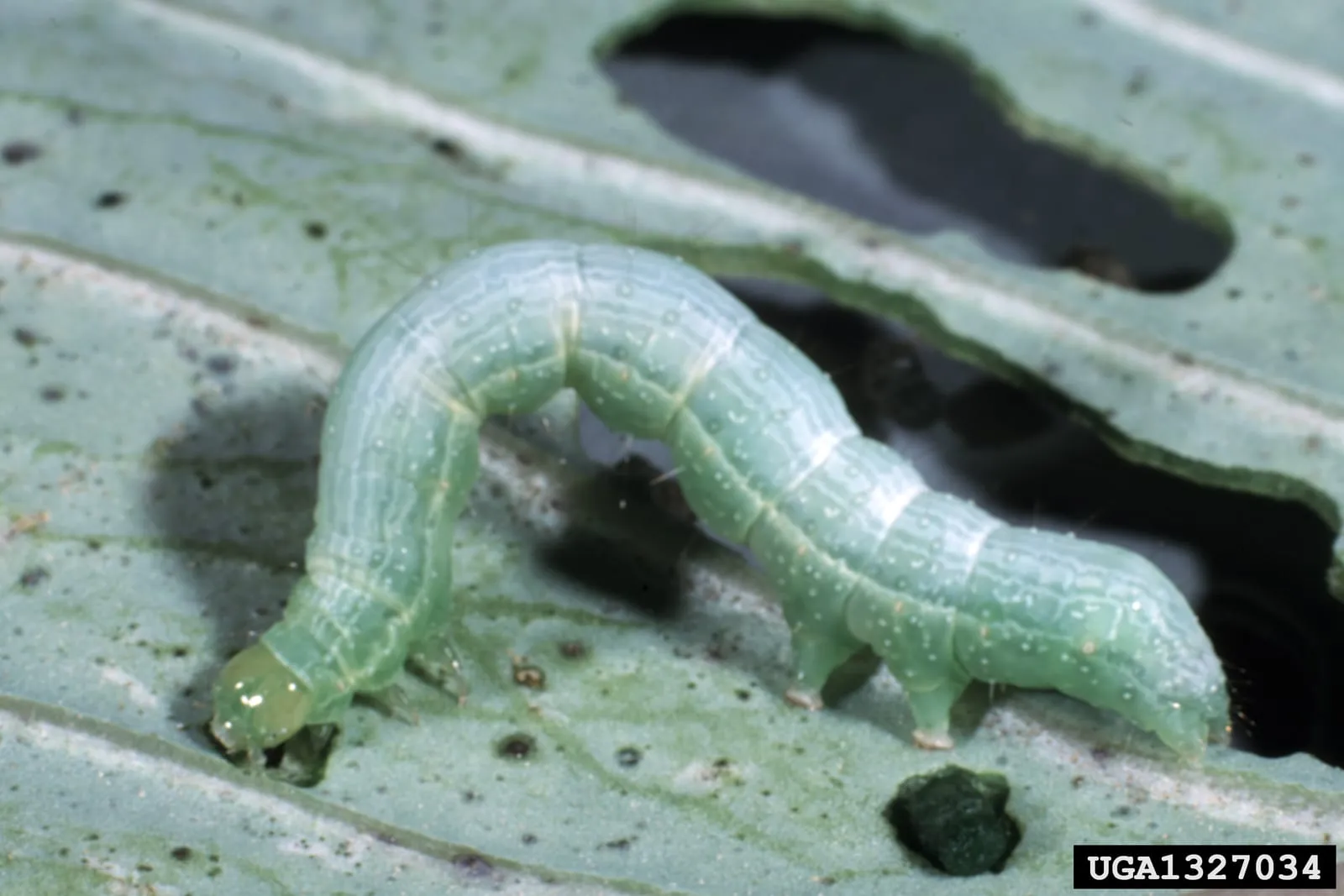
Trichoplusia ni
Pale green caterpillars that arch their backs (loop) when crawling. Defoliate brassicas and lettuce, contaminate harvested heads. Adults are mottled gray-brown moths.
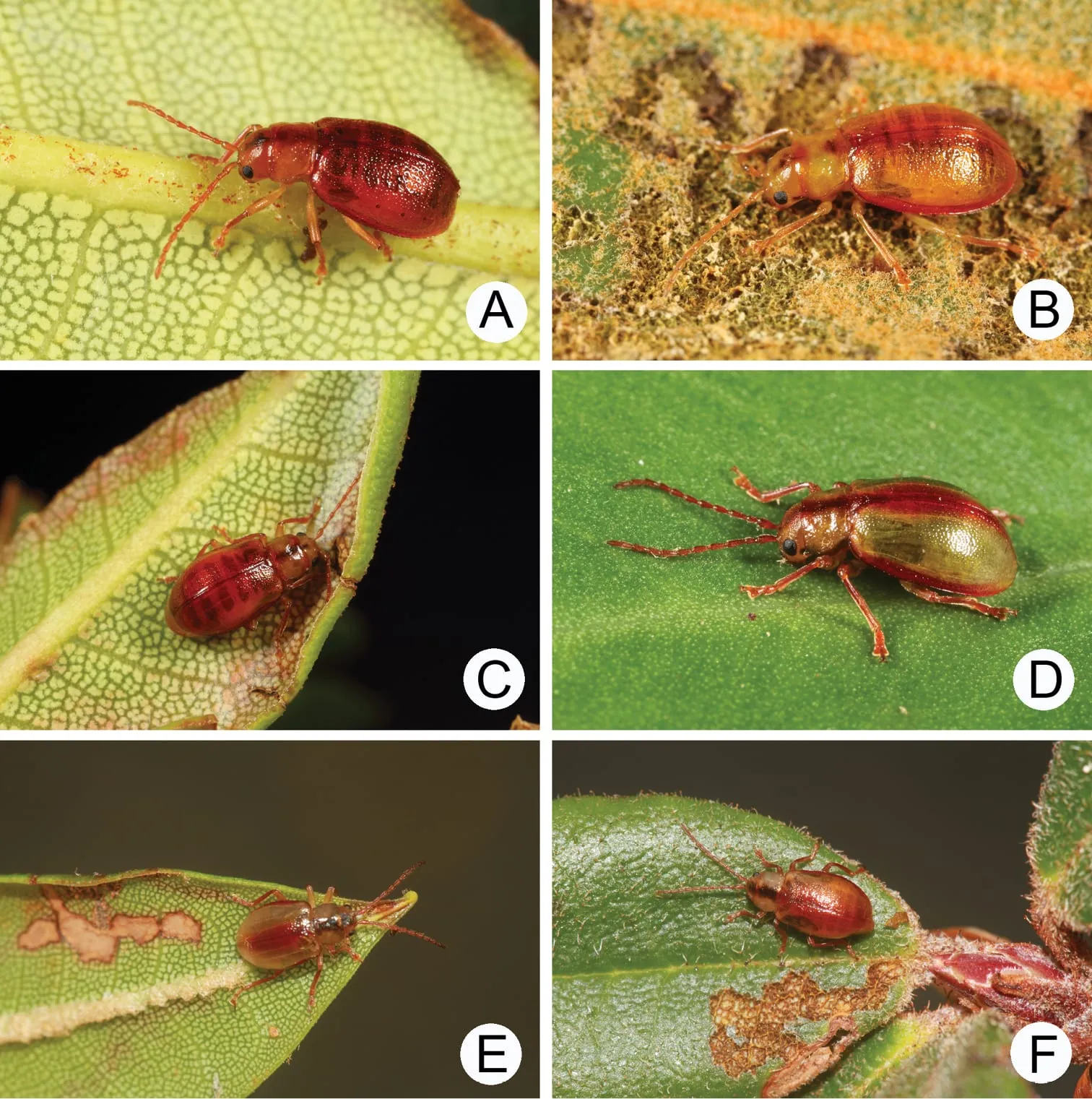
Multiple species (Chrysomelidae)
Tiny black or bronze jumping beetles that put hundreds of small holes in seedling leaves. Most damaging on direct-seeded brassicas and young eggplant.
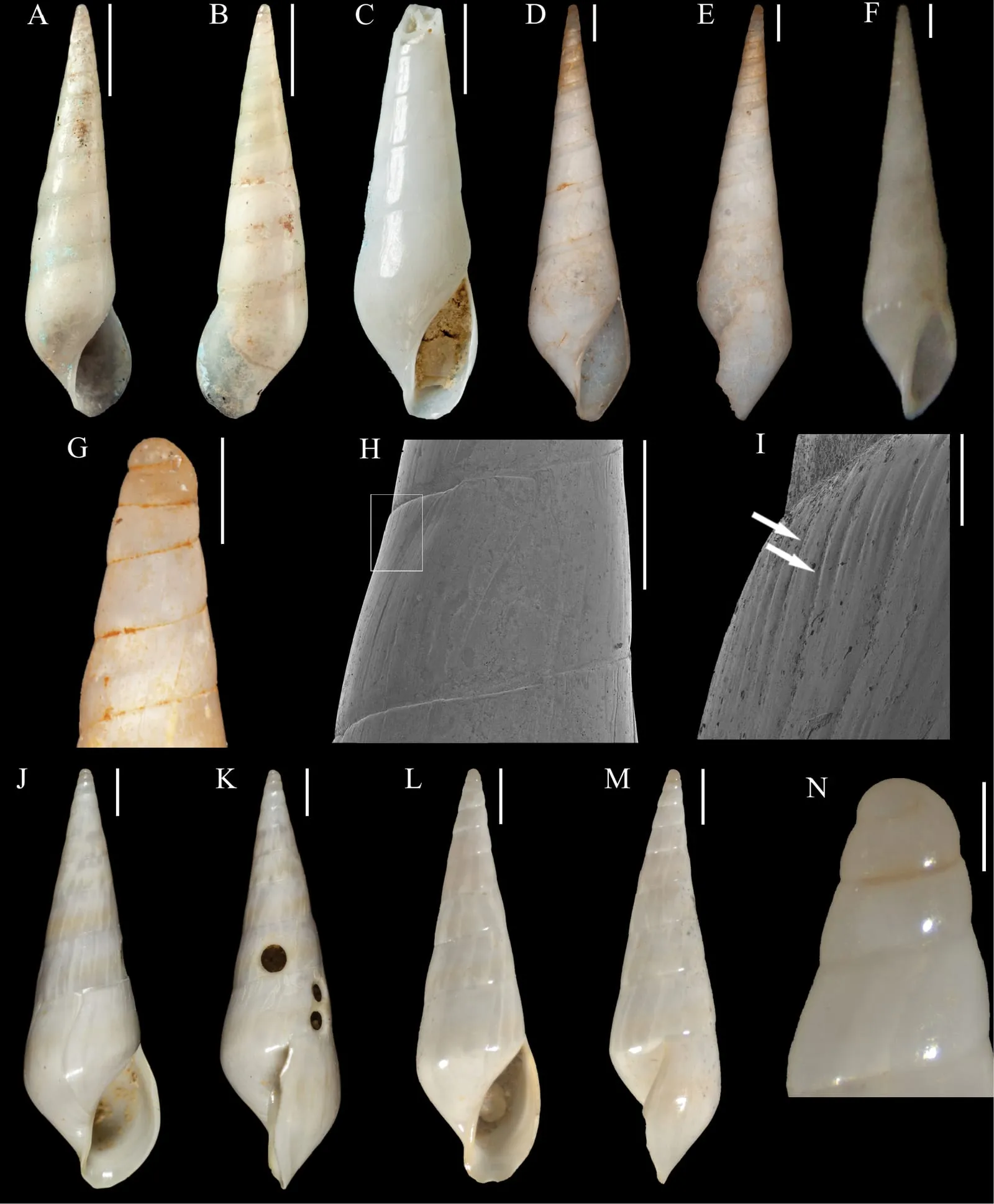
Multiple species (Gastropoda)
Soft-bodied mollusks that feed on tender leaves and seedlings primarily at night. Damaging especially in wet years and shaded mulched gardens.
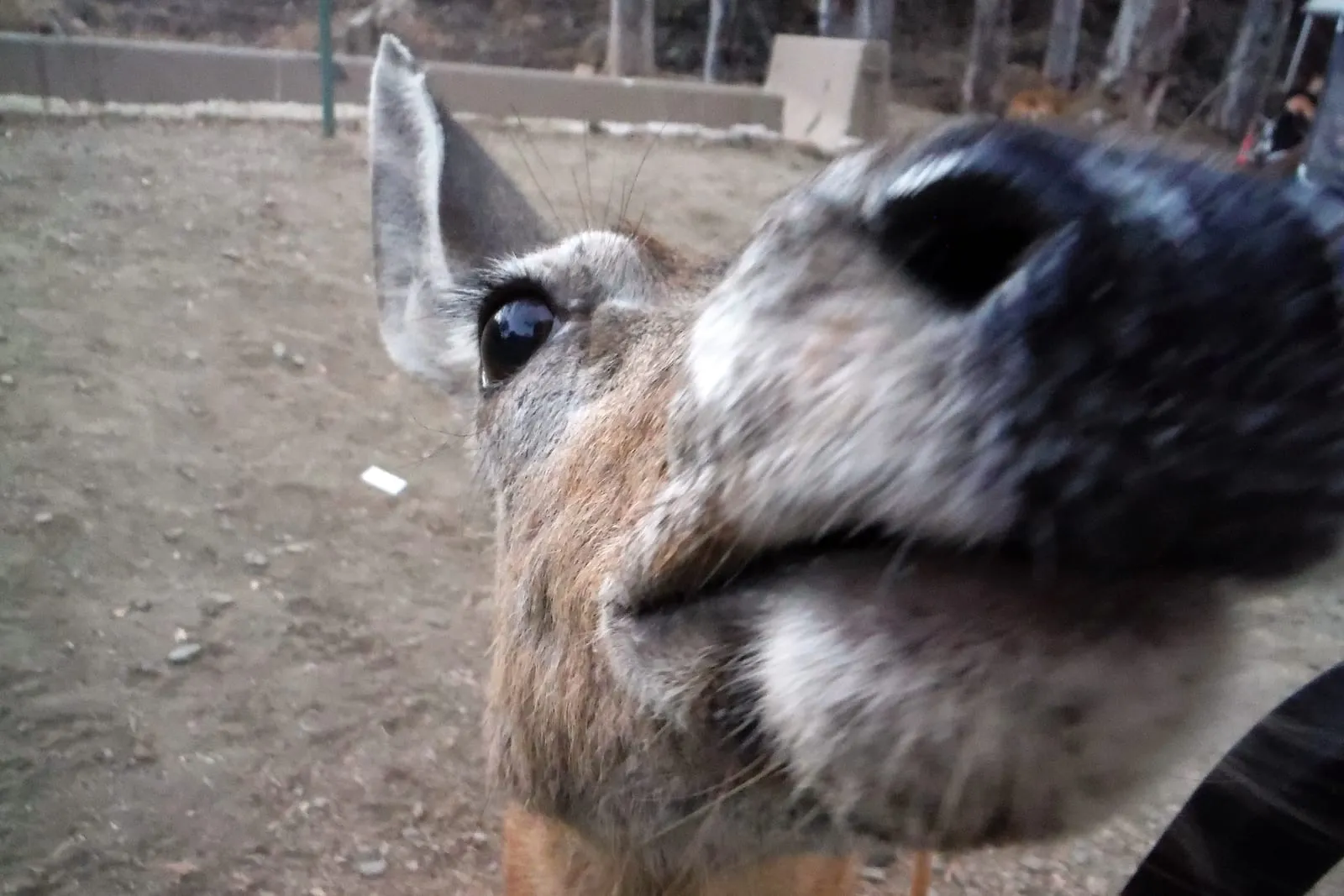
Odocoileus species
Whitetail and mule deer browse can devastate orchards and gardens, particularly in winter when food is scarce. Antler rub on young trunks kills saplings outright.
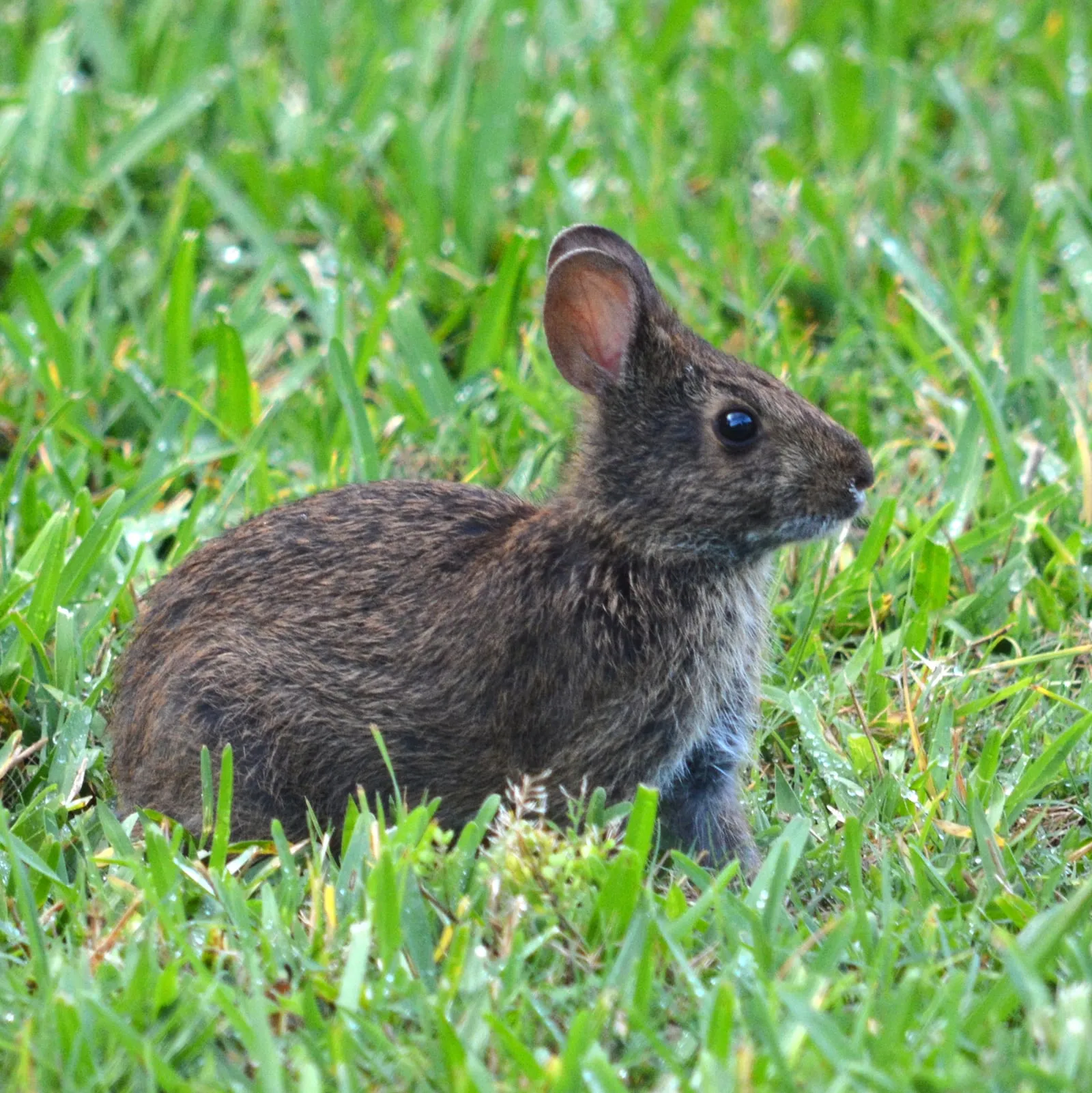
Sylvilagus and Lepus species
Cottontails and jackrabbits strip bark from young fruit trees in winter and graze tender garden vegetables year-round, especially seedlings.
Common challenges
The three most consistent failure points for home kale growers are caterpillar pressure, heat-induced bitterness and bolting, and clubroot in susceptible soils.
Imported cabbageworm, cabbage looper, and flea beetle all cause significant damage if left unmanaged. Cabbage loopers and imported cabbageworms feed directly on leaf tissue and can strip plants rapidly during warm weather. Row covers applied at transplanting, before moths arrive, are the most reliable preventive measure. Bacillus thuringiensis (Bt) applied at first sign of caterpillar feeding is effective and carries minimal risk to beneficial insects. Flea beetles cause characteristic small round holes in young leaves and are cosmetically annoying but rarely fatal to established plants.
Heat is the other critical variable. Kale planted into conditions with daytime highs consistently above 80°F bolts faster, produces tougher leaves, and attracts heavier aphid infestations. In zones 7 and warmer, a fall planting started six to eight weeks before the expected first frost typically outperforms a spring planting that runs into summer.
Clubroot, caused by the soil pathogen Plasmodiophora brassicae, produces swollen, deformed roots and wilting that resembles drought stress. It is pH-sensitive: raising soil pH to 7.0 or above substantially reduces severity. Once established in a bed, the pathogen can survive for 20 or more years without a host, per Cornell Cole Crops Production. Confirmed cases warrant long rotation intervals and sustained pH management rather than replanting brassicas in the same location.
Companion plants
Frequently asked questions
- Does kale have chill-hour requirements?
Kale has no dormancy-related chill-hour requirements. It is a cool-season vegetable that grows actively in temperatures between roughly 45°F and 75°F. Frost does not break dormancy; it improves leaf flavor by triggering sugar accumulation, particularly in Lacinato and Curly Vates varieties.
- How many days does kale take to harvest?
50 to 75 days from transplant, depending on variety and harvest method. Baby leaf harvests can begin around 50 days. Full plant maturity, where outer leaves are harvested repeatedly while the growing point is left intact, takes closer to 70 to 75 days. Cooler temperatures slow development; warmer conditions accelerate it and reduce quality.
- What USDA zones does kale grow in?
Kale is adapted to zones 3a through 9b. In zones 3 to 7, it functions as a spring and fall crop. In zones 8 and 9, it performs best as a fall through winter crop planted after summer heat breaks, typically late August through October depending on location.
- Does kale need pollinators to produce?
Kale grown for leaves requires no pollination. The crop is harvested before it flowers. If grown to seed, kale is cross-pollinated by insects and will cross freely with other Brassica oleracea varieties, including cabbage, broccoli, and Brussels sprouts, within bee flight range.
- What is the most common disease affecting kale?
Downy mildew is the most common fungal issue in humid climates, appearing as yellow patches on upper leaf surfaces with gray-purple sporulation underneath. Clubroot is more damaging where present, infecting roots and persisting in soil for decades. Maintaining soil pH above 6.5 and rotating brassicas on a three- to four-year cycle reduces both risks.
- Which kale variety tolerates cold best?
Curly Vates and Lacinato both hold through hard freezes in zones 5 and colder. Lacinato sweetens noticeably after frost exposure, making it a popular fall harvest choice. Red Russian is also cold-hardy and is widely considered the most tender and salad-friendly of the common varieties.
- Can kale survive winter in the ground?
In zones 7 and warmer, fall-planted kale often survives through winter and resumes growth in early spring before bolting. In zones 5 and 6, heavy mulching extends the season but plants may not survive the coldest weeks without row covers or cold frames. In zones 3 and 4, reliable overwintering requires protection.
+−
+−
+−
+−
+−
+−
+−
Sources
Image: "Brassica oleracea var. acephala Redbor 0zz", by Photo by David J. Stang, via Wikimedia Commons, licensed under CC-BY. Source.

Kale by zone
Related