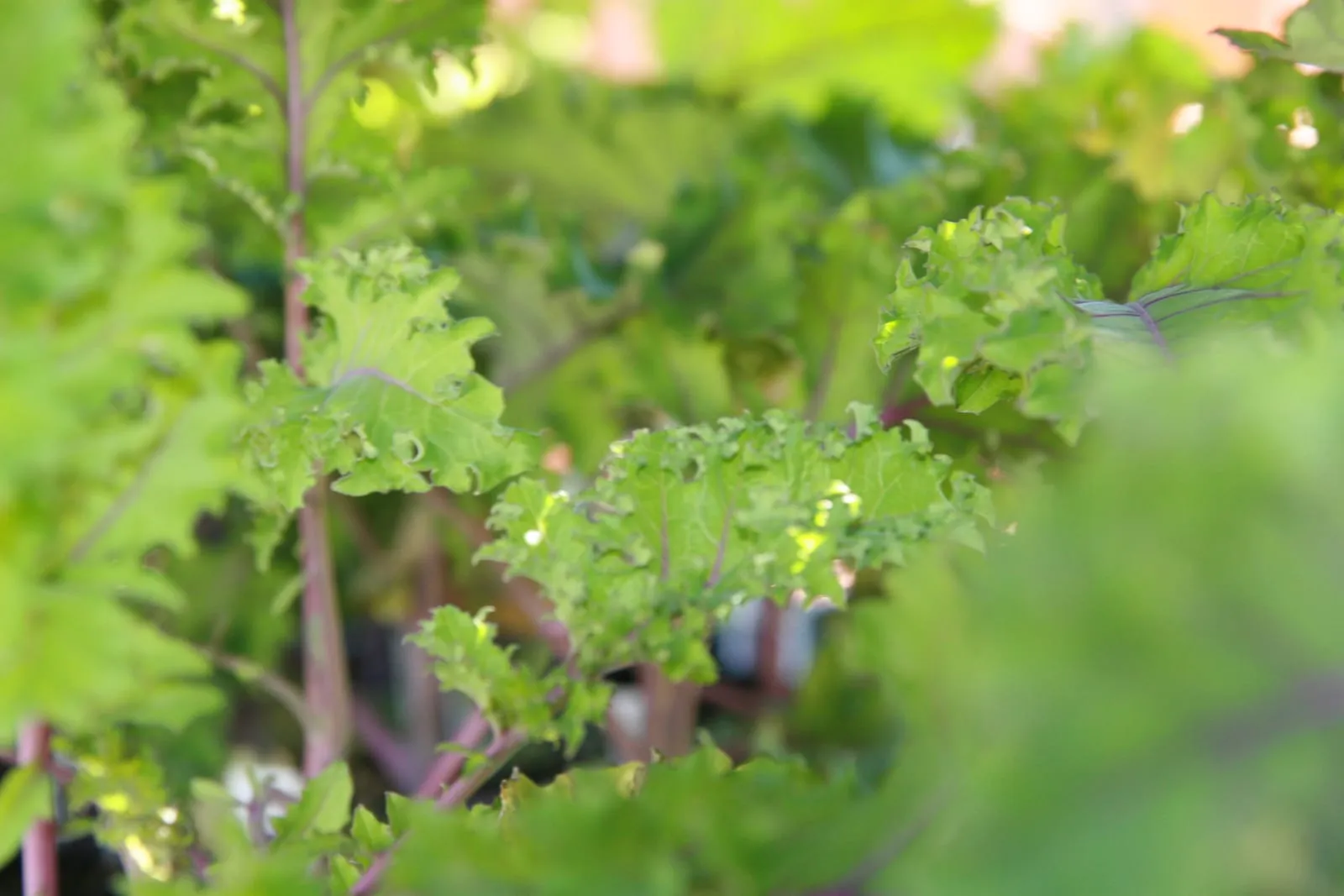
vegetable in zone 3a
Growing kale in zone 3a
Brassica oleracea var. acephala
- Zone
- 3a -40°F to -35°F
- Growing season
- 90 days
- Suitable varieties
- 3
- Days to harvest
- 50 to 75
The verdict
Kale is one of the few vegetables genuinely well-suited to zone 3a rather than merely tolerant of it. The cold-hardiness ceiling for kale extends well below freezing, and the cool temperatures that define zone 3a growing conditions align closely with what kale prefers: consistent temperatures in the 45 to 65°F range produce the most flavorful, tender leaves. Unlike warm-season crops that struggle with zone 3a's 90-day season, kale can be harvested before full maturity and continues producing after light frosts, which convert leaf starches to sugars and improve flavor. The primary constraint is calendar management, not cold tolerance. Clubroot and downy mildew present more meaningful risk than winter injury in this zone. Growers in zone 3a are working with a crop in its climate comfort range, not pushing against a marginal boundary.
Recommended varieties for zone 3a
3 cultivars suited to this zone, with disease-resistance and zone-fit annotations.
| Variety | Notes | Zone fit | Disease resistance |
|---|---|---|---|
| Lacinato fits zone 3a | Earthy, sweet after frost, tender enough for salads; long blue-green dimpled strap leaves. Italian Tuscan classic, salads, soups, kale chips. Most cold-tolerant, sweetens with frost. | | none noted |
| Red Russian fits zone 3a | Mild, tender, red-purple veins on flat oak-leaf shape; the most salad-friendly kale. Salads, sauteing, smoothies. Hardy, productive, beautiful in mixed beds. | | none noted |
| Curly Vates fits zone 3a | Strong, slightly bitter, the classic curly-leaf kale; deep frilled leaves. Soups, smoothies, kale chips, sautes. Very cold-hardy, holds through hard freezes. | | none noted |
Critical timing for zone 3a
With a 90-day growing season in zone 3a, kale must be started indoors 5 to 6 weeks before the last expected frost date. Last spring frost in zone 3a typically falls between late May and early June depending on elevation and local geography; transplants go out after that date passes. Days to harvest for the recommended varieties range from 55 days (Red Russian) to 70 days (Lacinato), leaving little margin for delay. Kale does not have a meaningful bloom window for harvest purposes; bolting is a late-season risk if temperatures spike above 80°F, but zone 3a summers rarely sustain that heat long enough to trigger it. First fall frost arrives by mid-September in most zone 3a locations, and kale actually improves in flavor through light frost events, so growers can plan for harvest to extend through early October with minimal protection.
Common challenges in zone 3a
- ▸ Very short growing season
- ▸ Late spring frosts
- ▸ Limited fruit-tree options
- ▸ Heavy mulching required
Disease pressure to watch for
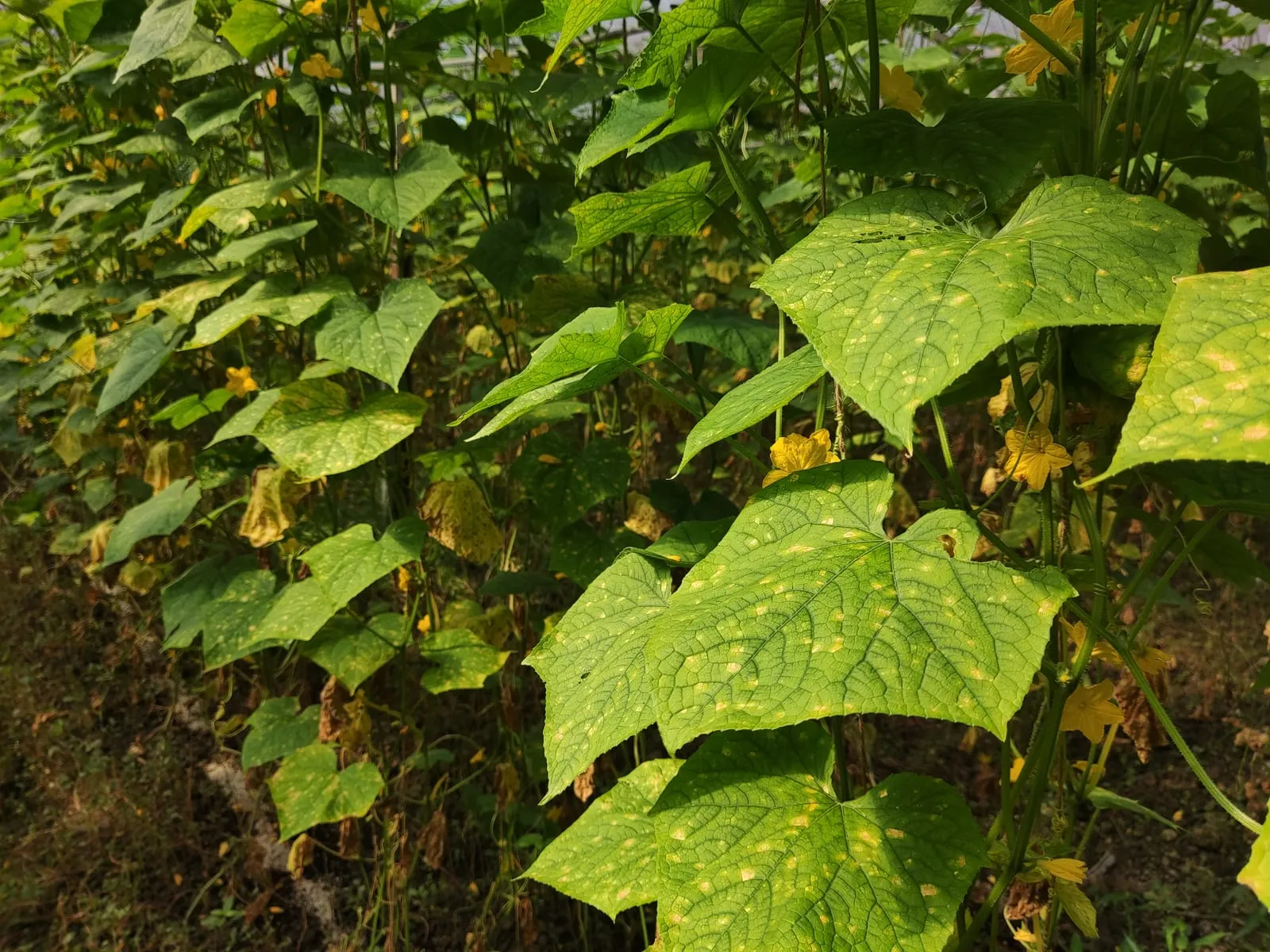
Pseudoperonospora cubensis (cucurbits) and others
Water mold (oomycete, not a true fungus) that thrives in cool damp conditions. Spreads rapidly through cucurbit and brassica plantings on wind-borne spores.
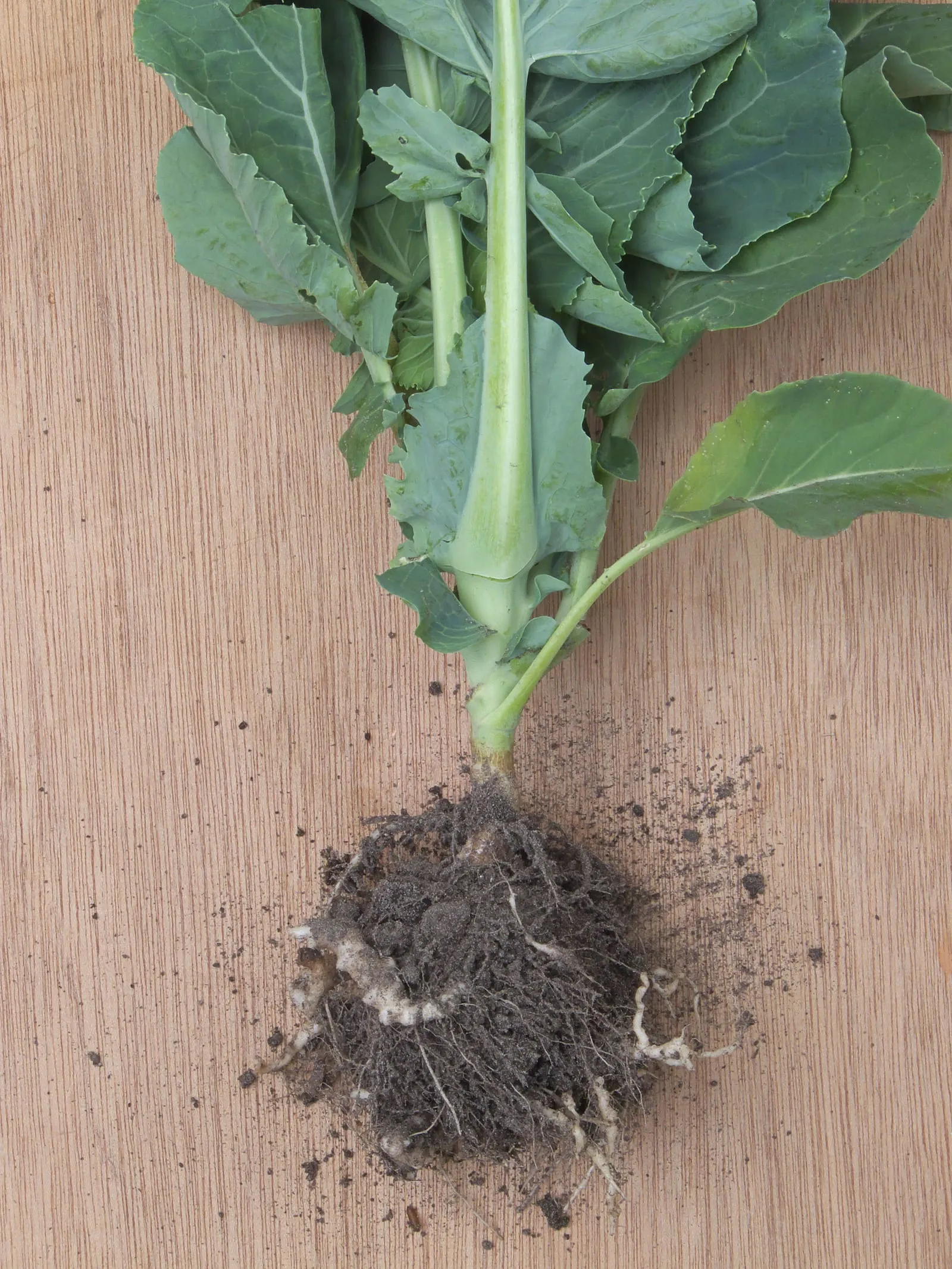
Plasmodiophora brassicae
Soil-borne disease causing characteristic distorted club-shaped roots on brassicas. Persists in soil for 10-20 years; the dominant brassica pathogen in acidic poorly-drained soils.
Modified care for zone 3a
Indoor seed starting is not optional in zone 3a; it is the mechanism that makes kale viable within a 90-day season. Start transplants 5 to 6 weeks before last frost under supplemental light and harden off carefully before setting out. Heavy mulching, one of the defining requirements for zone 3a, helps stabilize soil temperature at transplant time and conserves moisture during the compressed midsummer peak. Row covers at both ends of the season effectively add 2 to 3 weeks of productive growing time without significant cost. Clubroot survives in soil for up to 20 years and is pH-sensitive; raising soil pH above 7.2 with lime reduces infection pressure. Downy mildew favors cool, wet conditions common in zone 3a springs, so adequate plant spacing and morning watering help manage it without fungicide applications.
Frequently asked questions
- Can kale survive a zone 3a winter in the ground?
Not reliably. Zone 3a minimum temperatures of -40 to -35°F will kill kale crowns even with heavy mulch. Treat kale as an annual in zone 3a and pull plants before hard freeze. Some growers overwinter small plants in cold frames, but outdoor survival without protection is not dependable.
- Which kale variety performs best in zone 3a's short season?
Red Russian matures in around 55 days and handles cold well, making it the most practical choice when the season is tight. Lacinato and Curly Vates are both viable but take closer to 65 to 70 days, leaving less buffer if transplanting is delayed by a late frost.
- Does kale taste better after frost in zone 3a?
Yes. Frost triggers conversion of leaf starches to sugars, which noticeably sweetens the flavor. In zone 3a, where light frosts arrive in late summer, this is a predictable benefit rather than a risk, and growers can plan to harvest through early October to take advantage of it.
+−
+−
+−
Kale in adjacent zones
Image: "Brassica oleracea var. acephala Redbor 0zz", by Photo by David J. Stang, via Wikimedia Commons, licensed under CC-BY Source.

Related