vegetable in zone 3b
Growing kale in zone 3b
Brassica oleracea var. acephala
- Zone
- 3b -35°F to -30°F
- Growing season
- 100 days
- Suitable varieties
- 3
- Days to harvest
- 50 to 75
The verdict
Kale is genuinely well-suited to zone 3b, making it one of the more reliable vegetable crops for short-season northern gardens. Unlike fruit trees, kale has no chill-hour requirement; instead, its quality improves with cold exposure. Frost converts starches to sugars in the leaves, and temperatures in the 45 to 60°F range produce the most flavorful harvests. Zone 3b's -35 to -30°F winter lows are irrelevant to kale grown as a seasonal crop, since the plant is harvested well before killing temperatures arrive.
The real constraint is the 100-day growing season. Days to maturity for the compatible varieties in this zone range from 50 to 80 days, which is tight but workable with transplants. Red Russian (approximately 50 days) and Curly Vates (55 to 65 days) are the most reliable choices given the compressed window. Lacinato is feasible but benefits most from indoor starts. Zone 3b is a sweet spot for kale flavor; it is not a marginal zone for the crop.
Recommended varieties for zone 3b
3 cultivars suited to this zone, with disease-resistance and zone-fit annotations.
| Variety | Notes | Zone fit | Disease resistance |
|---|---|---|---|
| Lacinato fits zone 3b | Earthy, sweet after frost, tender enough for salads; long blue-green dimpled strap leaves. Italian Tuscan classic, salads, soups, kale chips. Most cold-tolerant, sweetens with frost. | | none noted |
| Red Russian fits zone 3b | Mild, tender, red-purple veins on flat oak-leaf shape; the most salad-friendly kale. Salads, sauteing, smoothies. Hardy, productive, beautiful in mixed beds. | | none noted |
| Curly Vates fits zone 3b | Strong, slightly bitter, the classic curly-leaf kale; deep frilled leaves. Soups, smoothies, kale chips, sautes. Very cold-hardy, holds through hard freezes. | | none noted |
Critical timing for zone 3b
Last spring frost in zone 3b typically falls between late May and early June, with first fall frost arriving around late August to early September, yielding roughly 90 to 100 frost-free days. Direct seeding after last frost is possible for fast-maturing varieties like Red Russian, but starting transplants indoors 4 to 6 weeks before the last frost date extends the effective harvest window by several weeks.
Kale does not have a bloom window tied to harvest the way fruiting crops do. Bolting (flowering and seed set) occurs in response to lengthening days and heat stress, typically in late July or August in zone 3b. Once a plant bolts, leaves turn bitter and tough. The practical harvest window runs from midsummer through the first hard frost, with peak flavor in the cooler weeks of August and early September as temperatures begin to drop.
Common challenges in zone 3b
- ▸ Short season
- ▸ Winter desiccation
- ▸ Site selection critical for fruit trees
Disease pressure to watch for
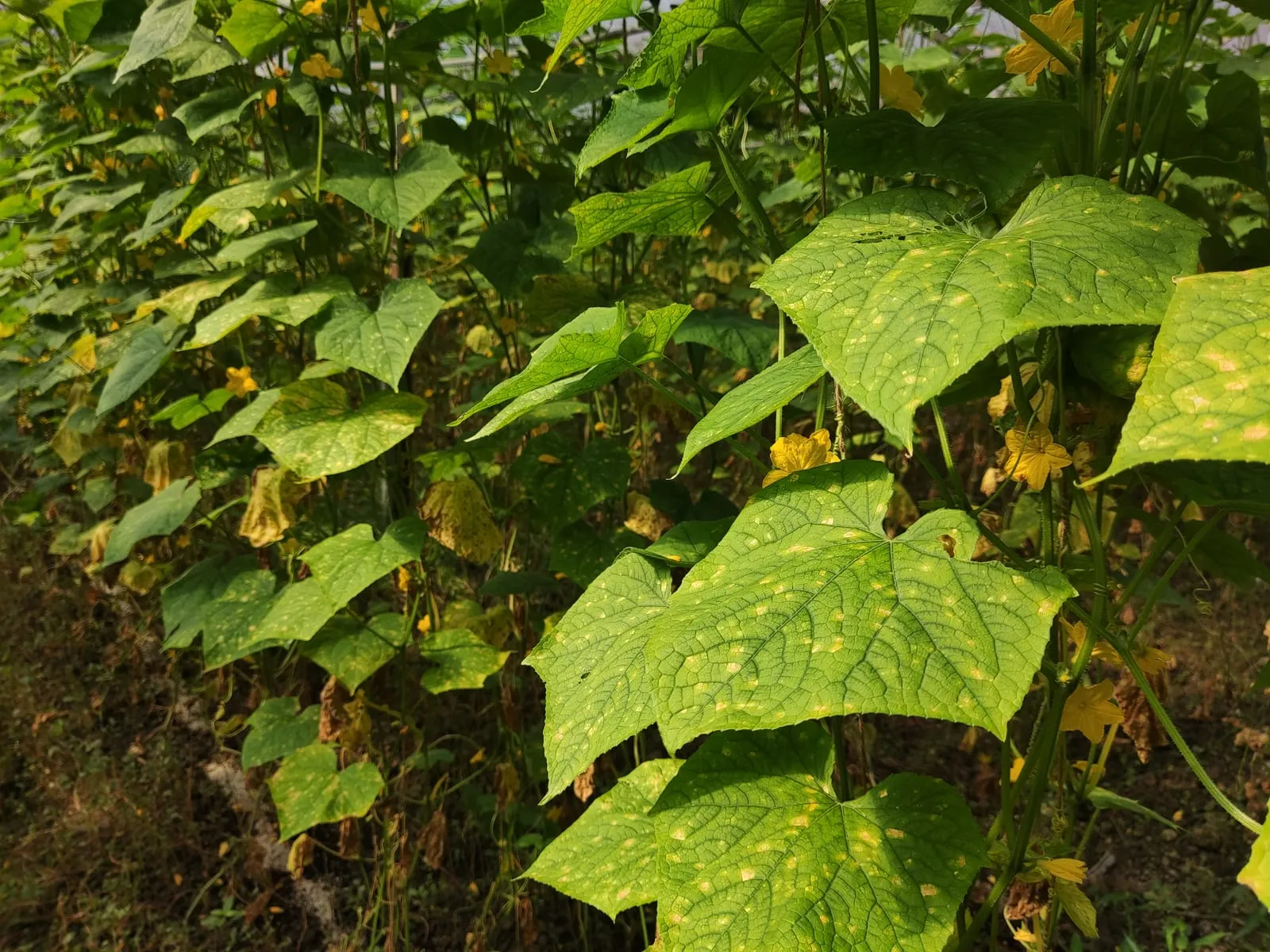
Pseudoperonospora cubensis (cucurbits) and others
Water mold (oomycete, not a true fungus) that thrives in cool damp conditions. Spreads rapidly through cucurbit and brassica plantings on wind-borne spores.
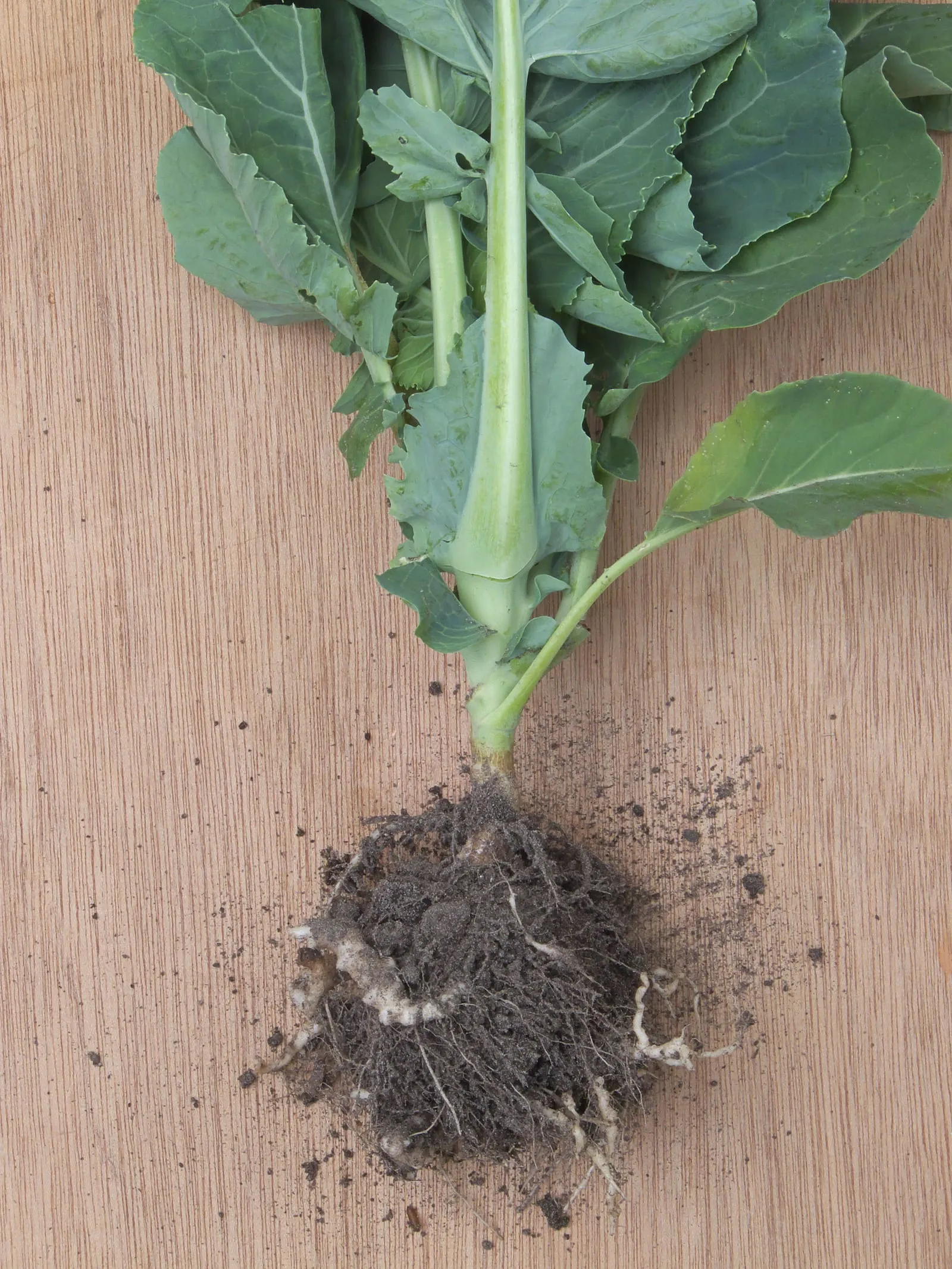
Plasmodiophora brassicae
Soil-borne disease causing characteristic distorted club-shaped roots on brassicas. Persists in soil for 10-20 years; the dominant brassica pathogen in acidic poorly-drained soils.
Modified care for zone 3b
The primary adaptation in zone 3b is calendar discipline. Transplants must go in promptly after last frost; any delay compresses the harvest window and increases the risk that summer heat triggers premature bolting before a meaningful yield is taken. Using black plastic mulch to warm soil earlier in the season can allow transplanting a week sooner than bare soil would permit.
Downy mildew pressure rises during cool, wet periods common in zone 3b summers. Spacing plants at least 18 inches apart improves airflow and reduces leaf wetness duration. Clubroot is a persistent soil pathogen that survives in acidic soils; maintaining soil pH at 7.0 or above is the most effective cultural control, confirmed by the University of Minnesota Extension. Crop rotation of at least three years between brassica plantings is necessary where clubroot has been observed. Row cover applied after first fall frost can extend harvest by two to three weeks without meaningful quality loss.
Frequently asked questions
- Is kale a good crop for zone 3b gardens?
Yes. Kale is one of the more reliable vegetables for zone 3b. Its flavor improves after frost, and the 100-day growing season is sufficient for all three commonly recommended varieties when transplants are used instead of direct seeding.
- Which kale variety matures fastest in a short-season zone?
Red Russian typically reaches harvest in about 50 days, making it the best choice when the frost-free window is tight. Curly Vates follows at 55 to 65 days. Lacinato takes 60 to 80 days and benefits most from indoor starts in zone 3b.
- How do you prevent clubroot in zone 3b kale beds?
Raise soil pH to 7.0 or higher using lime, and rotate brassica crops on a minimum three-year cycle. Clubroot spores persist in soil for decades, so prevention is more effective than treatment once the pathogen is established.
+−
+−
+−
Kale in adjacent zones
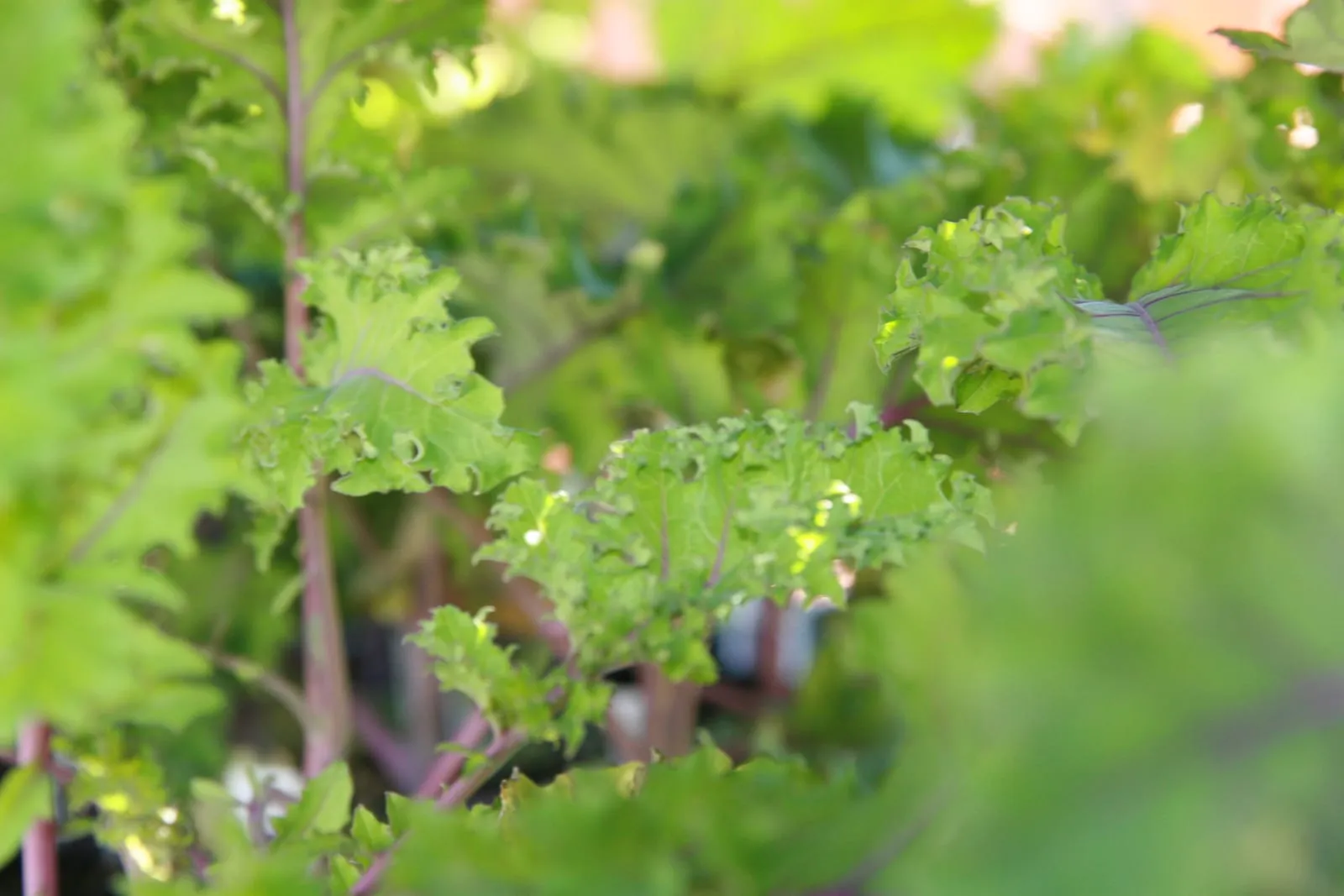
Image: "Brassica oleracea var. acephala Redbor 0zz", by Photo by David J. Stang, via Wikimedia Commons, licensed under CC-BY Source.

Related