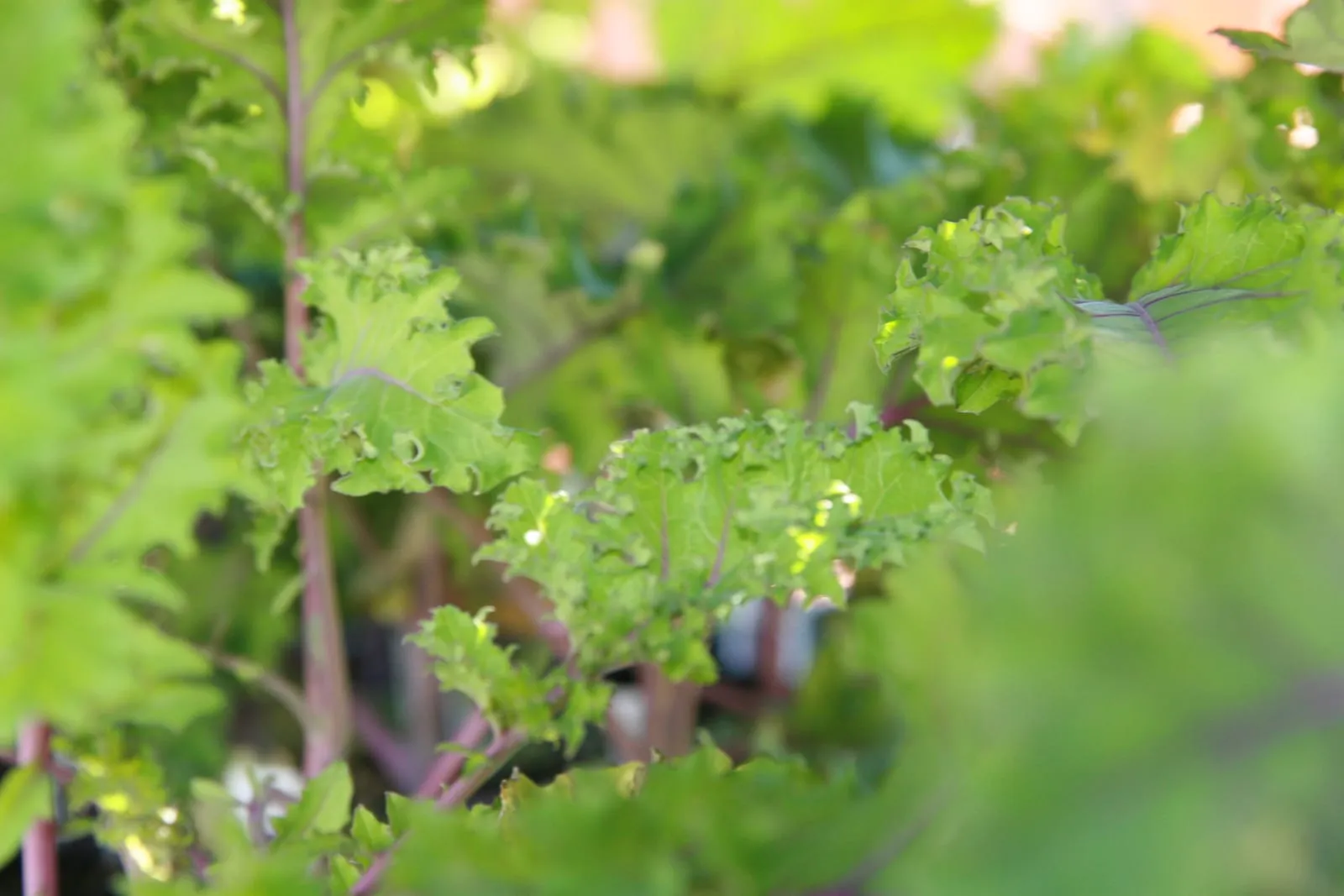
vegetable in zone 4a
Growing kale in zone 4a
Brassica oleracea var. acephala
- Zone
- 4a -30°F to -25°F
- Growing season
- 120 days
- Suitable varieties
- 4
- Days to harvest
- 50 to 75
The verdict
Kale is a strong performer in zone 4a, not a marginal one. Unlike many crops that struggle at the cold edge of their range, kale is a cool-season brassica that improves with frost exposure: temperatures in the 28-32°F range trigger sugar production in the leaves, softening bitterness and improving flavor noticeably. The zone 4a growing season of approximately 120 days is adequate for full-season production, and all four recommended varieties (Lacinato, Red Russian, Curly Vates, and Redbor) mature well within that window. Kale does not have chill-hour requirements the way tree fruits do, so the cold winters of zone 4a are not a limiting factor. If anything, the cool shoulders of spring and fall in this zone are ideal for the crop. The main constraint is the compressed growing calendar, which makes timing of spring and fall plantings more consequential than in warmer zones.
Recommended varieties for zone 4a
4 cultivars suited to this zone, with disease-resistance and zone-fit annotations.
| Variety | Notes | Zone fit | Disease resistance |
|---|---|---|---|
| Lacinato fits zone 4a | Earthy, sweet after frost, tender enough for salads; long blue-green dimpled strap leaves. Italian Tuscan classic, salads, soups, kale chips. Most cold-tolerant, sweetens with frost. | | none noted |
| Red Russian fits zone 4a | Mild, tender, red-purple veins on flat oak-leaf shape; the most salad-friendly kale. Salads, sauteing, smoothies. Hardy, productive, beautiful in mixed beds. | | none noted |
| Curly Vates fits zone 4a | Strong, slightly bitter, the classic curly-leaf kale; deep frilled leaves. Soups, smoothies, kale chips, sautes. Very cold-hardy, holds through hard freezes. | | none noted |
| Redbor fits zone 4a | Mild, sweet, deep purple-red curly leaves that intensify in color with cold. Salads, ornamental edible plantings. Hardy, ornamental, slow to bolt. | | none noted |
Critical timing for zone 4a
In zone 4a, last spring frost typically falls in late May to early June, depending on local elevation and site exposure. Kale transplants can go into the ground two to three weeks before the expected last frost date, as established plants tolerate light frosts. For direct sowing, target soil temperatures above 45°F. A fall planting, started indoors in mid-July and transplanted in mid-August, often yields the best-tasting harvests: leaves that mature into September and October experience multiple frosts, which concentrates sugars. Kale can be harvested well into November in zone 4a with minimal protection. First fall frost is typically mid-September, meaning fall-sown kale has a narrower window and benefits from row cover to extend harvest into October.
Common challenges in zone 4a
- ▸ Late frosts damage early bloomers
- ▸ Limited peach varieties
Disease pressure to watch for
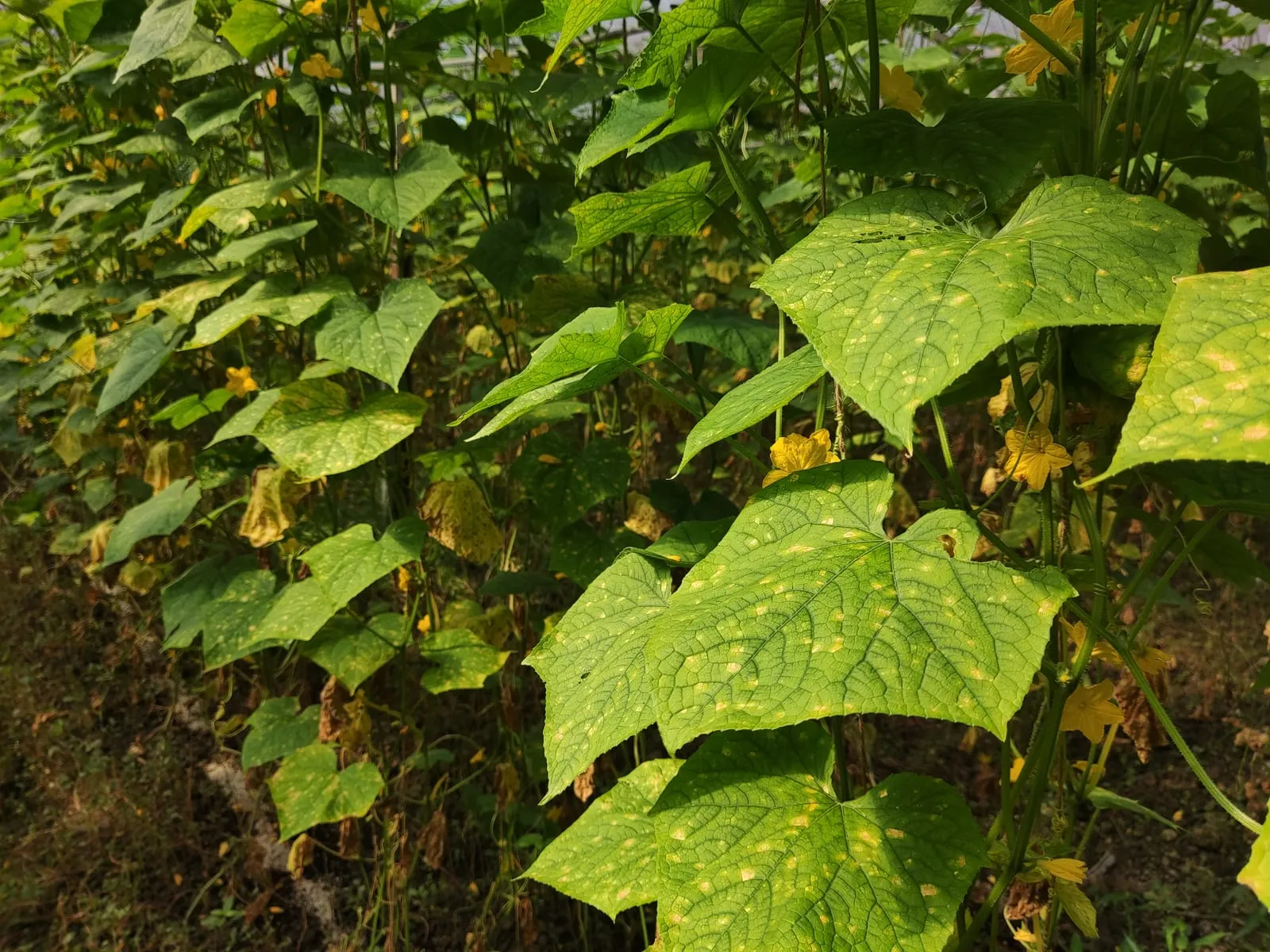
Pseudoperonospora cubensis (cucurbits) and others
Water mold (oomycete, not a true fungus) that thrives in cool damp conditions. Spreads rapidly through cucurbit and brassica plantings on wind-borne spores.
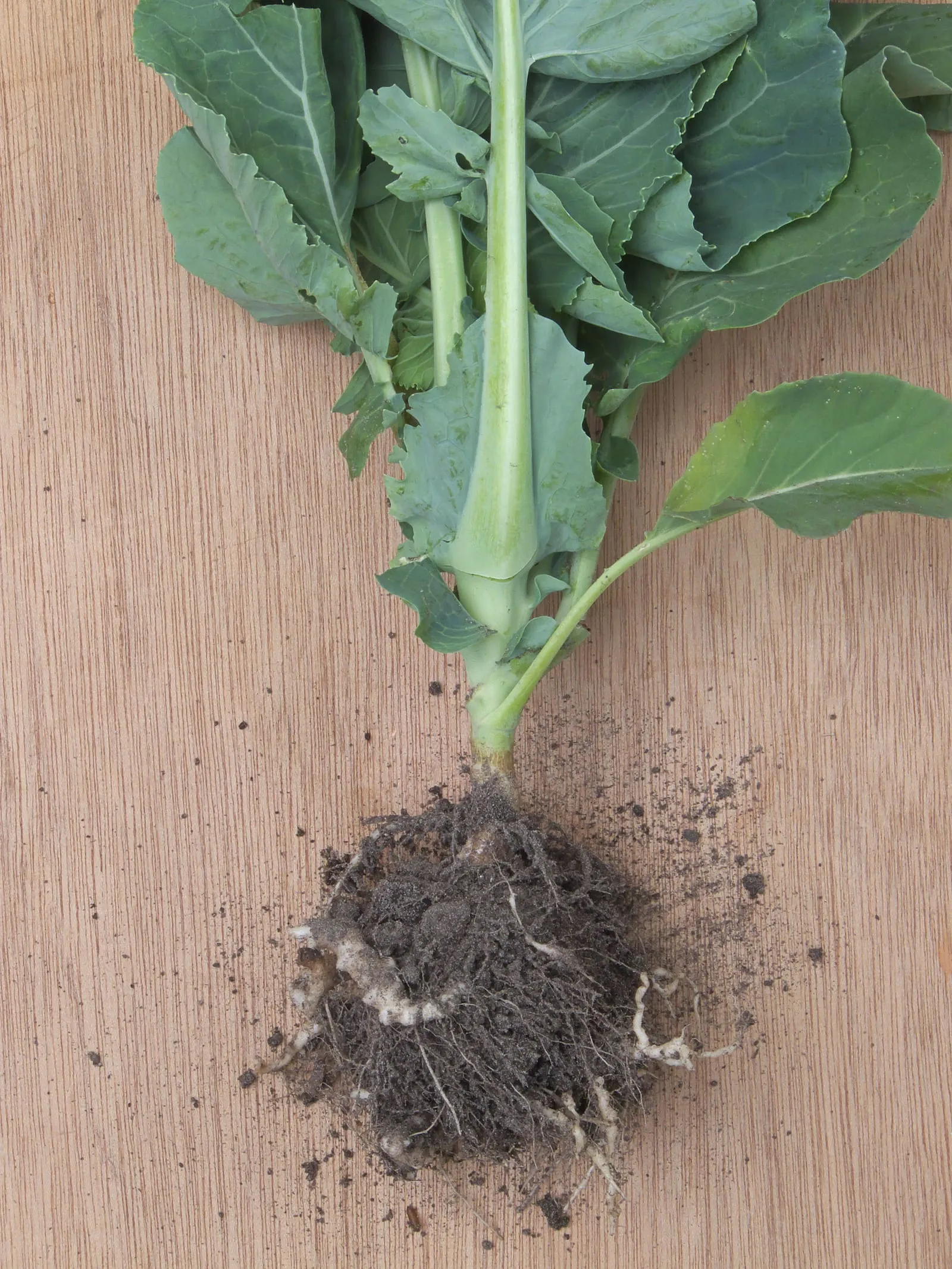
Plasmodiophora brassicae
Soil-borne disease causing characteristic distorted club-shaped roots on brassicas. Persists in soil for 10-20 years; the dominant brassica pathogen in acidic poorly-drained soils.
Modified care for zone 4a
The 120-day growing season in zone 4a puts a premium on starting seeds indoors. For spring production, start transplants 6 to 8 weeks before last frost to give plants time to establish before summer heat (though kale handles cool summers well). Row cover in early spring extends planting dates and protects against late frost events, which are a known zone 4a risk. Downy mildew pressure increases in wet, cool conditions common to spring and fall in northern zones; improve air circulation by spacing plants at least 18 inches apart and avoiding overhead watering. Clubroot is a soil-borne disease that persists for years; avoid planting brassicas in the same bed more than once every three to four years and maintain soil pH above 7.0, which suppresses the pathogen. No summer shade is needed: zone 4a summers rarely produce the sustained heat that causes kale to bolt prematurely.
Frequently asked questions
- Does kale overwinter in zone 4a?
Not reliably without protection. Zone 4a minimum temperatures of -30 to -25°F will kill unprotected kale. Plants can survive into early winter under heavy mulch or a cold frame, but plan on kale as a cool-season annual rather than a perennial in this zone.
- Which kale variety handles zone 4a winters best?
Red Russian is generally considered the most cold-tolerant of the common types, surviving light freezes with minimal die-back. Lacinato (Dinosaur kale) is close behind. Redbor and Curly Vates are productive but somewhat less frost-hardy.
- Why does kale taste sweeter after a frost?
Cold temperatures below about 32°F trigger the plant to convert stored starches into sugars, a mechanism that lowers the freezing point of cell fluids. The result is leaves that are noticeably less bitter and more tender. This effect is most pronounced after several consecutive nights below freezing.
- How do I manage clubroot in zone 4a?
Clubroot is caused by a soil-borne pathogen that can persist for 20 or more years. Rotate brassicas on a minimum 3 to 4 year cycle, raise soil pH to 7.0 or above with lime, and avoid importing soil or transplants from infected sites. There are no curative treatments once plants are infected.
+−
+−
+−
+−
Kale in adjacent zones
Image: "Brassica oleracea var. acephala Redbor 0zz", by Photo by David J. Stang, via Wikimedia Commons, licensed under CC-BY Source.

Related