vegetable in zone 4b
Growing kale in zone 4b
Brassica oleracea var. acephala
- Zone
- 4b -25°F to -20°F
- Growing season
- 130 days
- Suitable varieties
- 4
- Days to harvest
- 50 to 75
The verdict
Zone 4b is a solid fit for kale, not a marginal one. Unlike fruit trees, kale has no chilling-hour requirement; what it needs is a cool growing window, and zone 4b provides that in abundance. Winter lows of -25 to -20°F rule out overwintering kale in the ground without protection, but all four listed varieties (Lacinato, Red Russian, Curly Vates, and Redbor) mature well within the 130-day growing season, with most reaching harvest in 55 to 75 days from transplant.
Frost actually improves kale flavor by triggering starch-to-sugar conversion in the leaves, so the zone's cold springs and early falls work in the grower's favor rather than against it. The main constraint is the compressed planting window created by late spring frosts and early fall frosts, which rewards starting plants indoors rather than direct-sowing to maximize available growing time.
Recommended varieties for zone 4b
4 cultivars suited to this zone, with disease-resistance and zone-fit annotations.
| Variety | Notes | Zone fit | Disease resistance |
|---|---|---|---|
| Lacinato fits zone 4b | Earthy, sweet after frost, tender enough for salads; long blue-green dimpled strap leaves. Italian Tuscan classic, salads, soups, kale chips. Most cold-tolerant, sweetens with frost. | | none noted |
| Red Russian fits zone 4b | Mild, tender, red-purple veins on flat oak-leaf shape; the most salad-friendly kale. Salads, sauteing, smoothies. Hardy, productive, beautiful in mixed beds. | | none noted |
| Curly Vates fits zone 4b | Strong, slightly bitter, the classic curly-leaf kale; deep frilled leaves. Soups, smoothies, kale chips, sautes. Very cold-hardy, holds through hard freezes. | | none noted |
| Redbor fits zone 4b | Mild, sweet, deep purple-red curly leaves that intensify in color with cold. Salads, ornamental edible plantings. Hardy, ornamental, slow to bolt. | | none noted |
Critical timing for zone 4b
Kale is a biennial that bolts when triggered by sustained heat, typically when temperatures climb consistently above 75 to 80°F. In zone 4b, that pressure arrives in July and early August, shortening the usability window for spring-planted crops. For spring production, start transplants indoors around mid-April, set them out after the last frost (typically late May), and plan to harvest quality leaves through late June before bolting begins.
Fall is often the more productive season in zone 4b: sow or transplant in late June to early July, and harvest from September through October. The first fall frost, typically arriving in early to mid-September, is not a hard stop for kale; leaves remain harvestable down to about 20°F with no intervention, and frost at that level improves sweetness rather than ending the season.
Common challenges in zone 4b
- ▸ Spring frost timing
- ▸ Apple scab pressure
- ▸ Cane berry winter dieback
Disease pressure to watch for
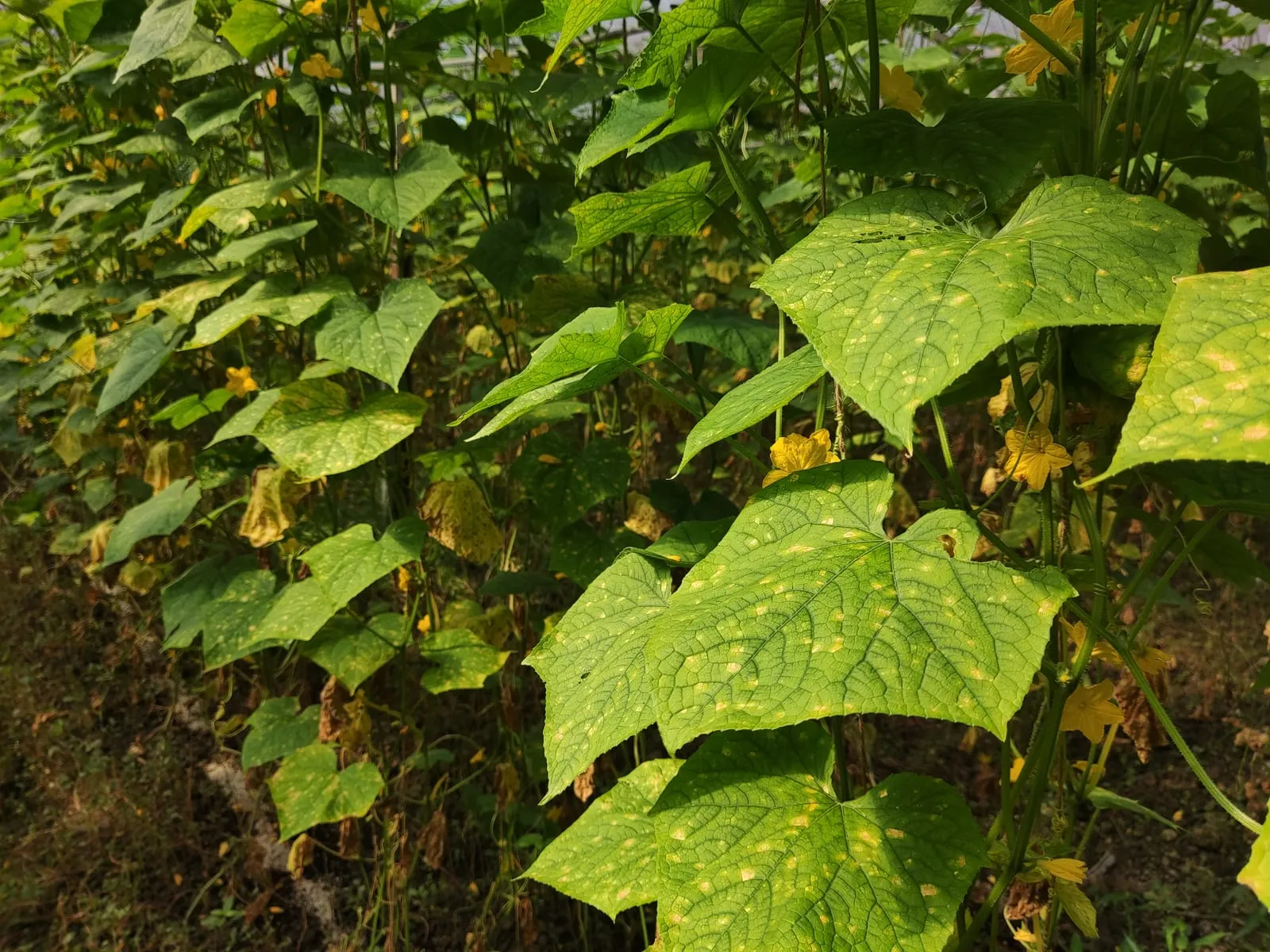
Pseudoperonospora cubensis (cucurbits) and others
Water mold (oomycete, not a true fungus) that thrives in cool damp conditions. Spreads rapidly through cucurbit and brassica plantings on wind-borne spores.
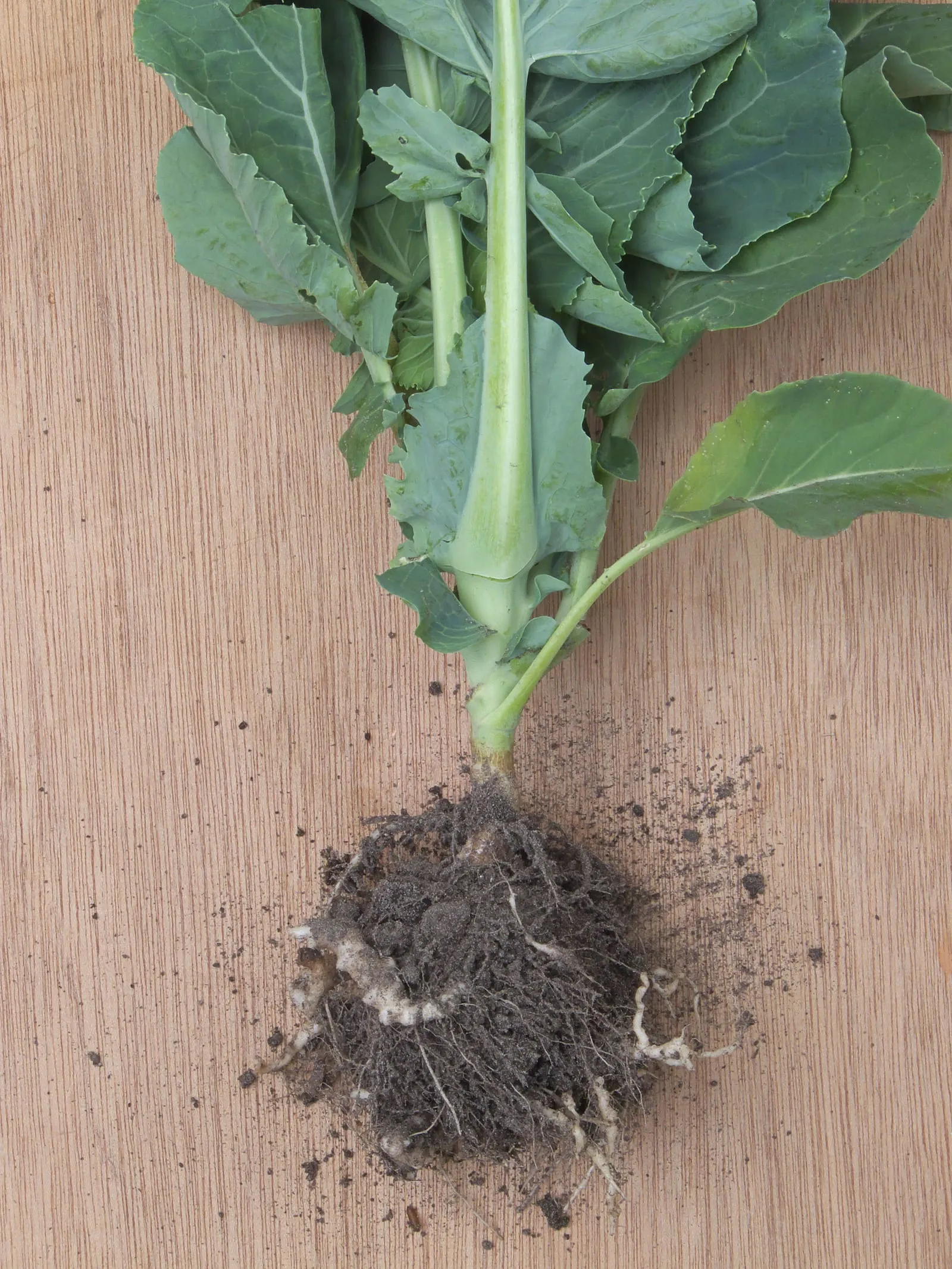
Plasmodiophora brassicae
Soil-borne disease causing characteristic distorted club-shaped roots on brassicas. Persists in soil for 10-20 years; the dominant brassica pathogen in acidic poorly-drained soils.
Modified care for zone 4b
Both diseases on record for this crop require active management in zone 4b. Downy mildew favors the cool, wet conditions common in early spring and fall here; spacing plants at least 18 inches apart and using drip rather than overhead irrigation reduces infection pressure significantly. Clubroot (Plasmodiophora brassicae) persists in soil for 15 to 20 years and accumulates wherever brassicas are grown repeatedly; a minimum 3-year rotation away from all brassica family crops (cabbage, broccoli, radish, turnip) is non-negotiable on affected plots. Raising soil pH above 7.0 through lime application also suppresses clubroot germination.
On the timing side, the compressed growing season rewards using transplants over direct seeding for spring crops, recovering 3 to 4 weeks of establishment time. A floating row cover over fall plantings extends harvest past early frosts and into late October.
Kale in adjacent zones
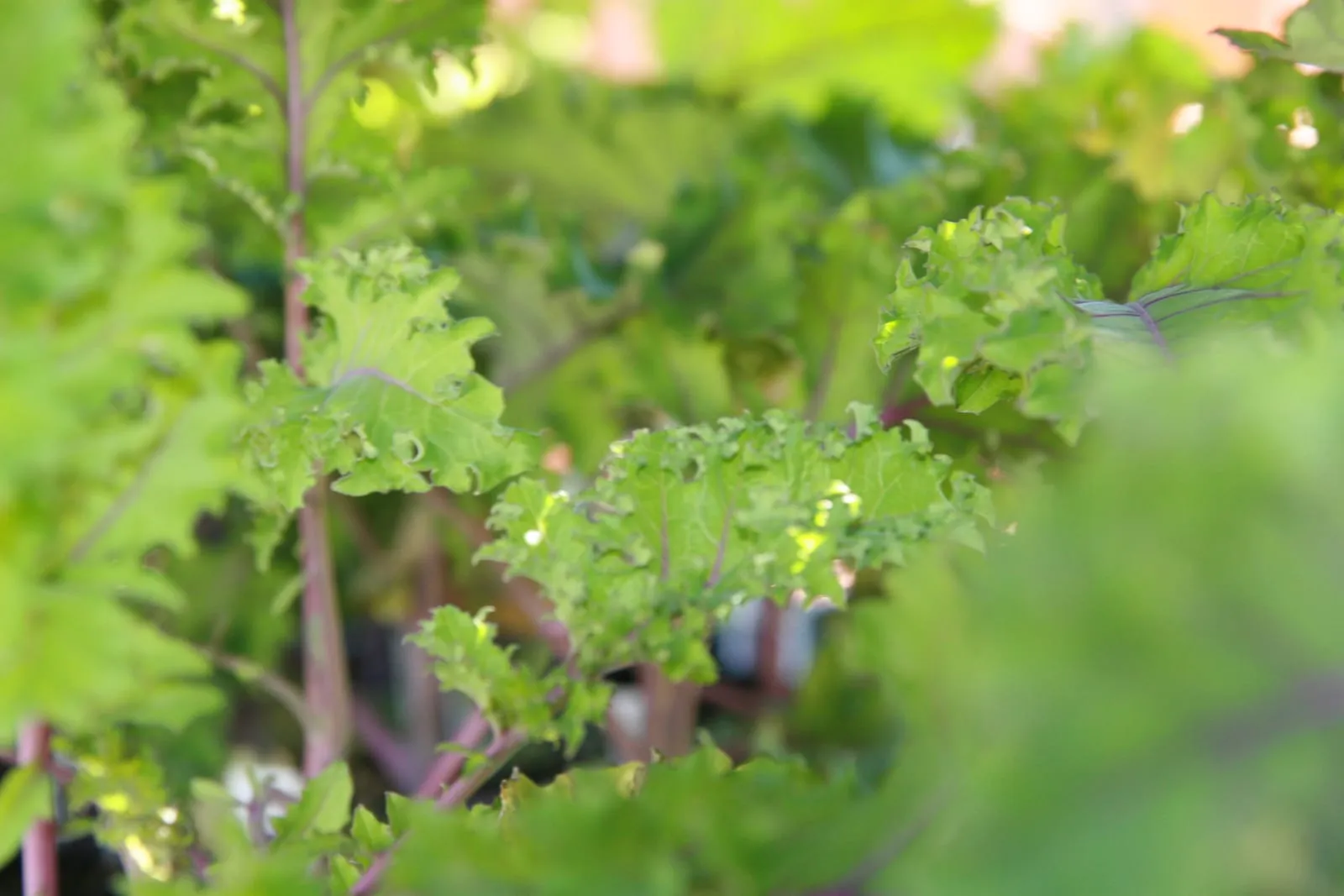
Image: "Brassica oleracea var. acephala Redbor 0zz", by Photo by David J. Stang, via Wikimedia Commons, licensed under CC-BY Source.

Related