vegetable in zone 5a
Growing kale in zone 5a
Brassica oleracea var. acephala
- Zone
- 5a -20°F to -15°F
- Growing season
- 150 days
- Suitable varieties
- 4
- Days to harvest
- 50 to 75
The verdict
Kale is well-matched to zone 5a, not a marginal case. Unlike fruit trees that require specific chill-hour accumulation, kale is a cool-season brassica with no chill-hour requirement. What it needs instead is a growing season long enough for two crops (spring and fall), and zone 5a's 150-day window delivers exactly that.
The zone's temperature range of -20 to -15°F in winter will kill unhardened kale, but that matters less than it sounds: kale grown as a fall crop can handle light frosts and brief dips into the low 20s°F, improving in flavor after cold exposure. Established plants in zone 5a typically remain harvestable through November without any protection, and into December with mulch.
The listed zone challenge of late spring frosts is, in kale's case, a mild advantage rather than a threat. Frost sweetens the leaves. Seedlings direct-sown or transplanted before the last frost date do need monitoring, but mature plants tolerate the cold that would damage tender warm-season crops.
Recommended varieties for zone 5a
4 cultivars suited to this zone, with disease-resistance and zone-fit annotations.
| Variety | Notes | Zone fit | Disease resistance |
|---|---|---|---|
| Lacinato fits zone 5a | Earthy, sweet after frost, tender enough for salads; long blue-green dimpled strap leaves. Italian Tuscan classic, salads, soups, kale chips. Most cold-tolerant, sweetens with frost. | | none noted |
| Red Russian fits zone 5a | Mild, tender, red-purple veins on flat oak-leaf shape; the most salad-friendly kale. Salads, sauteing, smoothies. Hardy, productive, beautiful in mixed beds. | | none noted |
| Curly Vates fits zone 5a | Strong, slightly bitter, the classic curly-leaf kale; deep frilled leaves. Soups, smoothies, kale chips, sautes. Very cold-hardy, holds through hard freezes. | | none noted |
| Redbor fits zone 5a | Mild, sweet, deep purple-red curly leaves that intensify in color with cold. Salads, ornamental edible plantings. Hardy, ornamental, slow to bolt. | | none noted |
Critical timing for zone 5a
In zone 5a, where the last spring frost typically falls in mid-May and the first fall frost arrives in early to mid-October, kale fits into two distinct planting windows.
For spring crops, transplants go out 4 to 6 weeks before the last frost date, around late March to early April, or seeds can be direct-sown as soon as soil is workable. First harvest of outer leaves begins at 50 to 70 days depending on variety. Lacinato and Red Russian tend toward the shorter end; Redbor can run longer.
Fall crops are generally more productive. Count back 60 to 70 days from the first expected fall frost and direct-sow or transplant in mid-August. This timing lets plants mature before hard frosts while still capturing the cold sweetening effect through October and November.
Common challenges in zone 5a
- ▸ Fire blight in pears
- ▸ Cedar-apple rust
- ▸ Late spring frosts
Disease pressure to watch for
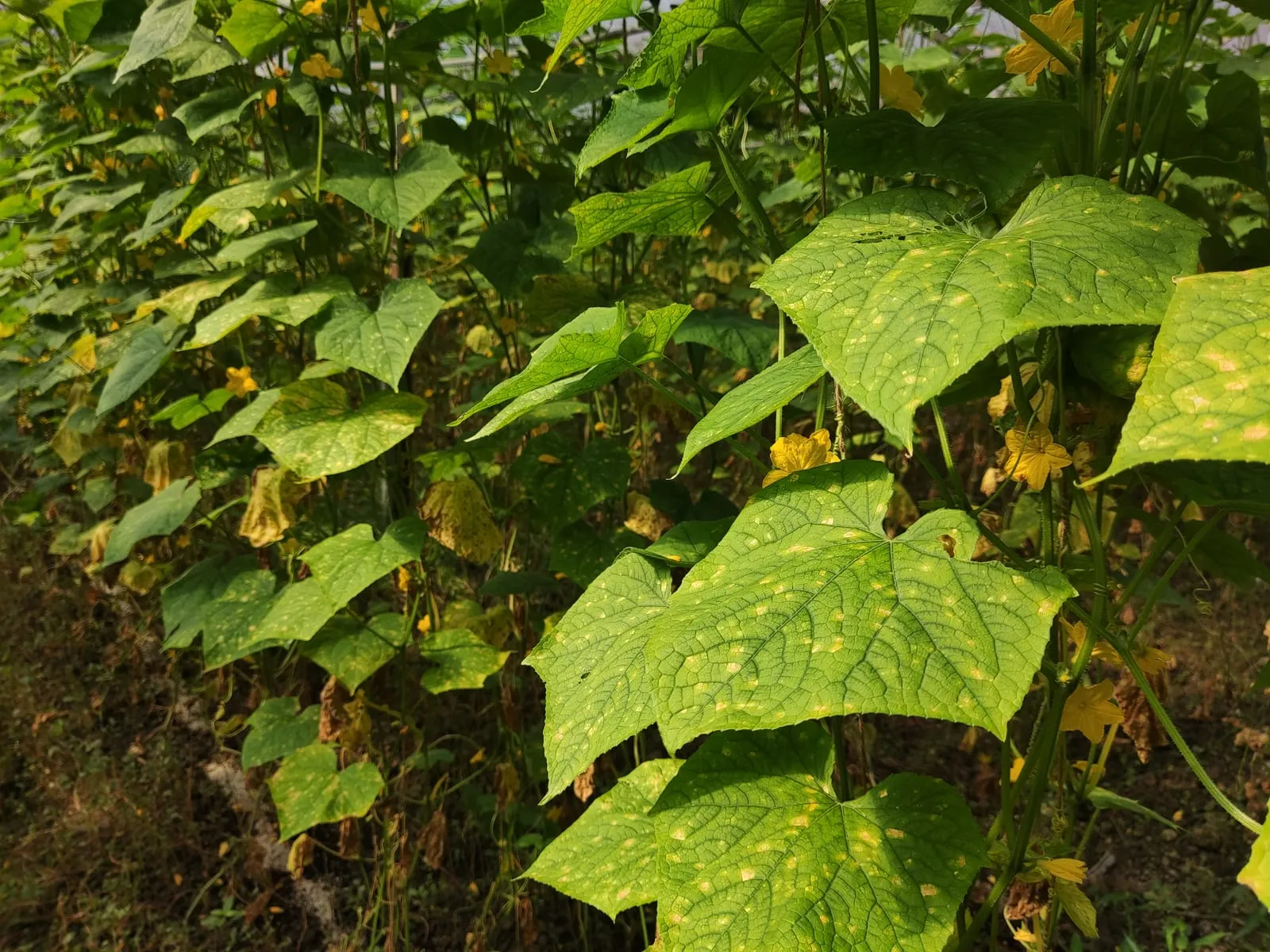
Pseudoperonospora cubensis (cucurbits) and others
Water mold (oomycete, not a true fungus) that thrives in cool damp conditions. Spreads rapidly through cucurbit and brassica plantings on wind-borne spores.
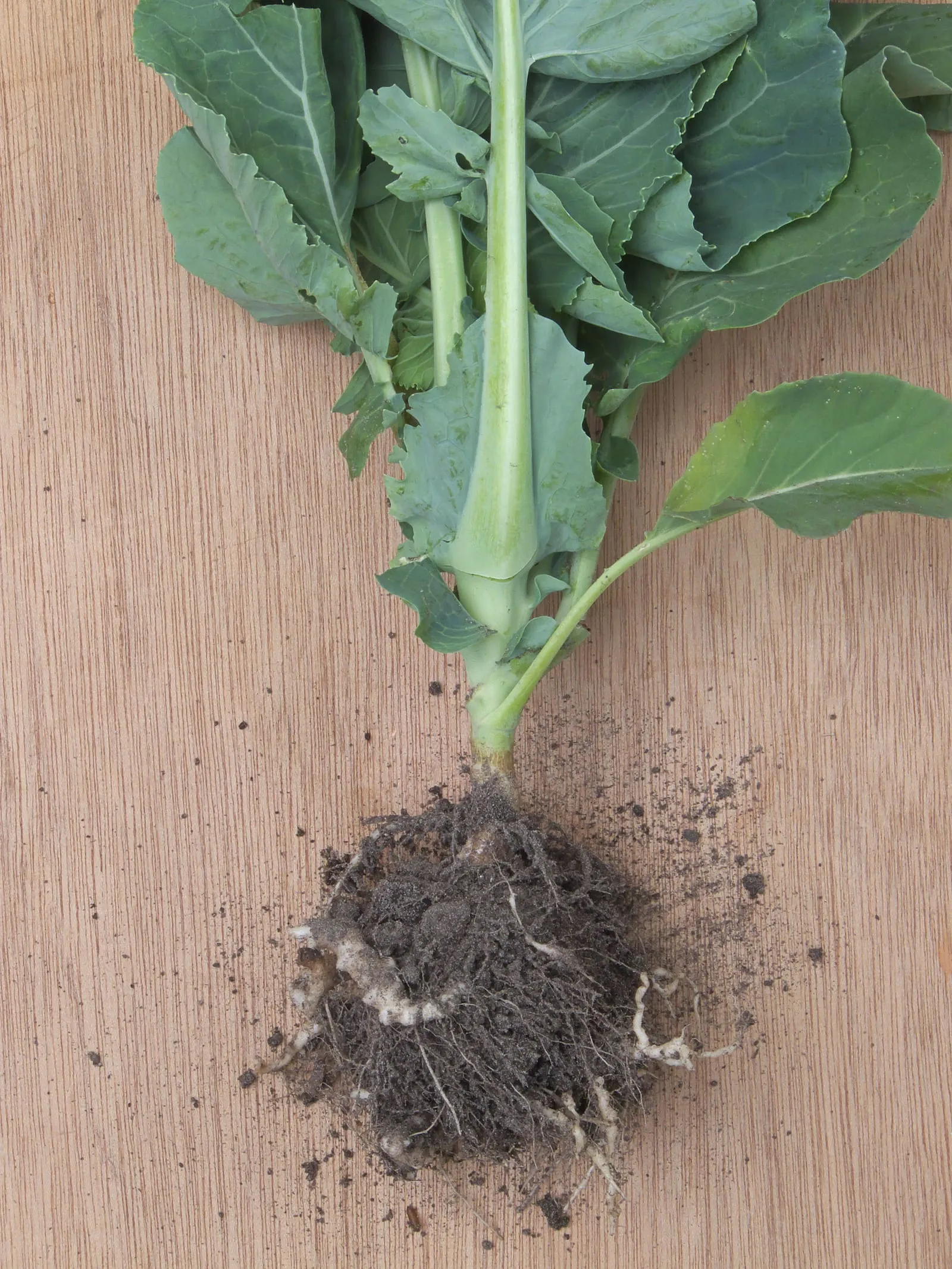
Plasmodiophora brassicae
Soil-borne disease causing characteristic distorted club-shaped roots on brassicas. Persists in soil for 10-20 years; the dominant brassica pathogen in acidic poorly-drained soils.
Modified care for zone 5a
Zone 5a's cold winters and wet spring shoulder seasons create two management priorities that differ from warmer parts of kale's range.
Downy mildew is the more immediate disease pressure. Cool, wet spring conditions in zone 5a favor spore germination on young leaves. Spacing plants at least 18 inches apart improves airflow; overhead watering in the morning rather than evening reduces leaf wetness duration. Remove and dispose of infected leaves promptly.
Clubroot is a soil-borne pathogen that persists for years once established. Raising bed pH above 7.2 with lime reduces its activity; rotating brassicas on a minimum 3-year cycle limits buildup. Test soil pH before planting if clubroot has appeared in the bed previously.
For growers who want to extend fall harvest past the first hard freezes, a 4-inch straw mulch around plant bases and a row cover rated to 24°F can push the harvest window 4 to 6 weeks past the first hard frost, often into December in zone 5a.
Frequently asked questions
- Can kale survive winter in zone 5a without protection?
Unprotected kale will not survive zone 5a winters, where temperatures reach -20 to -15°F. Plants grown as fall crops can be kept productive into December with heavy mulch and row cover, but full overwintering requires a cold frame or low tunnel.
- Which kale varieties perform best in zone 5a?
Lacinato, Red Russian, Curly Vates, and Redbor all perform reliably. Red Russian has a slight edge in frost tolerance and early-spring regrowth. Redbor is the most cold-tolerant of the ornamental types and holds texture well after repeated freezes.
- Does frost hurt kale quality in zone 5a?
Light to moderate frost (down to the low 20s°F) improves kale flavor by converting starches to sugars. Hard, sustained freezes below 20°F will damage outer leaves, but inner growth often recovers when temperatures rise.
+−
+−
+−
Kale in adjacent zones
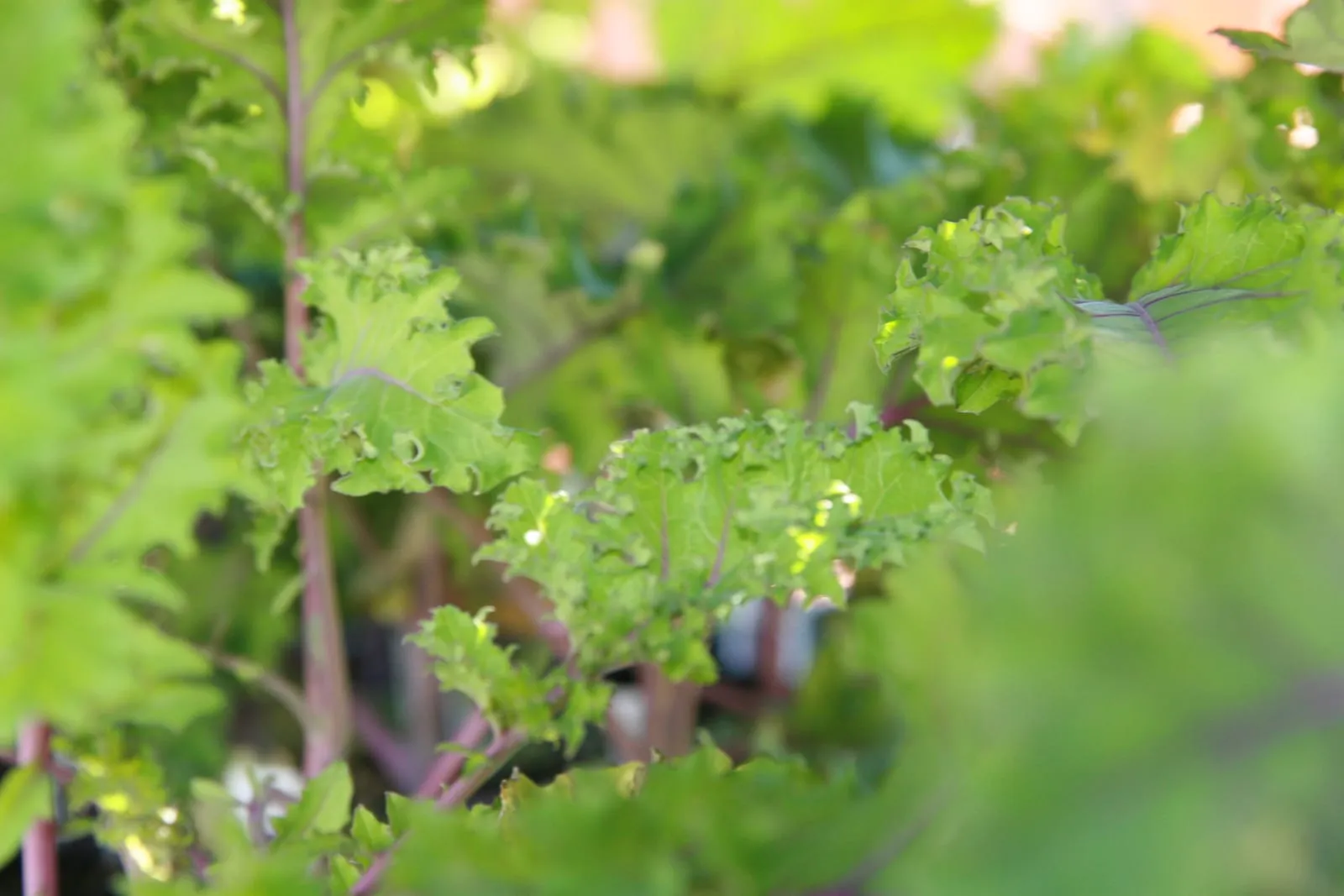
Image: "Brassica oleracea var. acephala Redbor 0zz", by Photo by David J. Stang, via Wikimedia Commons, licensed under CC-BY Source.

Related