vegetable in zone 5b
Growing kale in zone 5b
Brassica oleracea var. acephala
- Zone
- 5b -15°F to -10°F
- Growing season
- 165 days
- Suitable varieties
- 4
- Days to harvest
- 50 to 75
The verdict
Zone 5b is a strong match for kale, not a marginal one. Unlike fruit trees, kale carries no chill-hour requirement; it is a cool-season brassica that performs best when daytime temperatures stay in the 60s°F and nights dip toward freezing. Zone 5b delivers both conditions reliably across a 165-day growing season. The -15°F to -10°F winter minimum rules out reliable overwintering without protection, but kale grown as a spring or fall crop encounters near-ideal temperatures for most of the season.
Frost actually improves leaf quality in this zone. Cold converts stored starches to sugars, noticeably sweetening Lacinato and Red Russian after October frosts. Curly Vates and Redbor are similarly tolerant of hard frosts well into the mid-20s°F without significant leaf damage. The heat of July and August is the one liability: zone 5b summers push kale toward bolting and can make leaves tough and bitter. Timing plantings to avoid that window is the central skill for zone 5b kale growers.
Recommended varieties for zone 5b
4 cultivars suited to this zone, with disease-resistance and zone-fit annotations.
| Variety | Notes | Zone fit | Disease resistance |
|---|---|---|---|
| Lacinato fits zone 5b | Earthy, sweet after frost, tender enough for salads; long blue-green dimpled strap leaves. Italian Tuscan classic, salads, soups, kale chips. Most cold-tolerant, sweetens with frost. | | none noted |
| Red Russian fits zone 5b | Mild, tender, red-purple veins on flat oak-leaf shape; the most salad-friendly kale. Salads, sauteing, smoothies. Hardy, productive, beautiful in mixed beds. | | none noted |
| Curly Vates fits zone 5b | Strong, slightly bitter, the classic curly-leaf kale; deep frilled leaves. Soups, smoothies, kale chips, sautes. Very cold-hardy, holds through hard freezes. | | none noted |
| Redbor fits zone 5b | Mild, sweet, deep purple-red curly leaves that intensify in color with cold. Salads, ornamental edible plantings. Hardy, ornamental, slow to bolt. | | none noted |
Critical timing for zone 5b
Zone 5b last-frost dates typically fall between April 25 and May 10, with first fall frost between October 5 and October 20, though local elevation and cold-air drainage affect both figures. For spring crops, indoor seed starting runs from late February through early March; hardened transplants go out in early to mid-April, two to three weeks before expected last frost. Direct sowing outdoors is viable from mid-April onward.
Fall crops carry the greater flavor payoff in this zone. Working back 60 to 70 days from first fall frost, seeds started indoors in late July or direct-sown outdoors in mid-August mature just as October frosts arrive. Harvest continues through November and, with row cover, into December. Kale bolts in response to heat and long days rather than on a fixed calendar, so the primary timing concern is keeping the midsummer heat gap from triggering premature flowering before the fall harvest window opens.
Common challenges in zone 5b
- ▸ Plum curculio
- ▸ Codling moth
- ▸ Cedar-apple rust
Disease pressure to watch for
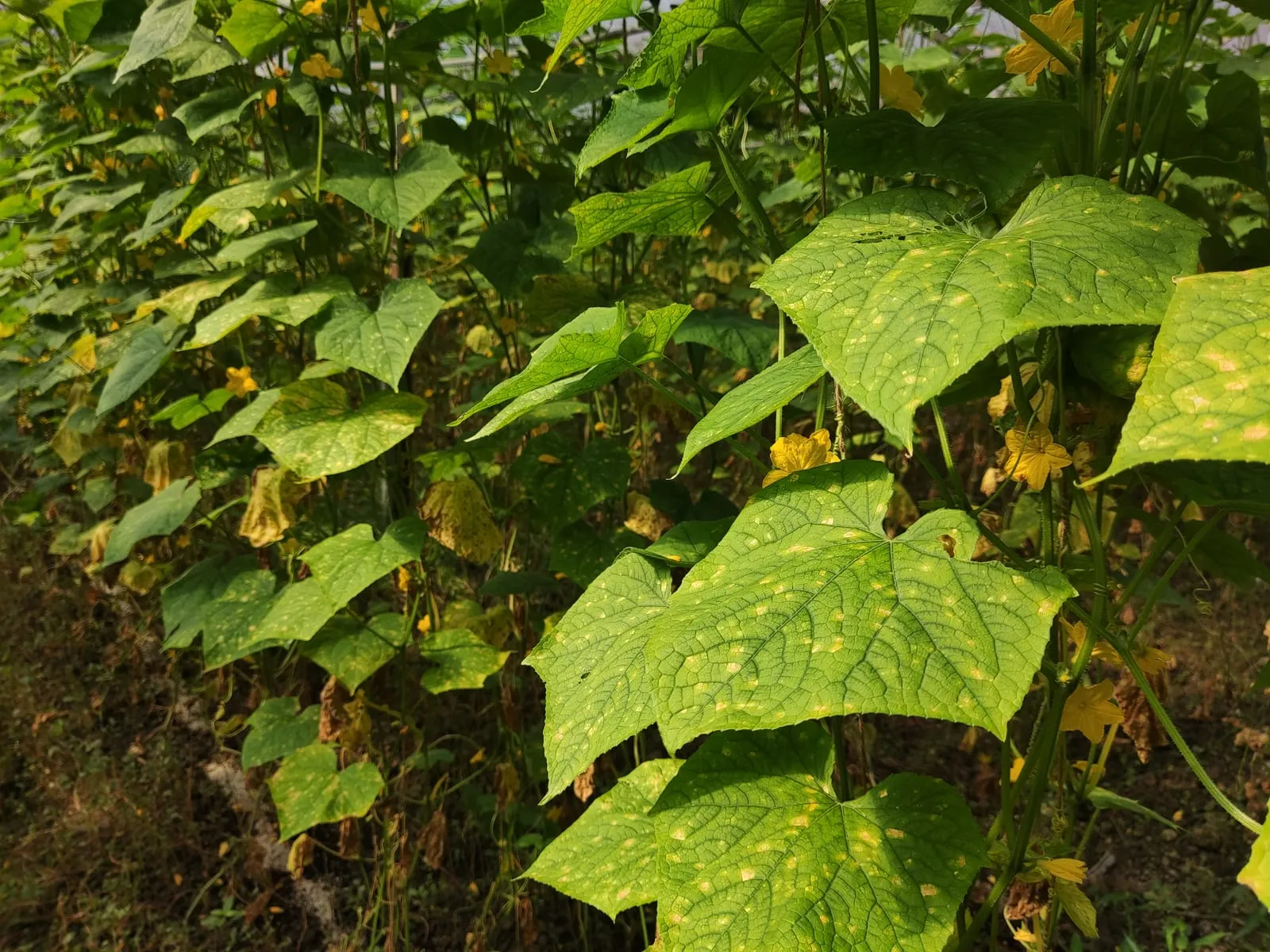
Pseudoperonospora cubensis (cucurbits) and others
Water mold (oomycete, not a true fungus) that thrives in cool damp conditions. Spreads rapidly through cucurbit and brassica plantings on wind-borne spores.
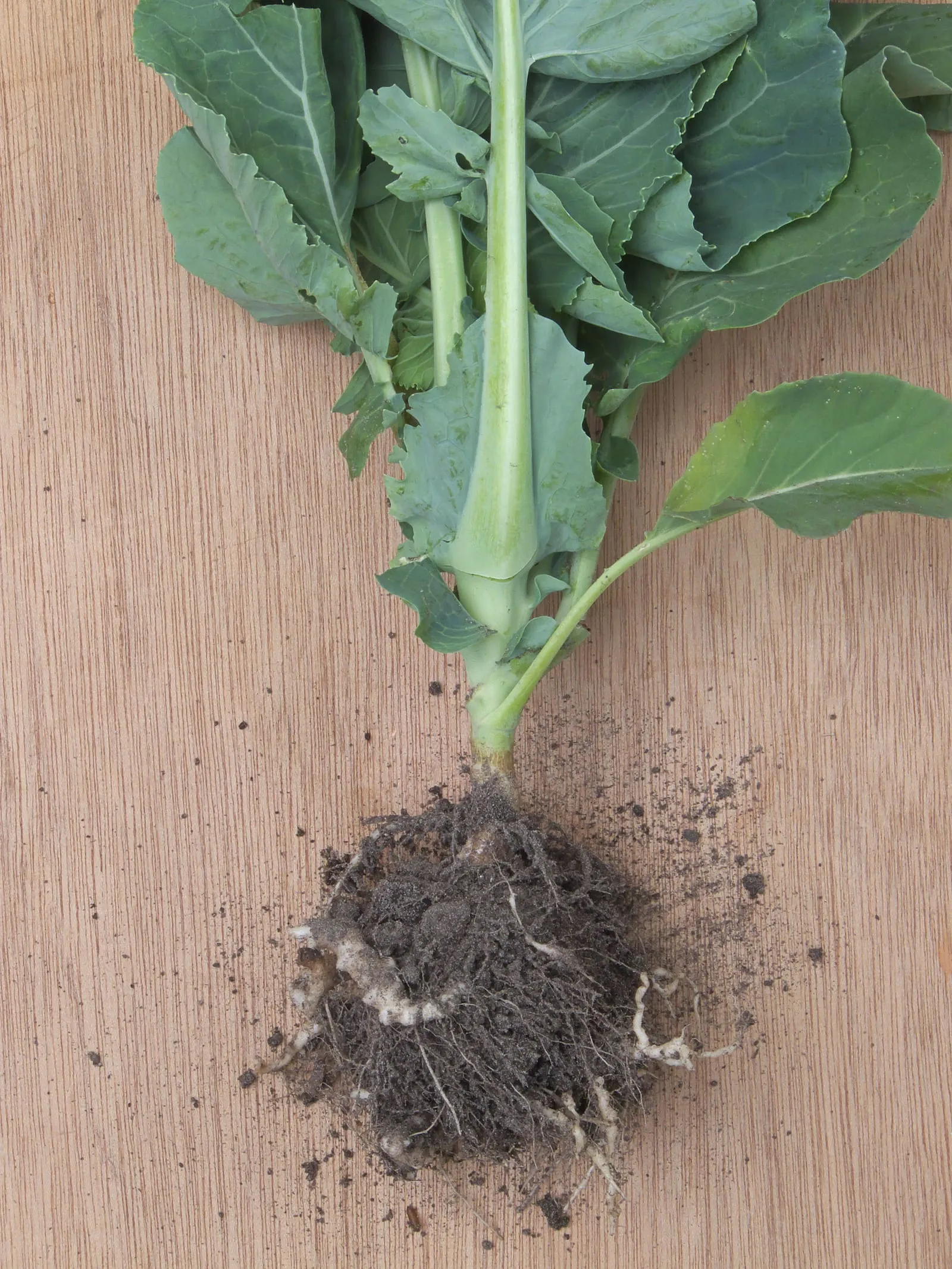
Plasmodiophora brassicae
Soil-borne disease causing characteristic distorted club-shaped roots on brassicas. Persists in soil for 10-20 years; the dominant brassica pathogen in acidic poorly-drained soils.
Modified care for zone 5b
The main adaptation in zone 5b is protecting fall-planted kale from hard freezes that arrive suddenly in October and November. Row cover rated to 24°F extends the harvest by four to six weeks without affecting leaf quality. The cover should be removed during mild spells to allow air circulation and reduce moisture buildup.
Downy mildew pressure increases during cool, wet zone 5b springs. Spacing plants at least 18 inches apart and avoiding overhead irrigation reduces incidence. Clubroot, a soil-borne disease that persists for years as resting spores, is suppressed by maintaining soil pH above 7.0; infected beds should be rotated out of all brassicas for a minimum of four years.
Midsummer succession planting is more practical than trying to carry spring plants through July heat. A second direct sowing in late July sidesteps the midsummer gap. Redbor shows better heat tolerance than Lacinato during warm summers, making it the more reliable choice when continuity of production across the full season matters.
Frequently asked questions
- Does kale survive winter in zone 5b?
Unprotected kale plants rarely survive zone 5b winters, where temperatures can reach -15°F. Plants under row cover or cold frames may persist through mild stretches but are not reliably perennial. The more dependable approach is treating kale as a fall annual and harvesting through December rather than attempting overwintering.
- When is the best time to plant kale in zone 5b?
Two windows work well: early April for spring crops (two to three weeks before last frost), and mid-July to early August for fall crops. Fall plantings produce sweeter leaves and avoid the bolting pressure that July heat puts on spring-started plants. Most zone 5b growers find the fall crop easier to manage and better-flavored.
- Why does kale taste sweeter after a frost?
Cold temperatures trigger enzymatic conversion of starches to simple sugars in kale leaves, a process sometimes called cold-sweetening. This is most pronounced after repeated light frosts in the 25°F to 32°F range. Lacinato and Red Russian both show this effect clearly; harvesting after the first hard frost rather than before it gives noticeably better flavor.
- How do I prevent clubroot in zone 5b kale beds?
Clubroot spores persist in soil for up to 20 years, so prevention is more effective than treatment. Keep soil pH above 7.0 (lime if needed), avoid moving soil between beds, and rotate brassicas on a minimum four-year cycle. Once clubroot is confirmed in a bed, that ground should not grow kale, cabbage, broccoli, or other brassicas for several seasons.
+−
+−
+−
+−
Kale in adjacent zones
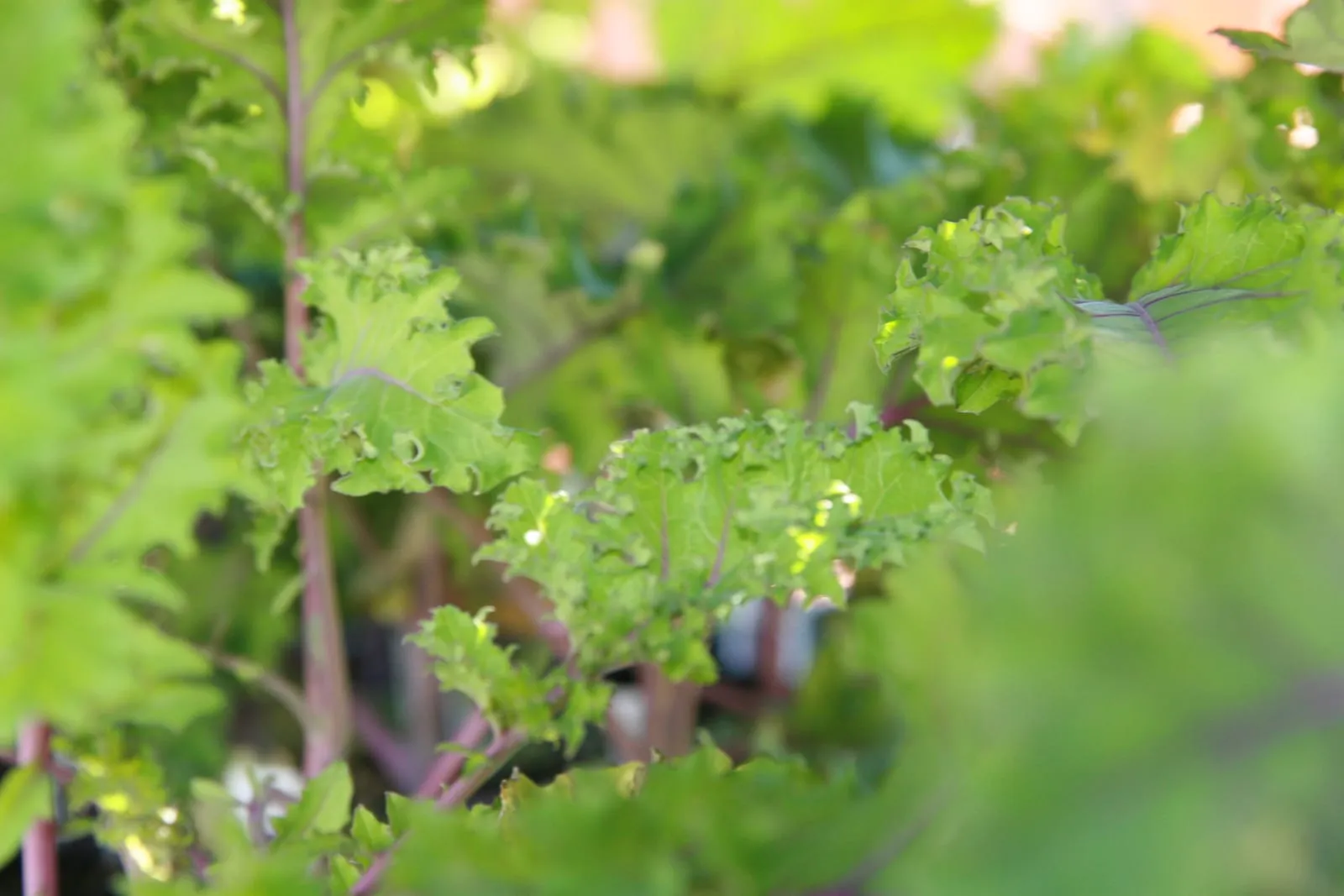
Image: "Brassica oleracea var. acephala Redbor 0zz", by Photo by David J. Stang, via Wikimedia Commons, licensed under CC-BY Source.

Related