vegetable in zone 6a
Growing kale in zone 6a
Brassica oleracea var. acephala
- Zone
- 6a -10°F to -5°F
- Growing season
- 180 days
- Suitable varieties
- 4
- Days to harvest
- 50 to 75
The verdict
Zone 6a is a reliable sweet spot for kale, not a marginal one. The minimum winter temperatures of -10 to -5°F are well within kale's cold tolerance; established plants regularly survive short dips below 0°F, and cold exposure actually improves leaf sweetness by triggering sugar accumulation. Kale does not have chill-hour requirements the way tree fruits do, so there is no matching calculation to worry about.
The 180-day growing season allows for two productive windows: a spring crop from late-winter transplants and a fall crop that can persist into December or beyond under modest protection. All four varieties listed here, Lacinato, Red Russian, Curly Vates, and Redbor, are well tested across zone 6 and perform consistently. Red Russian handles late-season cold particularly well. The real limiting factor in zone 6a is summer heat, which encourages bolting and reduces leaf quality, not winter cold.
Recommended varieties for zone 6a
4 cultivars suited to this zone, with disease-resistance and zone-fit annotations.
| Variety | Notes | Zone fit | Disease resistance |
|---|---|---|---|
| Lacinato fits zone 6a | Earthy, sweet after frost, tender enough for salads; long blue-green dimpled strap leaves. Italian Tuscan classic, salads, soups, kale chips. Most cold-tolerant, sweetens with frost. | | none noted |
| Red Russian fits zone 6a | Mild, tender, red-purple veins on flat oak-leaf shape; the most salad-friendly kale. Salads, sauteing, smoothies. Hardy, productive, beautiful in mixed beds. | | none noted |
| Curly Vates fits zone 6a | Strong, slightly bitter, the classic curly-leaf kale; deep frilled leaves. Soups, smoothies, kale chips, sautes. Very cold-hardy, holds through hard freezes. | | none noted |
| Redbor fits zone 6a | Mild, sweet, deep purple-red curly leaves that intensify in color with cold. Salads, ornamental edible plantings. Hardy, ornamental, slow to bolt. | | none noted |
Critical timing for zone 6a
In zone 6a, last spring frost typically falls in mid-April, with first fall frost arriving in mid-October, a window consistent with the zone's 180-day season. For spring production, transplants go into the ground 4 to 6 weeks before the expected last frost, roughly late February to mid-March indoors, with outdoor transplanting in late March to early April. Direct sowing is possible but transplants give a more reliable head start.
For fall production, count backward from the first expected frost: seed indoors or direct-sow in mid-July to early August. Kale planted on this schedule will be harvesting through October and November. Bolting, the transition to flower stalk production, occurs in the plant's second spring when day length increases; plants overwintered in zone 6a will bolt in April. Harvest quality declines sharply at that point.
Common challenges in zone 6a
- ▸ Brown rot in stone fruit
- ▸ Japanese beetles
- ▸ Spring frost damage to peach buds
Disease pressure to watch for
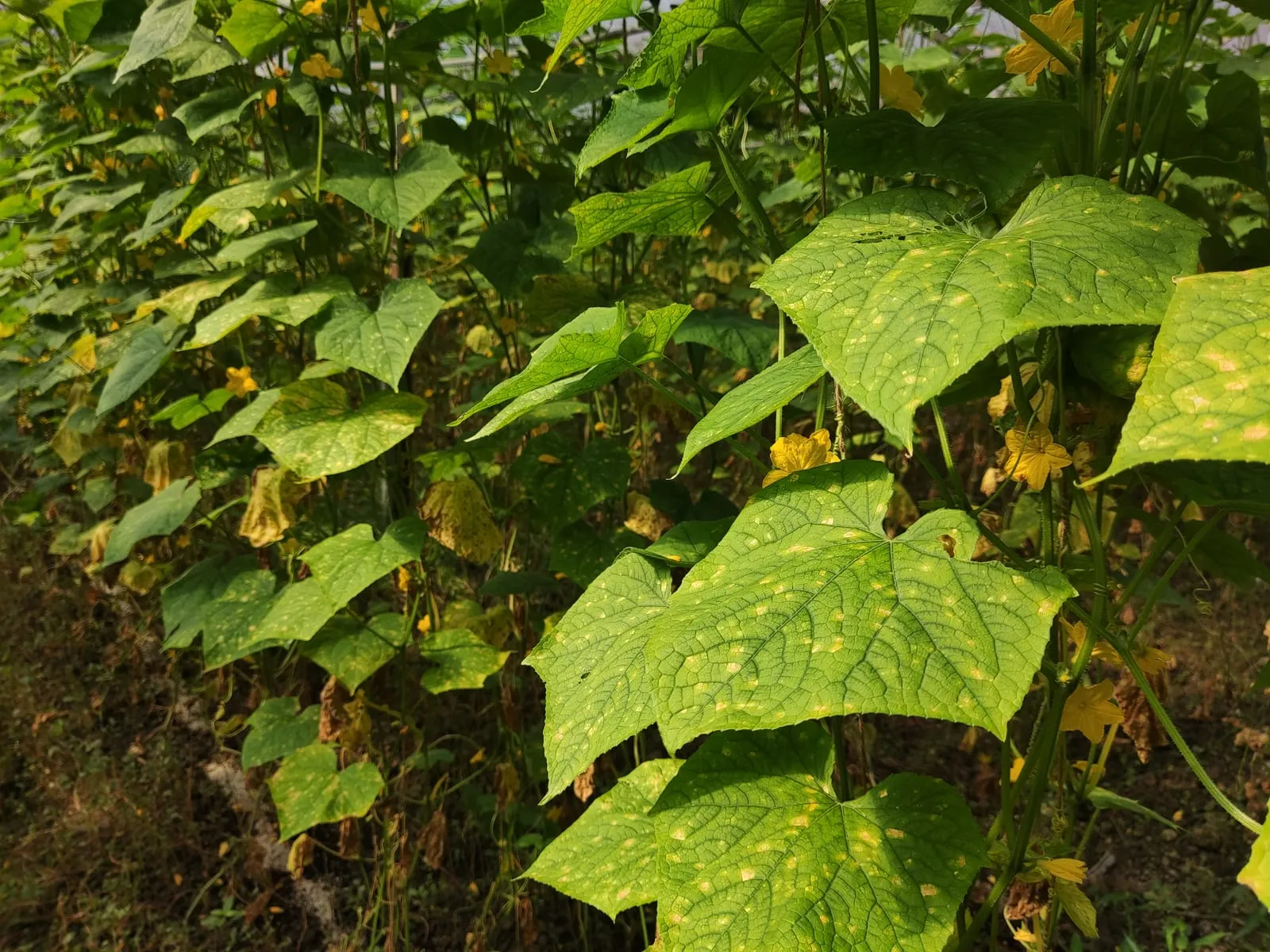
Pseudoperonospora cubensis (cucurbits) and others
Water mold (oomycete, not a true fungus) that thrives in cool damp conditions. Spreads rapidly through cucurbit and brassica plantings on wind-borne spores.
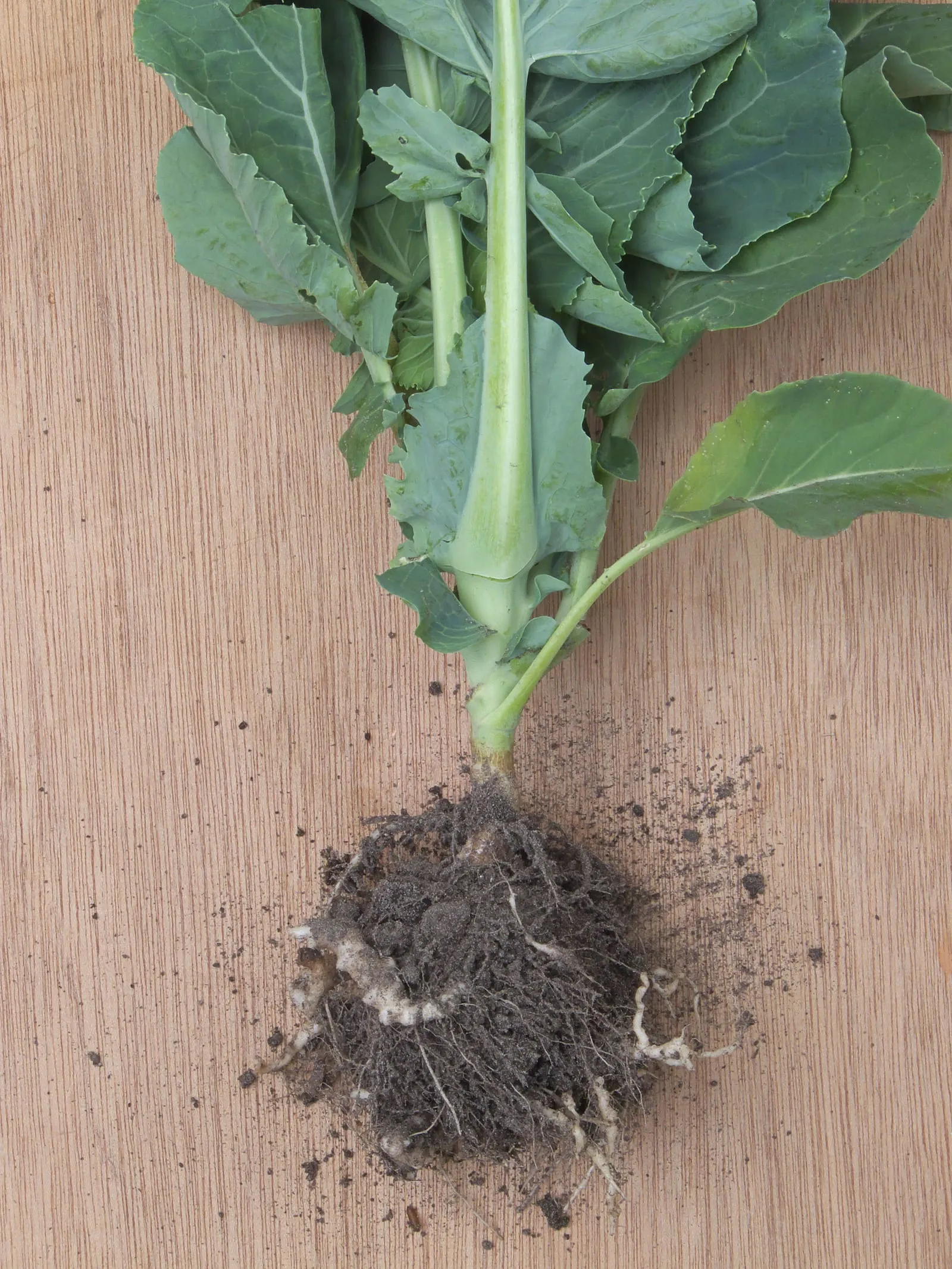
Plasmodiophora brassicae
Soil-borne disease causing characteristic distorted club-shaped roots on brassicas. Persists in soil for 10-20 years; the dominant brassica pathogen in acidic poorly-drained soils.
Modified care for zone 6a
The primary adjustment for zone 6a is protecting overwintering fall plantings. Kale survives hard freezes under its own hardiness, but a sustained cold snap below -5°F with no snow cover can damage or kill exposed crowns. A layer of straw mulch over the root zone and a row cover on the coldest nights extends harvestable quality well into winter without requiring a cold frame.
Japanese beetle pressure, noted as a zone challenge, also affects brassicas. Kale is not their first target compared to beans or roses, but infestations can skeletonize young transplants in midsummer. Hand removal and neem applications at dusk are the practical options. Clubroot, a persistent soil pathogen, is more serious: once established, it survives in soil for 20 or more years. Raise soil pH to 7.0 to 7.2 with lime before planting, rotate brassicas on a three-year cycle, and avoid moving infected soil to clean beds. Downy mildew peaks in cool, wet springs; spacing plants for airflow reduces incidence.
Frequently asked questions
- Can kale survive zone 6a winters without protection?
Established kale handles temperatures down to around -5 to 0°F without protection. Zone 6a's minimum range of -10 to -5°F can damage exposed crowns during a severe cold snap, so a straw mulch layer and a row cover on the coldest nights are worthwhile precautions for overwintering fall plantings.
- Why does kale taste better after a frost in zone 6a?
Cold temperatures cause kale to convert starches to sugars as a physiological response to freezing stress. This is not specific to zone 6a, but the reliable hard frosts of October and November in this zone make it easy to take advantage of. Leaves harvested after two or three frosts are noticeably sweeter than midsummer leaves.
- What is clubroot and should zone 6a growers worry about it?
Clubroot is a soil-borne pathogen that deforms brassica roots and stunts growth. It is present across zone 6, particularly in heavy, acidic soils. Maintaining soil pH at 7.0 to 7.2 and rotating brassicas on a three-year cycle are the main prevention tools. Once established in a bed, it is effectively permanent.
- Which kale variety is best for a zone 6a winter harvest?
Red Russian is the most cold-tolerant of the common varieties and holds quality the longest into winter. Lacinato (also called Dinosaur or Tuscan kale) is also reliable. Curly Vates is widely grown and cold-hardy. Redbor adds visual contrast and performs similarly to Curly Vates in cold tolerance.
+−
+−
+−
+−
Kale in adjacent zones
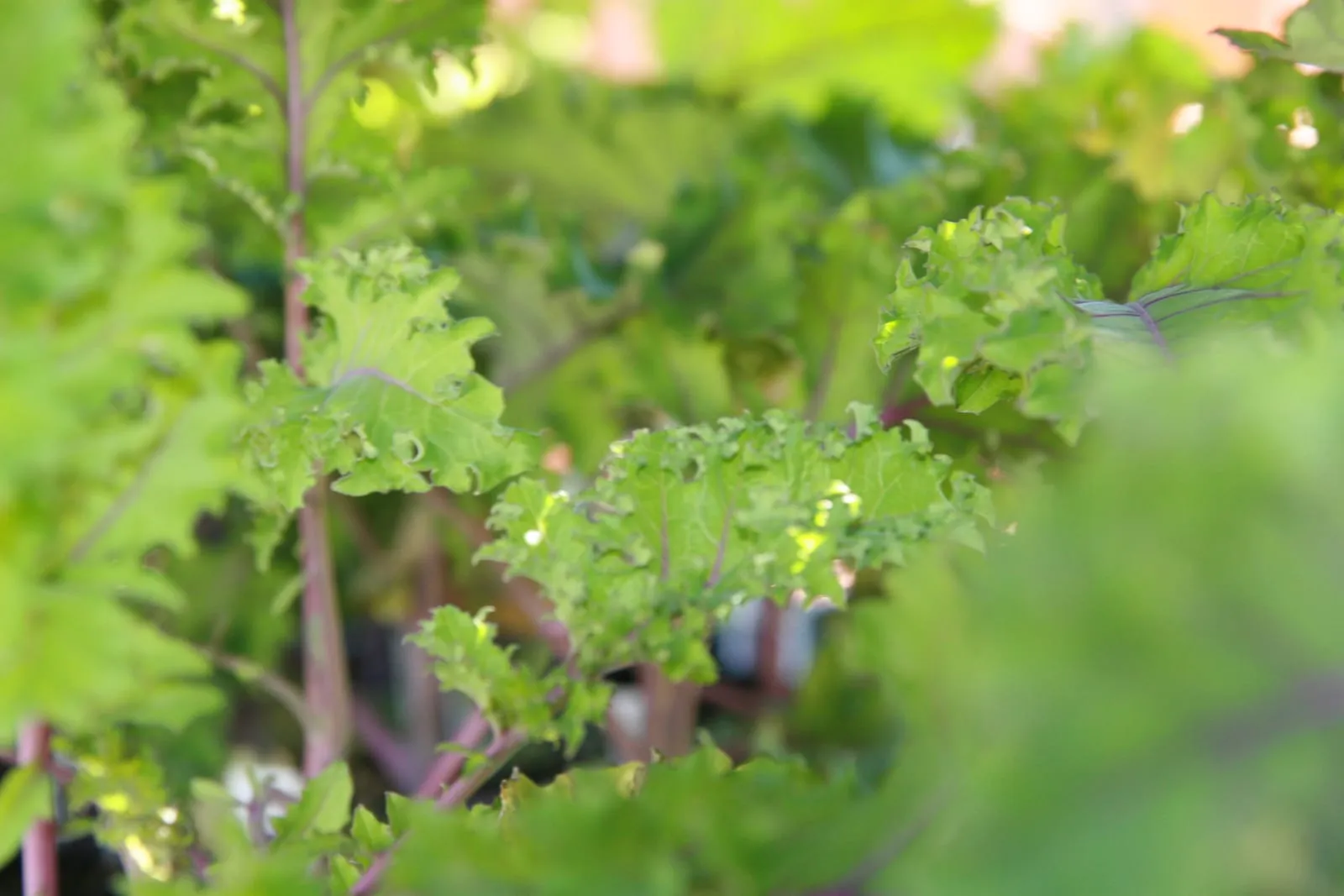
Image: "Brassica oleracea var. acephala Redbor 0zz", by Photo by David J. Stang, via Wikimedia Commons, licensed under CC-BY Source.

Related