vegetable in zone 6b
Growing kale in zone 6b
Brassica oleracea var. acephala
- Zone
- 6b -5°F to 0°F
- Growing season
- 190 days
- Suitable varieties
- 4
- Days to harvest
- 50 to 75
The verdict
Zone 6b sits in the sweet spot for kale. The 190-day growing season and minimum winter temperatures of -5°F to 0°F create conditions where kale functions well as both a spring and fall crop, with fall harvests often extending into December under light row cover. Kale is a cool-season brassica rather than a perennial fruit crop, so chill-hour accumulation does not apply here; what matters instead is sustained cool temperatures in the 45°F to 65°F range, which zone 6b delivers reliably in both shoulder seasons. The crop improves in flavor after repeated frost exposure, making zone 6b's autumn frosts an asset rather than a liability. Of the four varieties suited to this zone, Lacinato and Red Russian are particularly cold-tolerant and can overwinter with minimal protection in mild zone 6b winters. Redbor combines similar cold hardiness with heavier leaf texture that holds up well into late fall harvests. Zone 6b is not a marginal zone for kale; it is close to ideal.
Recommended varieties for zone 6b
4 cultivars suited to this zone, with disease-resistance and zone-fit annotations.
| Variety | Notes | Zone fit | Disease resistance |
|---|---|---|---|
| Lacinato fits zone 6b | Earthy, sweet after frost, tender enough for salads; long blue-green dimpled strap leaves. Italian Tuscan classic, salads, soups, kale chips. Most cold-tolerant, sweetens with frost. | | none noted |
| Red Russian fits zone 6b | Mild, tender, red-purple veins on flat oak-leaf shape; the most salad-friendly kale. Salads, sauteing, smoothies. Hardy, productive, beautiful in mixed beds. | | none noted |
| Curly Vates fits zone 6b | Strong, slightly bitter, the classic curly-leaf kale; deep frilled leaves. Soups, smoothies, kale chips, sautes. Very cold-hardy, holds through hard freezes. | | none noted |
| Redbor fits zone 6b | Mild, sweet, deep purple-red curly leaves that intensify in color with cold. Salads, ornamental edible plantings. Hardy, ornamental, slow to bolt. | | none noted |
Critical timing for zone 6b
Kale is harvested as a leafy vegetable well before bolting occurs, so bloom timing is not the relevant calendar marker. In zone 6b, spring planting begins 4 to 6 weeks before the last frost date, typically late February through mid-March for transplants or direct seeding under cover. Fall is the preferred season. Direct sowing or transplanting in late July through mid-August allows plants to mature as temperatures drop, with peak harvest running from October through the first hard freezes. With row cover, harvest can extend through December and into January in sheltered sites. Spring crops risk bolting as temperatures climb above 75°F; fall timing sidesteps this pressure and takes full advantage of zone 6b's extended cool autumn, which routinely delivers 8 to 10 weeks of ideal growing conditions before temperatures become limiting.
Common challenges in zone 6b
- ▸ Cedar-apple rust
- ▸ Fire blight
- ▸ Stink bugs
Disease pressure to watch for
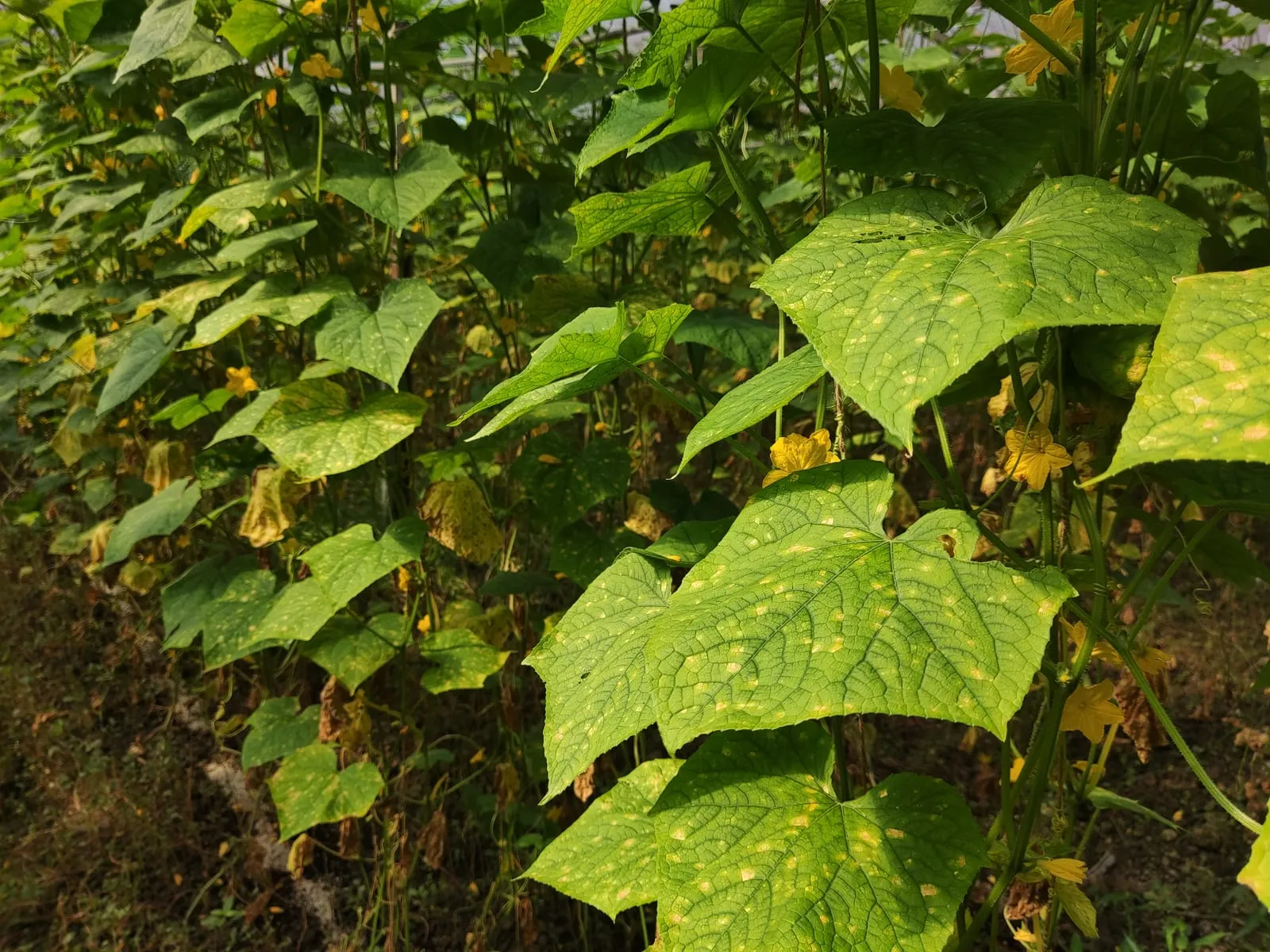
Pseudoperonospora cubensis (cucurbits) and others
Water mold (oomycete, not a true fungus) that thrives in cool damp conditions. Spreads rapidly through cucurbit and brassica plantings on wind-borne spores.
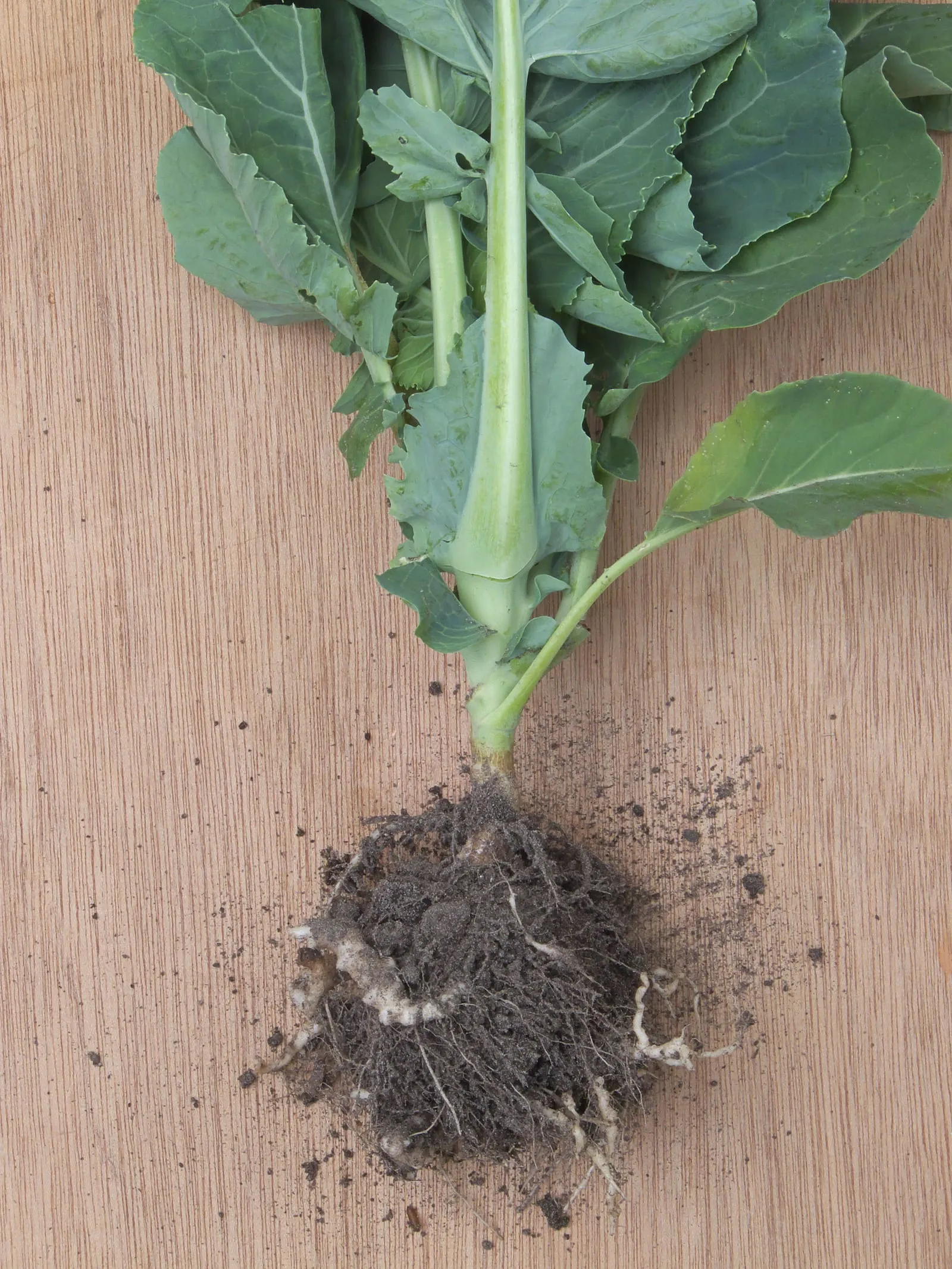
Plasmodiophora brassicae
Soil-borne disease causing characteristic distorted club-shaped roots on brassicas. Persists in soil for 10-20 years; the dominant brassica pathogen in acidic poorly-drained soils.
Modified care for zone 6b
The primary disease concerns in zone 6b are downy mildew and clubroot, both favored by the cool, moist conditions that also suit kale's growth. Clubroot is a soil-borne pathogen with no effective chemical cure once established; the practical response is strict crop rotation, keeping brassicas out of any affected bed for at least three years, and maintaining soil pH above 7.0, which suppresses spore germination. For downy mildew, adequate plant spacing and avoiding overhead irrigation in the evening are the main controls. Stink bugs, common across mid-Atlantic zone 6b gardens, cause visible feeding damage to kale leaves from late summer onward; row cover provides a physical barrier while plants are establishing. That same row cover allows Lacinato and Red Russian to survive the zone's -5°F to 0°F winter minimums and produce fresh growth through early spring, extending the harvest window well beyond what unprotected plants could sustain.
Kale in adjacent zones
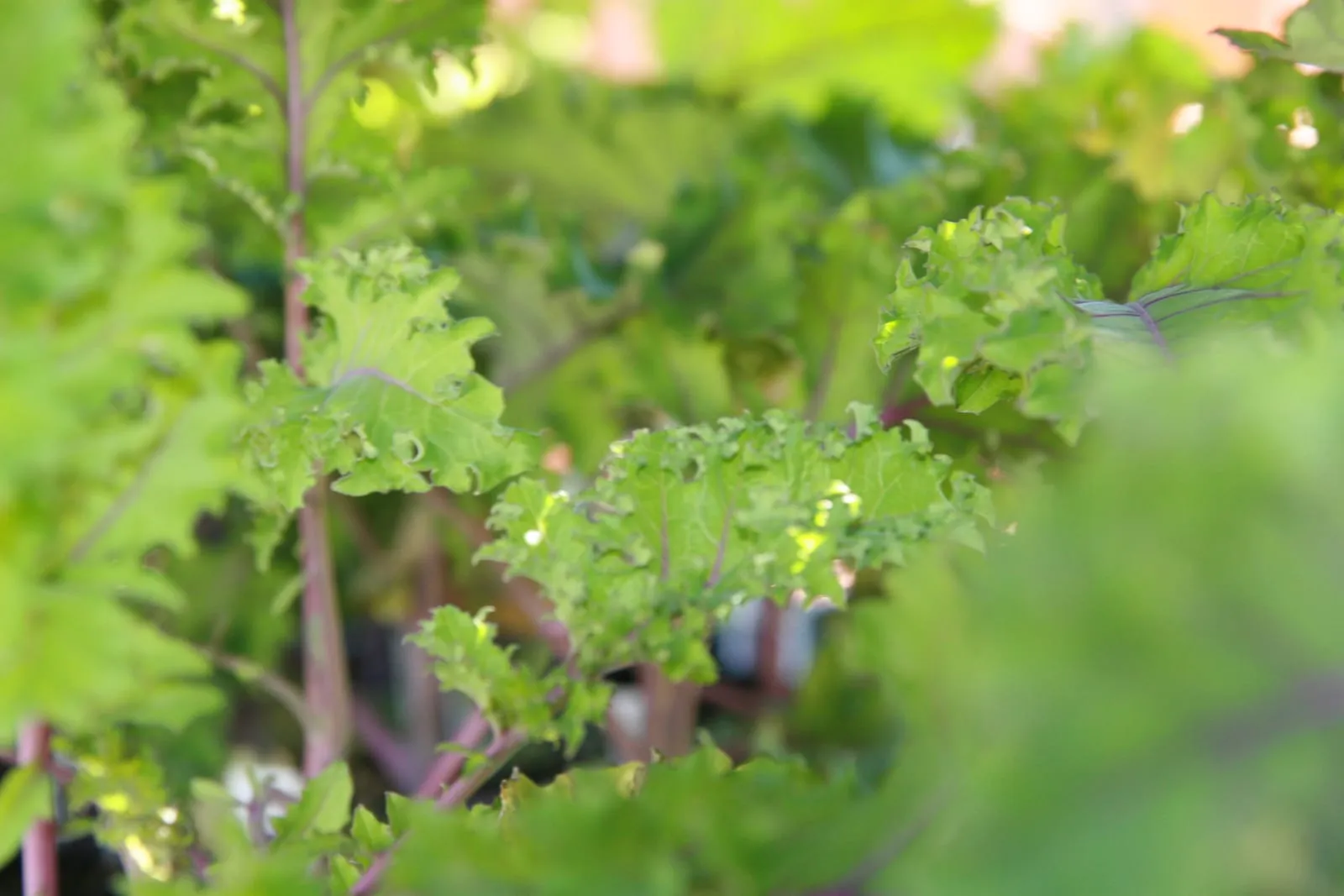
Image: "Brassica oleracea var. acephala Redbor 0zz", by Photo by David J. Stang, via Wikimedia Commons, licensed under CC-BY Source.

Related