vegetable in zone 7a
Growing kale in zone 7a
Brassica oleracea var. acephala
- Zone
- 7a 0°F to 5°F
- Growing season
- 210 days
- Suitable varieties
- 4
- Days to harvest
- 50 to 75
The verdict
Zone 7a is a genuine sweet spot for kale, not a marginal zone. Kale is a cool-season brassica with no chill-hour requirement; what it needs is a combination of frost exposure to trigger sugar development and enough shoulder-season length to build substantial leaf mass before heat stress or hard freezes end the harvest. Zone 7a delivers both. Minimum winter temperatures of 0 to 5°F are cold enough to sweeten the leaves without killing established plants outright, and the 210-day growing season accommodates both a spring planting window and a longer, more productive fall-to-winter run.
All four compatible varieties perform reliably here. Lacinato and Red Russian handle zone 7a winters well and hold leaf quality through repeated frosts. Curly Vates is among the most cold-tolerant curly types. Redbor, though primarily grown for visual interest, produces usable harvests from fall through early winter. There is no need to select for cold hardiness beyond what these standard varieties already offer.
Recommended varieties for zone 7a
4 cultivars suited to this zone, with disease-resistance and zone-fit annotations.
| Variety | Notes | Zone fit | Disease resistance |
|---|---|---|---|
| Lacinato fits zone 7a | Earthy, sweet after frost, tender enough for salads; long blue-green dimpled strap leaves. Italian Tuscan classic, salads, soups, kale chips. Most cold-tolerant, sweetens with frost. | | none noted |
| Red Russian fits zone 7a | Mild, tender, red-purple veins on flat oak-leaf shape; the most salad-friendly kale. Salads, sauteing, smoothies. Hardy, productive, beautiful in mixed beds. | | none noted |
| Curly Vates fits zone 7a | Strong, slightly bitter, the classic curly-leaf kale; deep frilled leaves. Soups, smoothies, kale chips, sautes. Very cold-hardy, holds through hard freezes. | | none noted |
| Redbor fits zone 7a | Mild, sweet, deep purple-red curly leaves that intensify in color with cold. Salads, ornamental edible plantings. Hardy, ornamental, slow to bolt. | | none noted |
Critical timing for zone 7a
In zone 7a, the fall planting window is the primary season. Transplants or direct-sown seed go in from mid-August through mid-September, aiming to have plants at harvestable size before the first hard frost, typically mid-November. Leaf quality improves steadily after night temperatures drop below 45°F. Established plants can carry through light freezes and continue producing into January in mild winters.
Spring plantings are viable but narrower. Seed can go in the ground in late February or early March, 4 to 6 weeks before last frost (zone 7a average: late March to mid-April). Plants that survive into May begin to bolt as days lengthen and temperatures climb past 75°F consistently. Fall plantings routinely outperform spring plantings in both yield and flavor in this zone.
Common challenges in zone 7a
- ▸ Cedar-apple rust
- ▸ Brown rot
- ▸ Fire blight
- ▸ High humidity disease pressure
Disease pressure to watch for
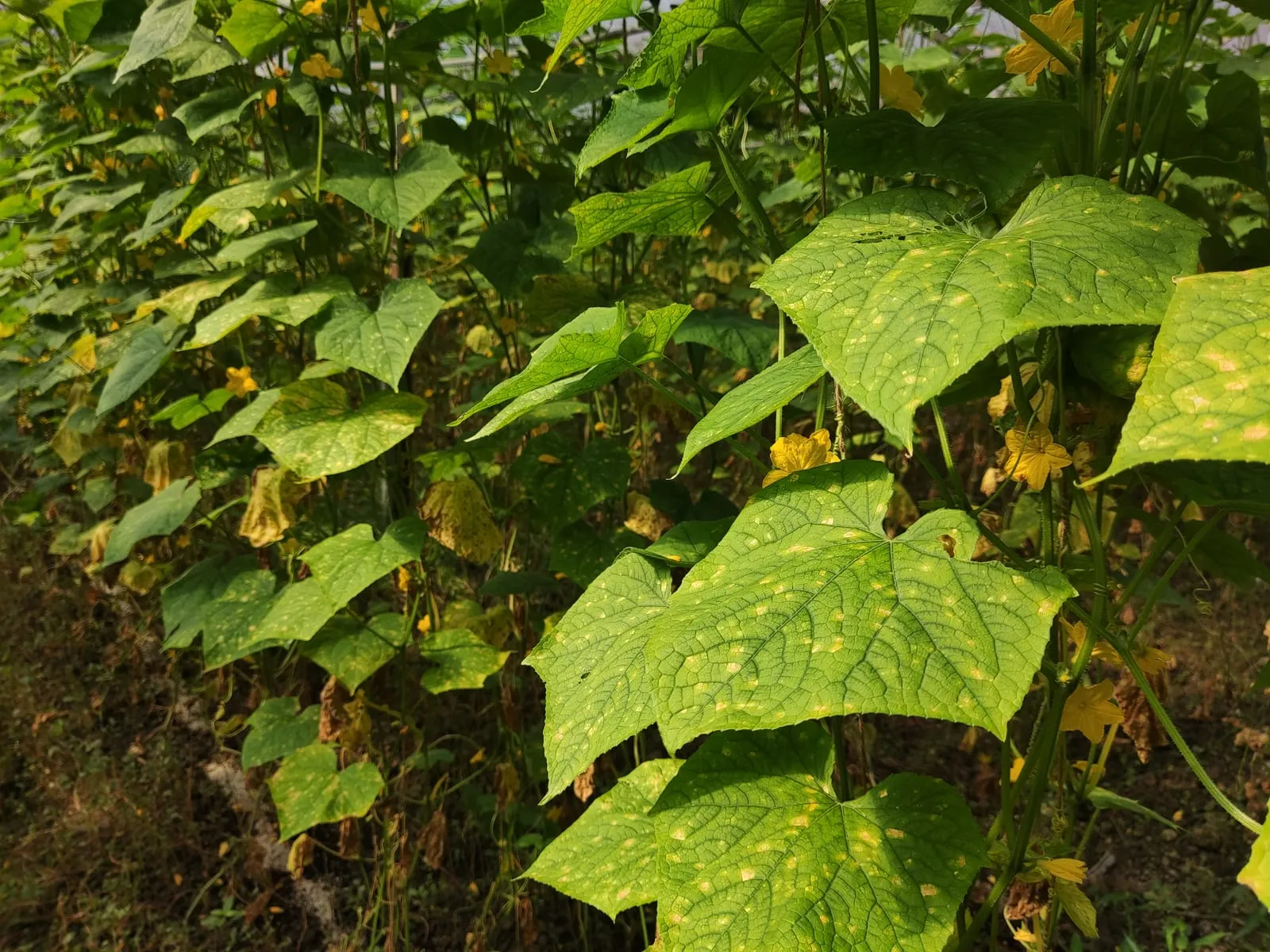
Pseudoperonospora cubensis (cucurbits) and others
Water mold (oomycete, not a true fungus) that thrives in cool damp conditions. Spreads rapidly through cucurbit and brassica plantings on wind-borne spores.
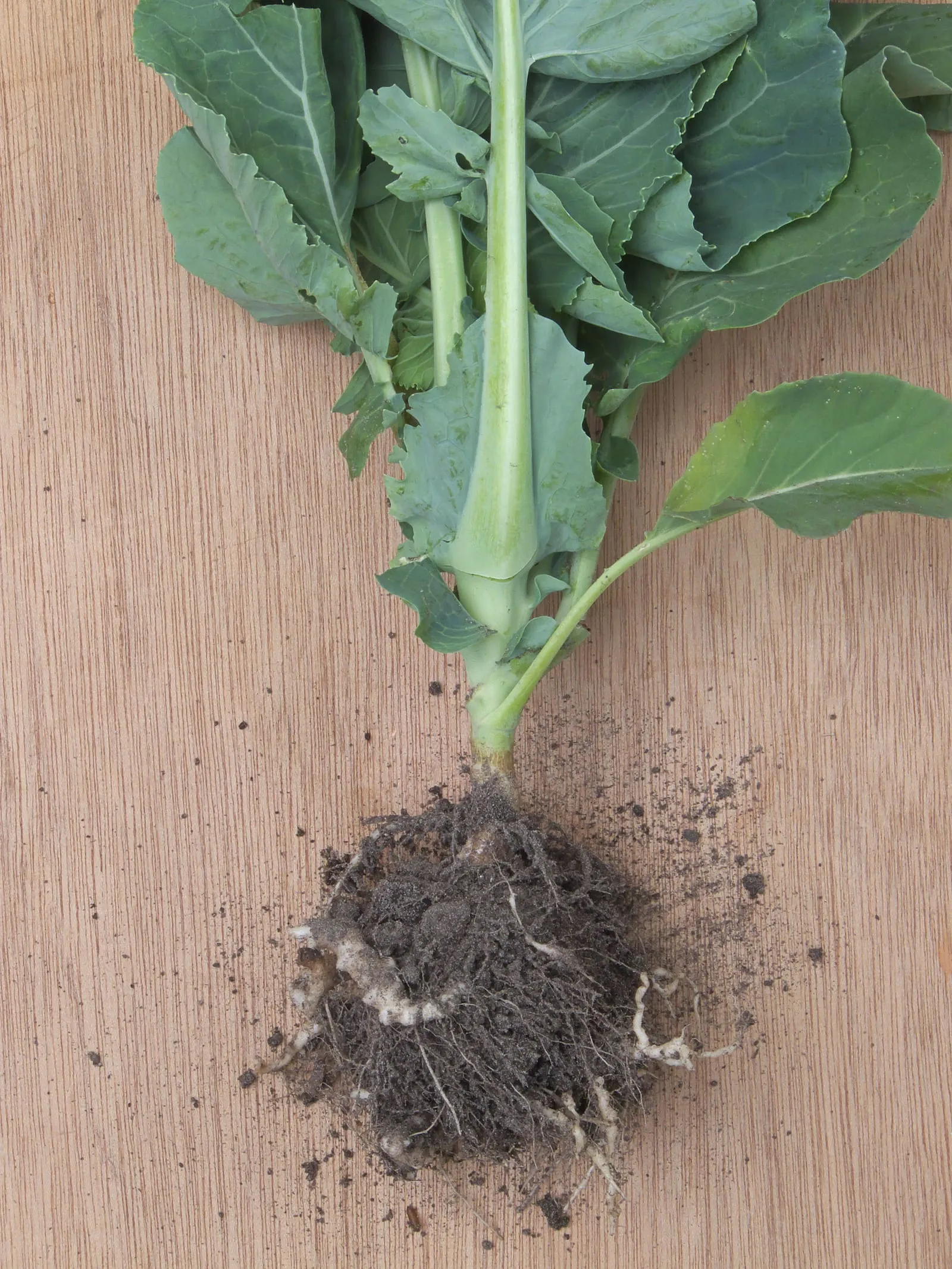
Plasmodiophora brassicae
Soil-borne disease causing characteristic distorted club-shaped roots on brassicas. Persists in soil for 10-20 years; the dominant brassica pathogen in acidic poorly-drained soils.
Modified care for zone 7a
The primary adjustment in zone 7a is managing humid-season disease pressure. Downy mildew is the more common field problem; it spreads rapidly during the cool, wet periods typical of zone 7a springs and falls. Spacing plants to ensure good airflow and avoiding overhead irrigation in the evening reduces incidence significantly. Clubroot persists in acidic soils and can build up over successive brassica plantings; a soil pH maintained above 7.0 suppresses it, and rotating kale out of any bed for at least three years after an infected planting is standard practice.
Summer heat requires no special intervention for fall plantings, but spring-planted kale needs monitoring for early bolting once May temperatures stabilize. Mulching helps moderate soil temperature and moisture but should be kept away from stem bases to reduce slug habitat, which is more of a problem in humid zone 7a conditions than in drier climates.
Frequently asked questions
- Can kale survive winter in zone 7a?
Established kale plants can survive zone 7a winters, which bottom out at 0 to 5°F. Lacinato and Curly Vates are particularly tolerant of repeated freeze-thaw cycles. A light mulch of straw over the root zone helps in the coldest weeks, but most varieties do not require row cover unless temperatures drop below -5°F.
- Does frost improve kale flavor in zone 7a?
Yes. Frost triggers conversion of starches to simple sugars in kale leaves. In zone 7a, the first sustained frosts typically arrive in mid-November, and leaf quality continues to improve through December. Harvesting after multiple frost events consistently produces sweeter, more tender leaves than harvesting in warm fall weather.
- What causes kale to bolt prematurely in zone 7a?
Kale bolts in response to rising temperatures and lengthening days in spring. In zone 7a, this typically begins in May. Spring plantings started after late March often have only 4 to 6 productive weeks before bolting. Starting spring transplants indoors in late January and getting them in the ground by late February extends the harvest window.
- Is clubroot a serious risk for zone 7a kale?
It can be in persistently acidic soils. Clubroot (caused by the soilborne pathogen Plasmodiophora brassicae) thrives at soil pH below 6.5 and survives in soil for up to 20 years. Lime applications to raise pH above 7.0 and strict brassica rotation of at least 3 years per bed are the most effective preventive measures.
+−
+−
+−
+−
Kale in adjacent zones
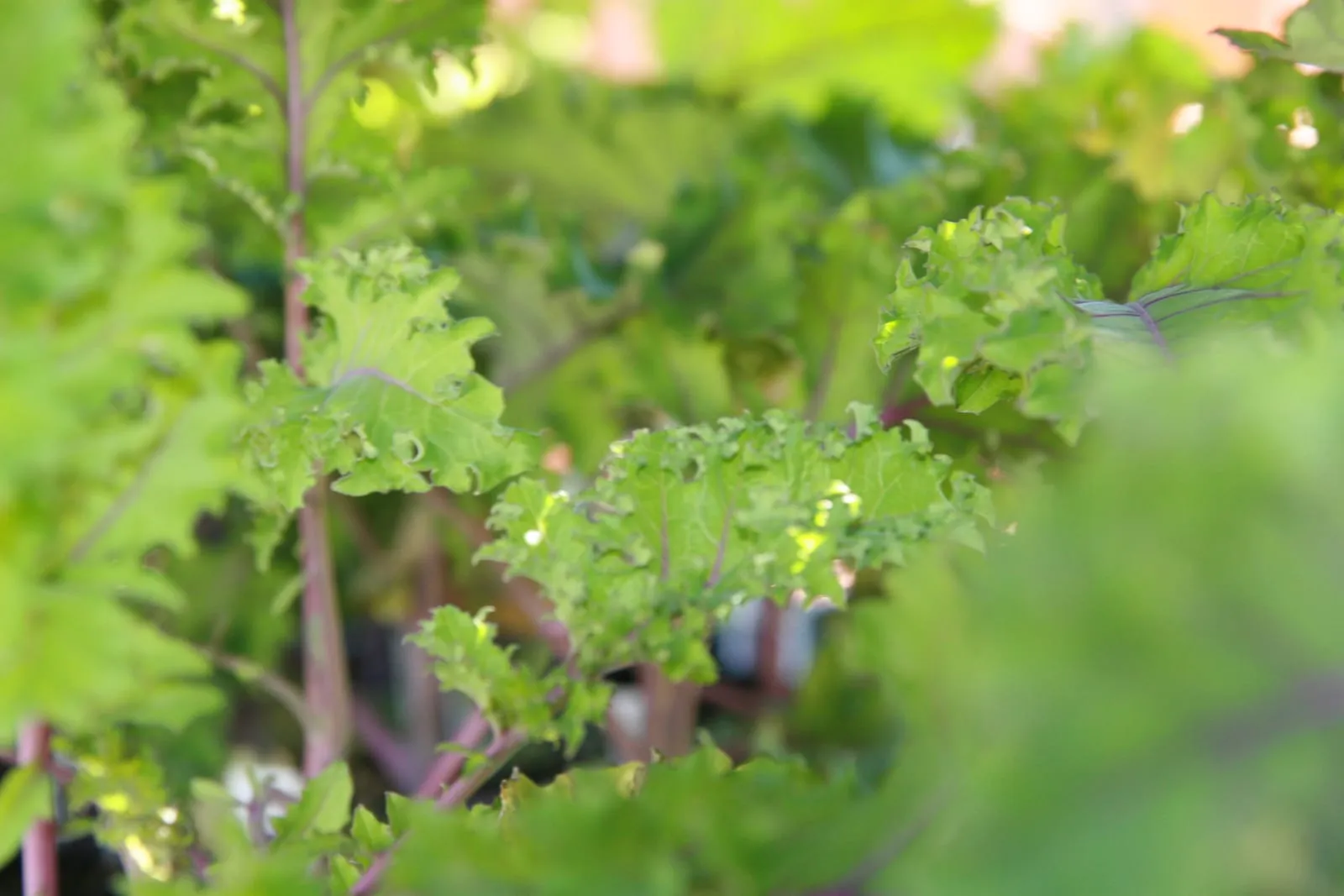
Image: "Brassica oleracea var. acephala Redbor 0zz", by Photo by David J. Stang, via Wikimedia Commons, licensed under CC-BY Source.

Related