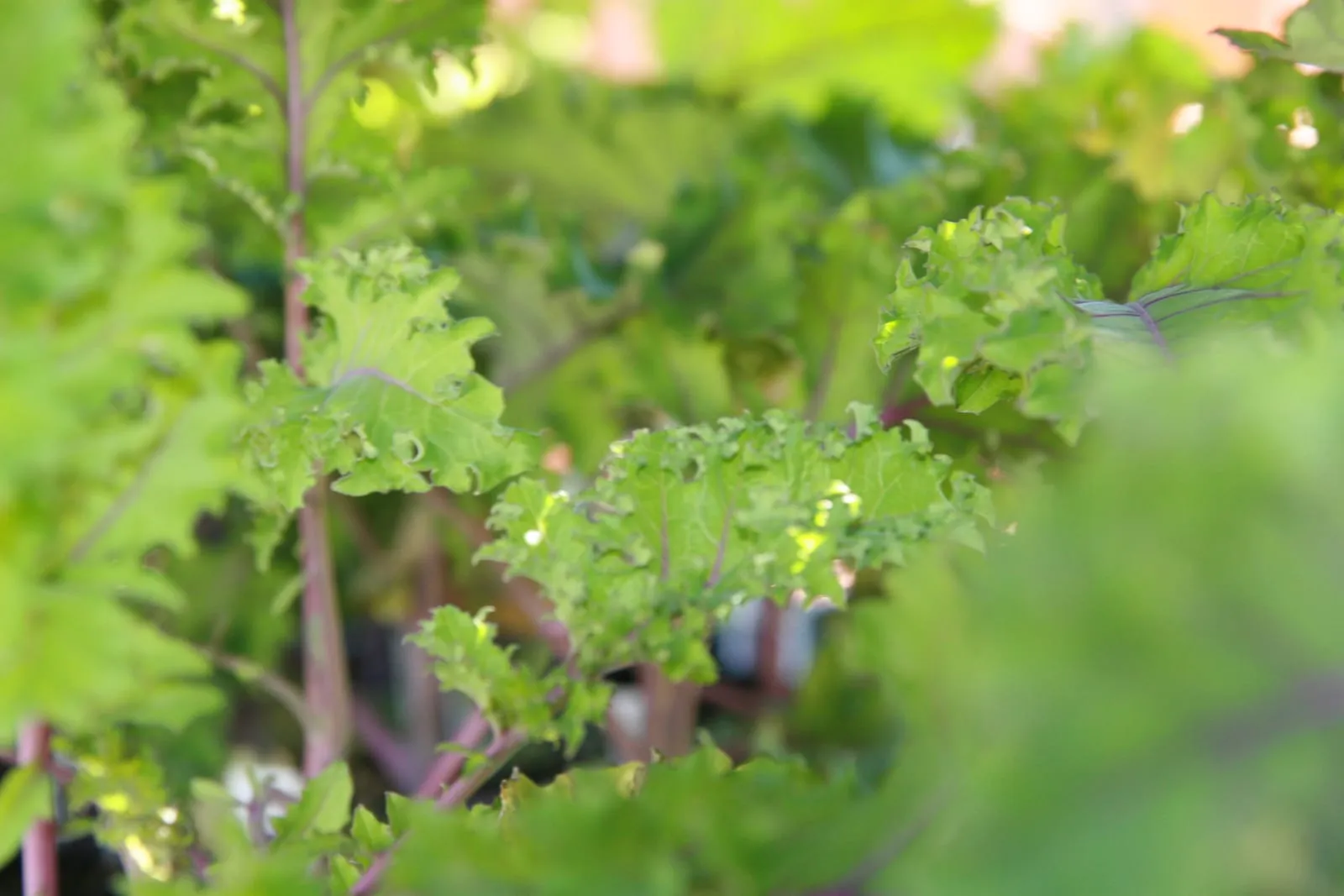
vegetable in zone 9a
Growing kale in zone 9a
Brassica oleracea var. acephala
- Zone
- 9a 20°F to 25°F
- Growing season
- 290 days
- Suitable varieties
- 0
- Days to harvest
- 50 to 75
The verdict
Kale has no chill-hour requirement, so the zone 9a minimum temperature range of 20 to 25°F creates no fundamental compatibility problem. The challenge is summer, not winter. Kale is a cool-season brassica that tolerates hard frost but deteriorates quickly under sustained heat. In zone 9a, summer temperatures routinely push well past what kale can sustain without bolting and turning bitter.
That said, zone 9a is a workable environment for kale treated as a fall-through-spring crop. The 290-day growing season and mild winters mean a planting window of roughly five to six continuous months is available. Growers in similar climates across coastal California, the Gulf Coast, and central Texas report reliable yields from October plantings through March. Zone 9a is not a sweet spot for kale, but it is not marginal either, provided summer planting is avoided entirely.
Critical timing for zone 9a
In zone 9a, direct sowing or transplanting in late September through early November gives the best results. Germination is reliable when soil temperatures are between 45 and 85°F, which describes most of the fall window here. Harvest typically begins six to eight weeks after transplanting, with mature leaves available from late November through February or early March.
Kale does not bloom in the vegetative stage that constitutes the harvest period. Bolting, which triggers flowering and renders leaves tough and bitter, usually occurs when day length lengthens and temperatures climb in spring. In zone 9a, expect bolting to begin in late February to March depending on the variety and that year's weather pattern. Light frosts through the winter window actually improve sweetness, so the mild freezes that zone 9a receives are an asset rather than a threat.
Common challenges in zone 9a
- ▸ Limited stone fruit options due to insufficient chill
- ▸ Hurricane and tropical storm exposure
- ▸ Citrus disease pressure
Disease pressure to watch for
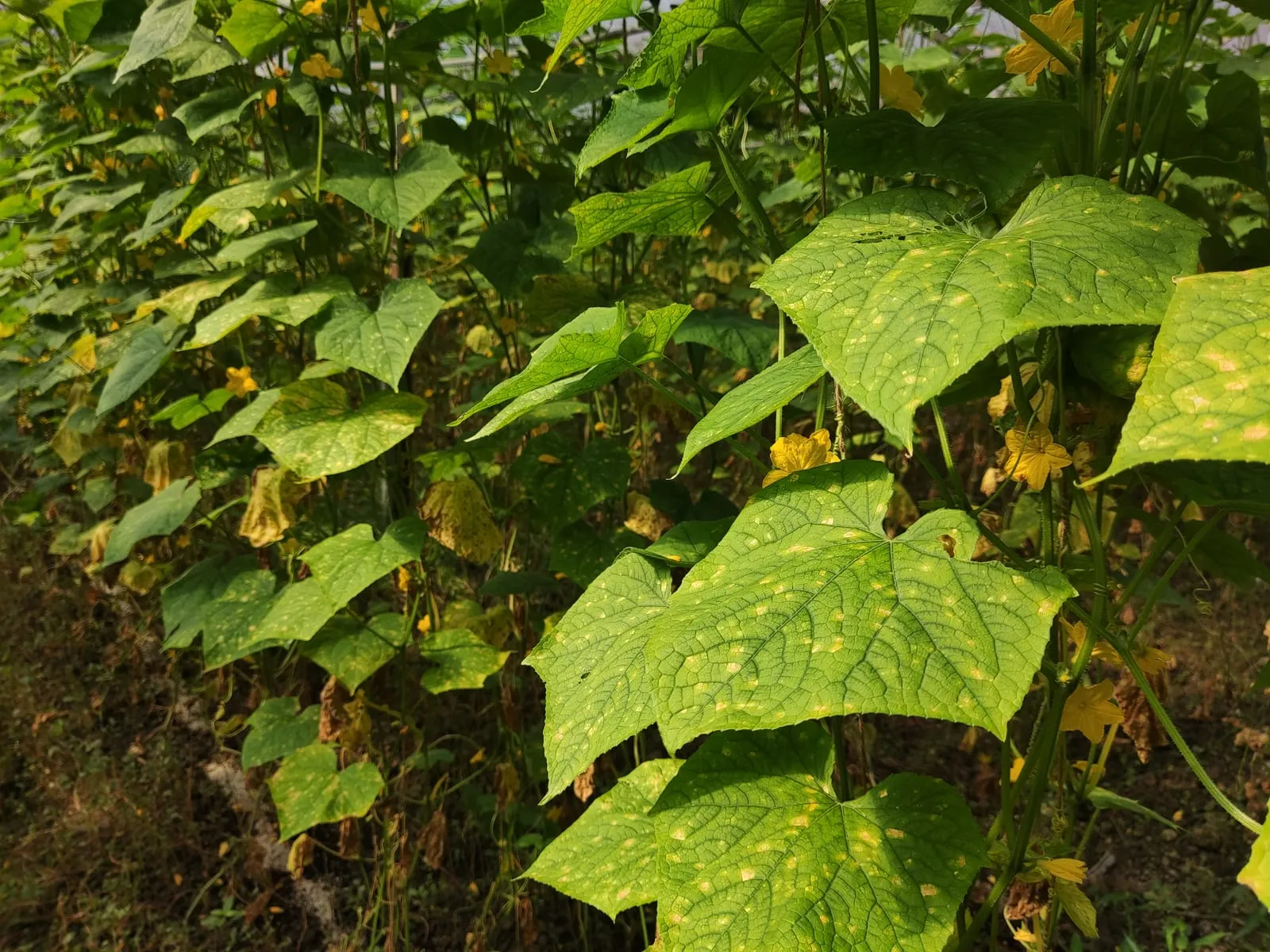
Pseudoperonospora cubensis (cucurbits) and others
Water mold (oomycete, not a true fungus) that thrives in cool damp conditions. Spreads rapidly through cucurbit and brassica plantings on wind-borne spores.
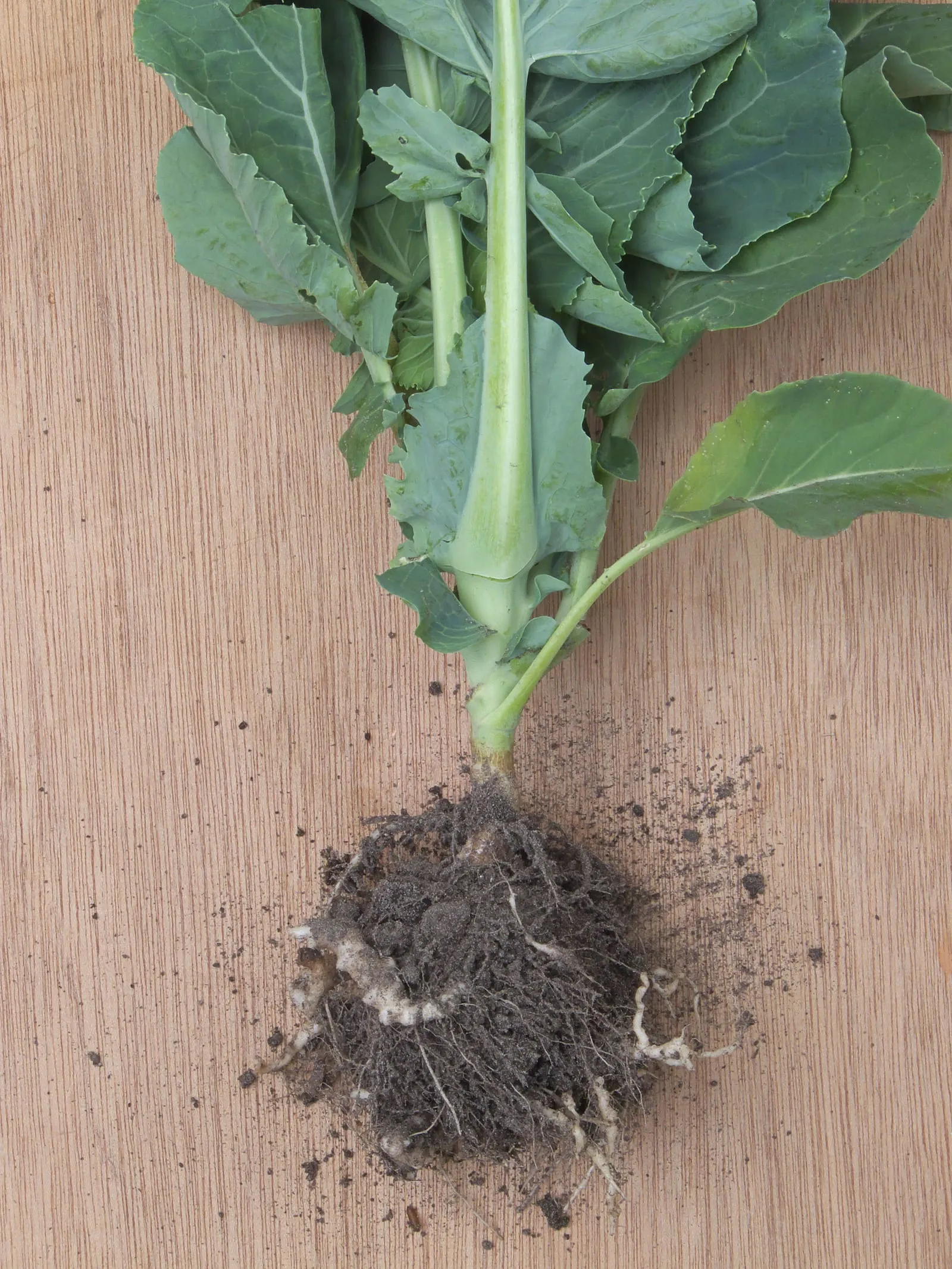
Plasmodiophora brassicae
Soil-borne disease causing characteristic distorted club-shaped roots on brassicas. Persists in soil for 10-20 years; the dominant brassica pathogen in acidic poorly-drained soils.
Modified care for zone 9a
The primary adjustment in zone 9a is shifting the entire crop cycle to fall and winter. Any planting attempted in spring will run into warm weather before harvest is complete. Summer planting is not viable.
Downy mildew is the dominant disease concern in zone 9a's humid winters. Space plants for airflow, avoid overhead irrigation late in the day, and scout weekly for the characteristic gray-purple sporulation on leaf undersides. Resistant varieties reduce pressure meaningfully.
Clubroot, a soil-borne pathogen, can persist in affected beds for 20 years or more. If clubroot has appeared in a bed, do not replant brassicas there. Raising soil pH above 7.0 suppresses the pathogen somewhat, though it does not eliminate it. Cabbage loopers and aphids remain active through zone 9a winters, so pest monitoring should continue through the full growing season rather than tapering off in December as it would in colder zones.
Frequently asked questions
- Can kale be grown year-round in zone 9a?
No. Kale is a cool-season crop that bolts and becomes bitter in summer heat. In zone 9a, the practical growing window runs from late September or October through early March. Summer planting is not productive, and attempting it wastes bed space.
- Does frost damage kale in zone 9a?
Light to moderate frost actually improves kale's flavor by converting stored starches to sugars. Zone 9a's minimum temperatures of 20 to 25°F are within kale's cold tolerance. Sustained hard freezes below 10°F can damage leaves, but those temperatures are rare in zone 9a.
- How do you manage clubroot in a zone 9a kale bed?
Clubroot is a long-lived soil pathogen with no effective chemical cure once established. The practical responses are strict crop rotation (no brassicas in an affected bed for at least four years, ideally longer), liming to raise soil pH above 7.0, and sourcing transplants from clean, uncontaminated soil.
- Which kale types handle zone 9a conditions best?
Lacinato (Tuscan) kale and Siberian types generally tolerate mild winter conditions and heat stress at the margins of the season better than curly types. Downy mildew-resistant varieties are worth prioritizing in zone 9a's humid winters, regardless of leaf type.
+−
+−
+−
+−
Kale in adjacent zones
Image: "Brassica oleracea var. acephala Redbor 0zz", by Photo by David J. Stang, via Wikimedia Commons, licensed under CC-BY Source.

Related