vegetable in zone 9b
Growing kale in zone 9b
Brassica oleracea var. acephala
- Zone
- 9b 25°F to 30°F
- Growing season
- 310 days
- Suitable varieties
- 0
- Days to harvest
- 50 to 75
The verdict
Kale is a cool-season brassica with no chill-hour requirement, so zone 9b's mild winters are an asset rather than a limitation. The crop does not face the chill deficit that constrains stone fruits and apples in this zone. Where zone 9b challenges kale is at the other end of the thermometer: sustained summer temperatures above 90°F accelerate bolting and turn leaves bitter. The 310-day growing season sounds generous, but the effective kale window runs roughly October through April. That is still a full six months of productive harvest, which exceeds what growers in zones 5 and 6 manage in a full year. Zone 9b is not marginal for kale; it is a reliable cool-season producer as long as planting is timed to keep the crop off the field during summer. Coastal locations that experience salt spray should note that kale tolerates moderate salt exposure better than many brassicas, though leaf quality can suffer near the shoreline.
Critical timing for zone 9b
In zone 9b, the primary planting window opens in late August through early October. Transplants or direct-seeded rows established in this window reach harvestable size by November and continue producing through March. A second, shorter window exists in late January through February for growers who want a spring flush before summer heat arrives, though this planting risks accelerated bolting if warm weather comes early. Kale does not have a true bloom stage tied to frost timing the way fruit trees do; flowering is triggered by heat and day length, not cold accumulation. Expect plants to begin bolting in April or May in most zone 9b locations. First fall frost, when it occurs, is typically light and brief, and mature kale handles it without damage. Hard freezes below 20°F are rare enough in zone 9b that they are not a reliable planning factor.
Common challenges in zone 9b
- ▸ Heat stress in summer
- ▸ Insufficient chill for most apples
- ▸ Salt spray near coasts
Disease pressure to watch for
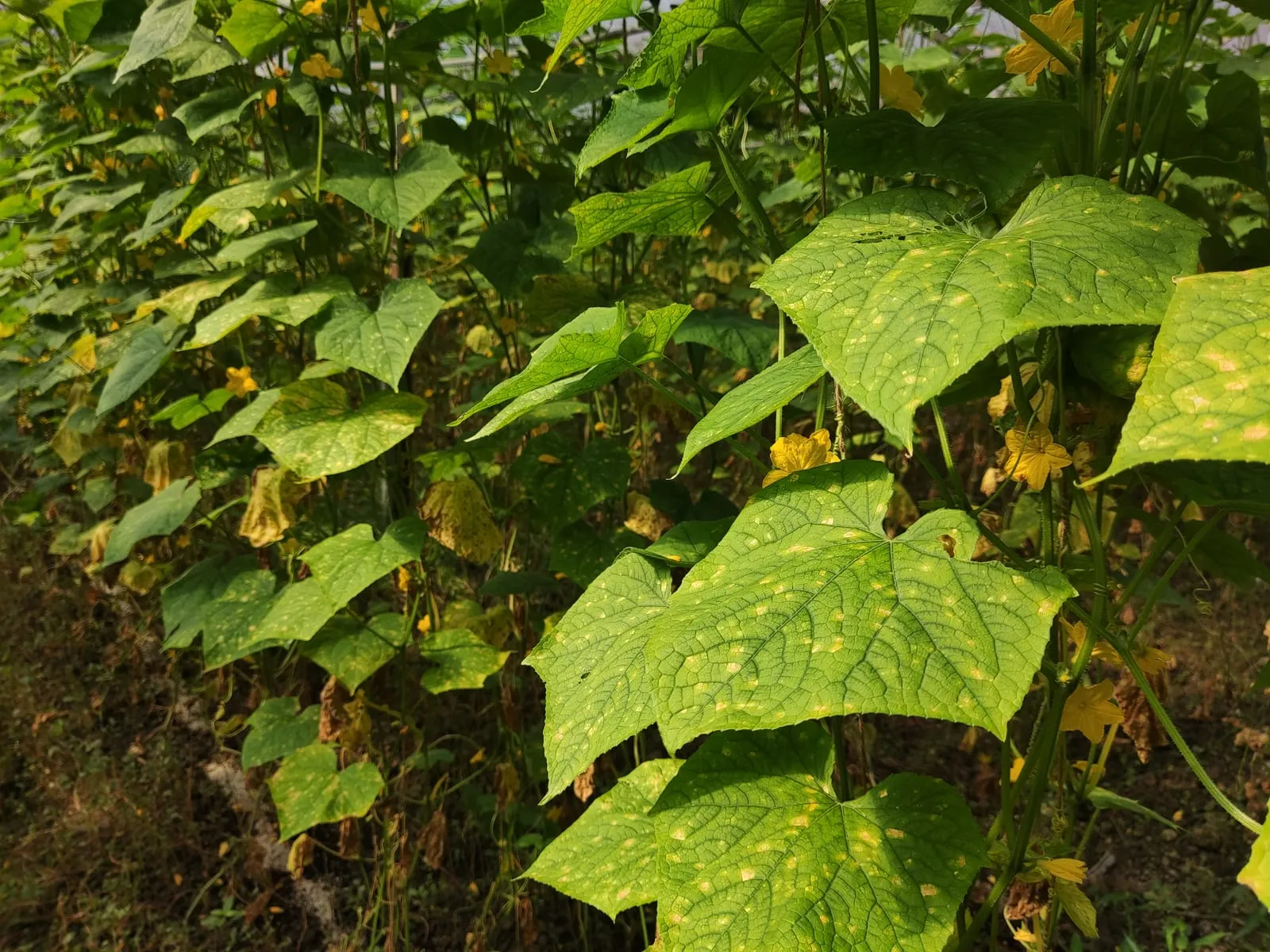
Pseudoperonospora cubensis (cucurbits) and others
Water mold (oomycete, not a true fungus) that thrives in cool damp conditions. Spreads rapidly through cucurbit and brassica plantings on wind-borne spores.
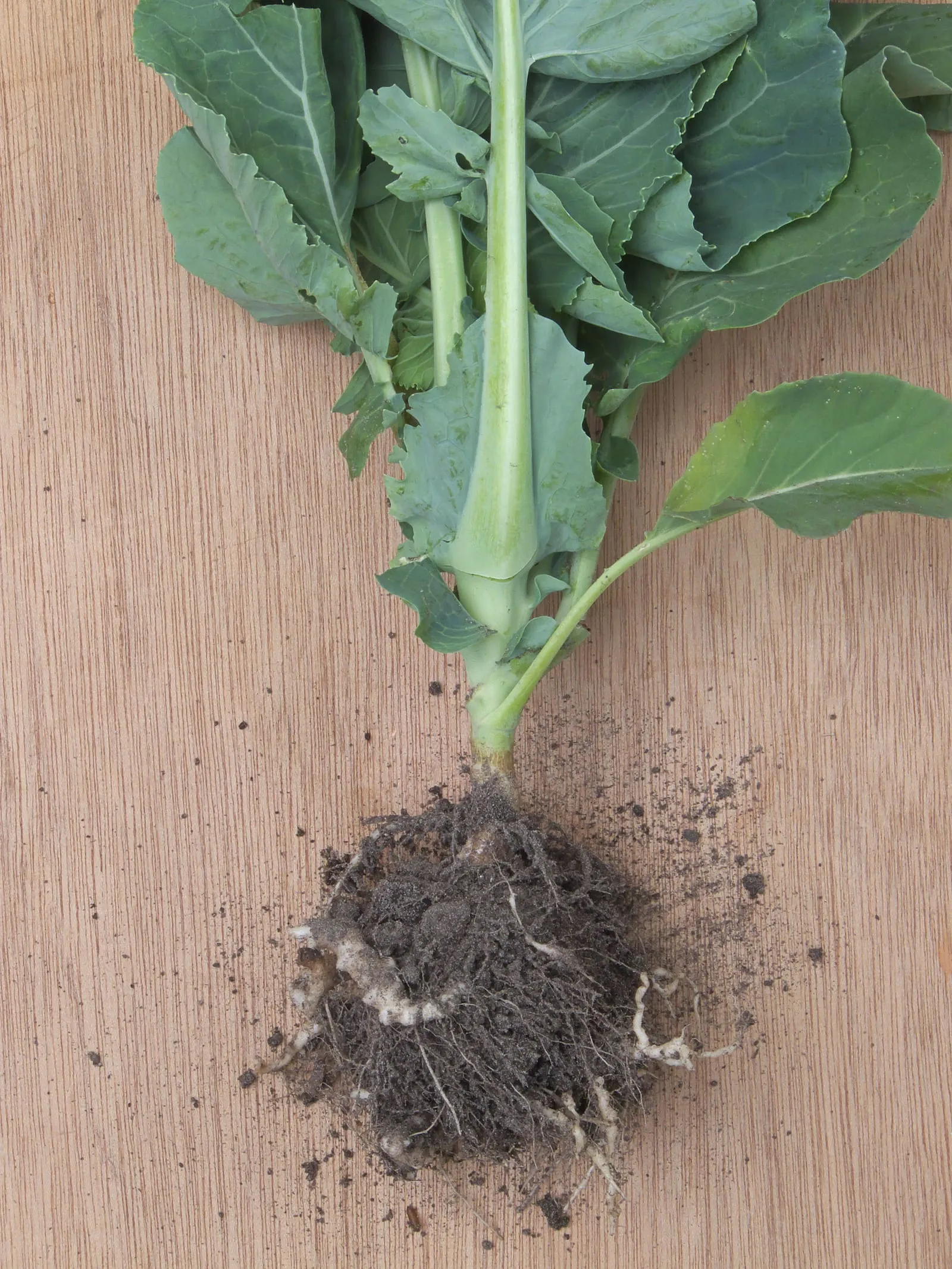
Plasmodiophora brassicae
Soil-borne disease causing characteristic distorted club-shaped roots on brassicas. Persists in soil for 10-20 years; the dominant brassica pathogen in acidic poorly-drained soils.
Modified care for zone 9b
The primary adaptation for zone 9b is aggressive planting-date management. Starting transplants indoors in late July for an August field date gives seedlings the best chance of establishing before nights cool. Once daytime highs drop below 85°F consistently, plants take off. During any unexpected October or April heat spikes, 30 percent shade cloth reduces leaf stress and delays bolting. Downy mildew pressure increases in the cool, moist conditions of November through February; spacing rows to 18 inches and avoiding overhead irrigation in the afternoon reduces humidity at the canopy level. Clubroot is a soil-borne pathogen that persists for years; growers with a history of clubroot should raise soil pH to 7.2 or above with lime before planting and rotate kale and other brassicas on a minimum four-year cycle. No extra winter frost protection is needed in most zone 9b locations.
Frequently asked questions
- Can kale survive zone 9b summers?
Kale will bolt and decline quickly once sustained temperatures exceed 90°F, which is routine in zone 9b from June through September. Summer plantings are not productive. The crop is treated as a cool-season annual in this zone, grown October through April.
- Does kale need any frost protection in zone 9b?
Generally no. Zone 9b minimum temperatures of 25 to 30°F are well within kale's cold tolerance. Mature plants handle brief dips below freezing without damage. Extended hard freezes are uncommon enough in this zone that protective covers are rarely necessary.
- Which kale diseases are most concerning in zone 9b?
Downy mildew is the most common problem during the cool, humid months of November through February. Clubroot is a serious long-term soil issue if brassicas are planted in the same beds repeatedly. Good rotation and pH management are more effective than any treatment applied after infection.
+−
+−
+−
Kale in adjacent zones
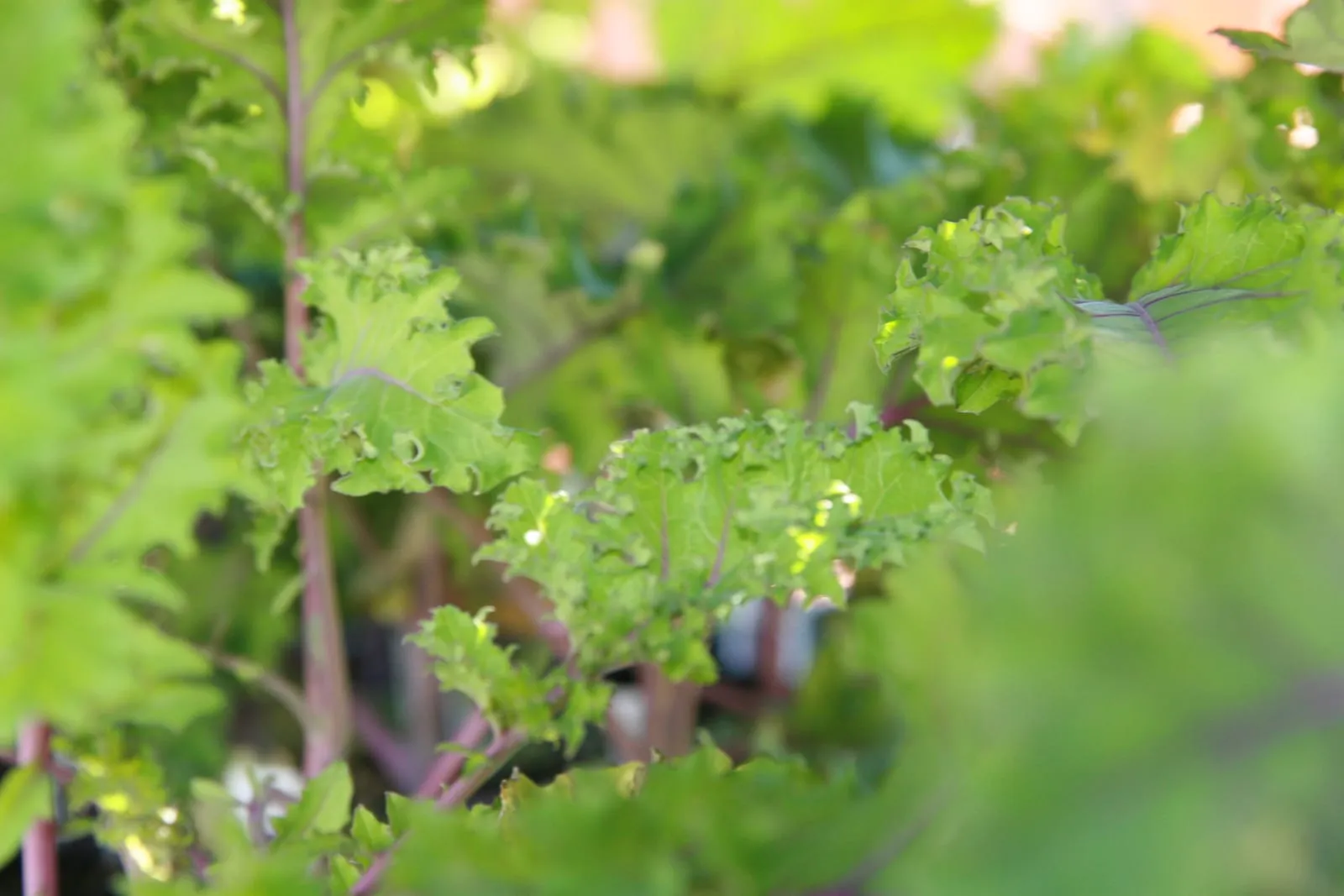
Image: "Brassica oleracea var. acephala Redbor 0zz", by Photo by David J. Stang, via Wikimedia Commons, licensed under CC-BY Source.

Related