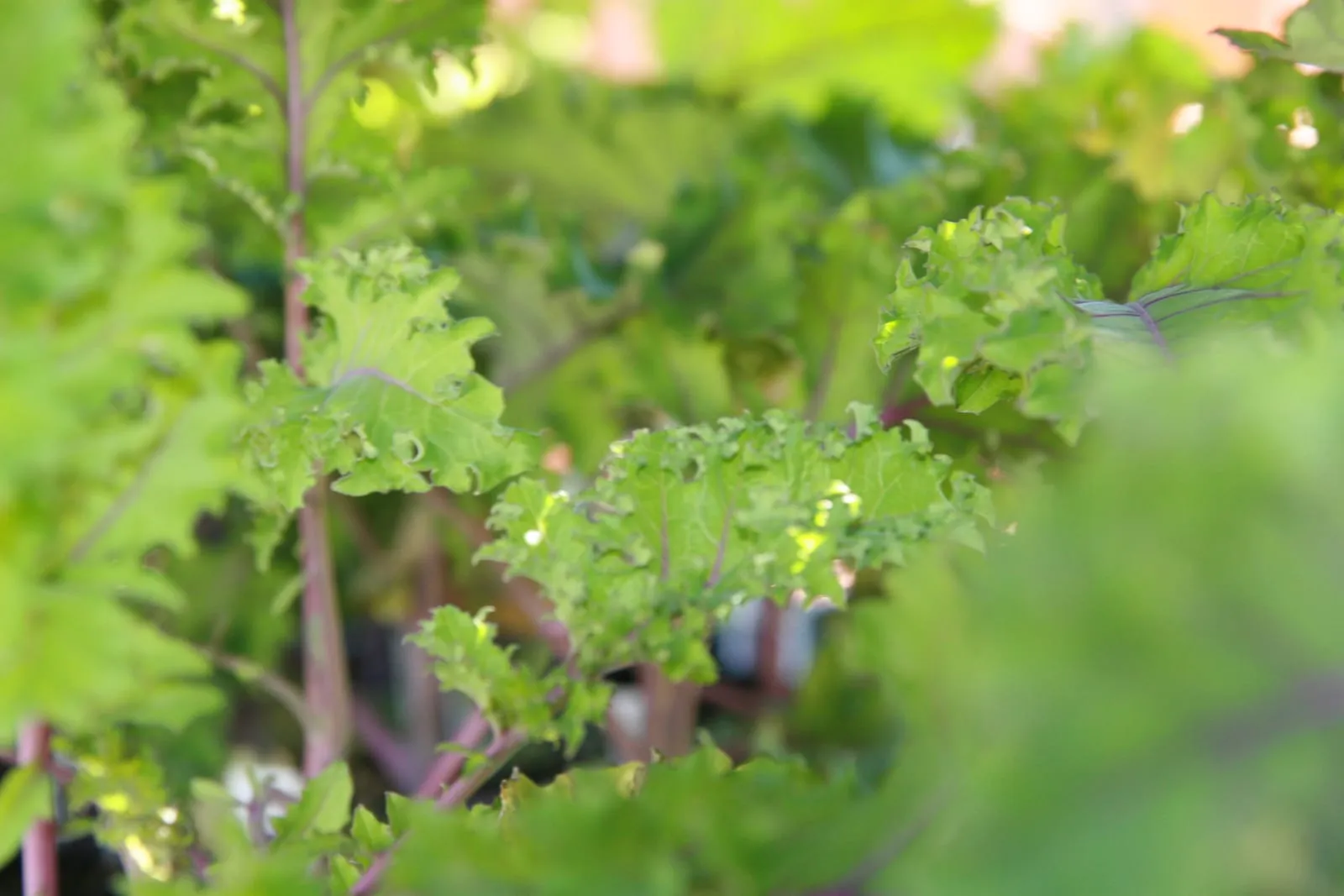
vegetable in zone 8b
Growing kale in zone 8b
Brassica oleracea var. acephala
- Zone
- 8b 15°F to 20°F
- Growing season
- 260 days
- Suitable varieties
- 0
- Days to harvest
- 50 to 75
The verdict
Kale is a reliable producer in zone 8b, provided growers shift their mental model from summer vegetable to cool-season annual. The 260-day growing season supports two productive windows: late summer through late spring. Unlike fruit crops, kale requires no chill hour accumulation, so zone 8b's mild winters are an asset rather than a constraint.
The binding limitation is summer heat. Sustained temperatures above 85°F push kale toward bolting, and the flavor turns bitter well before the plant flowers. This means zone 8b is not ideal for continuous year-round production, but it is genuinely excellent for fall, winter, and early-spring harvests. Light frosts in the 15-20°F range that define this zone's lower end will not kill established kale and typically improve leaf sweetness. Zone 8b growers should think of August and September as the start of the kale season, not the end.
Critical timing for zone 8b
The primary planting window in zone 8b is late August through early October, targeting harvest from October through March or April. Direct-sown seeds take 50-65 days to reach harvest size; transplants started indoors in late July can go out in mid-August and begin producing by October.
A secondary spring planting in late February or early March yields harvests before summer heat arrives, though this window closes quickly. Kale bolts when day length and temperatures climb simultaneously, so spring plantings often produce for only 6-8 weeks before quality declines. First fall frosts in zone 8b typically arrive in November or December, late enough that fall-planted kale is well established before frost and benefits from the resulting sweetening effect.
Common challenges in zone 8b
- ▸ Low chill hours limit apple variety selection
- ▸ Citrus greening risk
- ▸ Nematodes in sandy soils
Disease pressure to watch for
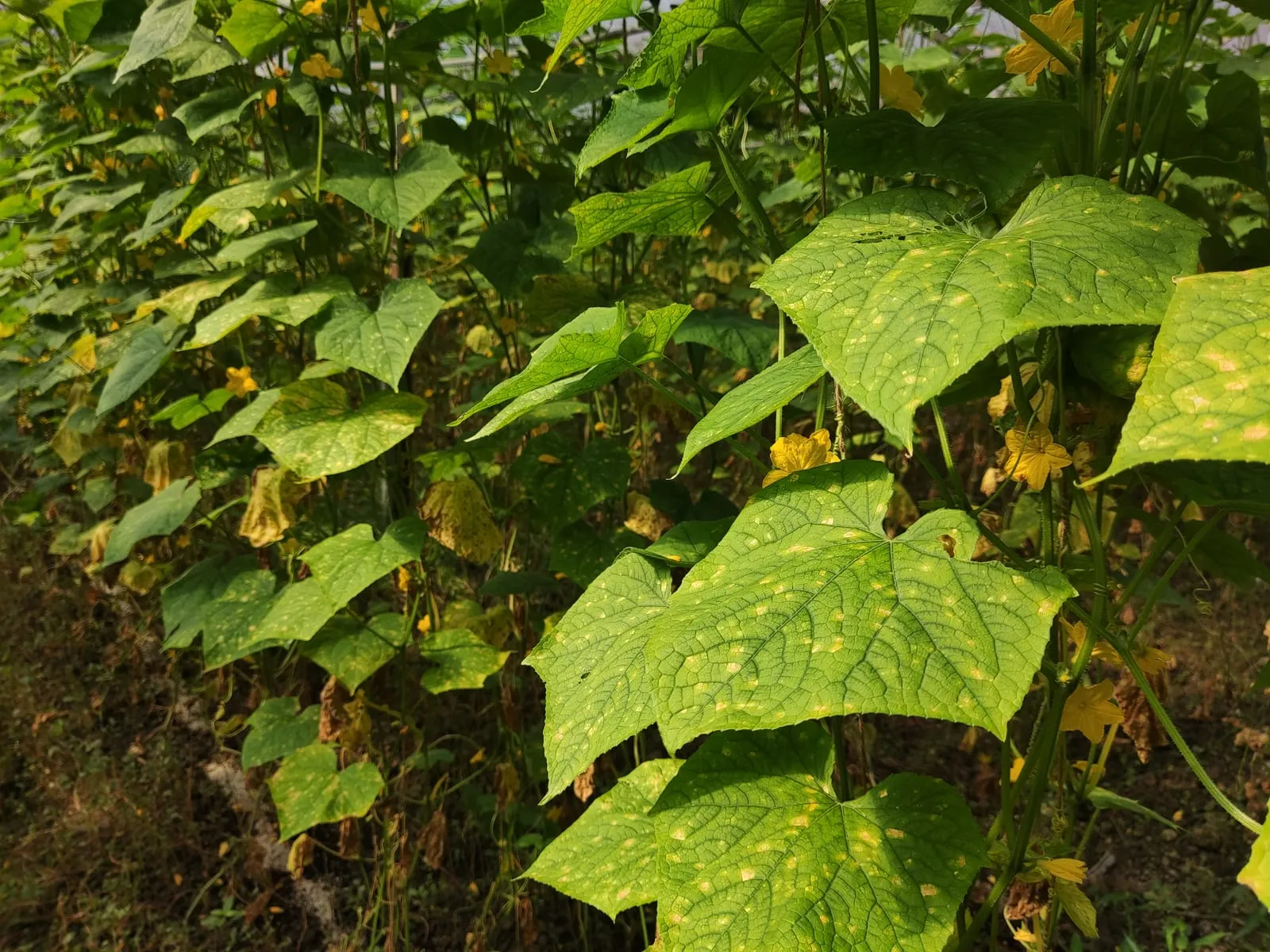
Pseudoperonospora cubensis (cucurbits) and others
Water mold (oomycete, not a true fungus) that thrives in cool damp conditions. Spreads rapidly through cucurbit and brassica plantings on wind-borne spores.
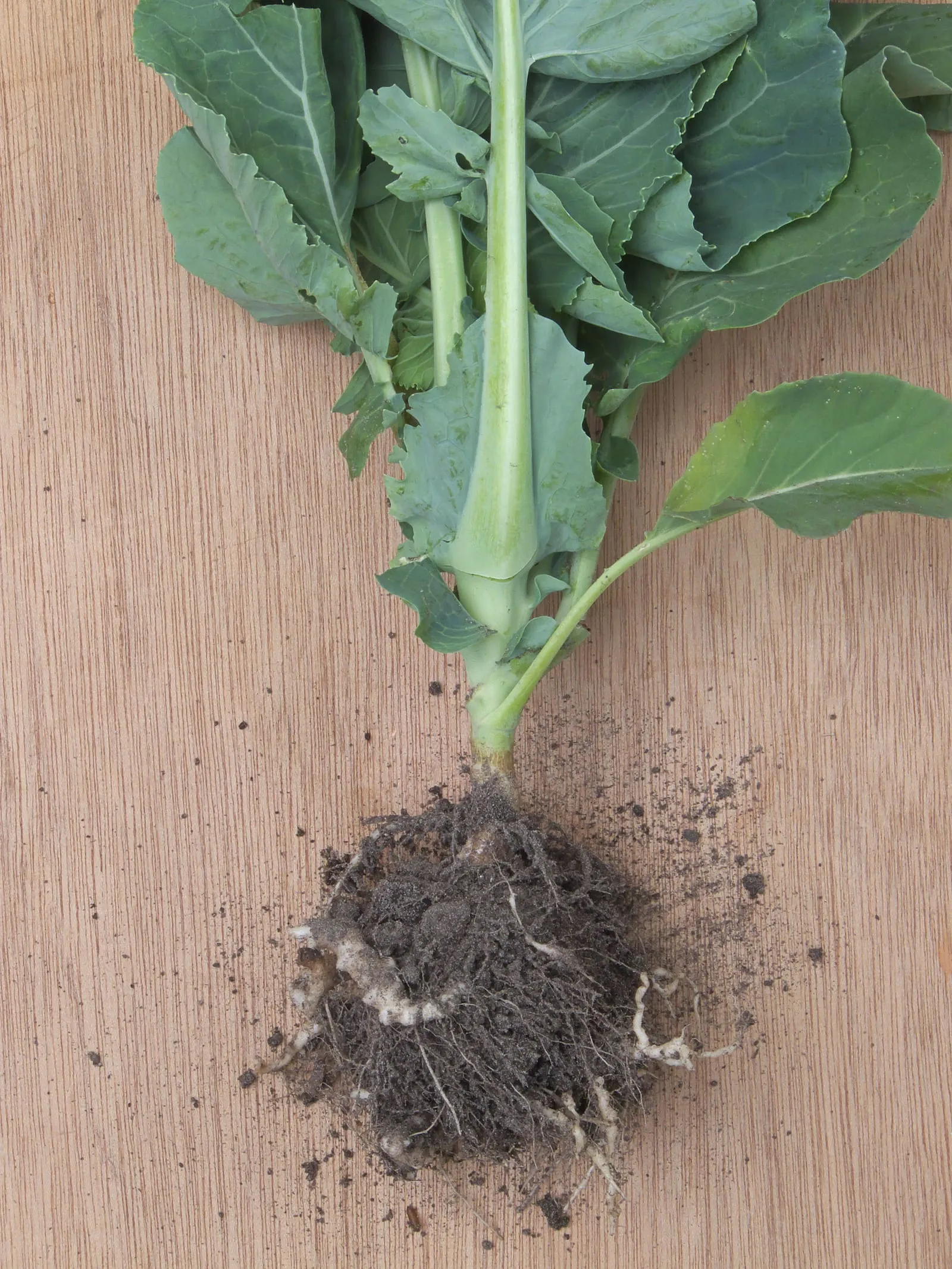
Plasmodiophora brassicae
Soil-borne disease causing characteristic distorted club-shaped roots on brassicas. Persists in soil for 10-20 years; the dominant brassica pathogen in acidic poorly-drained soils.
Modified care for zone 8b
The main zone-specific adjustment is managing moisture and airflow to suppress downy mildew. Zone 8b's cool, humid fall and winter create extended periods of leaf wetness that favor outbreaks. Water at the base of plants, avoid overhead irrigation in the evening, and space plants at least 18 inches apart to promote air circulation.
Clubroot is a persistent soil-borne problem in acidic soils common to parts of the zone. Maintaining soil pH at or above 7.0 with lime applications reduces clubroot pressure significantly. Rotate kale and other brassicas out of any affected bed for a minimum of three years. In sandy soils where nematode pressure is elevated, incorporating several inches of compost before planting improves soil biology and reduces nematode impact on young transplants.
Kale in adjacent zones
Image: "Brassica oleracea var. acephala Redbor 0zz", by Photo by David J. Stang, via Wikimedia Commons, licensed under CC-BY Source.

Related