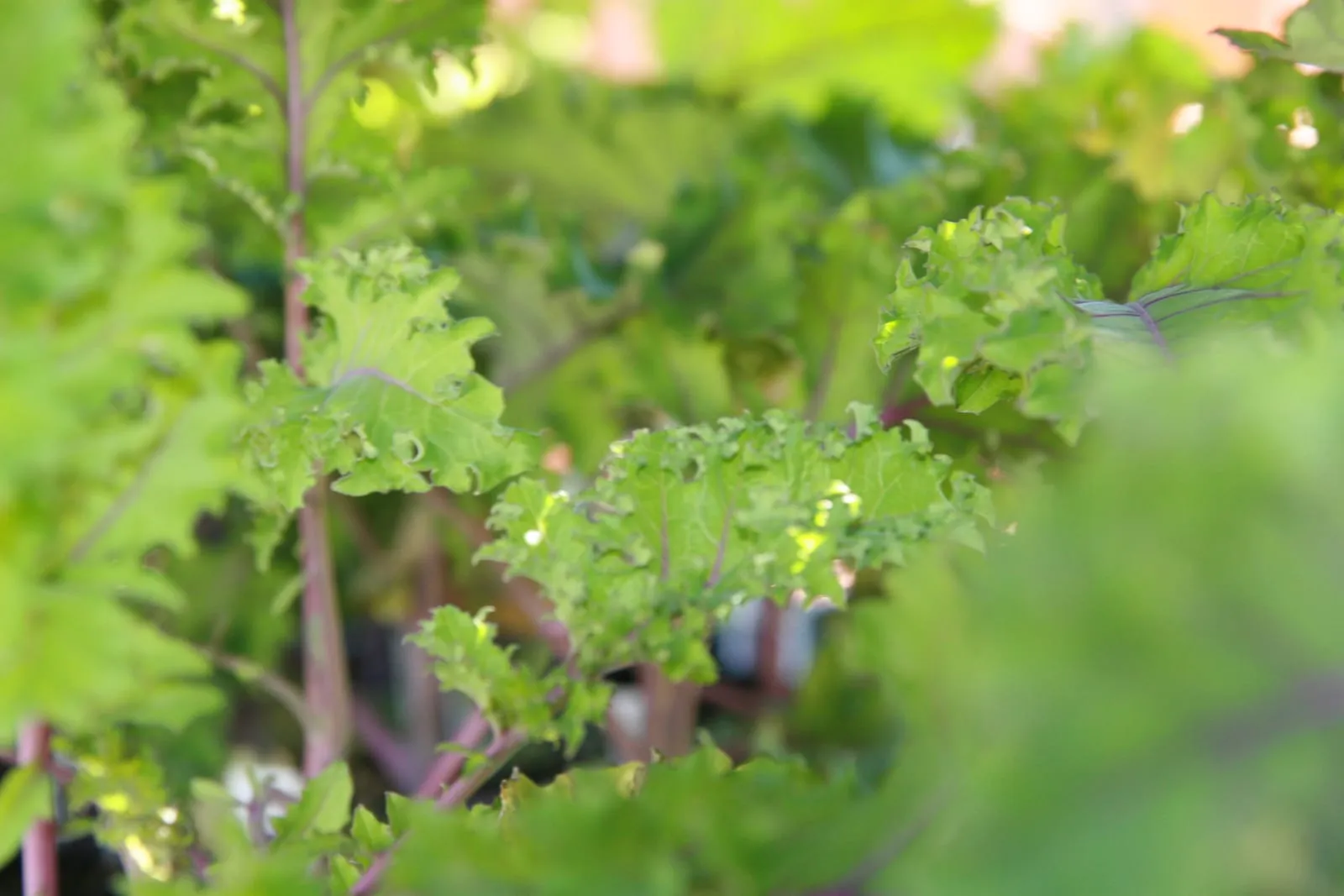
vegetable in zone 8a
Growing kale in zone 8a
Brassica oleracea var. acephala
- Zone
- 8a 10°F to 15°F
- Growing season
- 240 days
- Suitable varieties
- 2
- Days to harvest
- 50 to 75
The verdict
Zone 8a sits at the warmer edge of kale's productive range, but the crop is not marginal here. Kale is a cool-season brassica with no chill-hour requirement in the fruit-tree sense; what it needs is sustained cool temperatures, ideally between 45 and 75°F, for quality leaf production and flavor development. The 240-day growing season in zone 8a is long enough to run two productive kale cycles per year, fall through spring, but it also includes summers hot enough to force bolting and leaf bitterness. The practical result is a reliable fall-to-spring workhorse rather than a year-round vegetable. Both Lacinato and Redbor handle light frost well and actually improve in sweetness after cold exposure, which zone 8a delivers dependably from late November into February. Summer production is possible only under significant shade mitigation and is generally not worth the effort for most growers.
Recommended varieties for zone 8a
2 cultivars suited to this zone, with disease-resistance and zone-fit annotations.
| Variety | Notes | Zone fit | Disease resistance |
|---|---|---|---|
| Lacinato fits zone 8a | Earthy, sweet after frost, tender enough for salads; long blue-green dimpled strap leaves. Italian Tuscan classic, salads, soups, kale chips. Most cold-tolerant, sweetens with frost. | | none noted |
| Redbor fits zone 8a | Mild, sweet, deep purple-red curly leaves that intensify in color with cold. Salads, ornamental edible plantings. Hardy, ornamental, slow to bolt. | | none noted |
Critical timing for zone 8a
The primary planting window for fall harvest in zone 8a runs from late July through mid-September. Plants set out during this window size up before the first frost, typically arriving in late November or early December. Established plants overwinter in the ground in most zone 8a locations without cover, given minimum temperatures of 10 to 15°F. Harvest runs from October through March or early April. A second planting in late January or February extends harvest into spring, though this window closes when consistent daytime highs exceed 80°F and plants bolt. Zone 8a rarely sees damaging late-spring frosts that threaten established brassicas, so the end of the spring season is driven by heat arrival rather than cold. Plan for summer gap and resume planting in late July.
Common challenges in zone 8a
- ▸ Insufficient chill hours for some apple varieties
- ▸ Pierce's disease in grapes
- ▸ Heat stress on cool-season crops
Disease pressure to watch for
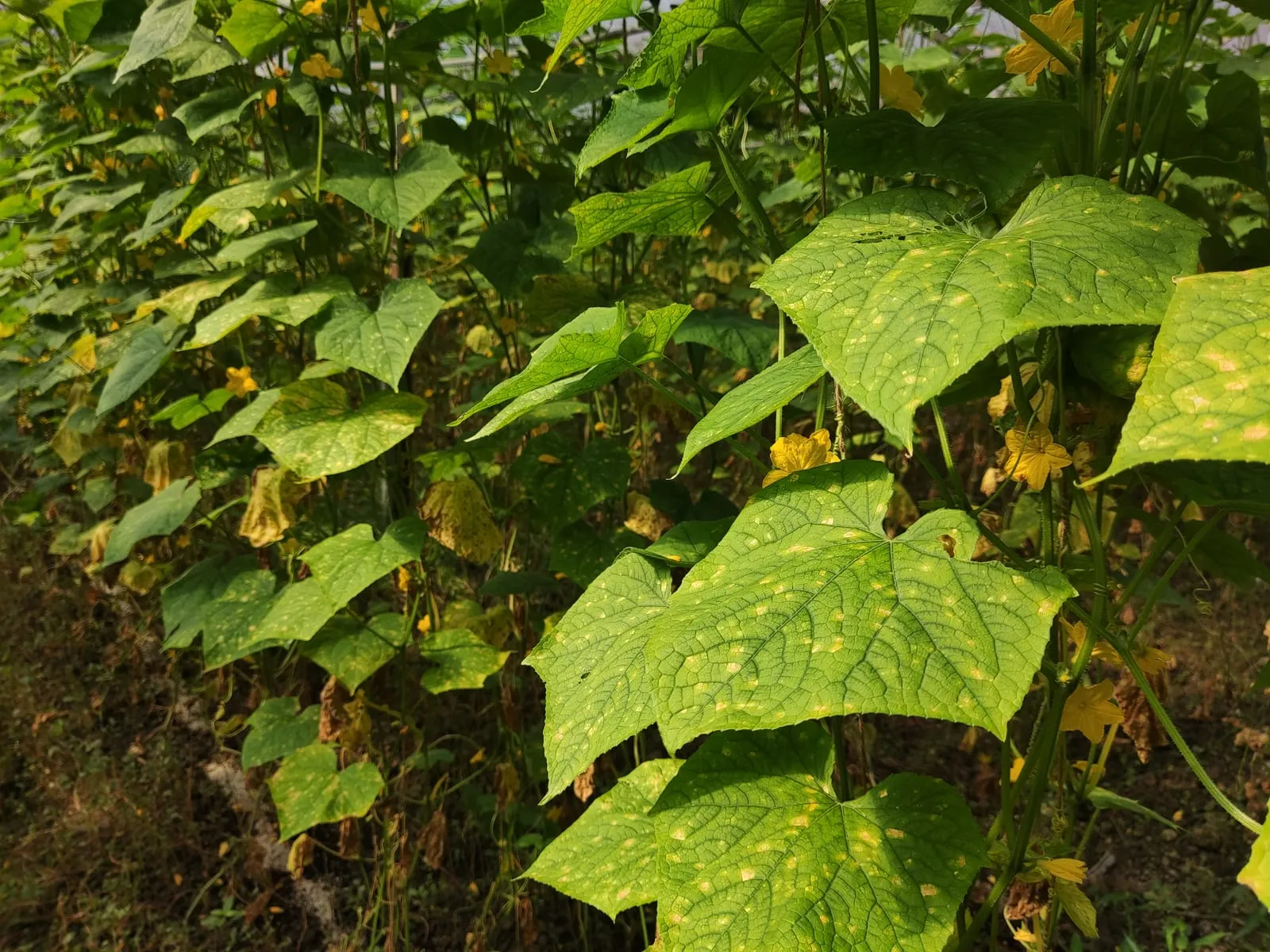
Pseudoperonospora cubensis (cucurbits) and others
Water mold (oomycete, not a true fungus) that thrives in cool damp conditions. Spreads rapidly through cucurbit and brassica plantings on wind-borne spores.
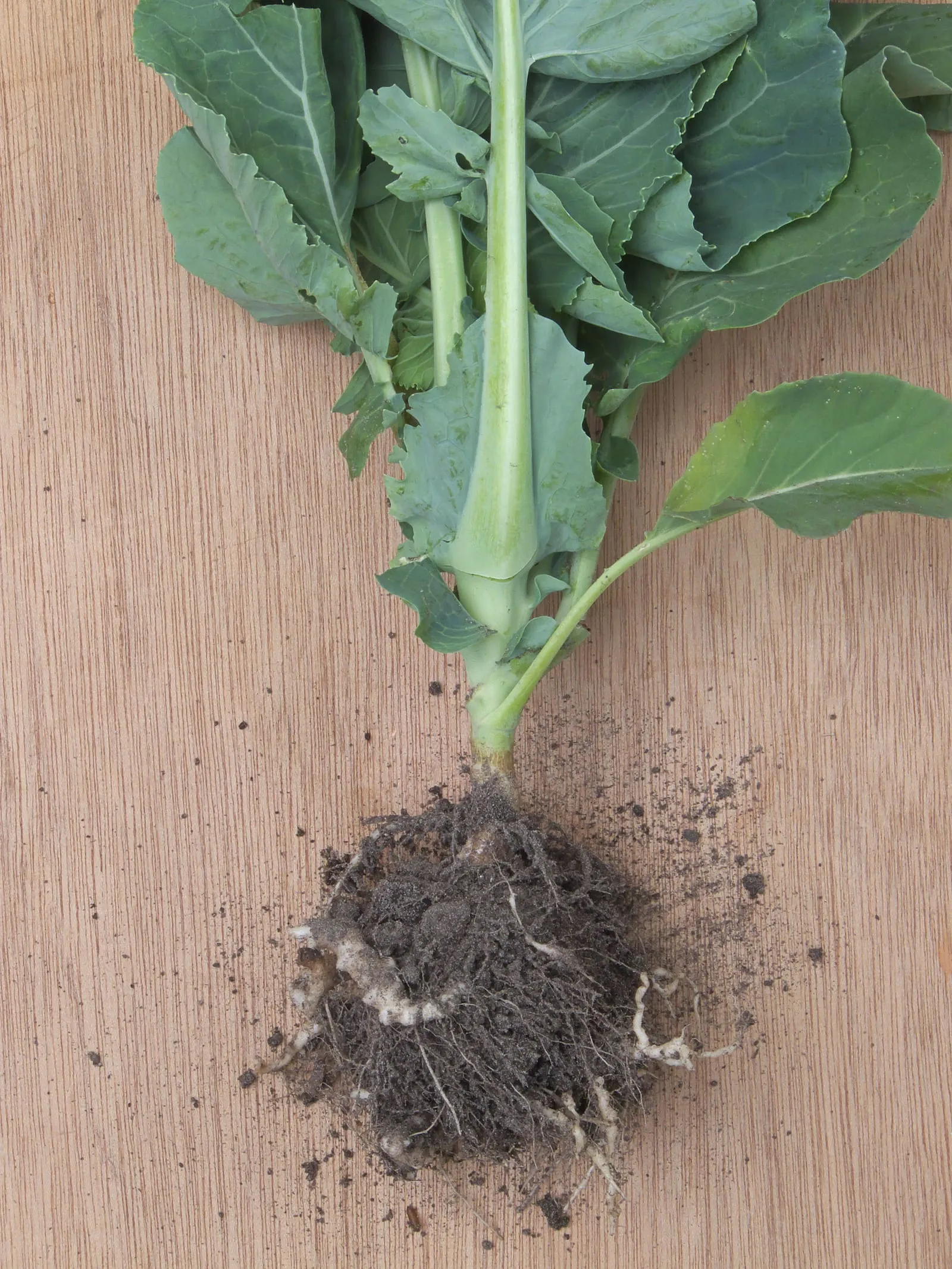
Plasmodiophora brassicae
Soil-borne disease causing characteristic distorted club-shaped roots on brassicas. Persists in soil for 10-20 years; the dominant brassica pathogen in acidic poorly-drained soils.
Modified care for zone 8a
The main adjustment for zone 8a is treating kale as a warm-season gap crop: pull spent plants by June and replant in late summer rather than attempting to push through summer heat. In zones further north, kale may limp through cooler summers; in zone 8a, that approach produces tough, bitter leaves and exhausted plants. If summer production is required, 30% shade cloth buys some time but is rarely economical.
Downy mildew pressure rises in humid fall conditions common to zone 8a. Space plants at least 18 inches apart to allow air circulation, and water at the base to keep foliage dry. Clubroot, a soilborne pathogen that persists for years, is worsened by acidic soils; lime applications to maintain pH between 6.5 and 7.0 significantly reduce its impact. Neither Lacinato nor Redbor requires winter row cover in zone 8a once established.
Frequently asked questions
- Can kale survive winter outdoors in zone 8a?
Yes. Established kale plants tolerate temperatures down to the low teens and handle zone 8a's minimum range of 10 to 15°F without row cover. Plants may look ragged after a hard freeze but typically recover as temperatures moderate. Flavor often improves after cold exposure.
- Why does kale taste bitter in zone 8a summers?
Heat above roughly 80°F triggers glucosinolate changes in kale leaves that increase bitterness and promote bolting. This is a temperature-driven response, not a soil or variety problem. The solution is timing: harvest before summer heat arrives and replant in late summer for fall production.
- Which kale variety performs better in zone 8a heat, Lacinato or Redbor?
Both are cool-season varieties and neither tolerates sustained summer heat well. Redbor tends to have slightly more heat tolerance due to its denser leaf structure, but the difference is marginal. Variety selection matters less than planting timing in zone 8a.
- How do I manage clubroot in my zone 8a kale bed?
Clubroot is soilborne and persists for up to 20 years. Lime soil to pH 6.5 to 7.0, rotate brassicas on a minimum four-year cycle, and remove and dispose of affected roots rather than composting them. There is no chemical cure once the pathogen is established.
+−
+−
+−
+−
Kale in adjacent zones
Image: "Brassica oleracea var. acephala Redbor 0zz", by Photo by David J. Stang, via Wikimedia Commons, licensed under CC-BY Source.

Related