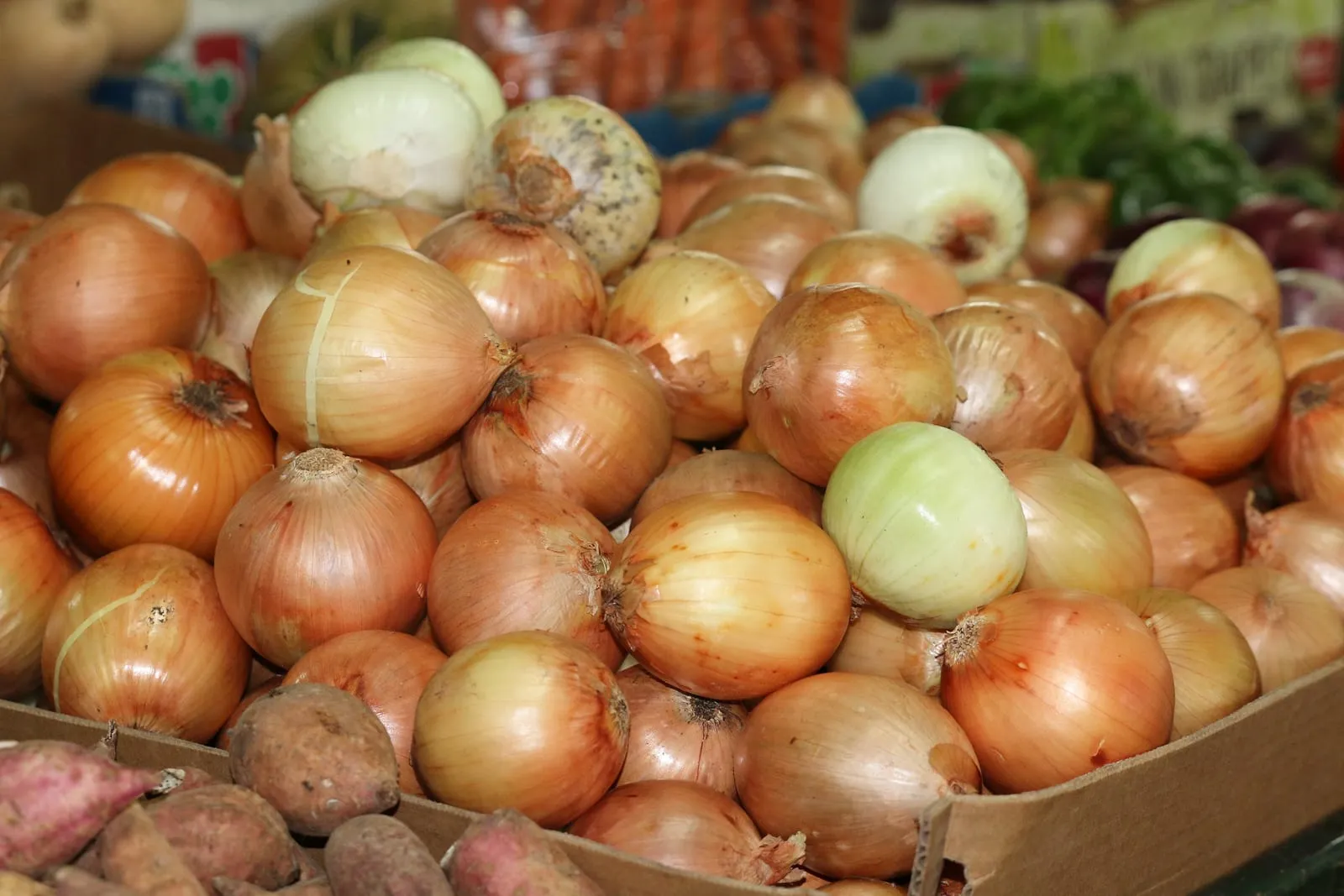
vegetable in zone 8a
Growing onion in zone 8a
Allium cepa
- Zone
- 8a 10°F to 15°F
- Growing season
- 240 days
- Suitable varieties
- 1
- Days to harvest
- 90 to 130
The verdict
Zone 8a is a productive zone for short-day onion varieties, not a marginal one. Onions do not have chilling requirements the way deciduous fruit trees do; bulb formation is triggered by day length rather than accumulated cold. Short-day types like Vidalia (Yellow Granex) initiate bulbing when daylength reaches approximately 12 hours, which occurs in early spring across zone 8a. The 240-day growing season accommodates a fall-to-spring production cycle comfortably, allowing transplants or sets to establish deep root systems through winter and bulk up before summer heat arrives.
Long-day varieties bred for northern climates, which require 14 to 16 hours of daylight to bulb, will fail to form usable bulbs in this latitude and should be avoided entirely. Heat stress is the zone's main liability: if planting is delayed past early November or harvest is missed in late spring, bulb quality drops quickly. Within the right timing window, zone 8a suits short-day onions well.
Recommended varieties for zone 8a
1 cultivar suited to this zone, with disease-resistance and zone-fit annotations.
| Variety | Notes | Zone fit | Disease resistance |
|---|---|---|---|
| Vidalia (Yellow Granex) fits zone 8a | Very sweet, juicy, mild; the famous Georgia sweet onion. Fresh, onion rings, salsa. Short-day variety only true to type in low-sulfur soil; storage minimal. | | none noted |
Critical timing for zone 8a
Fall planting is the standard approach in zone 8a. Transplants or sets go into the ground from mid-September through early November, after summer heat breaks but early enough to establish root mass before the shortest days of December. Onion tops grow through winter, tolerating the occasional temperature dips into the 10 to 15°F range that define zone 8a's coldest nights.
Bulbing begins in late February or March as days lengthen past 12 hours. Harvest typically runs from late April through early June depending on planting date and variety. Zone 8a's last frost (commonly late February to mid-March) falls well before the harvest window and rarely interferes. The more critical deadline is the onset of sustained soil temperatures above 85°F, which accelerates neck rot in bulbs left in the ground past their peak.
Common challenges in zone 8a
- ▸ Insufficient chill hours for some apple varieties
- ▸ Pierce's disease in grapes
- ▸ Heat stress on cool-season crops
Disease pressure to watch for
Modified care for zone 8a
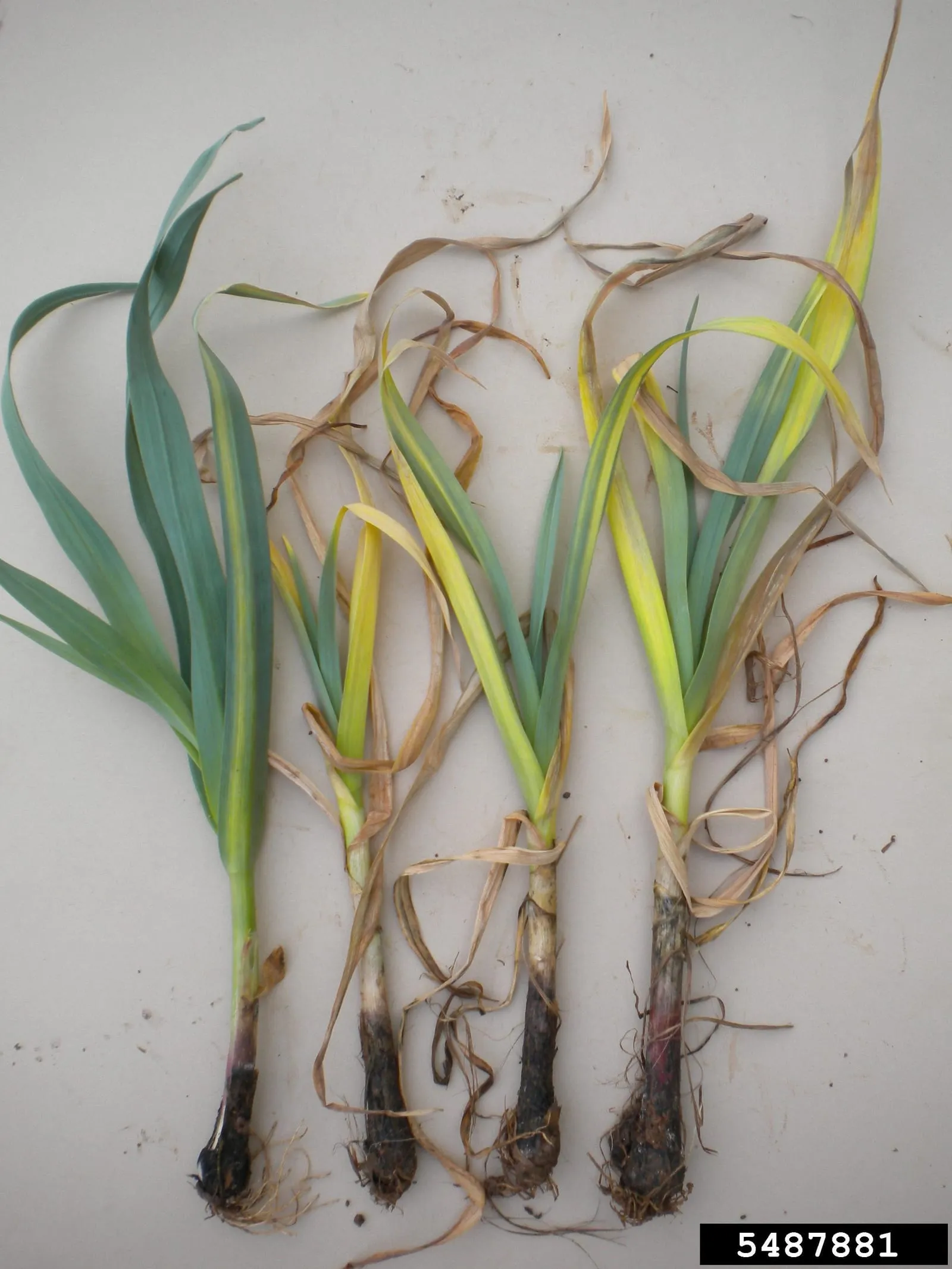
Onion white rot (Sclerotium cepivorum) is the primary disease concern in zone 8a's mild, moist winters. The pathogen persists in soil for decades and cannot be eliminated once established. Rotating alliums to unaffected ground each season and sourcing certified disease-free transplants are the main management tools; there is no reliable chemical cure after infection.
Harvest timing demands more attention here than in cooler zones. Bulbs left in warming spring soil past the point when tops have fully fallen are prone to rapid decay and reduced storage life. A light application of nitrogen fertilizer in February supports the rapid bulbing phase without pushing excess leaf growth that delays harvest. Winter mulching is generally unnecessary except during forecast cold snaps below 18°F, and heavy mulch held too long into spring creates conditions favorable for fungal disease.
Onion in adjacent zones
Image: "Zwiebeln auf Antigua", by CHK46, via Wikimedia Commons, licensed under CC-BY Source.

Related