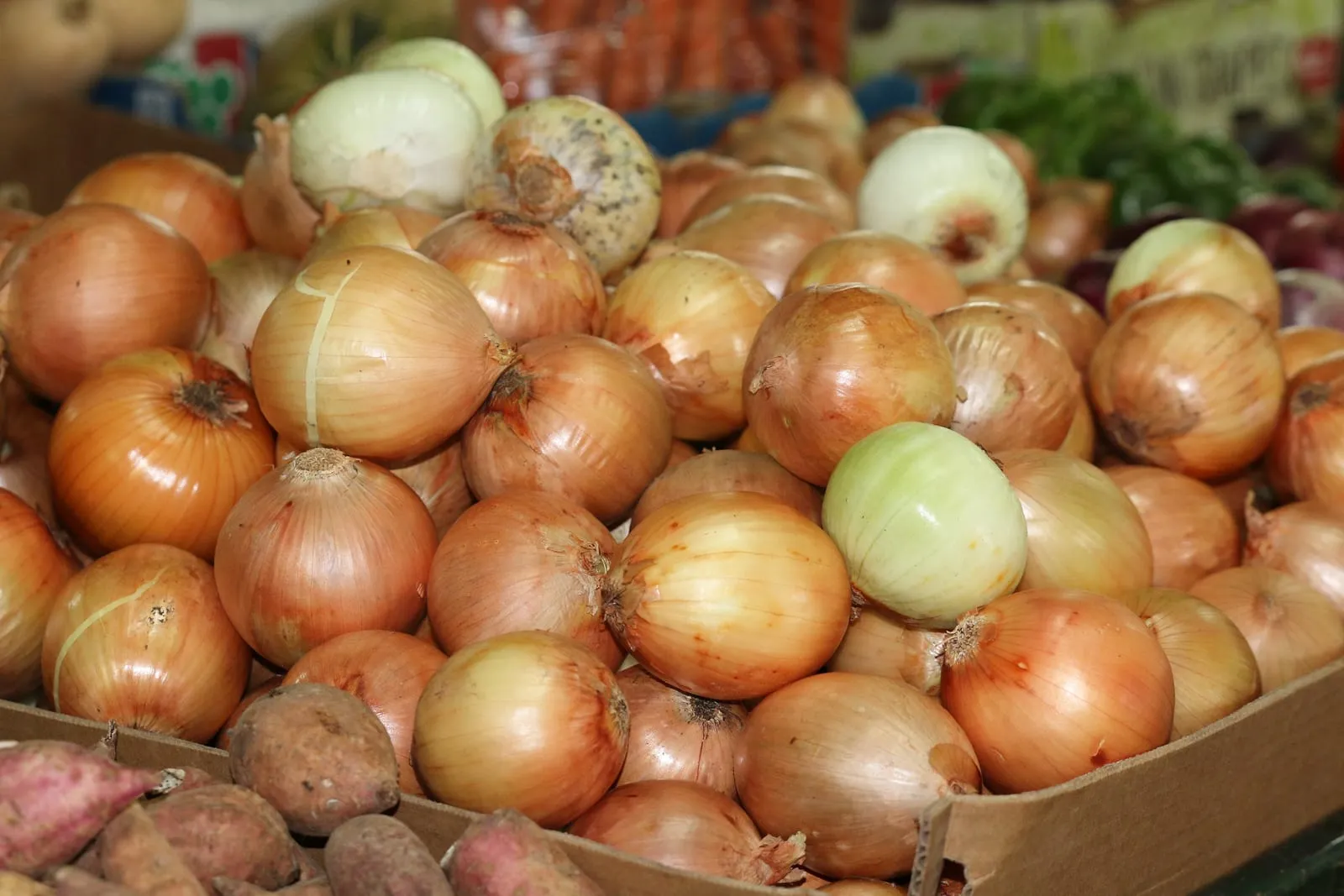
vegetable in zone 9a
Growing onion in zone 9a
Allium cepa
- Zone
- 9a 20°F to 25°F
- Growing season
- 290 days
- Suitable varieties
- 1
- Days to harvest
- 90 to 130
The verdict
Onions do not have chill-hour requirements, so zone 9a's mild winters are not a limiting factor the way they are for stone fruits or apples. The binding variable for onions is photoperiod: bulb formation is triggered by day length, and the zone a grower sits in determines which day-length class performs. Zone 9a falls squarely within short-day onion territory. Short-day varieties initiate bulbing when days reach 10 to 12 hours, which occurs during the spring progression in southern latitudes. Attempting long-day varieties (suited to zones 5 to 7) in zone 9a typically results in small or non-existent bulbs because the requisite day length never arrives before heat shuts down growth. Yellow Granex, the parent of Vidalia-style onions, was developed specifically for this growing window and performs reliably in zone 9a. The 290-day growing season provides ample time for the fall-to-spring production cycle that suits onions here.
Recommended varieties for zone 9a
1 cultivar suited to this zone, with disease-resistance and zone-fit annotations.
| Variety | Notes | Zone fit | Disease resistance |
|---|---|---|---|
| Vidalia (Yellow Granex) fits zone 9a | Very sweet, juicy, mild; the famous Georgia sweet onion. Fresh, onion rings, salsa. Short-day variety only true to type in low-sulfur soil; storage minimal. | | none noted |
Critical timing for zone 9a
In zone 9a, onions are planted in the fall, typically late October through December, to establish root systems through the mild winter before rapid top growth and bulbing in late winter and spring. Transplants or sets go in the ground when soil temperatures cool below 75°F. Bulbing begins as days lengthen past 10 to 12 hours, generally in late February to March at this latitude. Harvest follows when roughly half the tops have fallen over naturally, typically April through June depending on planting date. Pulling too late risks bulb splitting or accelerated rot as temperatures climb. Zone 9a's frost timing is favorable: the region rarely sees hard freezes that damage established transplants, though a late frost below 28°F can damage young seedlings if they were set out early.
Common challenges in zone 9a
- ▸ Limited stone fruit options due to insufficient chill
- ▸ Hurricane and tropical storm exposure
- ▸ Citrus disease pressure
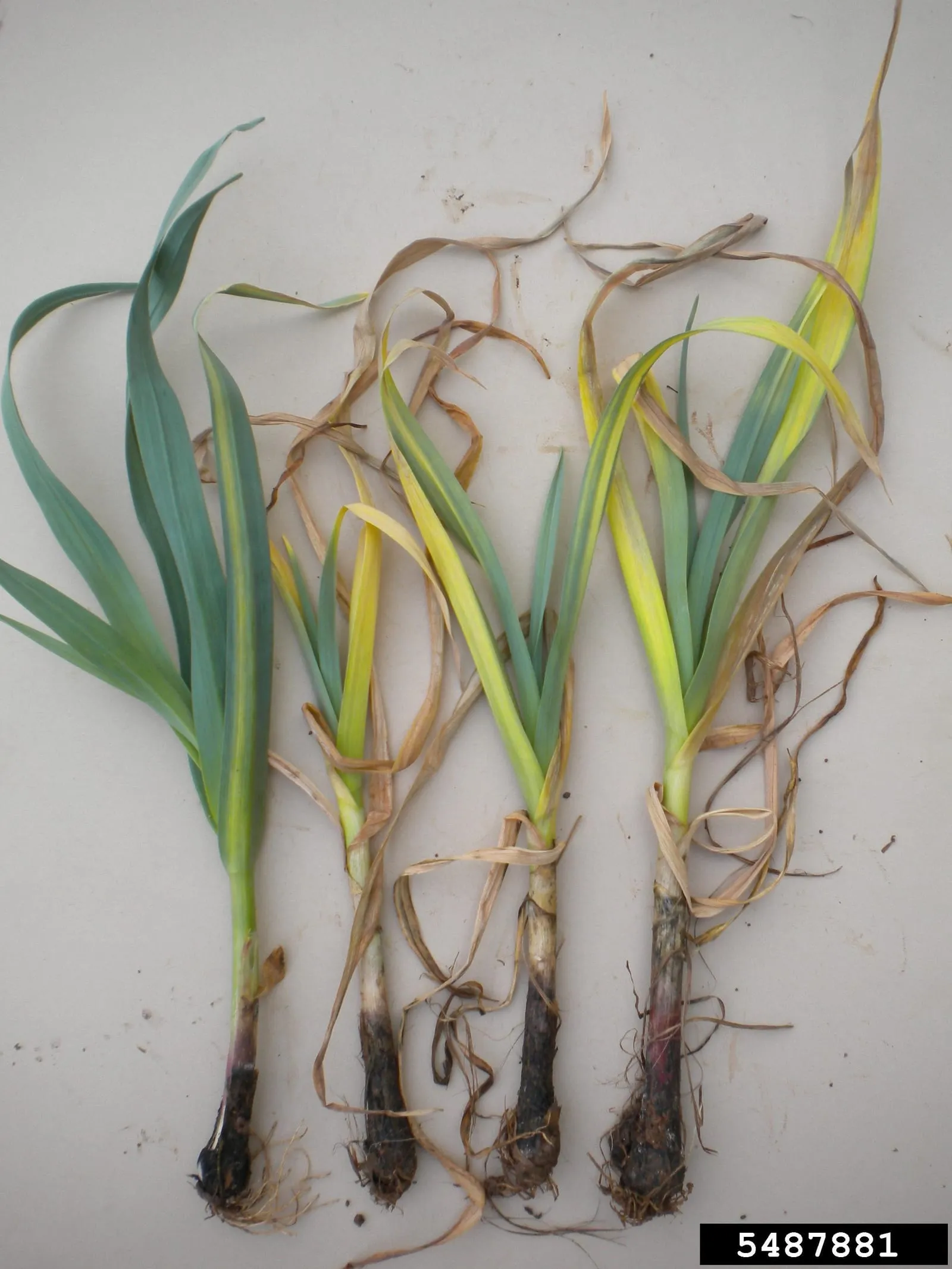
Disease pressure to watch for
Modified care for zone 9a
The primary care adjustment in zone 9a is managing the compressed harvest window. As temperatures rise in May and June, bulbs that have not cured properly in the ground deteriorate quickly. Harvest should begin proactively when tops start to fall rather than waiting for complete foliage dieback. Onion White Rot, caused by Sclerotium cepivorum, is the most consequential disease risk in zone 9a's warmer, humid growing areas. The pathogen persists in soil for decades, so rotation is essential but not fully protective once soil is infested. Raised beds with good drainage reduce the wet-soil conditions that favor infection. Avoid overhead irrigation during bulb development. Because zone 9a winters stay warm enough for weeds and alternate hosts, volunteer alliums from previous seasons should be removed promptly to reduce inoculum load.
Frequently asked questions
- Why can't long-day onion varieties like Walla Walla be grown in zone 9a?
Long-day onions require 14 to 16 hours of daylight to initiate bulbing. In zone 9a's lower latitudes, days never reach that length before summer heat arrives, so the plants remain in vegetative growth and produce little or no usable bulb. Short-day varieties bred for 10 to 12 hours of daylight are the reliable choice here.
- When should onion transplants be set out in zone 9a?
Late October through early December is the standard window. Transplants established by December have time to develop strong root systems before the spring bulbing push. Planting too early, when soils are still warm, stresses young transplants and can trigger premature bolting.
- Is Onion White Rot curable once it appears in a bed?
No. Sclerotium cepivorum produces sclerotia (resting bodies) that survive in soil for 20 or more years without a host. Once confirmed, the most practical response is to retire that bed from allium production for an extended period and avoid moving infested soil to clean areas.
+−
+−
+−
Onion in adjacent zones
Image: "Zwiebeln auf Antigua", by CHK46, via Wikimedia Commons, licensed under CC-BY Source.

Related