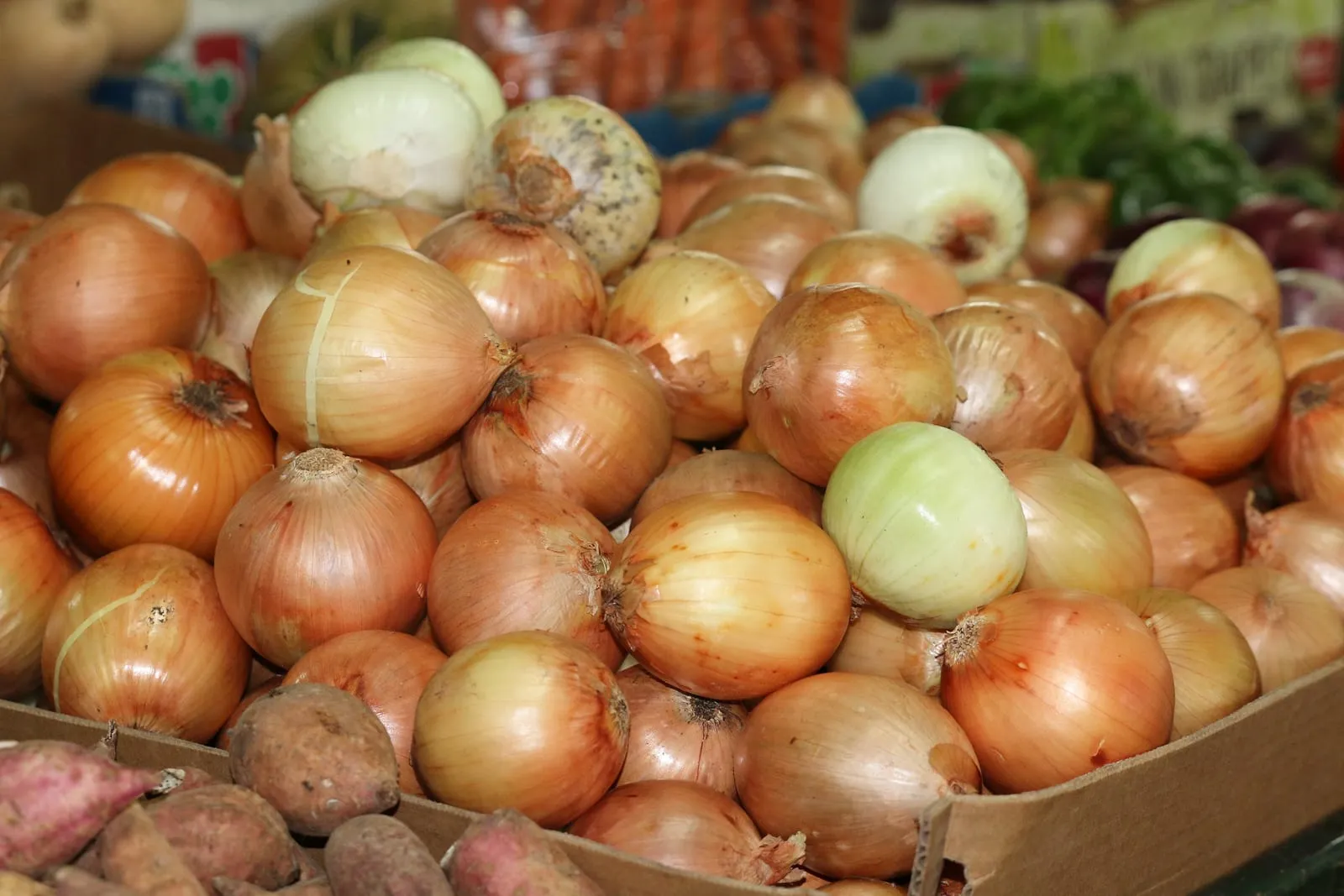
vegetable in zone 9b
Growing onion in zone 9b
Allium cepa
- Zone
- 9b 25°F to 30°F
- Growing season
- 310 days
- Suitable varieties
- 0
- Days to harvest
- 90 to 130
The verdict
Onions are well suited to zone 9b, but the framing differs from tree fruits: onions have no meaningful chilling requirement. Bulb formation is triggered by photoperiod (day length), not cold accumulation. This distinction matters in zone 9b because the relevant question is not whether winters are cold enough, but whether the right variety class is planted.
Zone 9b sits at southern latitudes where day length peaks well below the 14 to 16 hours that long-day onion varieties need to bulb. Only short-day varieties will perform here, bulbing when days reach 10 to 12 hours in late winter and early spring. Planted in the correct window, they have ample time to size up through zone 9b's mild winters before bulbing commences.
This is a productive zone for onions, not a marginal one, provided growers stay in the short-day category (Grano types, Granex selections, and regional Bermuda-type varieties bred for southern conditions). Long-day and some intermediate-day types will grow foliage but refuse to bulb.
Critical timing for zone 9b
The zone 9b onion season runs opposite to what northern growers expect. Planting happens in fall, from late October through December, using transplants or sets. This allows plants to establish through the mild winter and bulk up vegetatively before day length triggers bulbing in late winter.
Bulbing typically begins in February as days lengthen past 11 to 12 hours. Harvest runs from late March through May depending on planting date and variety maturity. The minimum winter temperatures of 25 to 30°F in zone 9b are not a serious threat to established onion foliage, which tolerates light freezes without significant damage.
The hard deadline is summer heat. Onions left in the ground as temperatures climb bolt, neck poorly, and store badly. The goal is to have bulbs cured and out of the ground by mid-May at the latest.
Common challenges in zone 9b
- ▸ Heat stress in summer
- ▸ Insufficient chill for most apples
- ▸ Salt spray near coasts
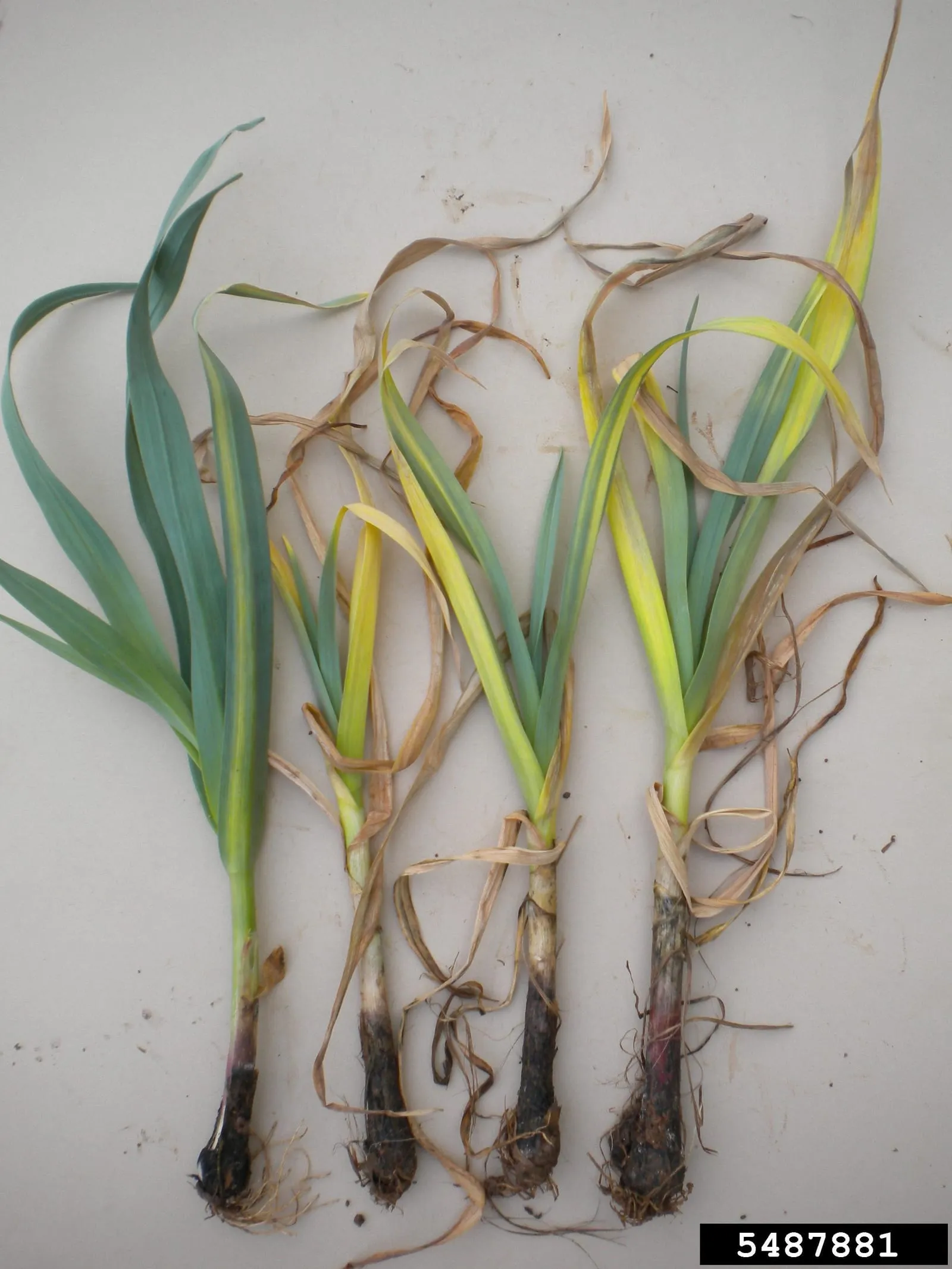
Disease pressure to watch for
Modified care for zone 9b
Short-day variety selection is the foundational adaptation. Texas Early Grano, Granex 33, and similar selections are designed for this latitude and growing window. Intermediate or long-day varieties planted here will not produce usable bulbs regardless of care.
Onion White Rot (Sclerotium cepivorum) is the primary disease risk in zone 9b. The soilborne fungus thrives in the cool, moist conditions that coincide with the fall-through-spring growing window. Sclerotia persist in soil for 20 or more years, so once a bed is infested, rotation is the only practical management tool. Maintain a minimum 8-year gap between any allium crops in affected areas. Drip irrigation reduces leaf wetness and limits surface spread.
Summer heat is not an in-season problem since onions are harvested before it arrives, but planting delays into January compress the establishment window and push harvest later. Fall planting on schedule is the most reliable way to stay ahead of the heat constraint.
Frequently asked questions
- Can long-day onion varieties be grown in zone 9b?
Long-day varieties require 14 to 16 hours of daylight to initiate bulbing, a threshold that southern latitudes in zone 9b never reach during the onion growing season. These varieties will produce healthy foliage but will not form usable bulbs. Short-day varieties are the only practical choice for zone 9b.
- When should onions be planted in zone 9b?
Transplants or sets go in from late October through December. This fall planting window gives bulbs enough time to establish and size up through the mild winter before day length triggers bulbing in February and March. Spring planting pushes harvest into summer heat and significantly reduces yield and quality.
- What is Onion White Rot and how serious is it in zone 9b?
Onion White Rot is a soilborne fungal disease caused by Sclerotium cepivorum that rots roots and bulb bases. Its sclerotia persist in soil for decades, making eradication impractical. In zone 9b, the cool moist conditions of the fall-to-spring season favor infection. Long crop rotations (8-plus years between allium crops in affected beds) are the primary management approach.
- Do onions in zone 9b need frost protection?
Established onion foliage tolerates the light freezes typical of zone 9b winters, where minimum temperatures range from 25 to 30°F. Newly set transplants benefit from row cover during hard freezes in November and December, but mature plants through the main growing season rarely need protection.
+−
+−
+−
+−
Onion in adjacent zones
Image: "Zwiebeln auf Antigua", by CHK46, via Wikimedia Commons, licensed under CC-BY Source.

Related