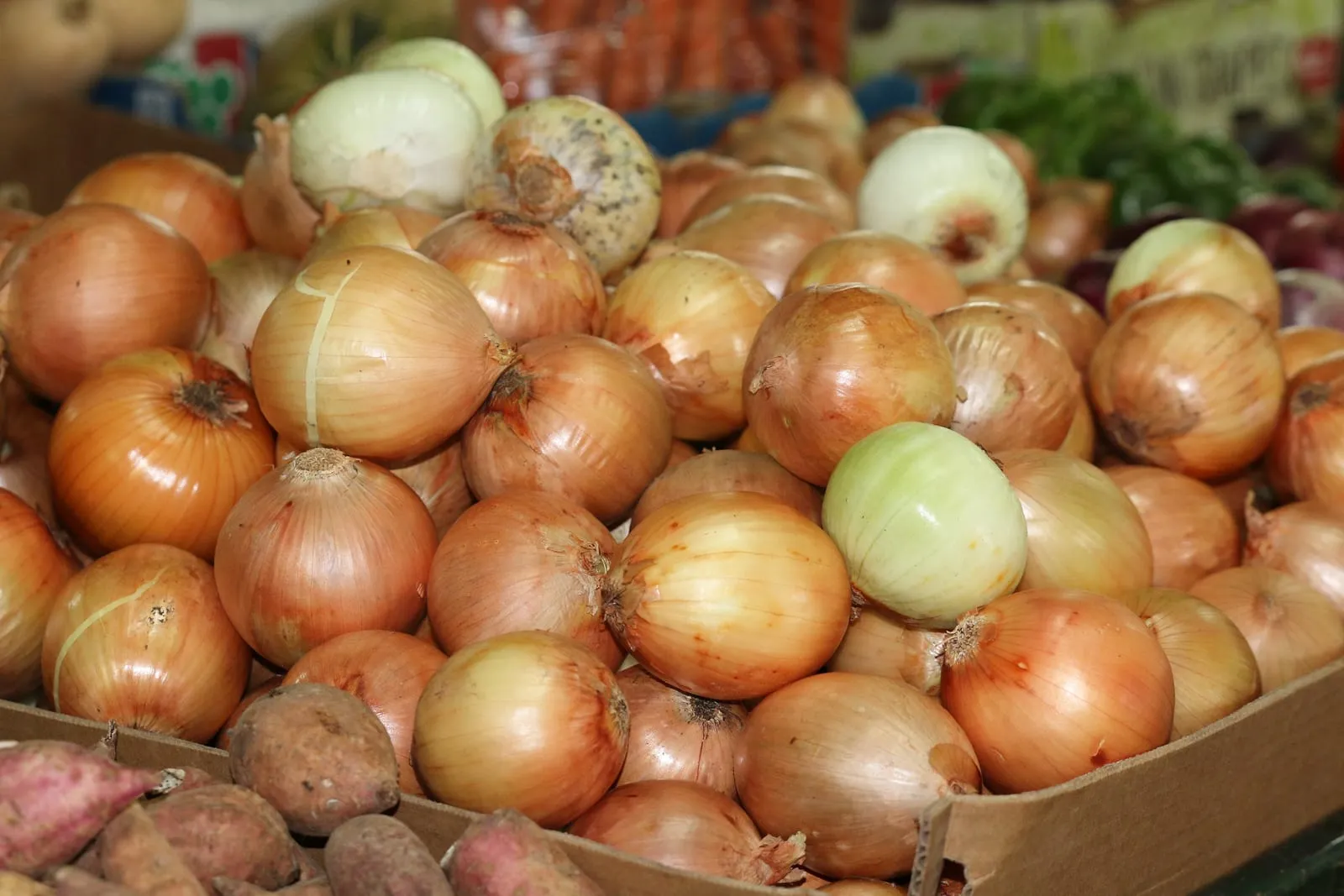
vegetable in zone 3a
Growing onion in zone 3a
Allium cepa
- Zone
- 3a -40°F to -35°F
- Growing season
- 90 days
- Suitable varieties
- 2
- Days to harvest
- 90 to 130
The verdict
Onions are cool-season crops without a chilling requirement, so zone fit in 3a centers on growing season length rather than accumulated cold hours. Zone 3a's 90-day frost-free window is tight: most full-size bulb onions need 100 to 120 days from transplant to harvest. The varieties that perform here, Yellow Sweet Spanish and Copra, are long-day types that initiate bulbing when daylength exceeds roughly 14 to 16 hours. Zone 3a's summer days are long enough to trigger bulbing, but the timing is unforgiving. Starting plants indoors 8 to 10 weeks before the last expected frost is not optional; direct outdoor seeding rarely leaves enough season to finish a mature bulb. Consider this a workable zone for onions, not a sweet spot. Success depends heavily on transplant timing, variety selection, and getting transplants into the ground at the earliest reasonable date.
Recommended varieties for zone 3a
2 cultivars suited to this zone, with disease-resistance and zone-fit annotations.
| Variety | Notes | Zone fit | Disease resistance |
|---|---|---|---|
| Yellow Sweet Spanish fits zone 3a | Mildly sweet, large globes, classic golden-skinned onion; the all-purpose home-garden onion. Cooking, slicing, storage 4-6 months. | | none noted |
| Copra fits zone 3a | Pungent, dense, dependable storage onion; small to medium yellow globes. Cooking, soups, sauteing. Stores 8-10 months, the longest-keeping yellow onion for the home garden. | | none noted |
Critical timing for zone 3a
Last frost in zone 3a typically falls in late May to early June depending on specific location and elevation. Transplants go out as soon as soil can be worked and overnight temperatures stay reliably above 20°F; onion transplants tolerate light frost but not hard freezes. With a 90-day window after transplanting, harvest falls in late August to early September. Bulbing initiates in midsummer when daylength peaks, and tops begin to fall over naturally as maturity approaches. The narrow season leaves little room for a delayed start: transplants set out more than two weeks late often do not fully size before the first fall frost arrives.
Common challenges in zone 3a
- ▸ Very short growing season
- ▸ Late spring frosts
- ▸ Limited fruit-tree options
- ▸ Heavy mulching required
Disease pressure to watch for
Modified care for zone 3a
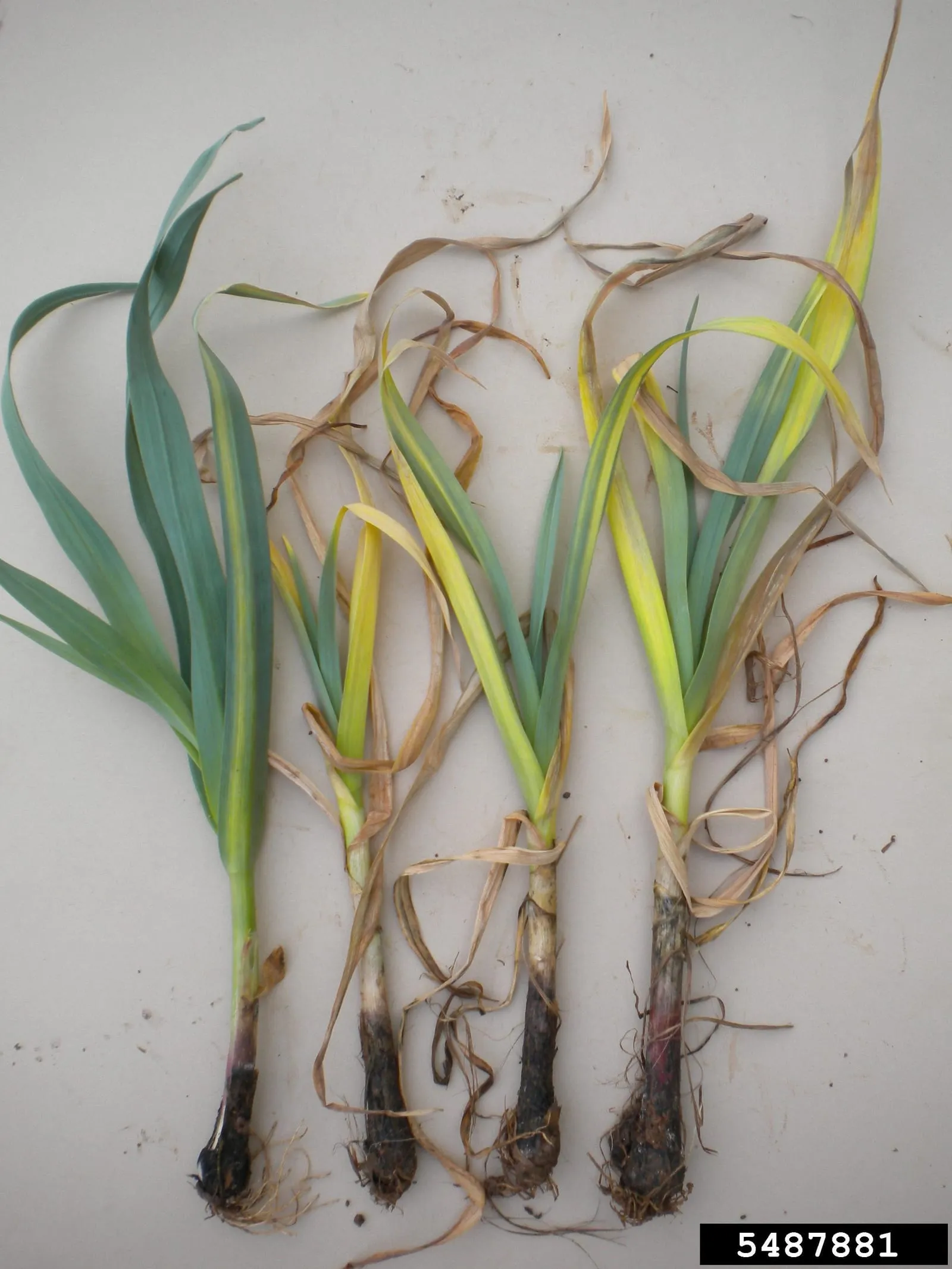
Starting transplants indoors 8 to 10 weeks before the estimated outdoor transplant date is the core adaptation for zone 3a. Once in the ground, heavy mulching with straw or shredded leaves moderates soil temperature swings during the brief shoulder seasons and conserves moisture. Onion White Rot (Sclerotium cepivorum) is the primary disease concern in this zone; this soil-borne fungus produces sclerotia that persist in soil for 20 years or more, making rotation critical even when no symptoms are visible. Alliums should not be planted in previously infected beds, and soil from affected areas should not be moved elsewhere on the property. Water management through bulbing should be consistent, then tapered as tops begin to die back to reduce white rot pressure and improve storability of harvested bulbs.
Frequently asked questions
- Can onions actually be grown in zone 3a with its short growing season?
Yes, with careful variety selection and indoor transplant starts. Yellow Sweet Spanish and Copra are long-day varieties that can finish within zone 3a's roughly 90-day frost-free window, provided transplants go in the ground as early as conditions allow, typically late May to early June.
- What is Onion White Rot and how serious is it in zone 3a?
Onion White Rot is a soil-borne fungal disease caused by Sclerotium cepivorum. Its sclerotia can remain viable in soil for two decades, making prevention through strict crop rotation the primary management tool. There is no practical soil cure once a bed is infested.
- Why do onions in zone 3a need to be started indoors?
Most bulbing onions require 100 to 120 days to reach harvest size. Zone 3a's frost-free window is approximately 90 days, so starting transplants 8 to 10 weeks before outdoor planting is the only way to compress enough growing time into a single season.
+−
+−
+−
Onion in adjacent zones
Image: "Zwiebeln auf Antigua", by CHK46, via Wikimedia Commons, licensed under CC-BY Source.

Related