vegetable in zone 3b
Growing onion in zone 3b
Allium cepa
- Zone
- 3b -35°F to -30°F
- Growing season
- 100 days
- Suitable varieties
- 3
- Days to harvest
- 90 to 130
The verdict
Zone 3b's 100-day growing season is the primary constraint for onions, not cold hardiness. Onions tolerate frost well as transplants and can withstand light freezes, but they need sufficient time to develop full bulbs before fall cold ends the season. Long-day varieties, which require 14 to 16 hours of daylight to initiate bulbing, are the correct choice here; the northern latitude of zone 3b provides ample midsummer day length, which actually works in the grower's favor. Yellow Sweet Spanish, Red Burgundy, and Copra are all long-day types suited to this latitude. Copra is worth prioritizing for its tight skin and high dry-matter content, making it a reliable storage onion in a zone where the harvest window leaves little margin for error. Onions are workable in zone 3b when variety selection is correct, but the zone is not forgiving of late planting or slow-maturing cultivars.
Recommended varieties for zone 3b
3 cultivars suited to this zone, with disease-resistance and zone-fit annotations.
| Variety | Notes | Zone fit | Disease resistance |
|---|---|---|---|
| Yellow Sweet Spanish fits zone 3b | Mildly sweet, large globes, classic golden-skinned onion; the all-purpose home-garden onion. Cooking, slicing, storage 4-6 months. | | none noted |
| Red Burgundy fits zone 3b | Sweet-mild, deep magenta rings; the classic red salad onion. Fresh, burgers, pickling, salsa. Stores 3-4 months when cured properly. | | none noted |
| Copra fits zone 3b | Pungent, dense, dependable storage onion; small to medium yellow globes. Cooking, soups, sauteing. Stores 8-10 months, the longest-keeping yellow onion for the home garden. | | none noted |
Critical timing for zone 3b
Zone 3b's last spring frost typically falls in late May or early June, and the first fall frost arrives in early September, compressing the outdoor season to roughly 90 to 100 days. Onions benefit more than almost any other vegetable from an indoor head start in this zone. Seeds sown 10 to 12 weeks before the last frost date produce transplants ready to go out in mid to late May, gaining several weeks over direct seeding. Bulb development accelerates through June and July as day length peaks above 16 hours at northern latitudes. Tops typically fall by late August; harvest should be completed before the first hard frost in early September. Curing onions promptly after digging, in a warm and well-ventilated space, is critical given the narrow gap between harvest and the onset of cold, damp fall conditions.
Common challenges in zone 3b
- ▸ Short season
- ▸ Winter desiccation
- ▸ Site selection critical for fruit trees
Disease pressure to watch for
Modified care for zone 3b
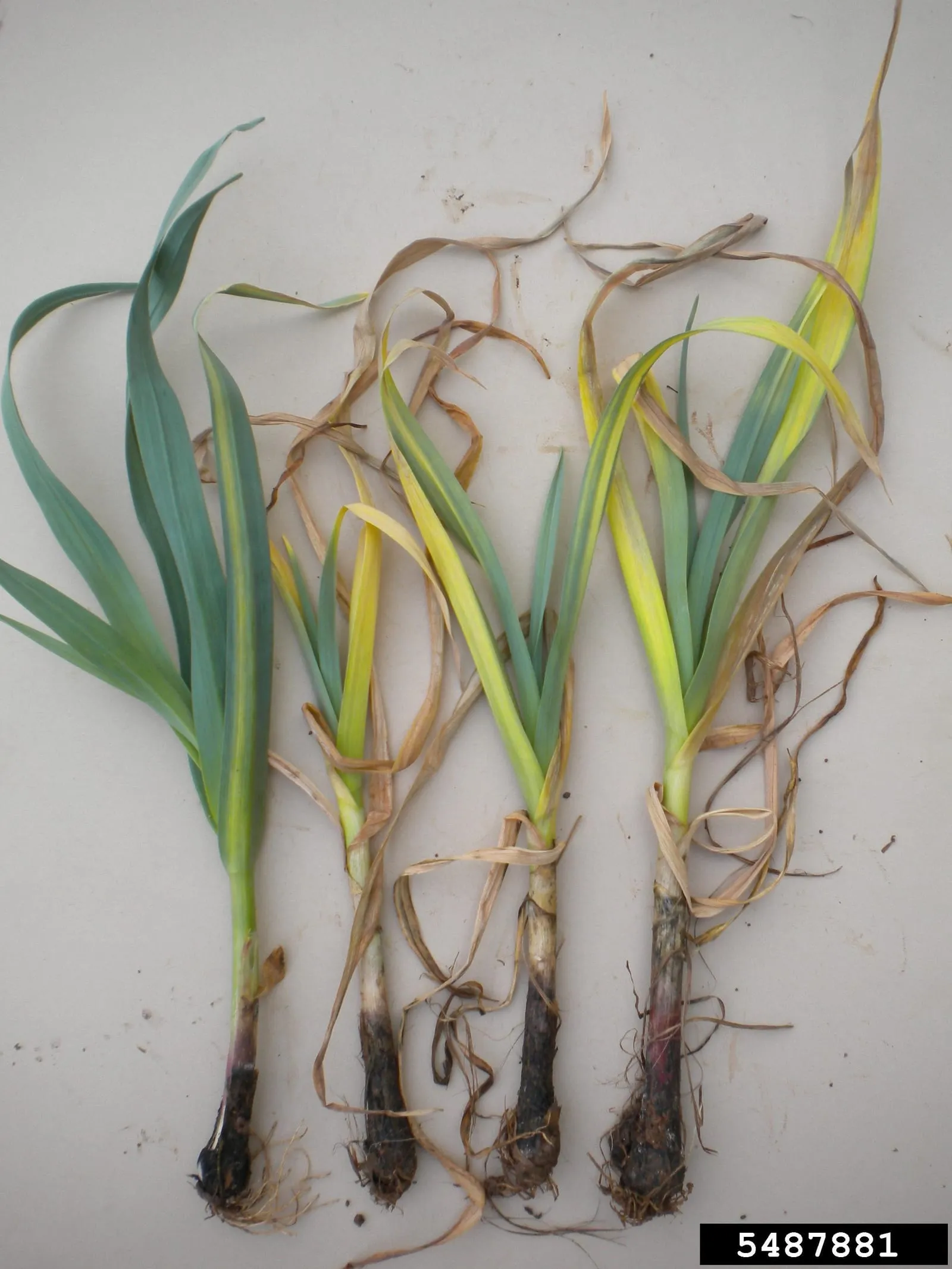
Starting onions from transplants rather than direct seed is the baseline adjustment for zone 3b; direct-seeded onions rarely reach full size in a 100-day season. Seeds started indoors by late February or early March produce transplants ready for the garden as soon as the ground is workable in May. Onion White Rot (Sclerotium cepivorum) is the primary disease concern; the pathogen can persist in soil for decades, so rotating allium crops to a new bed each season is the single most effective preventive measure. Zone 3b summers are short and cool, and slow-drying conditions after rain can favor fungal development near the soil line. Wide in-row spacing of at least 4 to 6 inches and drip or furrow irrigation rather than overhead watering reduce that risk meaningfully.
Onion in adjacent zones
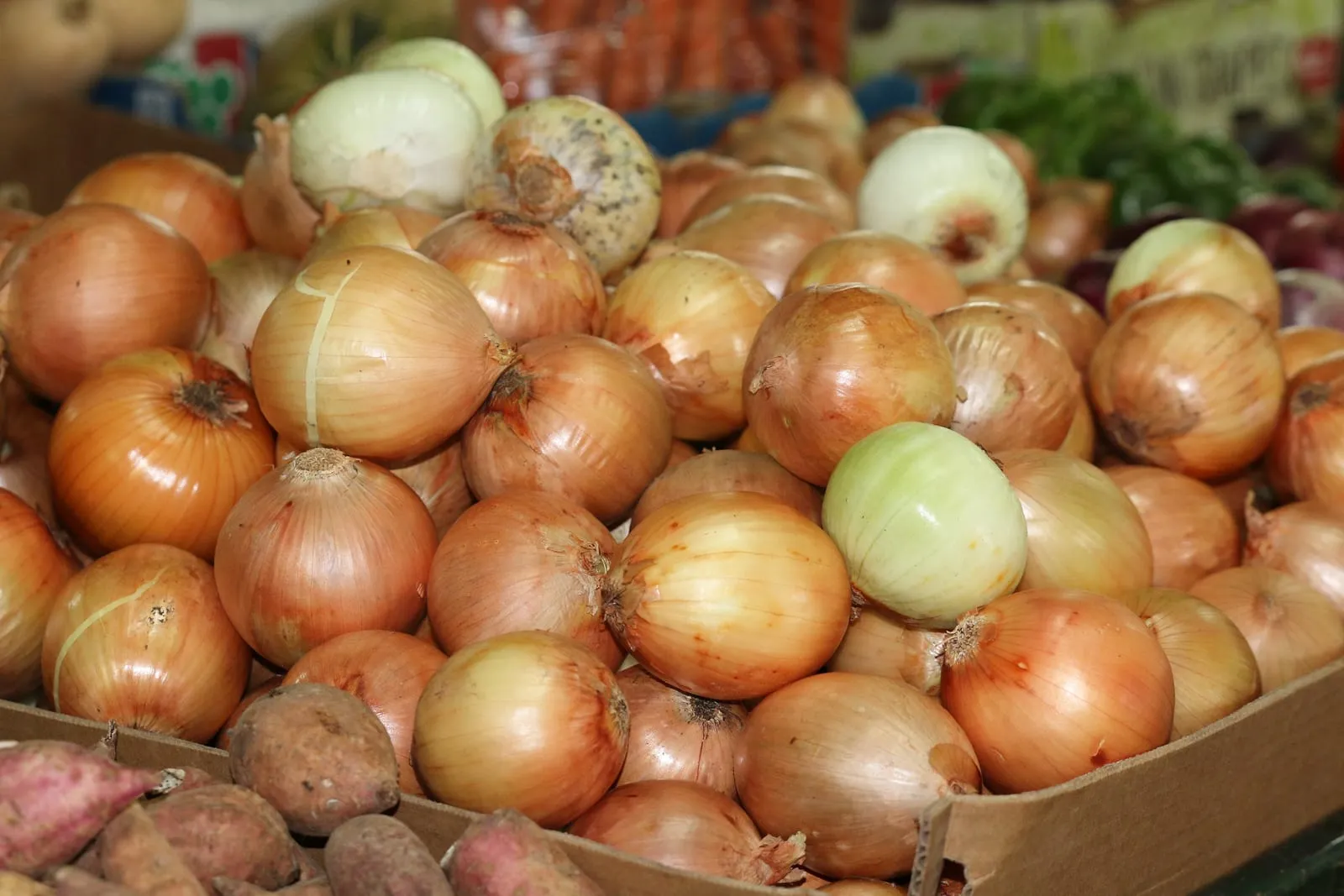
Image: "Zwiebeln auf Antigua", by CHK46, via Wikimedia Commons, licensed under CC-BY Source.

Related