vegetable in zone 4a
Growing onion in zone 4a
Allium cepa
- Zone
- 4a -30°F to -25°F
- Growing season
- 120 days
- Suitable varieties
- 4
- Days to harvest
- 90 to 130
The verdict
Onions are a solid fit for zone 4a, though success depends on choosing long-day varieties and starting the season with enough lead time. Unlike fruit crops, onions have no chill-hour requirement; bulb formation is triggered by day length, not winter cold accumulation. Zone 4a's northern latitude works in a grower's favor here: the extended summer days of June and July reliably cross the 14- to 16-hour threshold that long-day varieties need to set bulbs.
The 120-day growing season is workable, but only if plants are well established before summer day-length peaks. Starting from transplants rather than direct-sown seed is the standard approach in this zone. Among the varieties suited here, Copra stands out as a consistent storage onion that handles the compressed season reliably. Yellow Sweet Spanish reaches good size but demands the full season. Walla Walla produces large, mild bulbs but stores poorly and is best treated as a fresh-use crop consumed within a few weeks of harvest.
Recommended varieties for zone 4a
4 cultivars suited to this zone, with disease-resistance and zone-fit annotations.
| Variety | Notes | Zone fit | Disease resistance |
|---|---|---|---|
| Walla Walla fits zone 4a | Very sweet, juicy, mild; large flat-topped pale yellow onion. Fresh, salads, burgers, onion rings. Short-day storage minimal (2-3 months); eat early. Classic Pacific Northwest variety. | | none noted |
| Yellow Sweet Spanish fits zone 4a | Mildly sweet, large globes, classic golden-skinned onion; the all-purpose home-garden onion. Cooking, slicing, storage 4-6 months. | | none noted |
| Red Burgundy fits zone 4a | Sweet-mild, deep magenta rings; the classic red salad onion. Fresh, burgers, pickling, salsa. Stores 3-4 months when cured properly. | | none noted |
| Copra fits zone 4a | Pungent, dense, dependable storage onion; small to medium yellow globes. Cooking, soups, sauteing. Stores 8-10 months, the longest-keeping yellow onion for the home garden. | | none noted |
Critical timing for zone 4a
Seeds started indoors in late February to early March give transplants the head start zone 4a demands. Last frost in this zone typically falls between mid-May and early June, varying with elevation and local topography, so transplants go out once nighttime temperatures hold reliably above 28°F. Established onion plants tolerate brief frosts, but newly transplanted seedlings are more vulnerable and benefit from row cover during that transition window.
Bulbing accelerates through June and July as day length peaks. Harvest cues include tops beginning to fall and neck tissue softening, typically from early August through early September. Waiting too long into fall risks exposure to early frosts that reduce storage quality and invite fungal problems during curing.
Common challenges in zone 4a
- ▸ Late frosts damage early bloomers
- ▸ Limited peach varieties
Disease pressure to watch for
Modified care for zone 4a
The primary adjustment in zone 4a is compressing the outdoor timeline without compressing plant development. Starting seeds indoors 10 to 12 weeks before transplant date is not optional here; sets or locally sourced transplants work as well, though variety selection narrows considerably. Row cover applied at transplant time buys two to three additional weeks of protection against late frosts and accelerates soil warming.
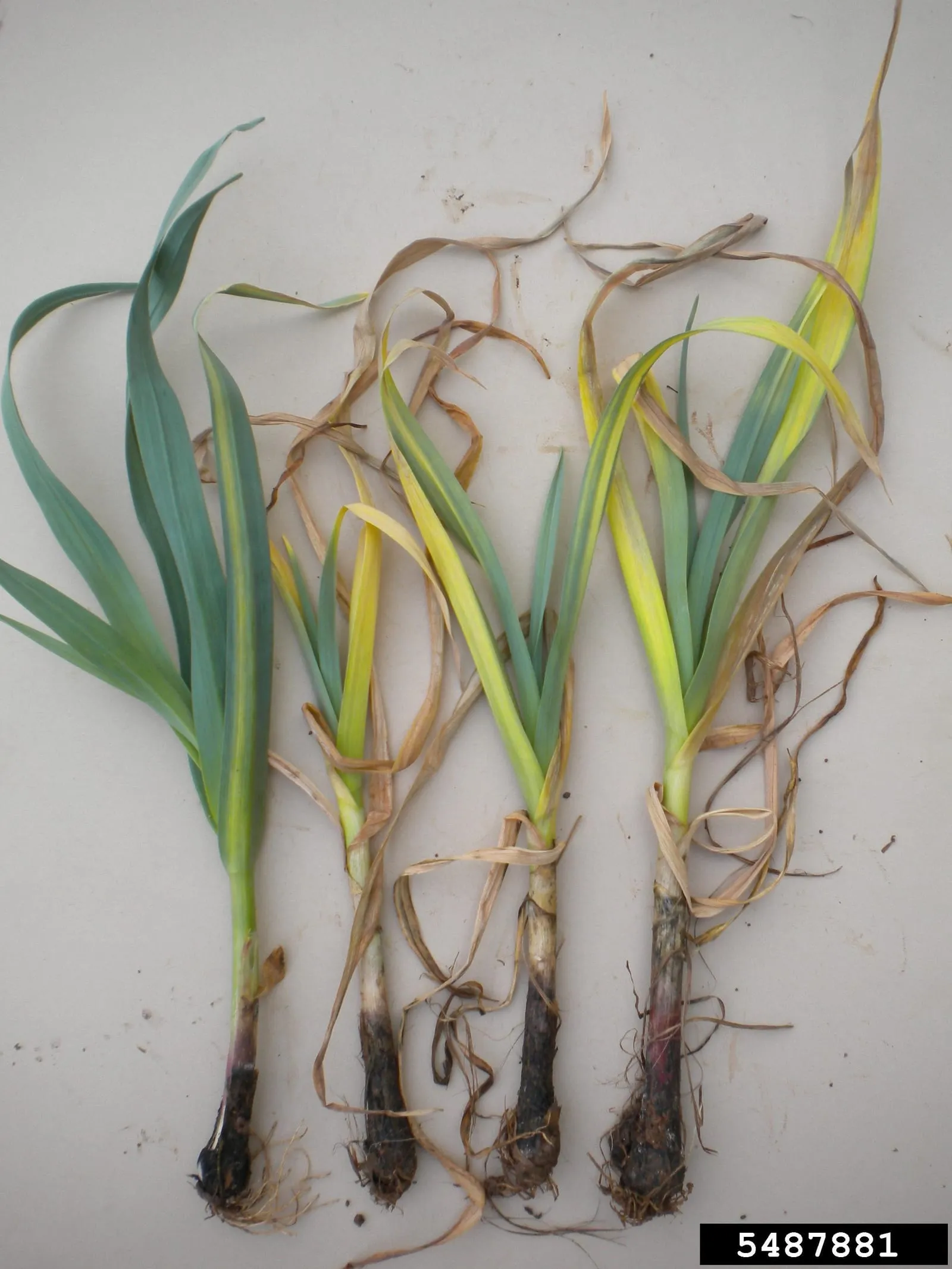
Onion white rot (Sclerotium cepivorum) warrants attention in zone 4a's cool, moist springs, which favor early infection. There are no fungicide options that reliably control established soil infection. The only effective management is rotation: avoid planting alliums in the same bed more than once every four to five years. Infected soil remains a source of sclerotia for decades, so clean transplants and a strict rotation schedule are the primary tools. Monitor closely from transplant time onward for yellowing of lower leaves and white mycelial growth at the bulb base.
Onion in adjacent zones
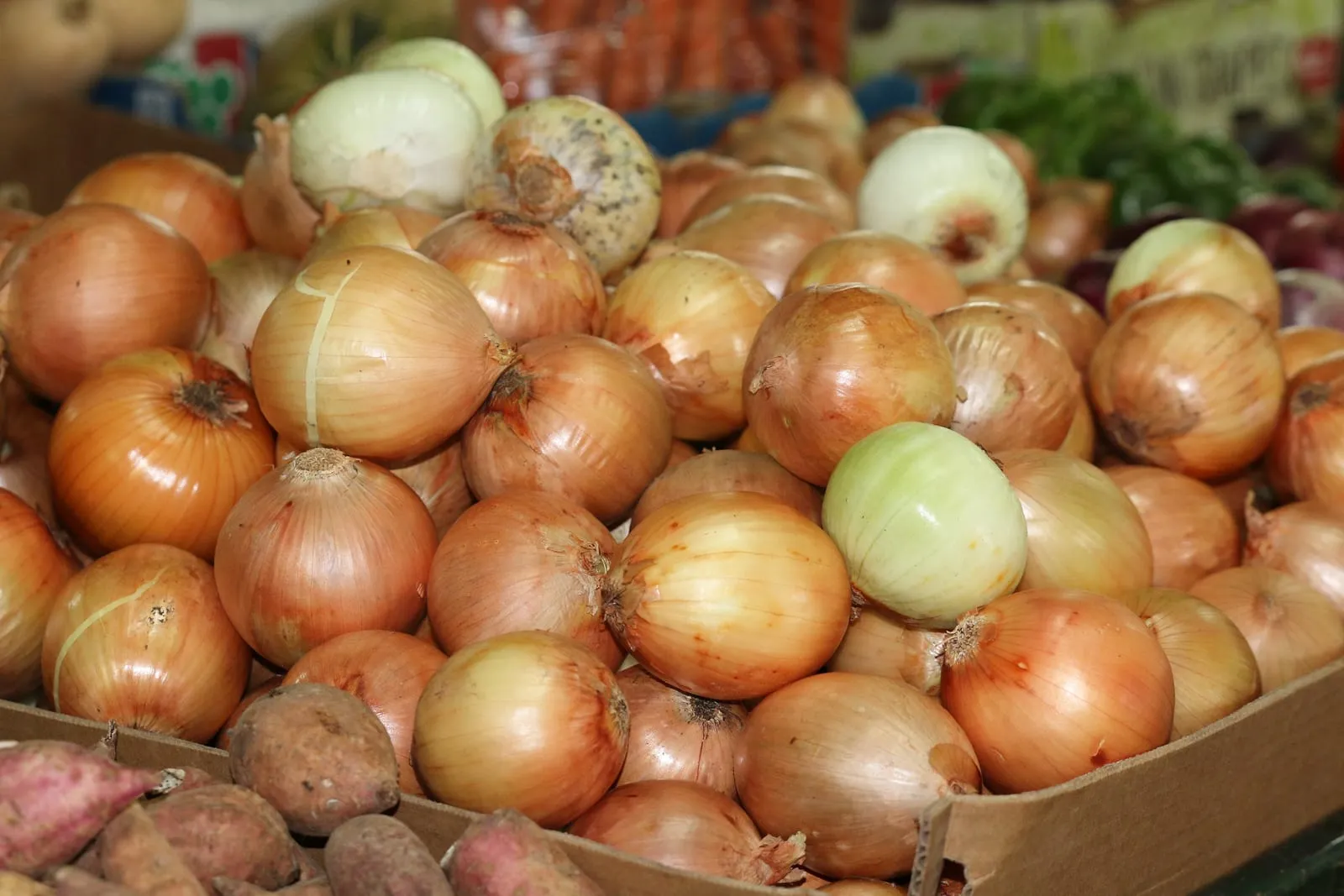
Image: "Zwiebeln auf Antigua", by CHK46, via Wikimedia Commons, licensed under CC-BY Source.

Related