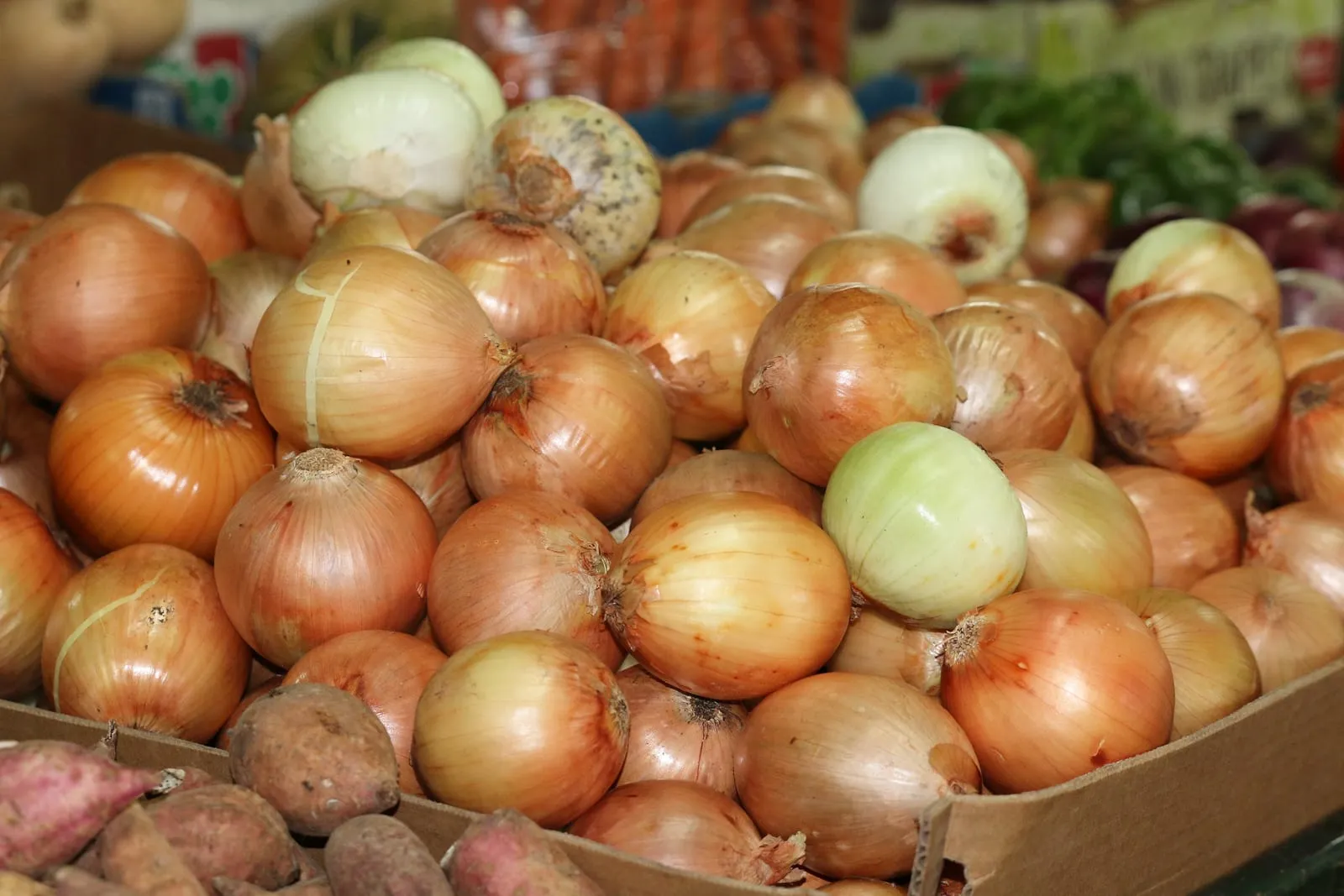
vegetable in zone 4b
Growing onion in zone 4b
Allium cepa
- Zone
- 4b -25°F to -20°F
- Growing season
- 130 days
- Suitable varieties
- 4
- Days to harvest
- 90 to 130
The verdict
Zone 4b sits squarely in long-day onion territory. Onions are classified by day-length sensitivity: long-day varieties require 14 to 16 hours of daylight to initiate bulbing and are bred for latitudes above roughly 37 degrees north. Zone 4b falls well north of that threshold, making long-day types like Copra, Yellow Sweet Spanish, and Red Burgundy the correct choices here. Walla Walla is also a long-day sweet onion that performs in this range, though its lower dry-matter content makes it a poor keeper compared to Copra.
The 130-day growing season is workable but leaves limited slack. Most storage onions require 100 to 120 days from transplant to harvest, so the window is tight rather than generous. Zone 4b is not a marginal zone for onions; the crop's day-length requirements are actually well-matched to this latitude. The binding constraint is season length, not winter cold.
Recommended varieties for zone 4b
4 cultivars suited to this zone, with disease-resistance and zone-fit annotations.
| Variety | Notes | Zone fit | Disease resistance |
|---|---|---|---|
| Walla Walla fits zone 4b | Very sweet, juicy, mild; large flat-topped pale yellow onion. Fresh, salads, burgers, onion rings. Short-day storage minimal (2-3 months); eat early. Classic Pacific Northwest variety. | | none noted |
| Yellow Sweet Spanish fits zone 4b | Mildly sweet, large globes, classic golden-skinned onion; the all-purpose home-garden onion. Cooking, slicing, storage 4-6 months. | | none noted |
| Red Burgundy fits zone 4b | Sweet-mild, deep magenta rings; the classic red salad onion. Fresh, burgers, pickling, salsa. Stores 3-4 months when cured properly. | | none noted |
| Copra fits zone 4b | Pungent, dense, dependable storage onion; small to medium yellow globes. Cooking, soups, sauteing. Stores 8-10 months, the longest-keeping yellow onion for the home garden. | | none noted |
Critical timing for zone 4b
Starting onions indoors 8 to 10 weeks before the last expected frost is standard in zone 4b. With average last frost dates falling in mid- to late May, indoor seeding belongs in early to mid-March. Transplants or sets go into the ground as soon as soil is workable, typically late April to early May; onions tolerate light frost and do not need to wait for warm nights.
Bulbing initiates when days reach 14 to 15 hours of light, near the summer solstice. From transplant to harvest runs 100 to 120 days for most storage types, placing harvest in late August through mid-September. That timing aligns narrowly with zone 4b's average first fall frost in mid-September to early October, leaving an adequate but not generous window to cure bulbs outdoors before hard freezes arrive.
Common challenges in zone 4b
- ▸ Spring frost timing
- ▸ Apple scab pressure
- ▸ Cane berry winter dieback
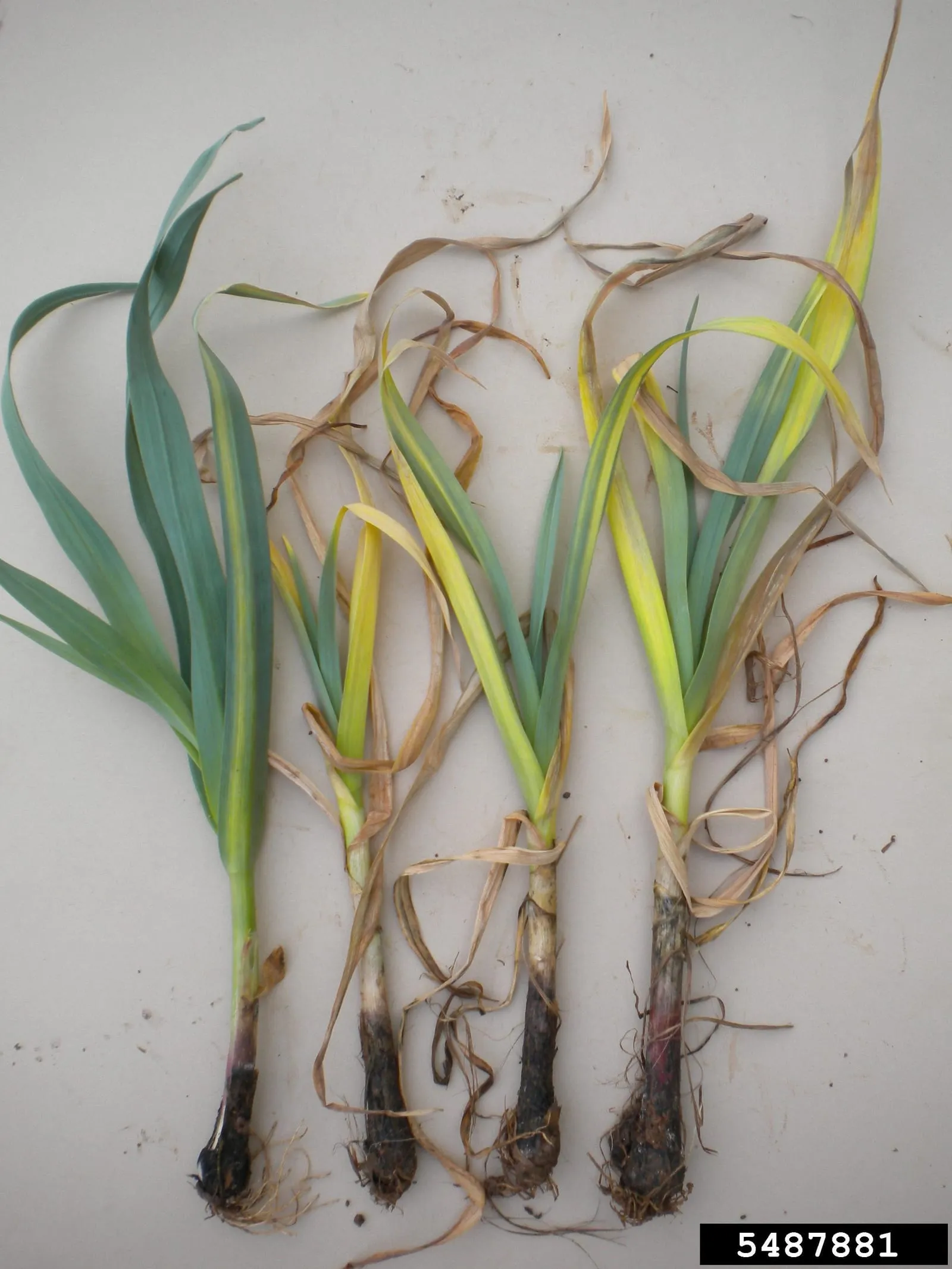
Disease pressure to watch for
Modified care for zone 4b
The most critical adaptation for zone 4b is starting transplants early enough indoors. Direct seeding outdoors rarely succeeds given the 130-day season; transplants provide a 6 to 8 week head start that sets often cannot match for storage varieties. Trim seedling tops to 3 to 4 inches during indoor growth to encourage root development over top growth.
Onion white rot (Stromatinia cepivorum) warrants attention in wetter springs. The pathogen persists in soil for decades and is favored by cool, moist conditions, which zone 4b delivers reliably through May and June. Rotating onion-family crops on a minimum 4-year cycle and avoiding soil disturbance when wet limits spread; there is no effective chemical control once the pathogen is established.
Storage curing is where zone 4b growers most often lose yield. Pull bulbs before the first hard frost and cure in a warm, dry location with good airflow for 2 to 3 weeks before moving to cold storage. Skipping or shortening this step is the most common cause of storage rot in short-season climates.
Frequently asked questions
- Are long-day or short-day onion varieties right for zone 4b?
Long-day varieties are the correct choice for zone 4b. Short-day onions bulb at 10 to 12 hours of daylight and are suited to southern latitudes; planted in zone 4b, they bulb prematurely before reaching usable size. Stick to varieties specifically labeled long-day or intermediate-day.
- Can onions survive a late frost after transplanting in zone 4b?
Yes. Onion transplants tolerate light frost down to around 28 degrees Fahrenheit without significant damage. Hardened transplants can go out 2 to 3 weeks before the last expected frost date in zone 4b, which is a useful head start given the short season.
- How long can Copra onions be stored after harvest in zone 4b?
Copra, a high-dry-matter storage variety, keeps 6 to 9 months under proper conditions: temperatures between 32 and 40 degrees Fahrenheit, low humidity, and good airflow. Proper curing immediately after harvest is a prerequisite; bulbs that are not fully dried before cold storage rarely reach that potential.
+−
+−
+−
Onion in adjacent zones
Image: "Zwiebeln auf Antigua", by CHK46, via Wikimedia Commons, licensed under CC-BY Source.

Related