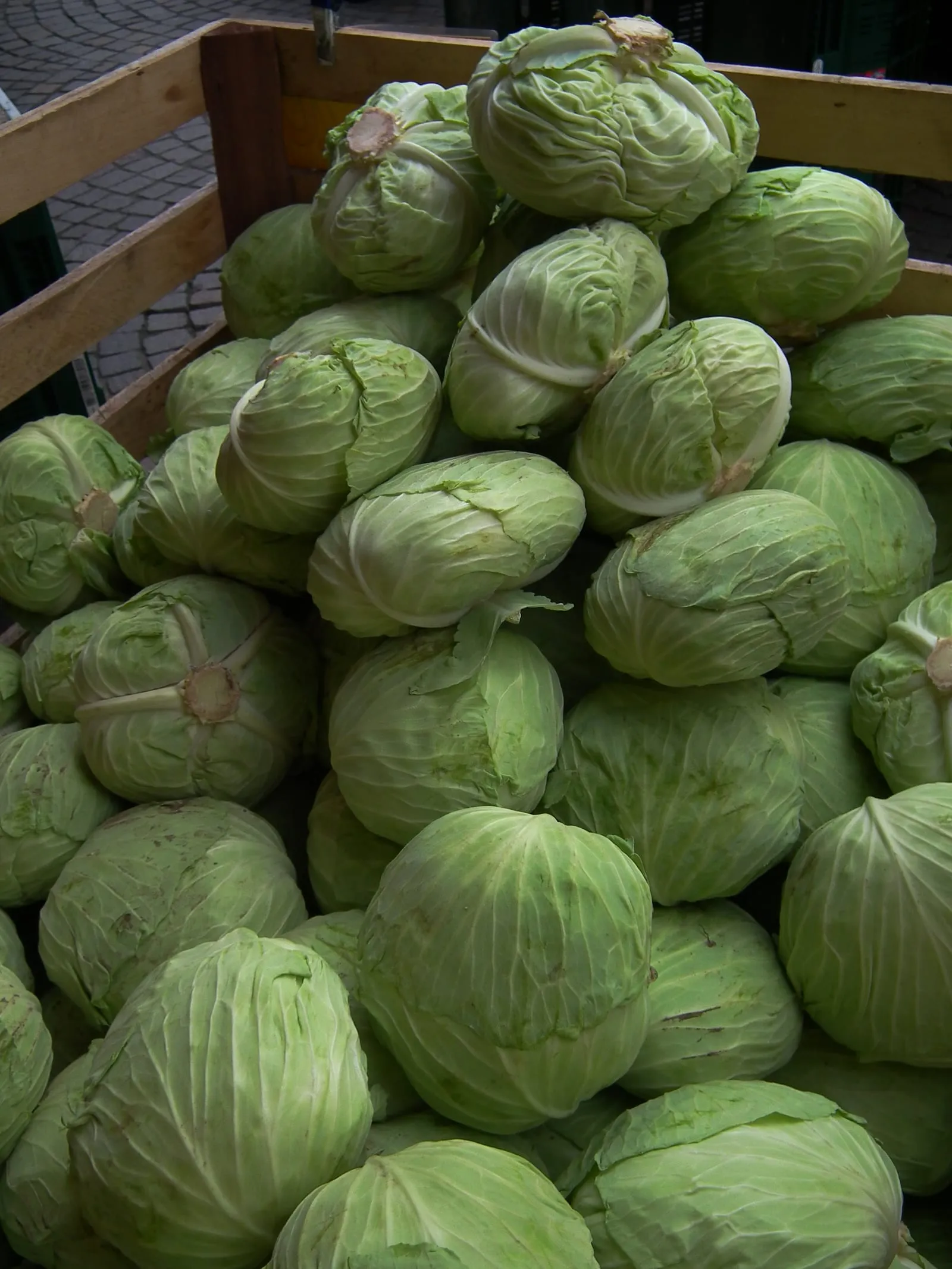
vegetable
Cabbage
Brassica oleracea var. capitata
USDA hardiness range
- Zones
- 3a–9b
- Days to harvest
- 60 to 100
- Sun
- Full
- Water
- Moderate
- Lifespan
- annual
Growing cabbage
Cabbage is a cool-season annual that performs across an unusually wide zone range, zones 3a through 9b, making it one of the more versatile brassicas for American home gardens. That adaptability comes with a catch: cabbage is temperature-sensitive at both ends of the season. Spring crops need to be transplanted early enough to mature before summer heat causes bolting or loose heads, and fall crops need to be timed so heads fill before hard freezes arrive.
In zones 3 through 5, a single spring crop and possibly a short fall window are realistic. In zones 6 through 8, both a spring and fall crop are feasible; fall plantings often produce tighter, sweeter heads as cool temperatures arrive during heading. In zones 9a and 9b, cabbage functions as a winter annual, planted in fall for harvest through winter and early spring.
Days to harvest range from 60 to 100 depending on variety. An early type like Early Jersey Wakefield at 60 days provides meaningful timing buffer in short-season zones or against an unpredicted early frost. Late storage types like Brunswick suit fall production in zones with long autumns and are better matched to 80-plus-day windows.
What separates productive plantings from failed ones is usually timing, not skill. A transplant set out two weeks too late into a warming spring will head poorly or bolt. Tracking local last-frost and first-fall-frost dates precisely is the foundational step before any variety or soil decision.
Recommended varieties
See all 4 →4 cultivars for home growers, with notes on flavor, ripening, and disease resistance.
| Variety | Notes | Zone fit | Disease resistance |
|---|---|---|---|
| Brunswick | Sweet, dense, classic flavor; large flat-headed German storage cabbage. Sauerkraut, slaw, soups. Heritage open-pollinated, holds in the field, stores 3-4 months. | | none noted |
| Early Jersey Wakefield | Sweet, mild, tender; pointed conical heads. Slaw, fresh, sauerkraut. Heritage early variety (60 days), excellent for spring planting. | | none noted |
| Savoy King | Mild, tender, crinkled-leaf elegance; the Savoy cabbage with frilled blue-green leaves. Stir-fries, stuffed leaves, fresh. More cold-tolerant than smooth-leaf types. | | none noted |
| Red Acre | Sweet-tart, crisp, deep magenta; the standard red home-garden cabbage. Slaw, pickling, fresh. Productive, holds shape, good storage. | | none noted |
Soil and site requirements
Cabbage prefers a firm, fertile, consistently moist soil with a pH between 6.5 and 7.0. The upper end of that range matters in practice: clubroot, one of the most persistent soil-borne pathogens in the brassica family, is suppressed above pH 6.8. If clubroot has appeared in a bed previously, liming to 7.0 to 7.2 is a reasonable precaution before planting.
Full sun is a requirement, not a preference. Shaded plants produce loose heads with poor density. Drainage is equally important; cabbage tolerates moderate moisture but is sensitive to waterlogged conditions, particularly during seedling establishment. Raised beds or slightly mounded rows improve drainage on heavier clay soils.
Spacing varies by variety. Compact early types can be grown at 12 inches in-row with 18-inch row spacing. Large storage types like Brunswick, which can reach 10 to 15 pounds per head, need 18 to 24 inches in each direction. Crowding delays heading and increases disease pressure by limiting airflow.
Microclimate matters at the warm edge of the recommended range. In zones 8b through 9b, north-facing slopes or sites with afternoon shade from a structure can extend the productive window by several weeks compared to exposed, south-facing beds.
Common diseases
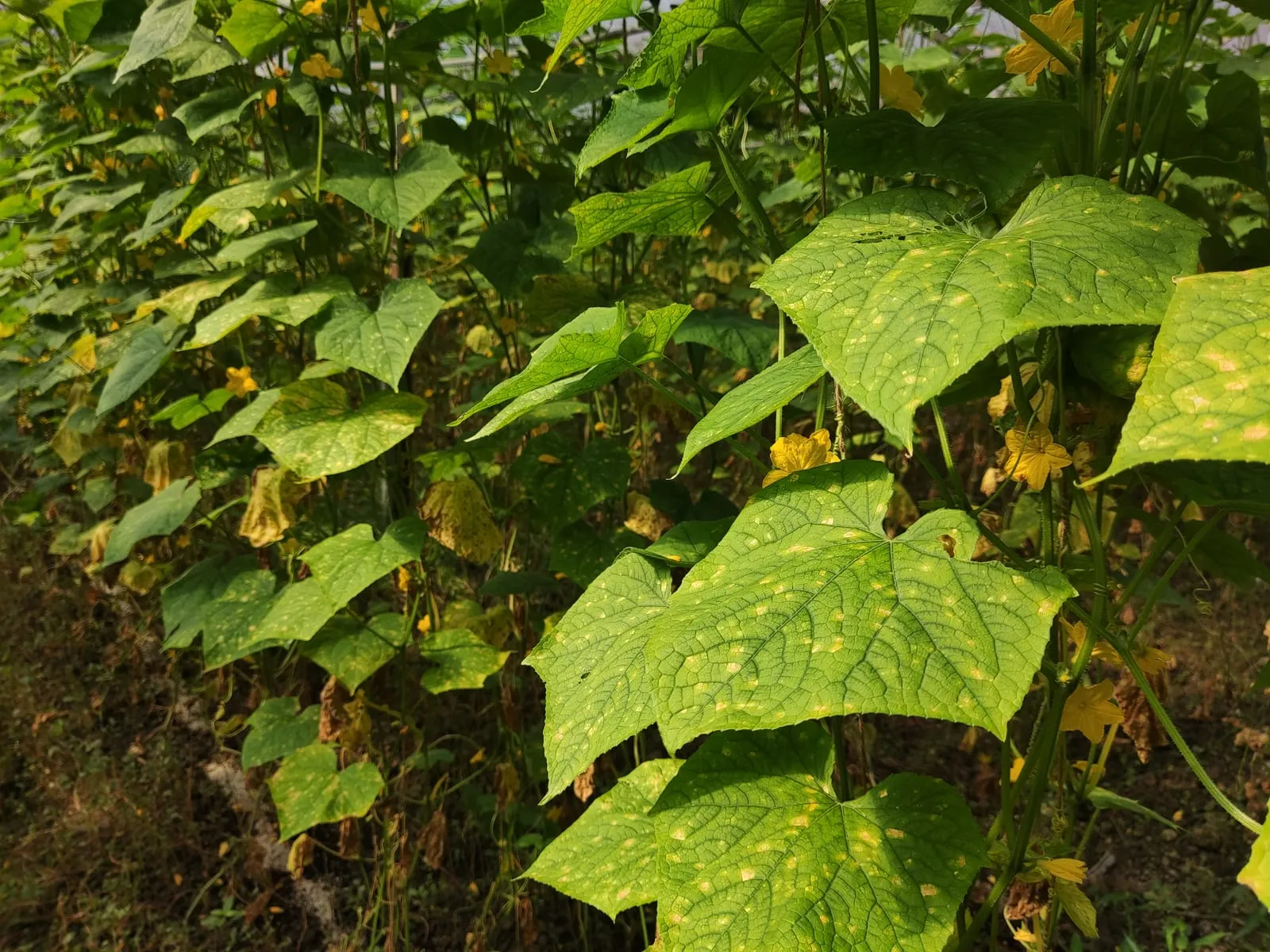
Pseudoperonospora cubensis (cucurbits) and others
Water mold (oomycete, not a true fungus) that thrives in cool damp conditions. Spreads rapidly through cucurbit and brassica plantings on wind-borne spores.
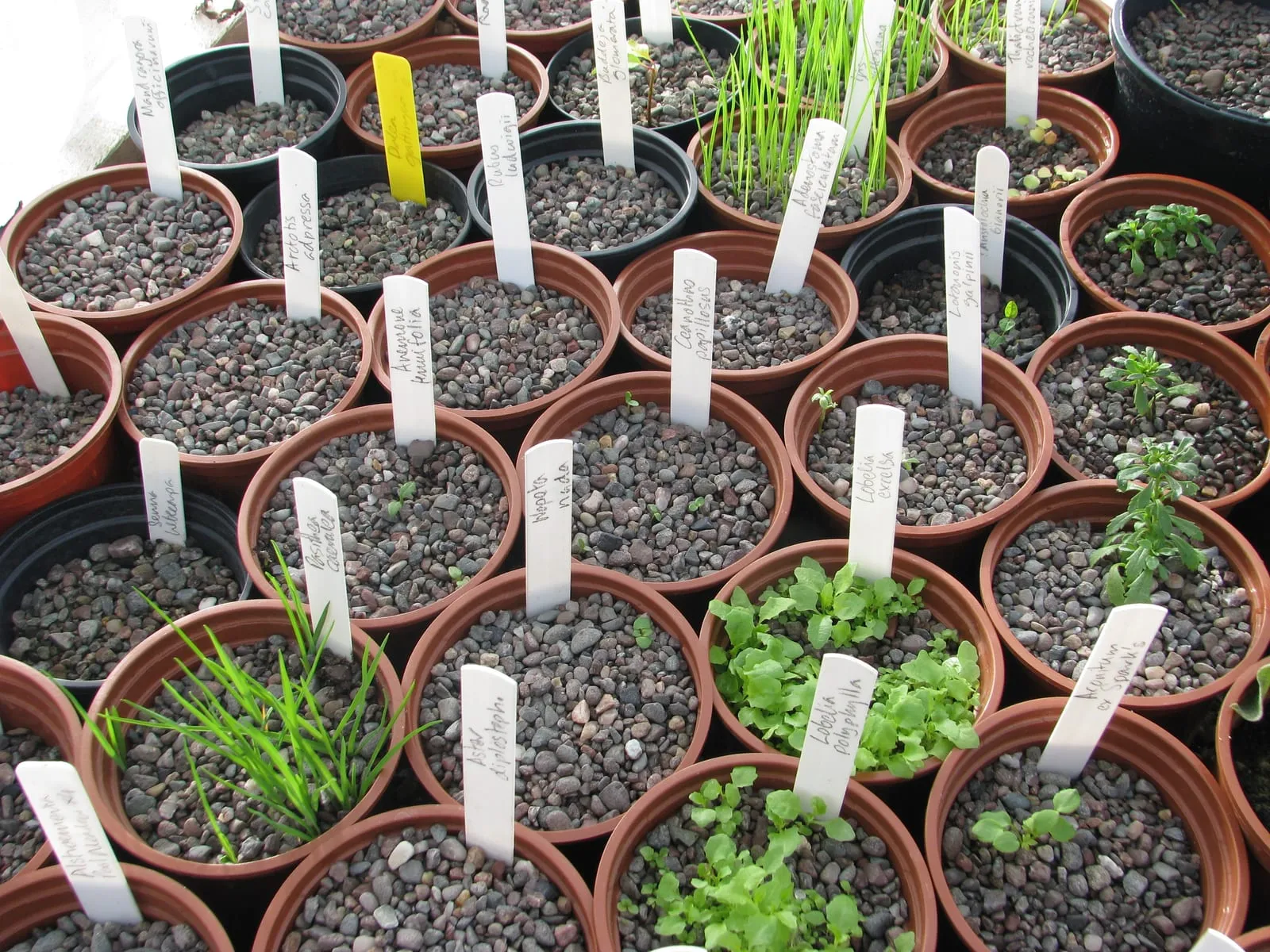
Pythium and Rhizoctonia species
Soil-borne complex of water molds and fungi that kill seedlings before or shortly after emergence. The single most common cause of seed-starting failures.
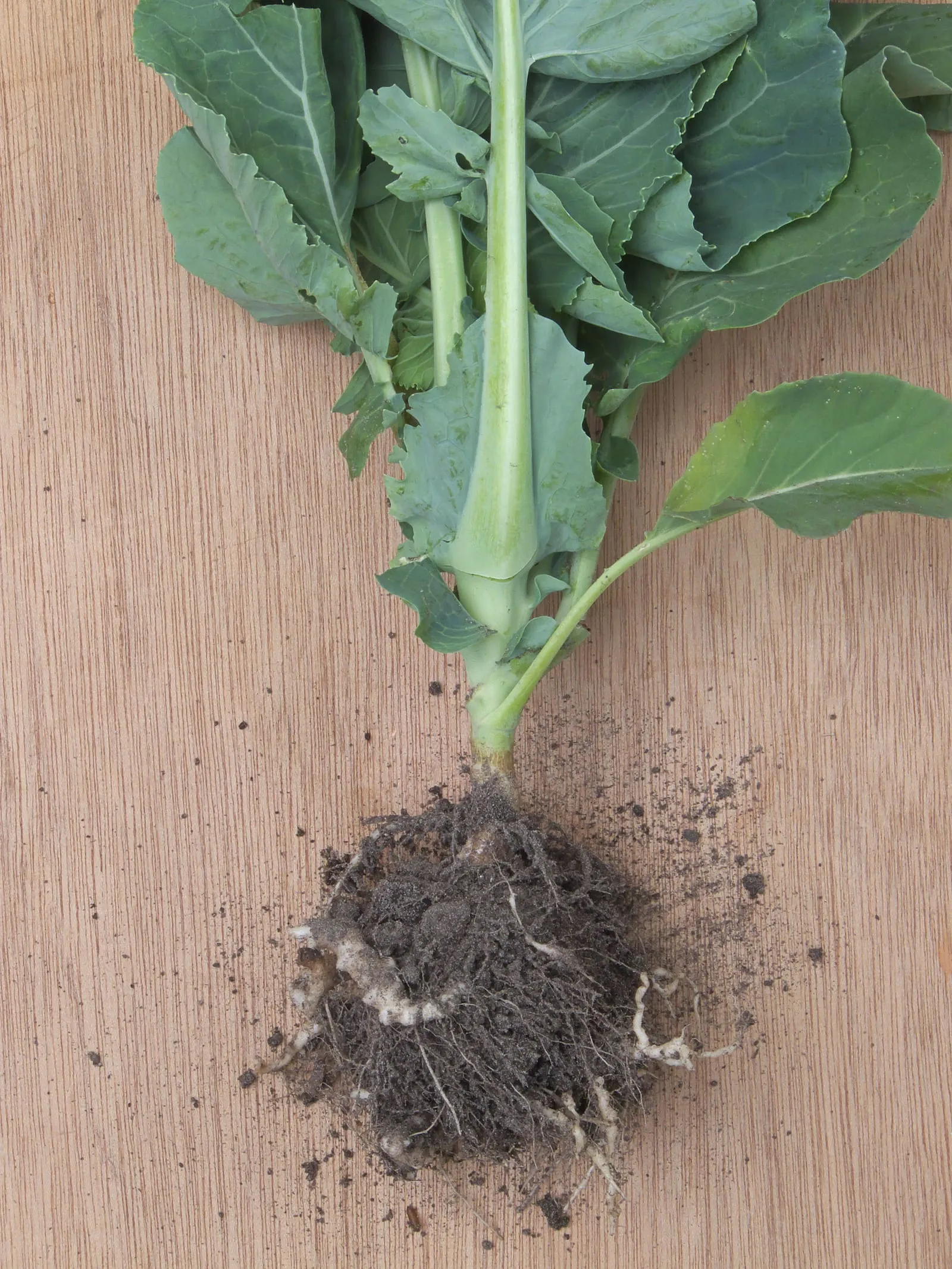
Plasmodiophora brassicae
Soil-borne disease causing characteristic distorted club-shaped roots on brassicas. Persists in soil for 10-20 years; the dominant brassica pathogen in acidic poorly-drained soils.
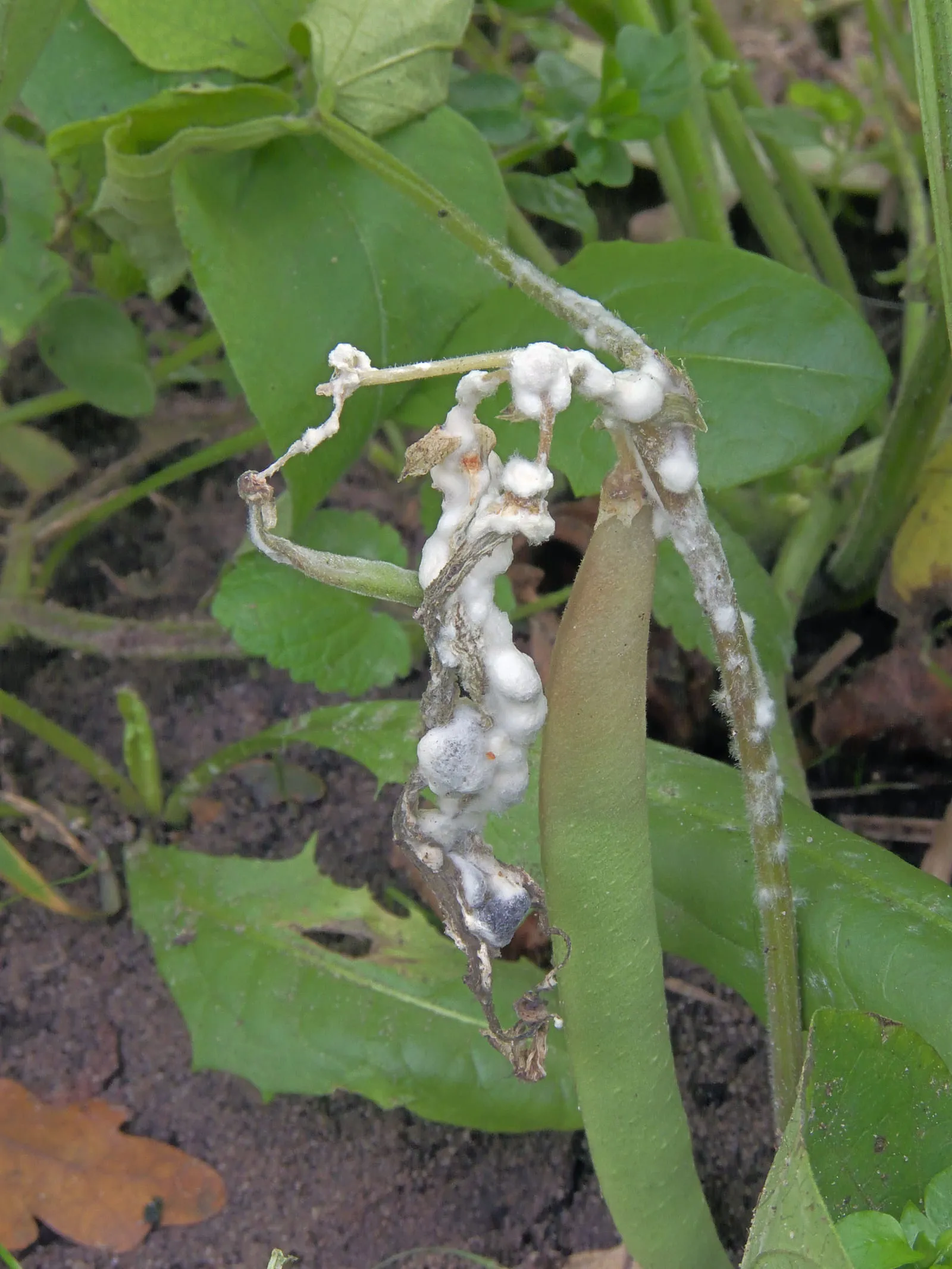
Sclerotinia sclerotiorum
Fungal disease that produces fluffy white mycelium on stems and lower leaves. Forms hard black sclerotia (resting bodies) that survive 5+ years in soil.
Common pests
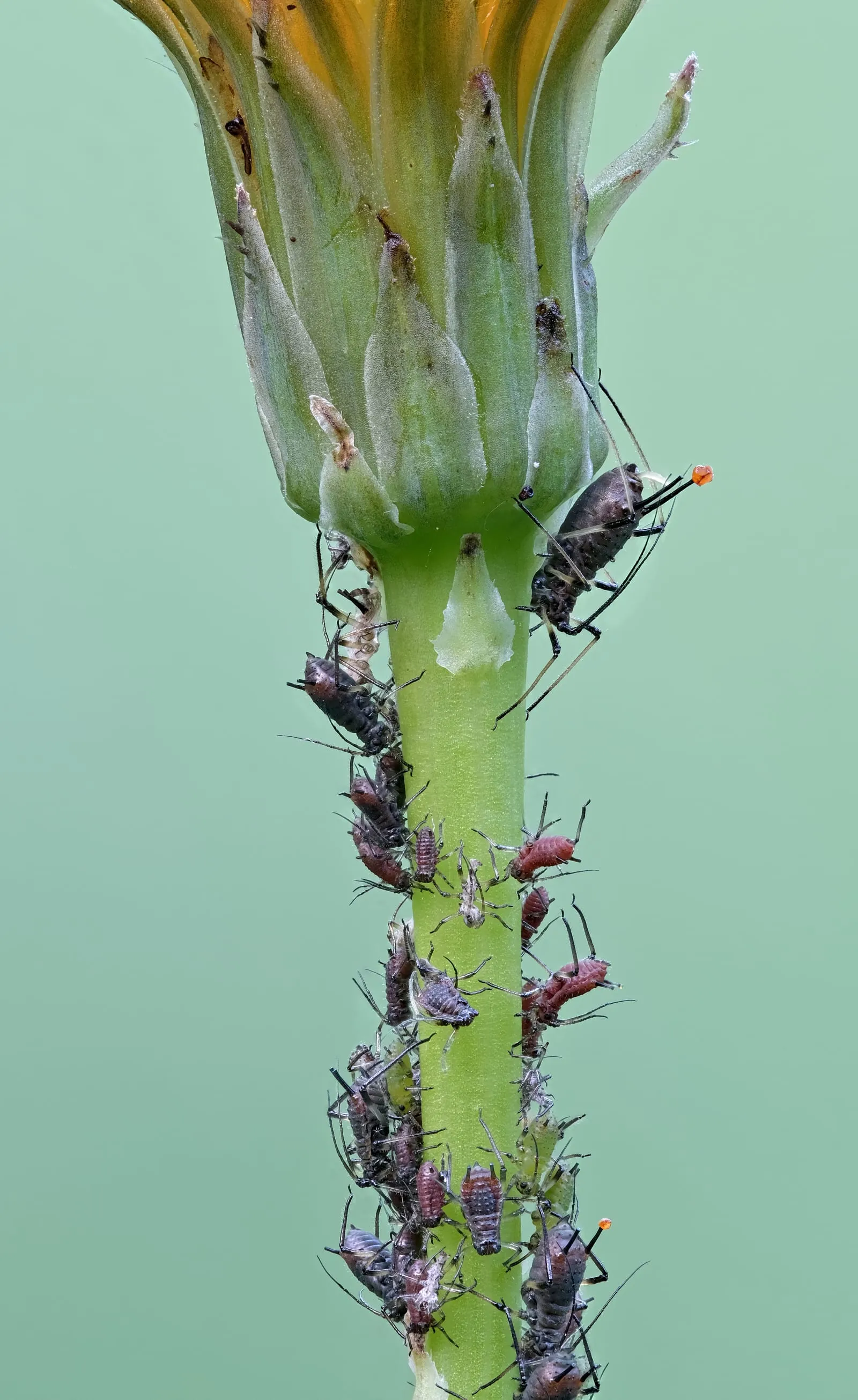
Multiple species (Aphididae)
Small soft-bodied sap-sucking insects that reproduce explosively in spring. Excrete honeydew that supports sooty mold and attracts ants. Transmit viral diseases.
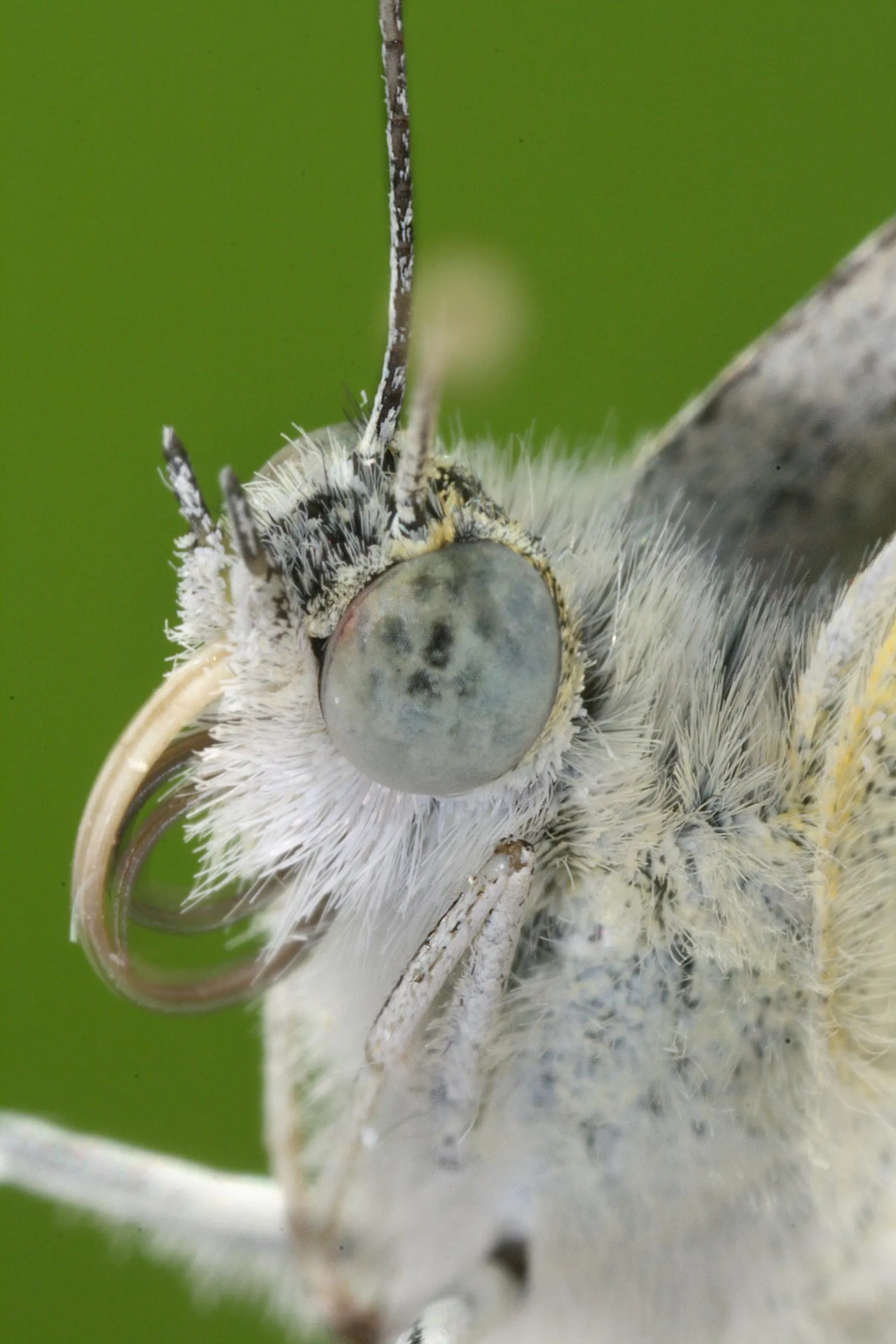
Pieris rapae
Velvety green caterpillars that chew large irregular holes in brassica leaves and bore into heads. Adults are the small white butterflies seen fluttering through the garden.
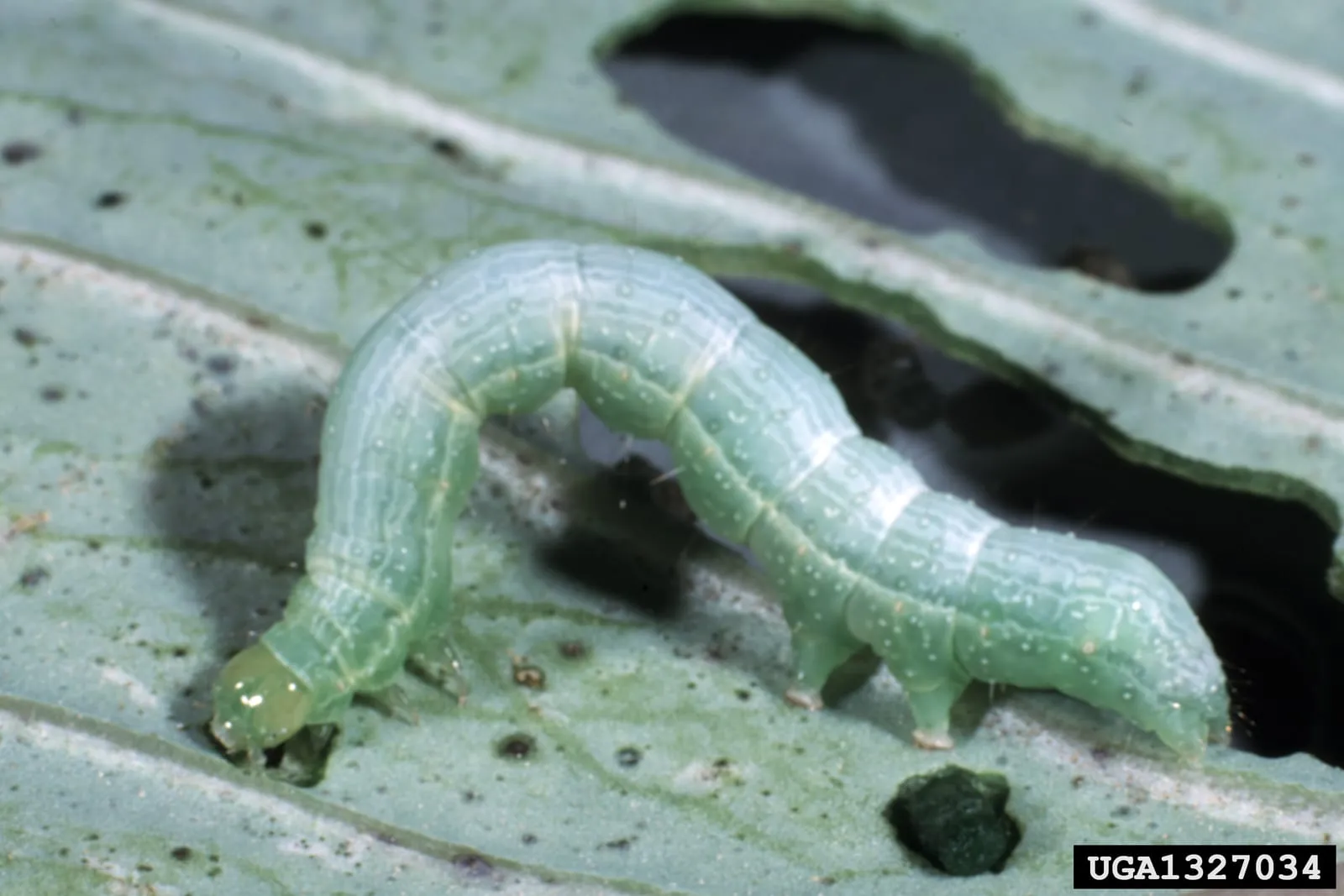
Trichoplusia ni
Pale green caterpillars that arch their backs (loop) when crawling. Defoliate brassicas and lettuce, contaminate harvested heads. Adults are mottled gray-brown moths.
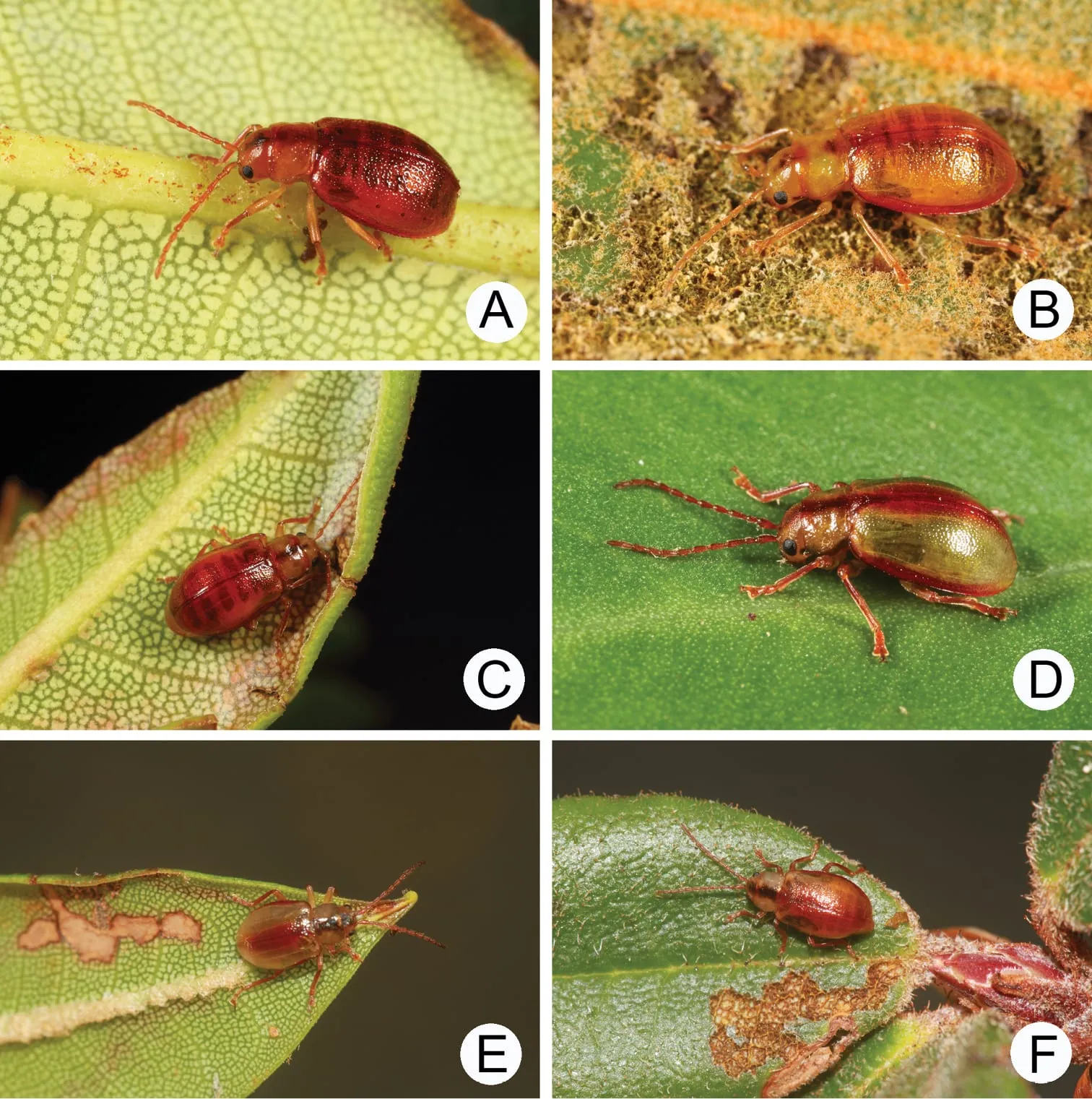
Multiple species (Chrysomelidae)
Tiny black or bronze jumping beetles that put hundreds of small holes in seedling leaves. Most damaging on direct-seeded brassicas and young eggplant.
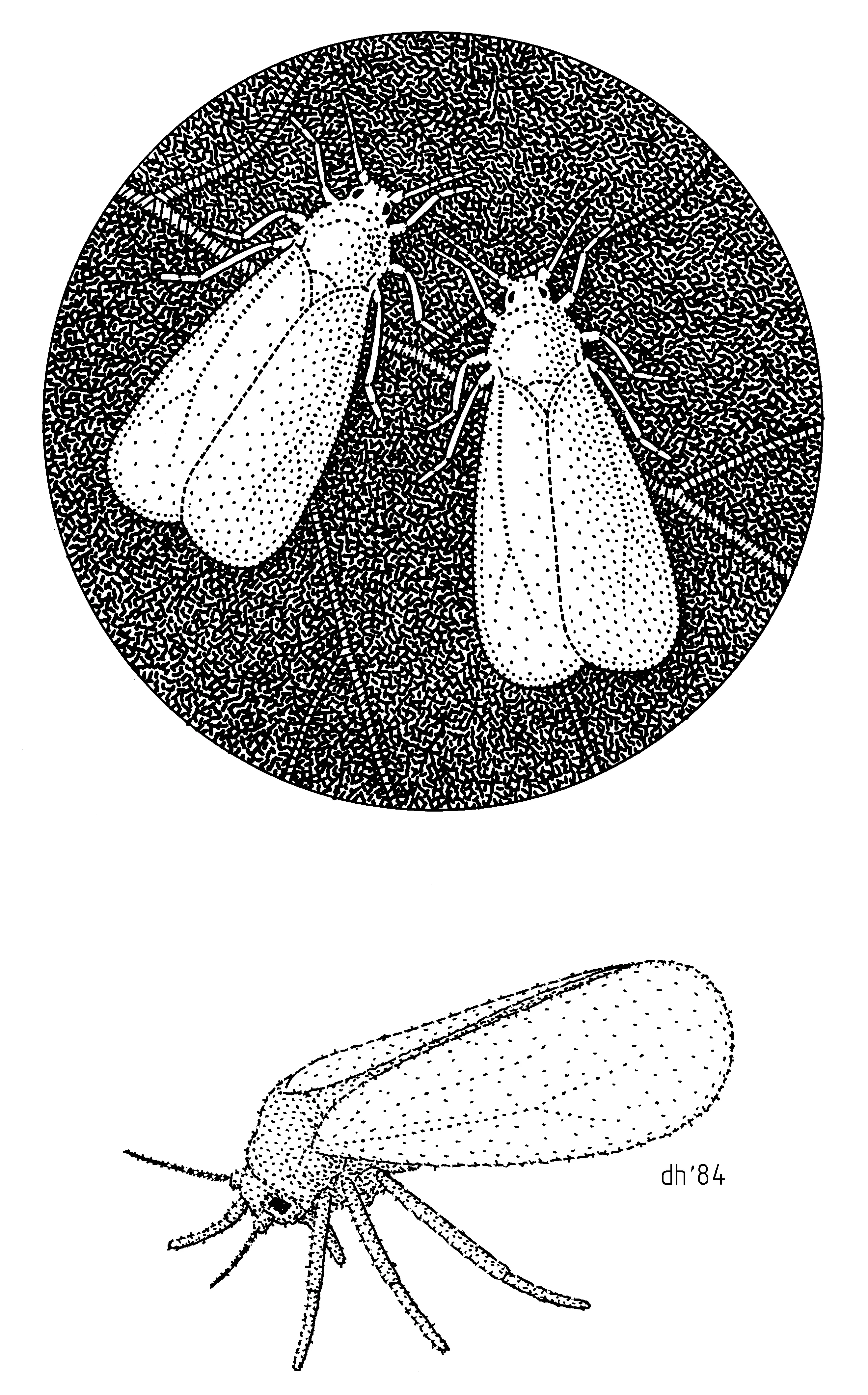
Multiple species (Aleyrodidae)
Tiny white moth-like flying insects that feed on plant sap and excrete honeydew. Transmit numerous viral diseases including tomato yellow leaf curl virus.
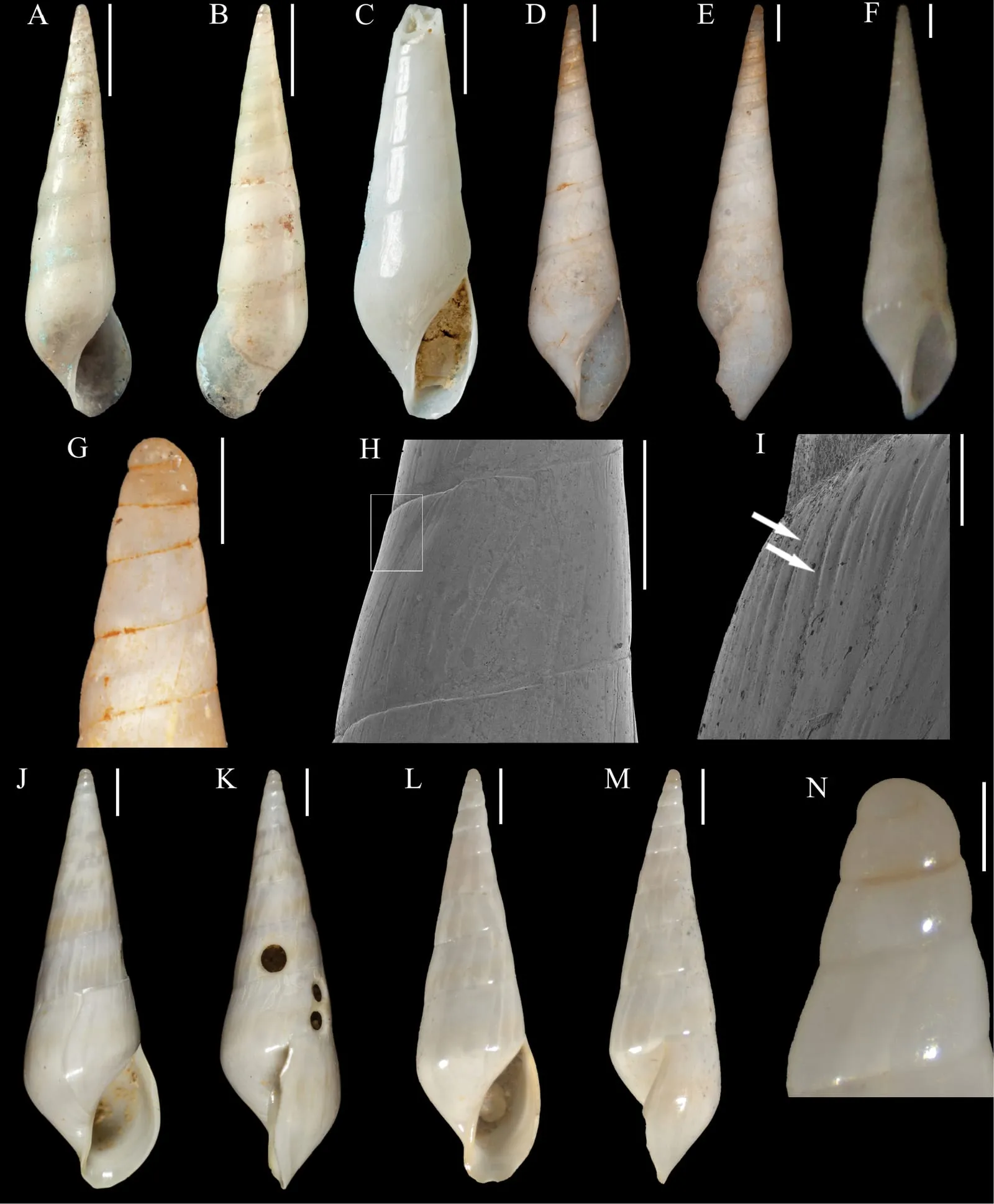
Multiple species (Gastropoda)
Soft-bodied mollusks that feed on tender leaves and seedlings primarily at night. Damaging especially in wet years and shaded mulched gardens.
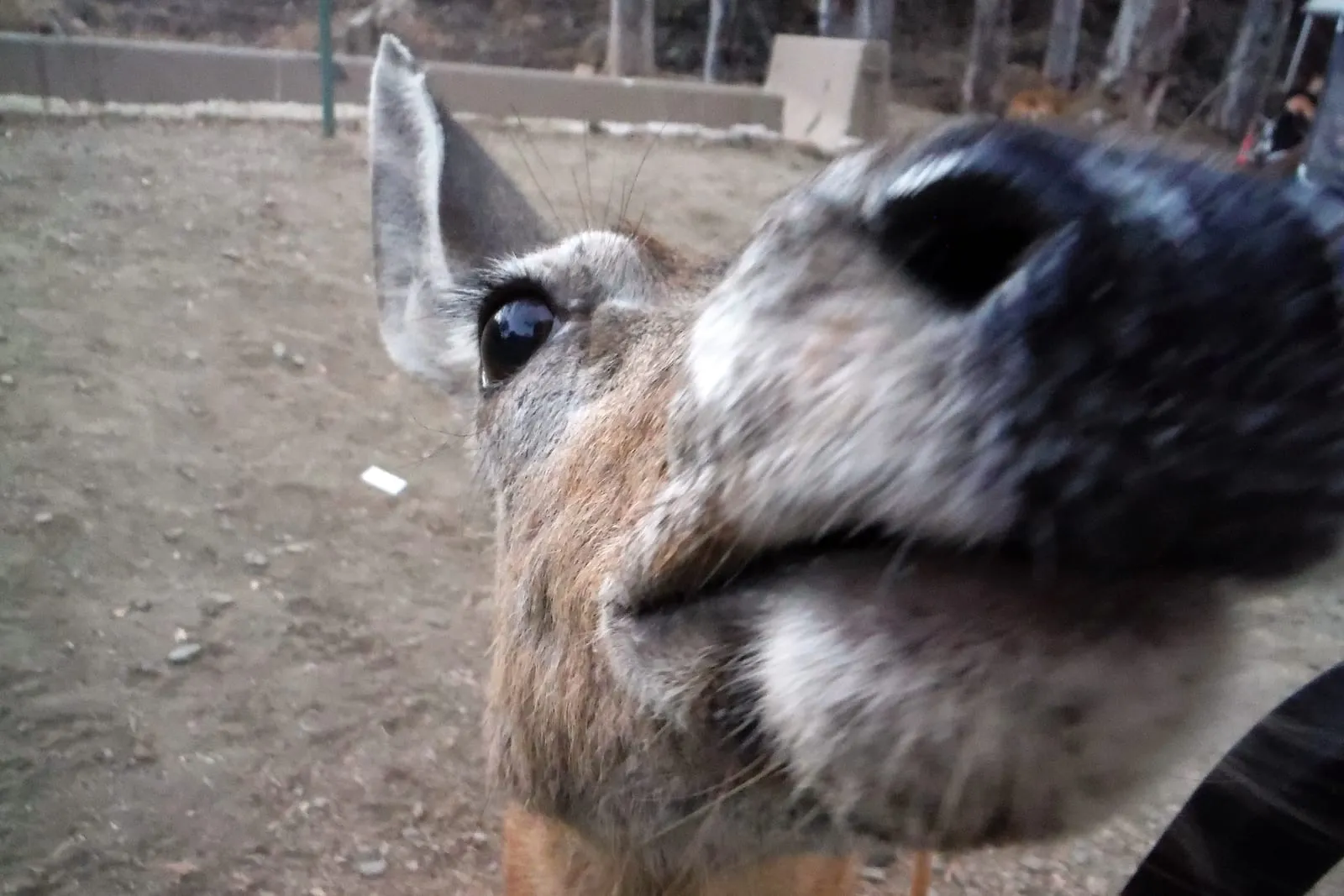
Odocoileus species
Whitetail and mule deer browse can devastate orchards and gardens, particularly in winter when food is scarce. Antler rub on young trunks kills saplings outright.
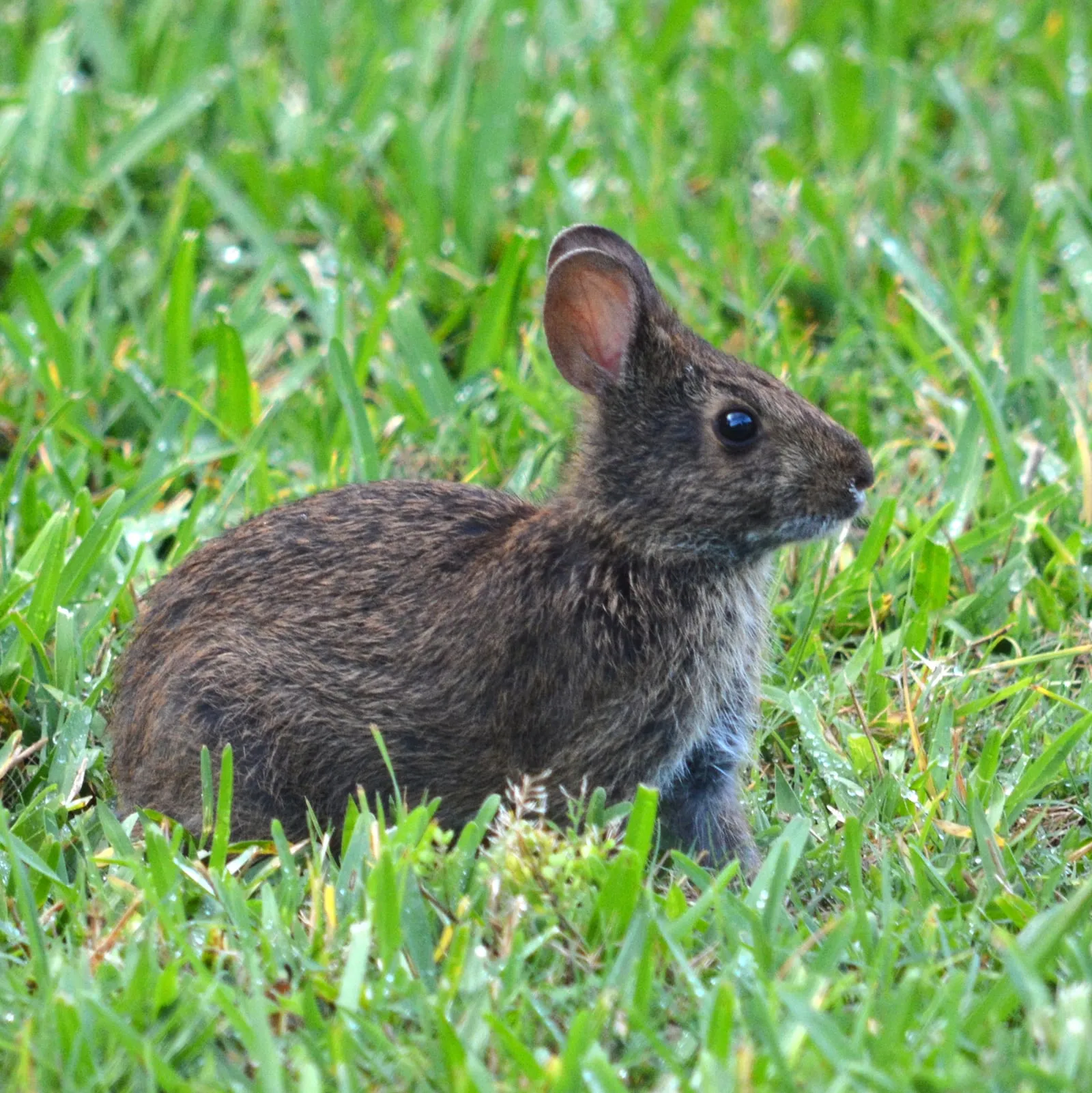
Sylvilagus and Lepus species
Cottontails and jackrabbits strip bark from young fruit trees in winter and graze tender garden vegetables year-round, especially seedlings.
Common challenges
Three problems account for most home-garden cabbage failures.
The first is timing. Cabbage heads best when the final weeks of development occur in temperatures between 45 and 75 degrees Fahrenheit. Transplanting even two weeks too late into a warming spring results in loose, poorly filled heads or bolting. Using transplants rather than direct seed, and starting them 4 to 6 weeks before the target outdoor date, is the practical fix.
The second is caterpillar pressure. Imported cabbageworm and cabbage looper can defoliate young plants and bore into forming heads before the damage becomes visible. The most reliable intervention is row cover from transplant through heading; where that is not practical, Bacillus thuringiensis (Bt) applied when larvae are small and actively feeding is effective and leaves minimal residue.
The third is clubroot. Caused by the soil pathogen Plasmodiophora brassicae, clubroot is nearly impossible to eradicate once established. It stunts plants severely and survives in soil for 20 or more years. Prevention is the only real option: rotate brassicas on a minimum 4-year cycle, maintain soil pH above 6.8, and avoid moving soil between beds.
Companion plants
Frequently asked questions
- Do chill hours apply to cabbage?
Chill-hour requirements are specific to perennial fruit trees and shrubs that need a dormancy period. Cabbage is a cool-season annual with no chill-hour requirement. What matters instead is planting within the right temperature window, broadly 45 to 75 degrees Fahrenheit during head development, and selecting a variety whose days-to-maturity fits the available season.
- How long does cabbage take from transplant to harvest?
Days to harvest range from 60 to 100 depending on variety. Early types like Early Jersey Wakefield mature around 60 days from transplant; large storage types like Brunswick take 80 or more days. Matching variety maturity to the frost-free window remaining in the season is more important than any single cultural practice.
- What USDA zones can cabbage grow in?
Cabbage is adapted to zones 3a through 9b. In colder zones (3 to 5), spring planting is the primary window. In zones 6 through 8, both spring and fall crops are feasible, with fall often producing better-quality heads. In zones 9a and 9b, cabbage is grown as a winter annual, planted in fall and harvested through early spring.
- Is cabbage self-fertile, or does it need pollinators?
Cabbage grown for harvest is consumed before it ever flowers, so pollination is not relevant to yield. When saving seed, cabbage is an insect-pollinated cross-pollinator and will cross freely with other Brassica oleracea varieties including broccoli, kale, and Brussels sprouts. Seed saving requires varietal isolation of at least a quarter mile or physical bagging.
- What is the most damaging disease in cabbage?
Clubroot (Plasmodiophora brassicae) is the most serious long-term threat because it persists in soil for 20 or more years with no practical cure once established. Downy mildew and white mold are also common but respond better to improved airflow and dry-foliage management practices.
- Can established cabbage plants tolerate frost?
Established cabbage handles light frost well, generally tolerating temperatures down to about 28 degrees Fahrenheit without significant damage. A light frost shortly before harvest often improves flavor by converting starches to sugars. Young transplants set out within a week or two of a hard freeze are more vulnerable and benefit from row cover protection.
- Why does cabbage bolt instead of forming a tight head?
Bolting, in which cabbage sends up a flower stalk rather than forming a head, is triggered by prolonged cold exposure followed by warmth (vernalization) or by heat stress during the heading phase. Spring crops planted too late frequently bolt as temperatures climb in early summer. Fast-maturing varieties and precise transplant timing reduce the risk considerably.
+−
+−
+−
+−
+−
+−
+−
Sources
Image: "Weißkohl Brassica oleracea var. capitata 2011", by 4028mdk09, via Wikimedia Commons, licensed under CC-BY. Source.

Cabbage by zone
Related