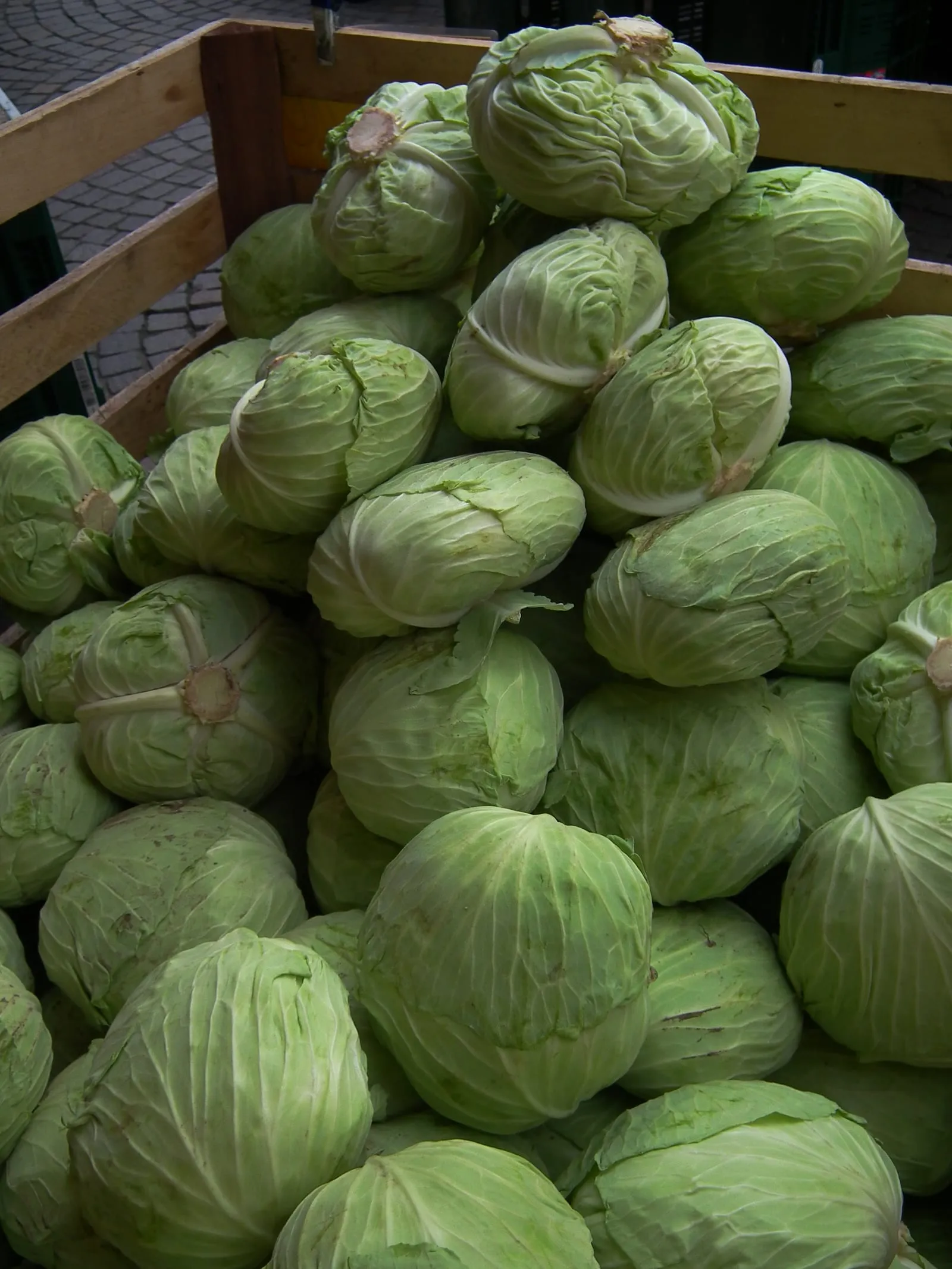
vegetable in zone 4a
Growing cabbage in zone 4a
Brassica oleracea var. capitata
- Zone
- 4a -30°F to -25°F
- Growing season
- 120 days
- Suitable varieties
- 4
- Days to harvest
- 60 to 100
The verdict
Cabbage is a cool-season brassica that performs reliably in zone 4a. Unlike fruit crops that require specific chill-hour accumulation measured against variety thresholds, cabbage is grown as an annual and has no vernalization requirement in that sense. The zone's growing season of approximately 120 days is sufficient for most heading varieties when planting timing is managed carefully. Early Jersey Wakefield matures in roughly 63 days; Brunswick and Savoy King run 85 to 100 days, which fits within the available window with a spring start. Red Acre falls in the mid-range at around 75 days.
The primary challenge in zone 4a is late-frost risk, which can stress recently transplanted seedlings in May and June. Selecting varieties with documented cold tolerance and using row covers during temperature swings in late spring keeps plantings on track. Zone 4a is not a marginal zone for cabbage; the cool summers and reliable cold winters align closely with the crop's preferred conditions, provided the planting window is respected.
Recommended varieties for zone 4a
4 cultivars suited to this zone, with disease-resistance and zone-fit annotations.
| Variety | Notes | Zone fit | Disease resistance |
|---|---|---|---|
| Brunswick fits zone 4a | Sweet, dense, classic flavor; large flat-headed German storage cabbage. Sauerkraut, slaw, soups. Heritage open-pollinated, holds in the field, stores 3-4 months. | | none noted |
| Early Jersey Wakefield fits zone 4a | Sweet, mild, tender; pointed conical heads. Slaw, fresh, sauerkraut. Heritage early variety (60 days), excellent for spring planting. | | none noted |
| Savoy King fits zone 4a | Mild, tender, crinkled-leaf elegance; the Savoy cabbage with frilled blue-green leaves. Stir-fries, stuffed leaves, fresh. More cold-tolerant than smooth-leaf types. | | none noted |
| Red Acre fits zone 4a | Sweet-tart, crisp, deep magenta; the standard red home-garden cabbage. Slaw, pickling, fresh. Productive, holds shape, good storage. | | none noted |
Critical timing for zone 4a
The last-frost date in zone 4a typically falls between late May and early June, depending on elevation and local topography. Cabbage transplants go into the garden after the final frost risk has passed, or slightly before with row-cover protection. Starting seed indoors 6 to 8 weeks prior means beginning around mid-March to early April.
For a fall crop, count back from the first fall frost (generally mid-September to early October in zone 4a) by the days-to-maturity for the selected variety, then add one week for transplant establishment. A mid-July transplant date works for most varieties. Head quality tends to improve when the final weeks of development occur in cool, sub-60°F temperatures, which zone 4a reliably delivers through September.
Common challenges in zone 4a
- ▸ Late frosts damage early bloomers
- ▸ Limited peach varieties
Disease pressure to watch for
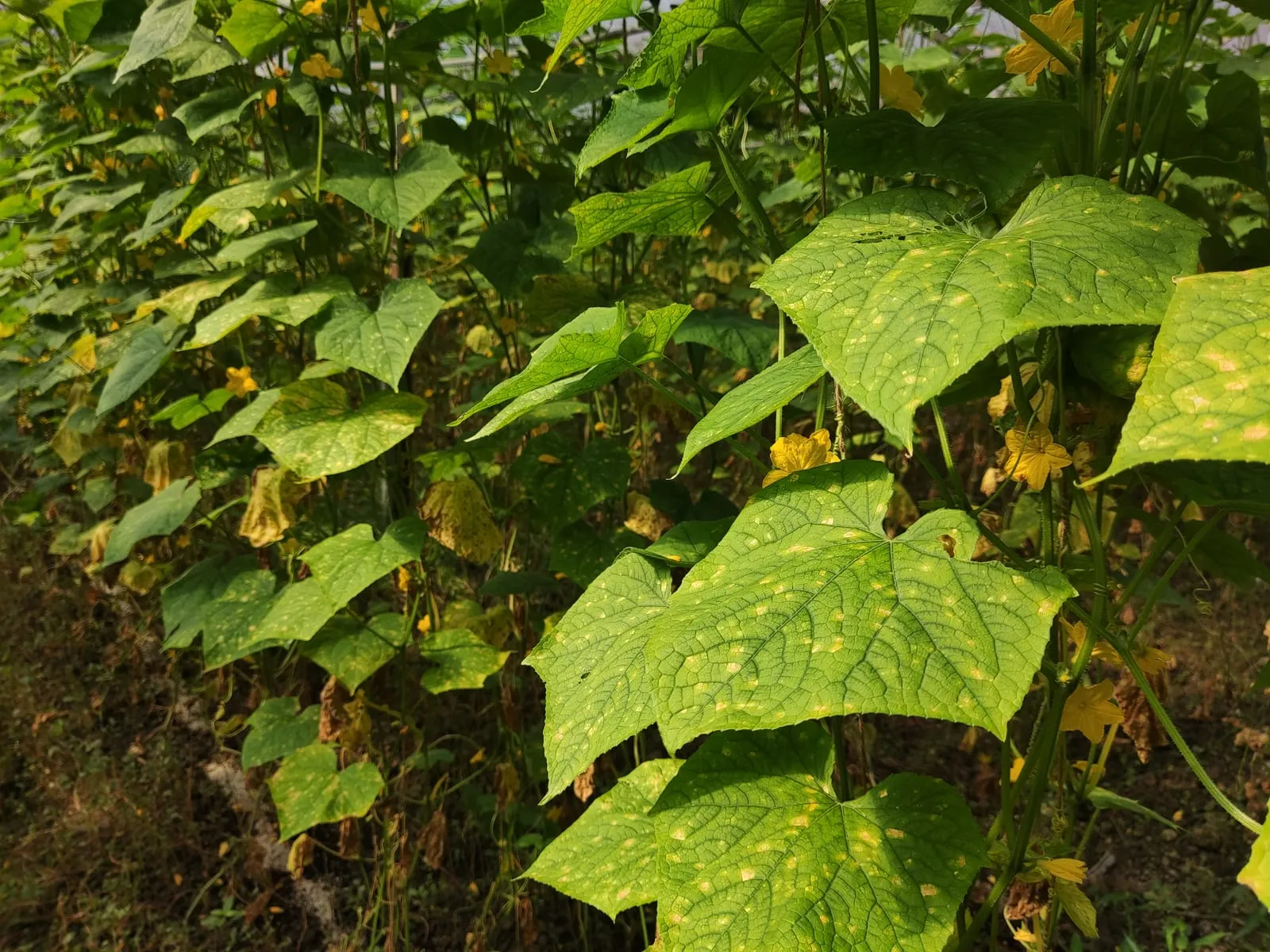
Pseudoperonospora cubensis (cucurbits) and others
Water mold (oomycete, not a true fungus) that thrives in cool damp conditions. Spreads rapidly through cucurbit and brassica plantings on wind-borne spores.
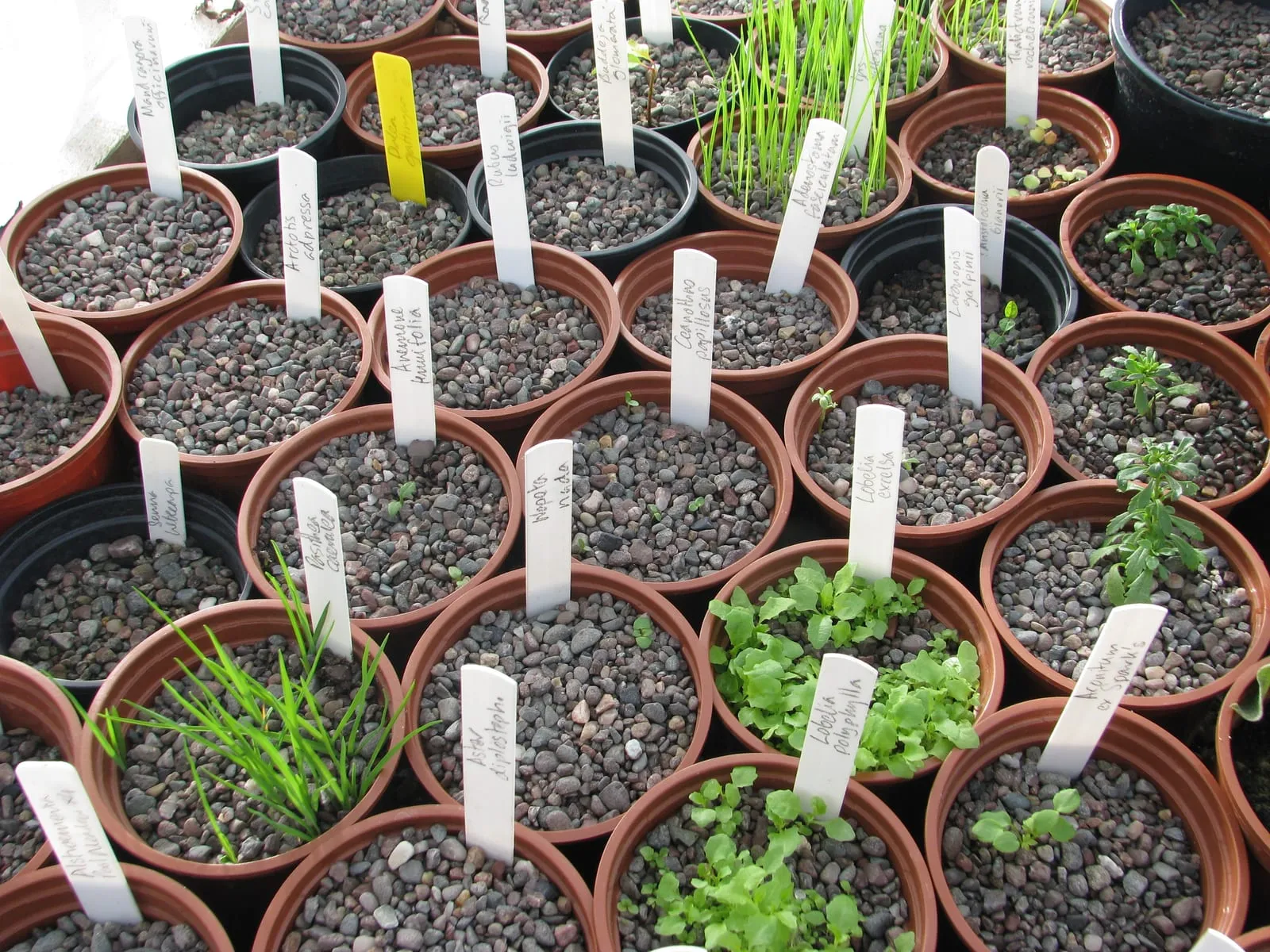
Pythium and Rhizoctonia species
Soil-borne complex of water molds and fungi that kill seedlings before or shortly after emergence. The single most common cause of seed-starting failures.
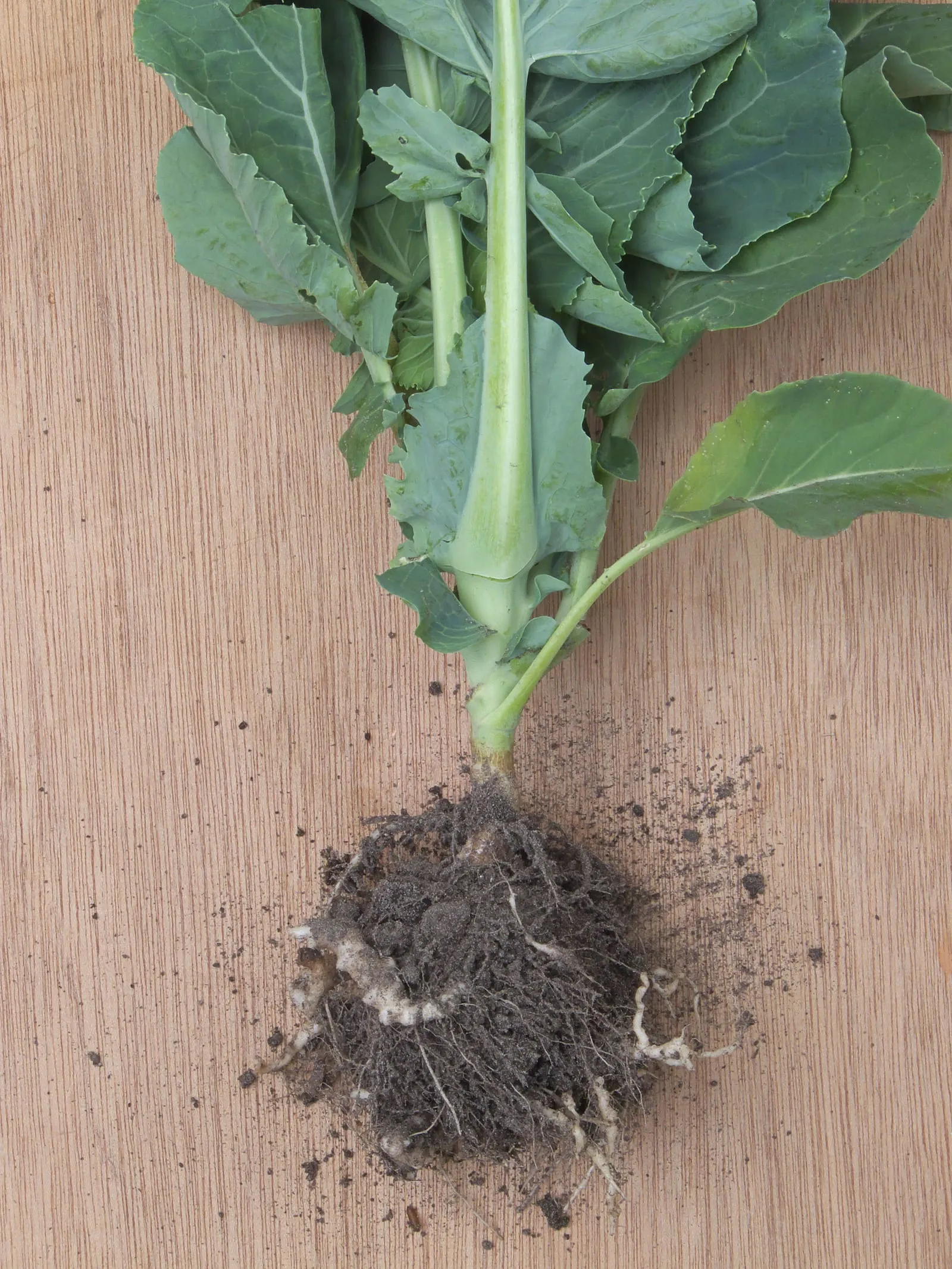
Plasmodiophora brassicae
Soil-borne disease causing characteristic distorted club-shaped roots on brassicas. Persists in soil for 10-20 years; the dominant brassica pathogen in acidic poorly-drained soils.
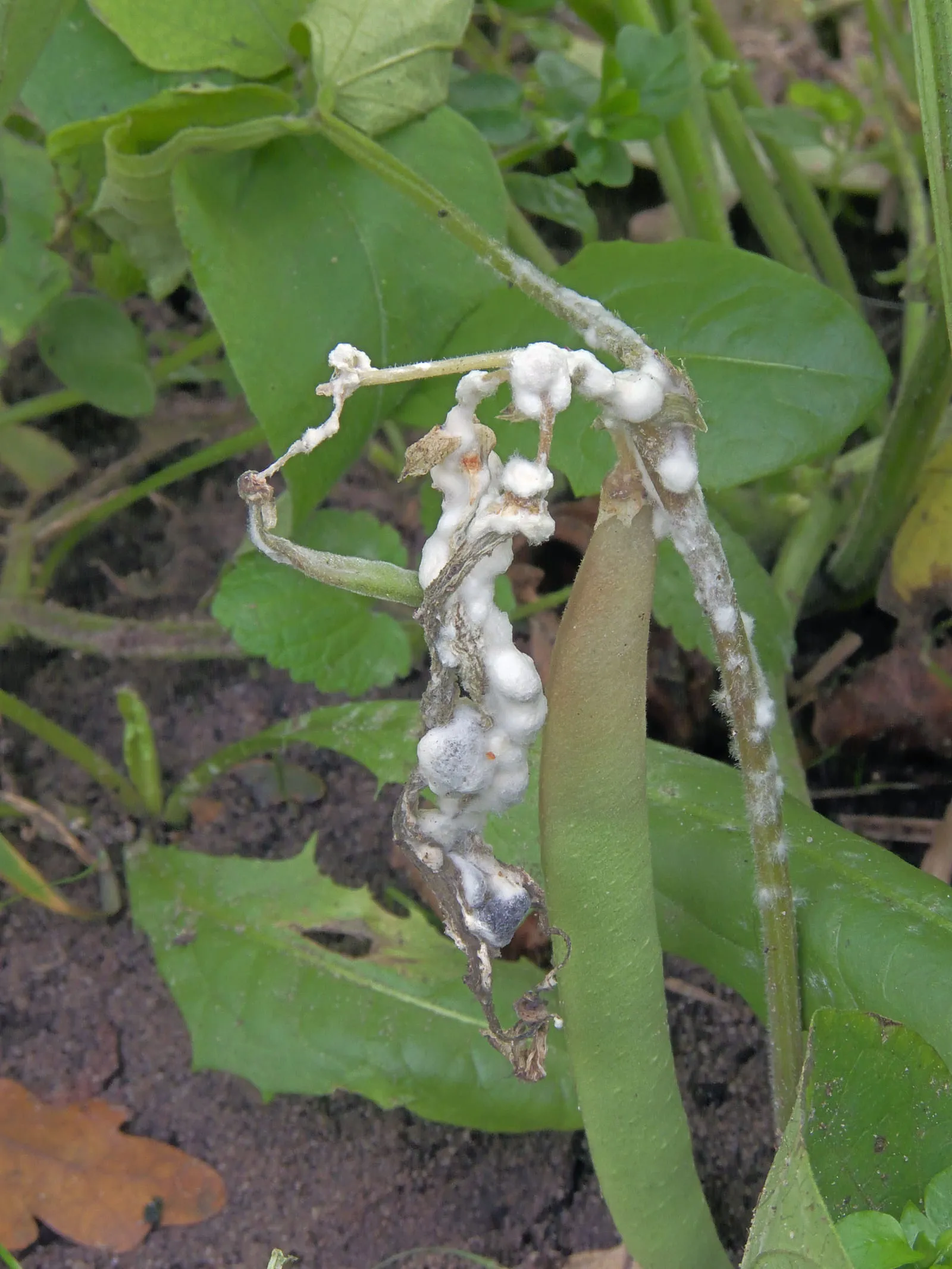
Sclerotinia sclerotiorum
Fungal disease that produces fluffy white mycelium on stems and lower leaves. Forms hard black sclerotia (resting bodies) that survive 5+ years in soil.
Modified care for zone 4a
The 120-day growing season leaves little buffer for delays, so transplanting on schedule matters more in zone 4a than in warmer zones where timing errors can be corrected with a second succession. Row covers pay dividends twice: in spring they extend the planting window by two to four weeks, and in fall they protect heads from hard freezes that can split or damage outer leaves.
Clubroot is the disease risk most growers in zone 4a underestimate. Cooler, wetter spring soils create favorable conditions for the pathogen. Raising soil pH above 7.0 with lime suppresses it effectively; avoid replanting brassicas in the same bed for at least three years. Downy mildew pressure increases during wet, cool periods common to zone 4a springs. Spacing plants at 18 inches or more improves air circulation and reduces both downy mildew and white mold incidence without requiring routine fungicide applications.
Frequently asked questions
- Can cabbage survive a light frost in zone 4a?
Established cabbage plants tolerate light frosts down to approximately 26°F without significant damage. Seedlings just transplanted are more vulnerable, particularly in the first week after transplanting. Row covers provide reliable protection during late-spring frost events in zone 4a.
- What causes cabbage heads to split in zone 4a?
Head splitting typically follows a dry period succeeded by heavy rain or irrigation, causing rapid expansion that the outer leaves cannot accommodate. Harvesting promptly at maturity and maintaining consistent soil moisture through the heading stage reduces splitting. Some zone 4a growers twist heads slightly to sever surface roots once heads are firm, slowing the final growth surge.
- How serious is clubroot risk in zone 4a soils?
Clubroot (caused by Plasmodiophora brassicae) persists in soil for 20 years or more once established, making prevention more practical than control. Zone 4a's cool, wet spring soils favor infection. A soil pH above 7.0, a three-year rotation away from all brassicas, and purchasing certified disease-free transplants are the core management steps.
+−
+−
+−
Cabbage in adjacent zones
Image: "Weißkohl Brassica oleracea var. capitata 2011", by 4028mdk09, via Wikimedia Commons, licensed under CC-BY Source.

Related