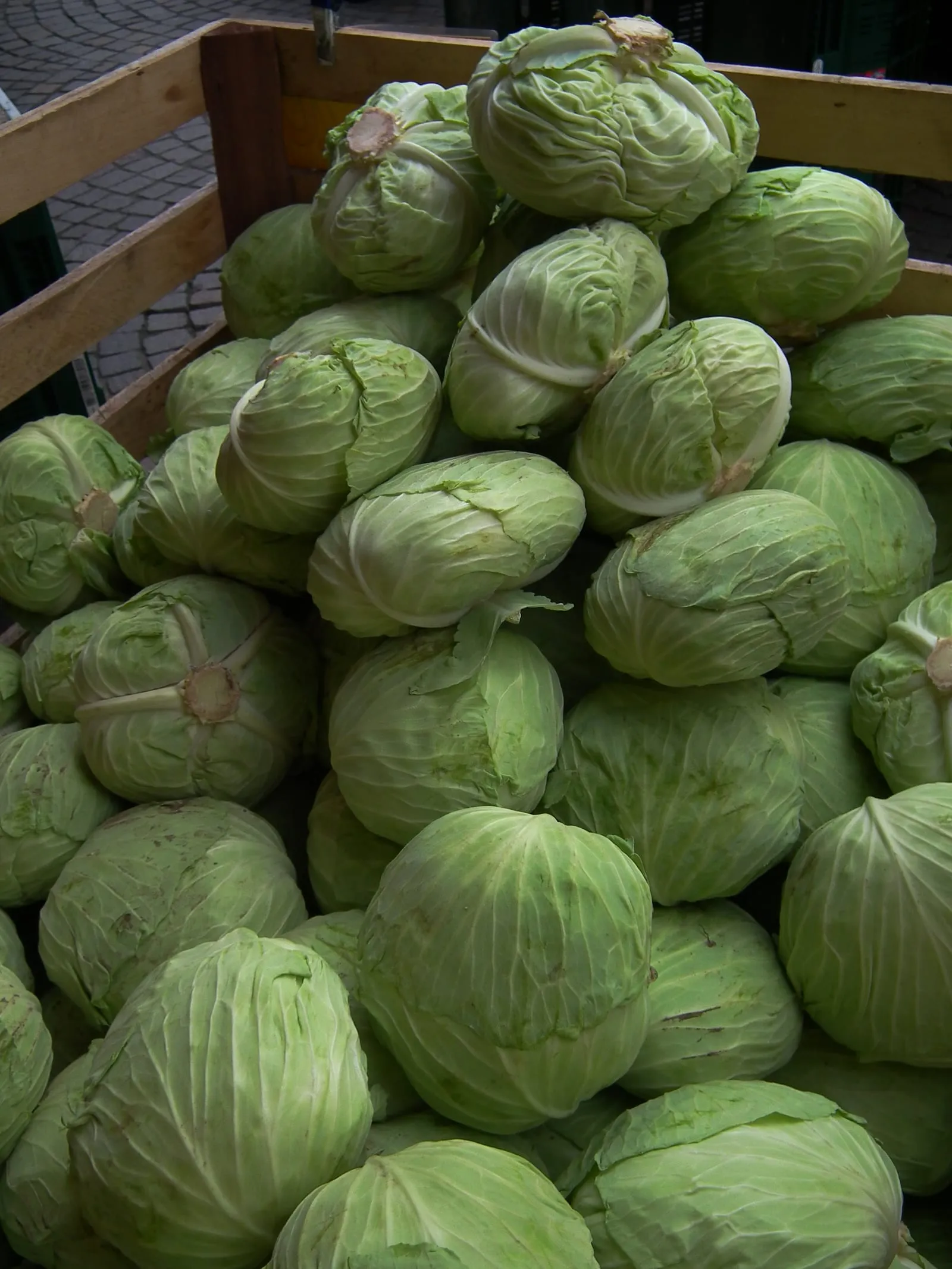
vegetable in zone 3b
Growing cabbage in zone 3b
Brassica oleracea var. capitata
- Zone
- 3b -35°F to -30°F
- Growing season
- 100 days
- Suitable varieties
- 4
- Days to harvest
- 60 to 100
The verdict
Cabbage is a cool-season brassica, and zone 3b's climate suits it better than most crops on the roster. Unlike fruit trees, cabbage has no chill-hour requirement to satisfy. The relevant constraint is days to maturity versus available frost-free growing season. Zone 3b averages roughly 100 frost-free days, which is workable but not generous. Early-maturing varieties are the practical core of zone 3b cabbage growing. Early Jersey Wakefield reaches harvest in about 63 days; Brunswick needs closer to 90, which is possible but leaves no buffer against an early September frost. Savoy King and Red Acre fall in the 75-to-85-day range, achievable in most zone 3b years with transplants rather than direct seeding.
The cool temperatures, including those brief shoulder-season frosts that would devastate warm-season crops, actually improve cabbage flavor by converting starches to sugars. This zone is not marginal for cabbage. It is a reasonable fit, provided timing discipline is maintained.
Recommended varieties for zone 3b
4 cultivars suited to this zone, with disease-resistance and zone-fit annotations.
| Variety | Notes | Zone fit | Disease resistance |
|---|---|---|---|
| Brunswick fits zone 3b | Sweet, dense, classic flavor; large flat-headed German storage cabbage. Sauerkraut, slaw, soups. Heritage open-pollinated, holds in the field, stores 3-4 months. | | none noted |
| Early Jersey Wakefield fits zone 3b | Sweet, mild, tender; pointed conical heads. Slaw, fresh, sauerkraut. Heritage early variety (60 days), excellent for spring planting. | | none noted |
| Savoy King fits zone 3b | Mild, tender, crinkled-leaf elegance; the Savoy cabbage with frilled blue-green leaves. Stir-fries, stuffed leaves, fresh. More cold-tolerant than smooth-leaf types. | | none noted |
| Red Acre fits zone 3b | Sweet-tart, crisp, deep magenta; the standard red home-garden cabbage. Slaw, pickling, fresh. Productive, holds shape, good storage. | | none noted |
Critical timing for zone 3b
The last frost in zone 3b typically falls between late May and early June, depending on elevation and local topography. First fall frost arrives in late August to mid-September. That window shapes everything.
Start transplants indoors 6 to 8 weeks before the anticipated last frost date, placing seeds under lights in late March or early April. Transplant outdoors after the last frost passes, hardening off seedlings over 7 to 10 days beforehand. Cabbage tolerates light frost after establishment, so transplanting a few days early carries modest risk.
For a 90-day variety like Brunswick, count backward from the expected first fall frost to confirm the window closes before heads mature. In marginal years, row cover can extend the effective season by two to three weeks. Early Jersey Wakefield and similarly short-season varieties offer the most reliable harvest given the compressed calendar.
Common challenges in zone 3b
- ▸ Short season
- ▸ Winter desiccation
- ▸ Site selection critical for fruit trees
Disease pressure to watch for
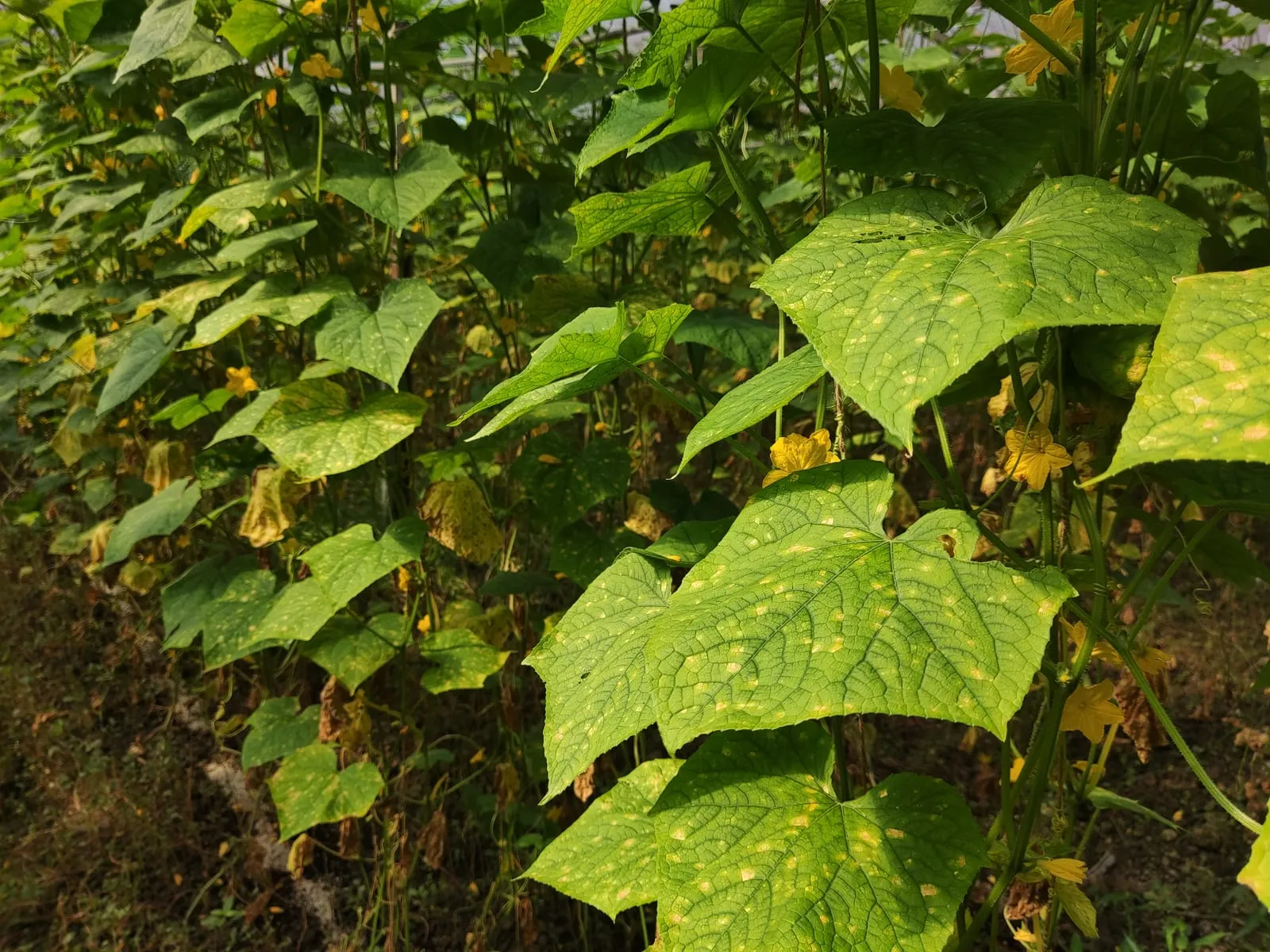
Pseudoperonospora cubensis (cucurbits) and others
Water mold (oomycete, not a true fungus) that thrives in cool damp conditions. Spreads rapidly through cucurbit and brassica plantings on wind-borne spores.
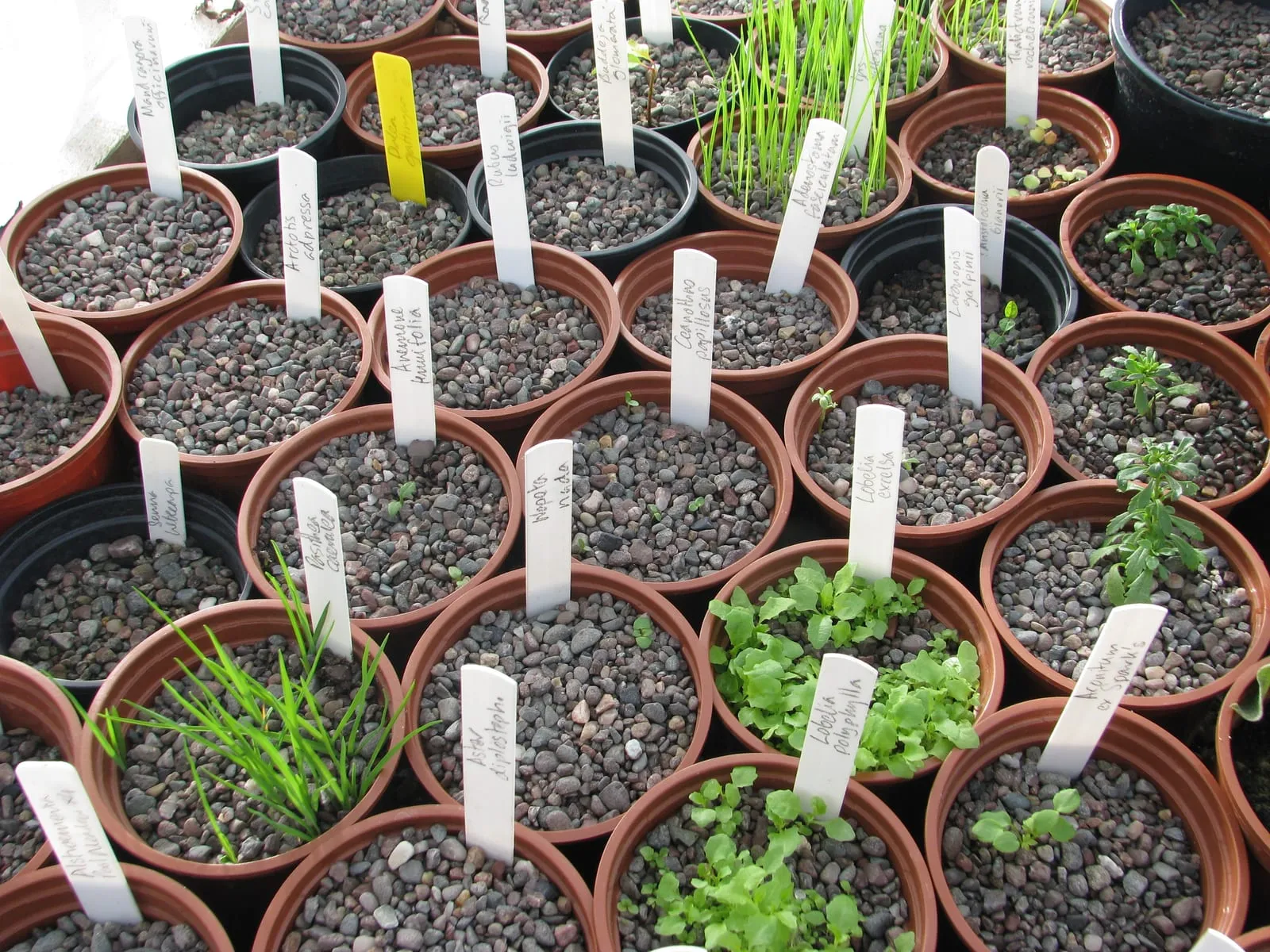
Pythium and Rhizoctonia species
Soil-borne complex of water molds and fungi that kill seedlings before or shortly after emergence. The single most common cause of seed-starting failures.
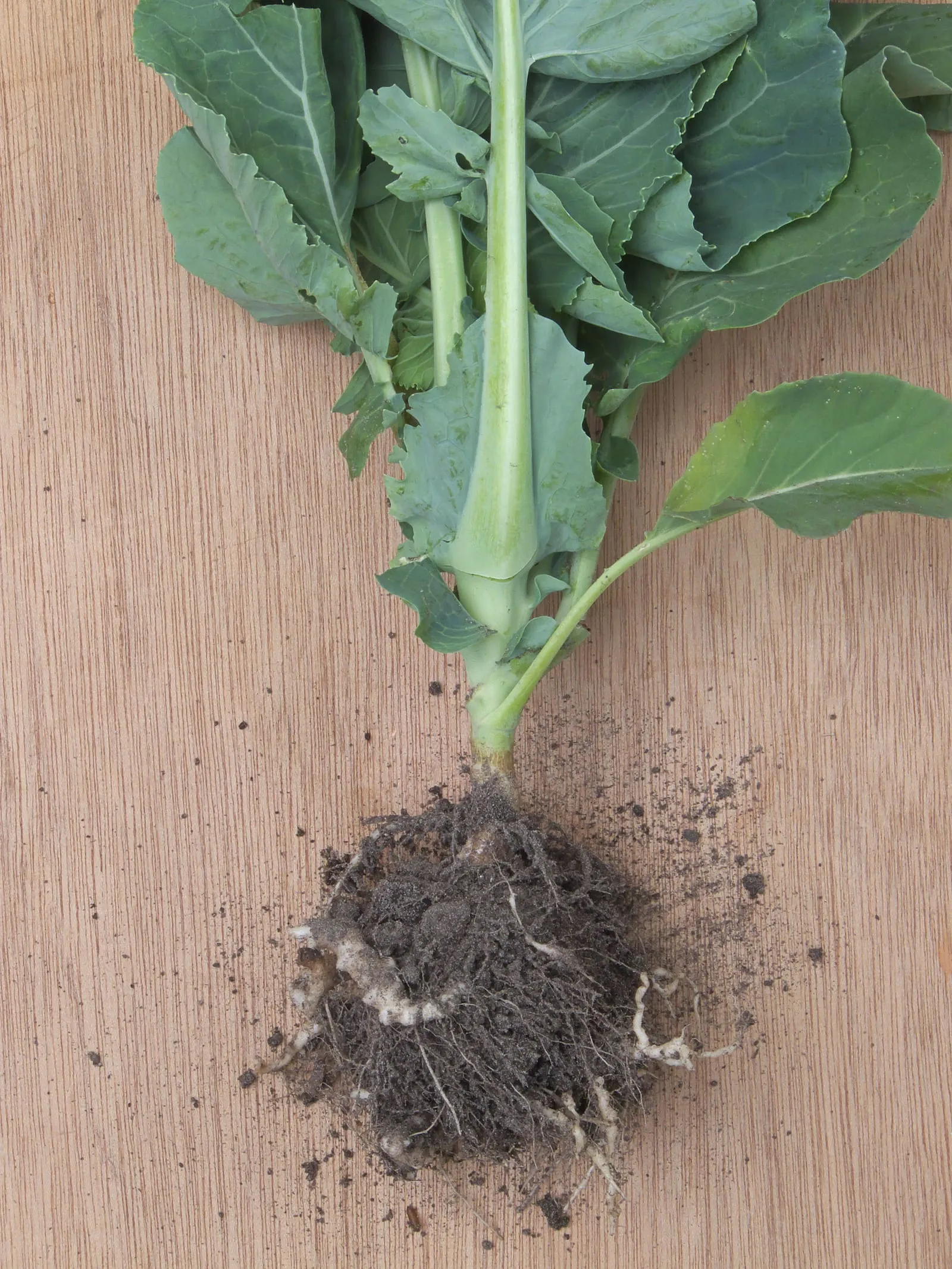
Plasmodiophora brassicae
Soil-borne disease causing characteristic distorted club-shaped roots on brassicas. Persists in soil for 10-20 years; the dominant brassica pathogen in acidic poorly-drained soils.
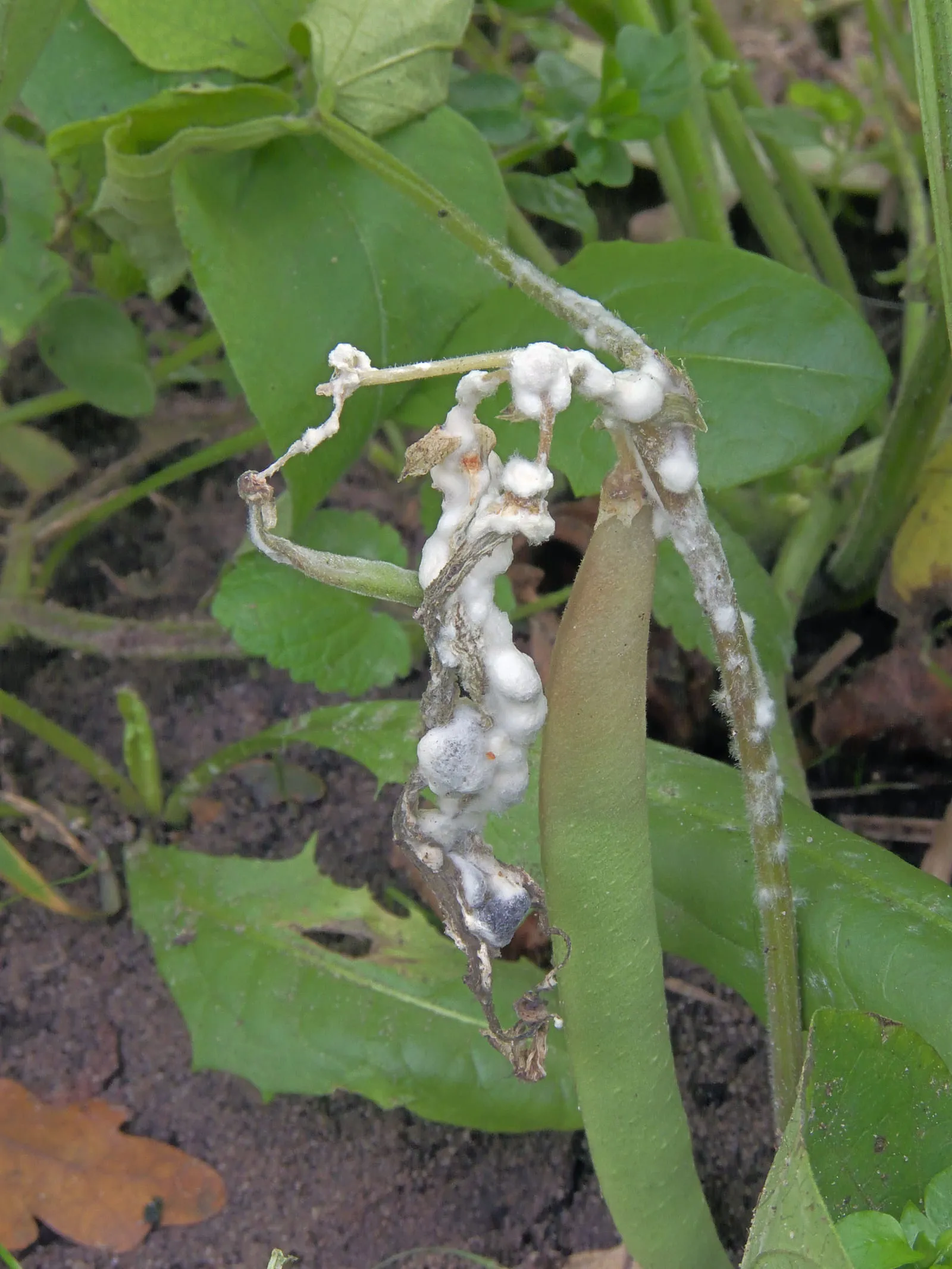
Sclerotinia sclerotiorum
Fungal disease that produces fluffy white mycelium on stems and lower leaves. Forms hard black sclerotia (resting bodies) that survive 5+ years in soil.
Modified care for zone 3b
The single most important adjustment in zone 3b is starting transplants indoors rather than direct-seeding. Direct seeding outdoors is rarely viable when the frost-free window runs under 105 days and transplants gain 6 to 8 weeks in a controlled environment.
Clubroot persists in soil for 20 or more years and thrives in the acidic, poorly drained conditions common in northern soils. Lime soil to pH 7.0 to 7.2 before planting; below pH 6.5, clubroot pressure increases substantially. Rotate brassica crops on at least a three-year cycle. Downy mildew favors the cool, wet springs typical of zone 3b, so avoid overhead irrigation late in the day and maintain spacing that permits airflow.
Row cover serves double duty here: it protects transplants from late-spring cold snaps in May and reduces early-season flea beetle pressure, which can stress seedlings during the critical establishment phase. Remove cover when daytime temperatures consistently exceed 21°C to avoid heat buildup.
Frequently asked questions
- Can cabbage survive a light frost in zone 3b?
Established cabbage plants tolerate light frosts down to about -4°C (25°F) without significant damage. Seedlings are more vulnerable; harden them off for at least a week before transplanting. A hard freeze below -7°C can split heads or damage outer leaves, so harvest before the first hard frost is expected.
- Which cabbage varieties are best for zone 3b's short season?
Early Jersey Wakefield (approximately 63 days) is the most reliable choice when the frost-free window is tight. Red Acre (76 days) and Savoy King (80 days) are workable with transplants. Brunswick (90 days) is achievable in typical years but warrants a row cover buffer in case of early fall frost.
- How does clubroot affect zone 3b cabbage gardens?
Clubroot is a soil-borne pathogen that distorts roots and stunts growth; infected plants may wilt on warm days even when soil moisture is adequate. The spores persist in soil for up to two decades. Raising soil pH to 7.0 to 7.2 and rotating brassicas on a three-year minimum cycle are the primary management tools.
+−
+−
+−
Cabbage in adjacent zones
Image: "Weißkohl Brassica oleracea var. capitata 2011", by 4028mdk09, via Wikimedia Commons, licensed under CC-BY Source.

Related