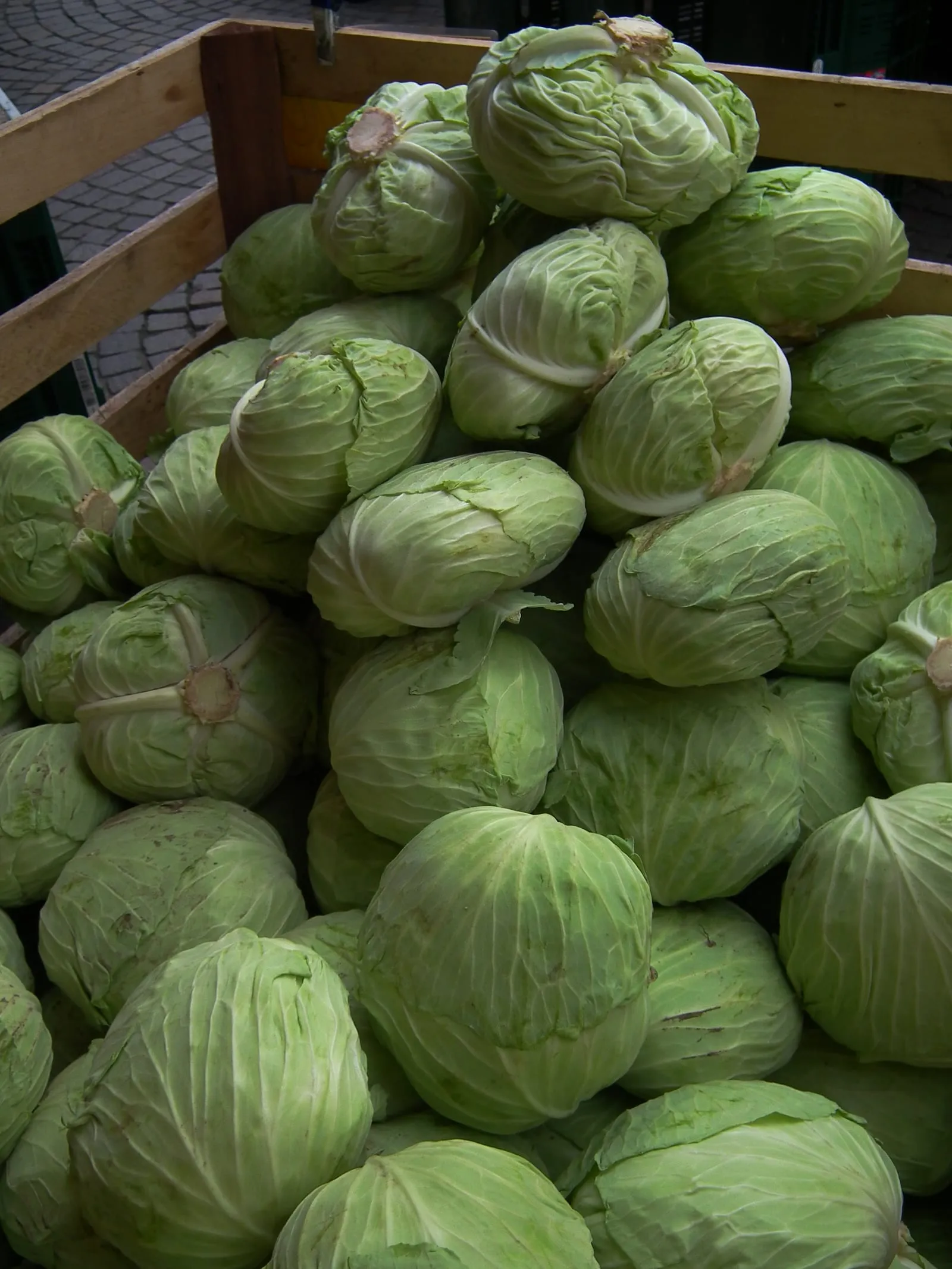
vegetable in zone 3a
Growing cabbage in zone 3a
Brassica oleracea var. capitata
- Zone
- 3a -40°F to -35°F
- Growing season
- 90 days
- Suitable varieties
- 1
- Days to harvest
- 60 to 100
The verdict
Zone 3a is a viable zone for cabbage, though the 90-day growing season leaves little room for error. Cabbage is a cool-season brassica that tolerates hard frost; mature heads can handle temperatures into the low 20s°F without serious damage, which aligns well with zone 3a's shoulder-season conditions. Unlike fruit trees, cabbage carries no chill-hour requirement. The limiting factor here is season length, not cold accumulation.
The real constraint is days to maturity. Standard cabbage varieties need 70 to 100 days from transplant. With a 90-day season, growers must choose early-maturing cultivars and start transplants indoors without exception. Brunswick, the primary compatible variety for this zone, is a traditional storage type selected specifically for northern climates and capable of sizing up before first fall frost. Cabbage is not a marginal crop in zone 3a. It belongs here. Success depends almost entirely on getting transplants in the ground at the earliest safe opportunity.
Recommended varieties for zone 3a
1 cultivar suited to this zone, with disease-resistance and zone-fit annotations.
| Variety | Notes | Zone fit | Disease resistance |
|---|---|---|---|
| Brunswick fits zone 3a | Sweet, dense, classic flavor; large flat-headed German storage cabbage. Sauerkraut, slaw, soups. Heritage open-pollinated, holds in the field, stores 3-4 months. | | none noted |
Critical timing for zone 3a
Start cabbage seeds indoors 6 to 8 weeks before the last expected spring frost, which in zone 3a typically falls between late May and mid-June. Hardened transplants can go into the garden 2 to 4 weeks before that date, as established cabbage tolerates light frost without significant setback.
In a 90-day season, this schedule puts heading in mid-to-late August and harvest in late August through September. The timing is workable: cool fall conditions actually improve head quality and flavor. The sharper risk is a premature hard frost in late August or early September, which can arrive before October 1 in many zone 3a locations. Heading must be complete before then. Cabbage does not flower during a standard single-season grow-out; bolting becomes a concern only if plants experience extended vernalization, which rarely applies in this context.
Common challenges in zone 3a
- ▸ Very short growing season
- ▸ Late spring frosts
- ▸ Limited fruit-tree options
- ▸ Heavy mulching required
Disease pressure to watch for
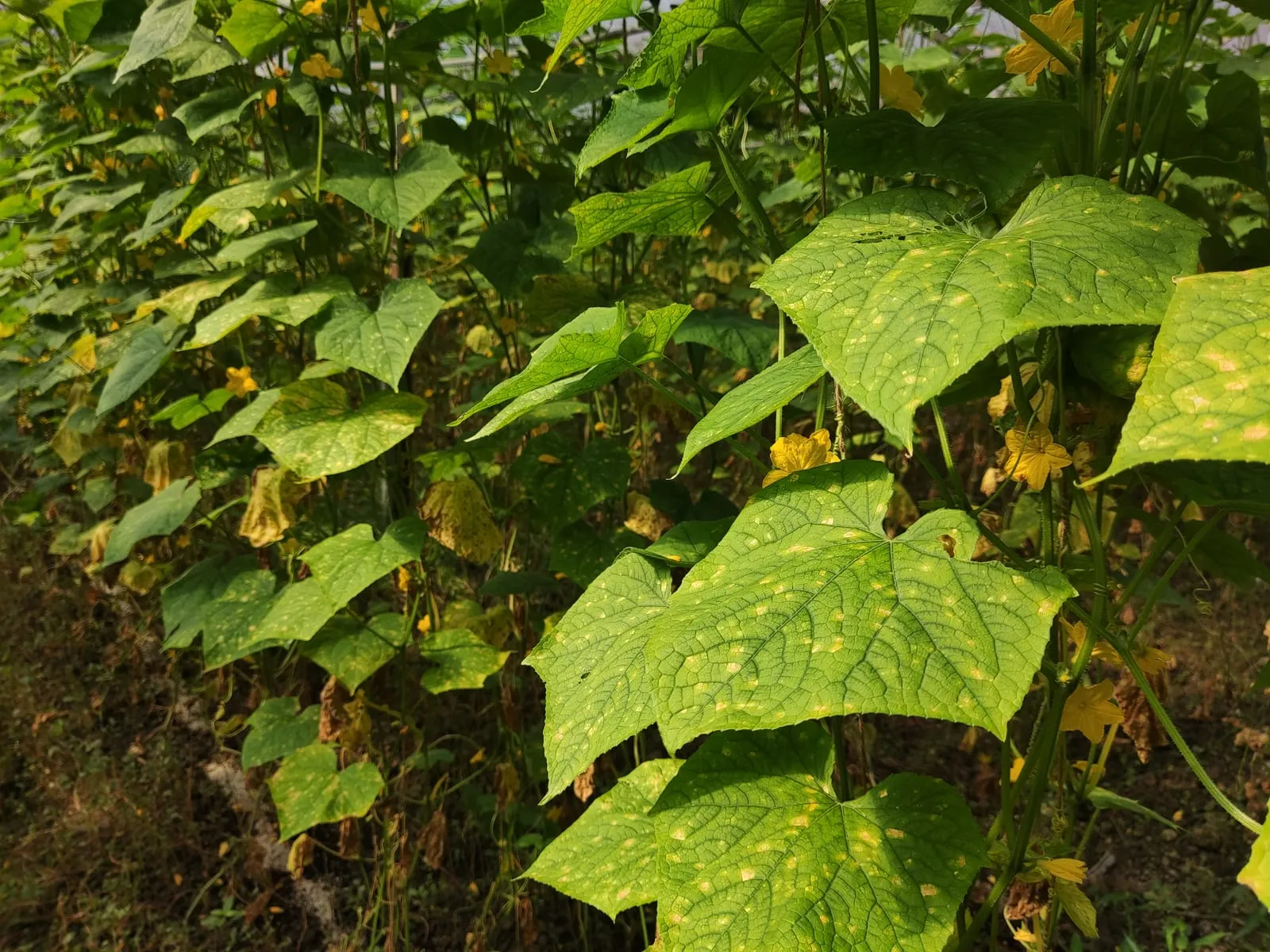
Pseudoperonospora cubensis (cucurbits) and others
Water mold (oomycete, not a true fungus) that thrives in cool damp conditions. Spreads rapidly through cucurbit and brassica plantings on wind-borne spores.
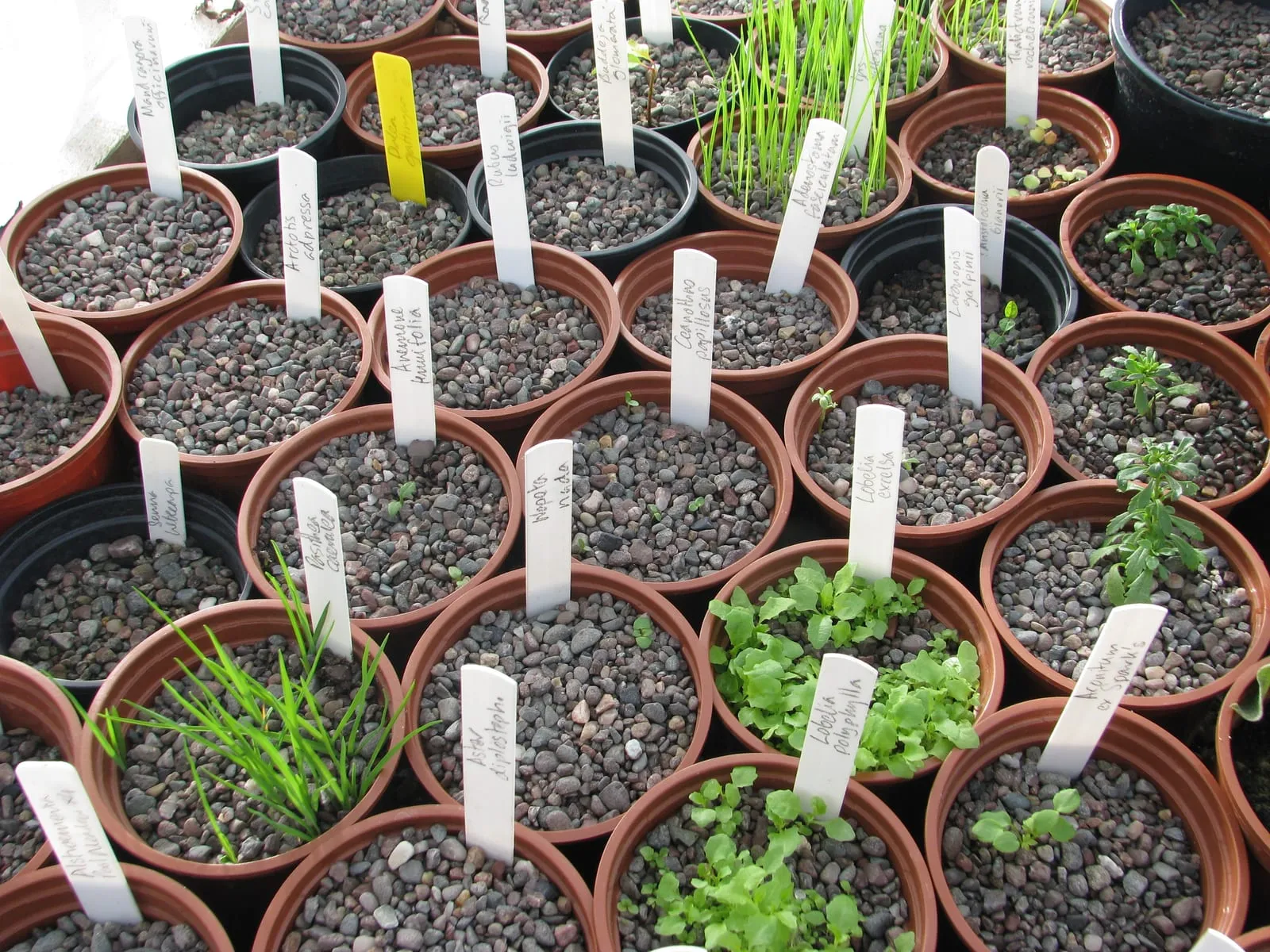
Pythium and Rhizoctonia species
Soil-borne complex of water molds and fungi that kill seedlings before or shortly after emergence. The single most common cause of seed-starting failures.
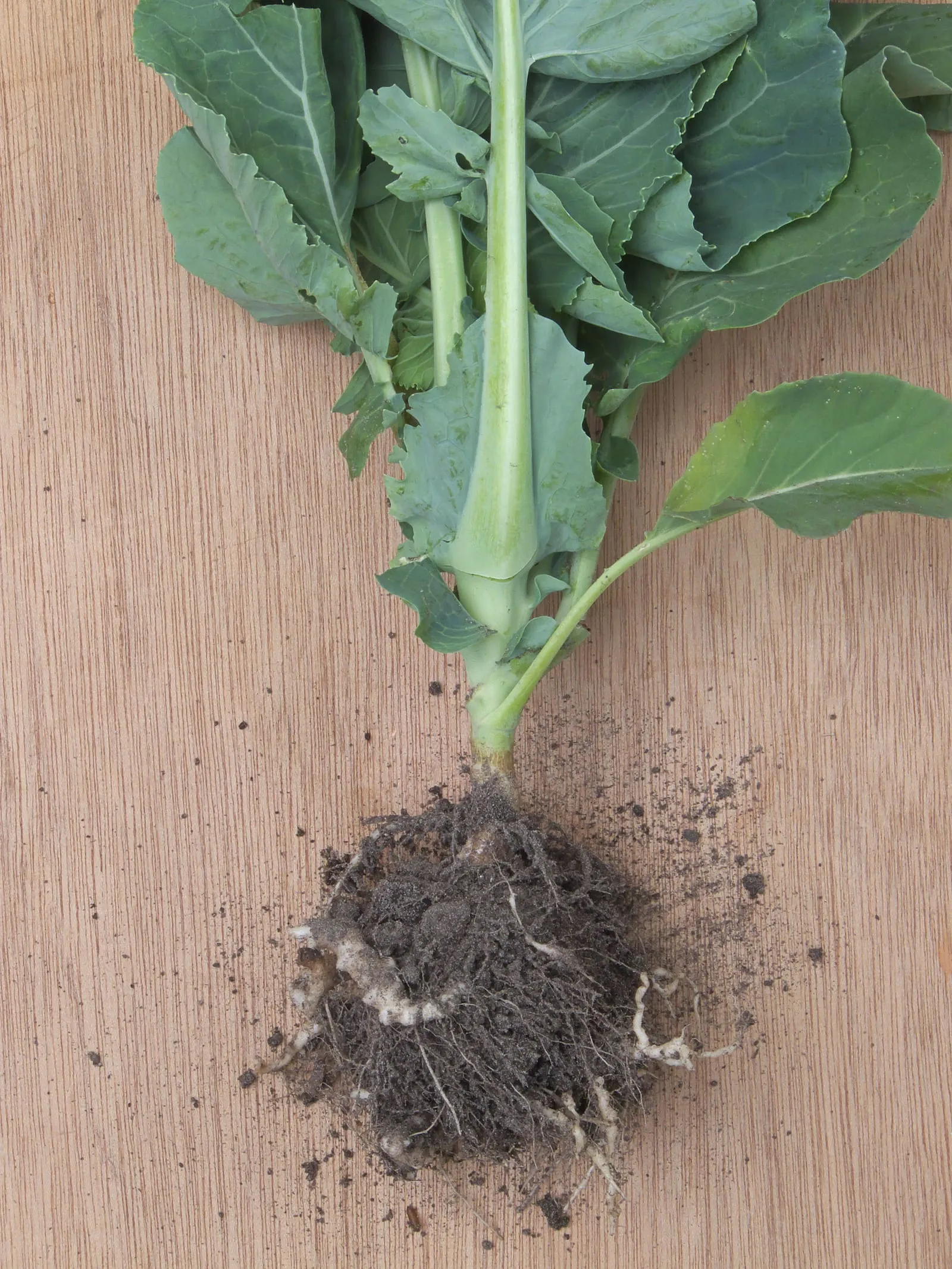
Plasmodiophora brassicae
Soil-borne disease causing characteristic distorted club-shaped roots on brassicas. Persists in soil for 10-20 years; the dominant brassica pathogen in acidic poorly-drained soils.
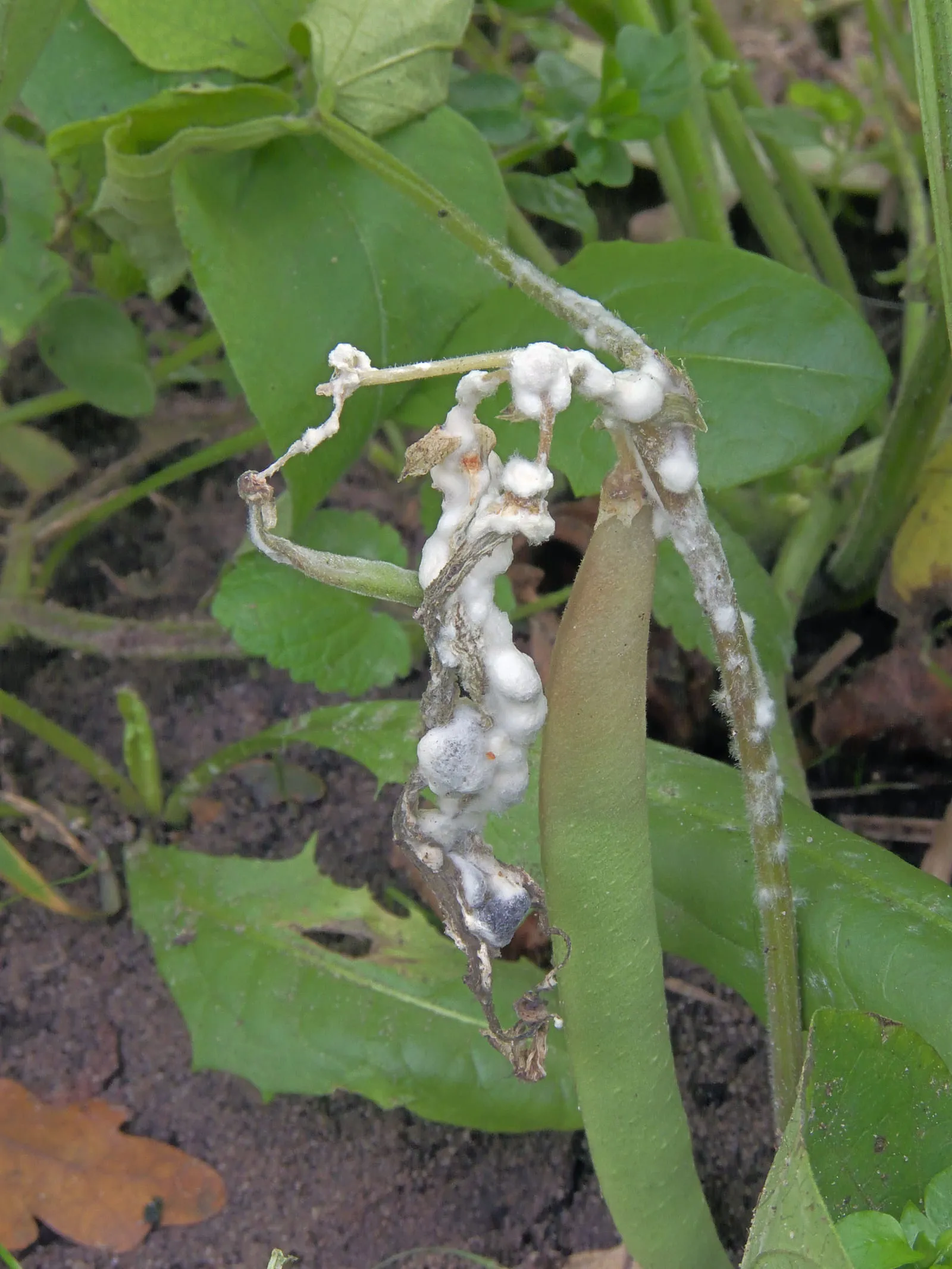
Sclerotinia sclerotiorum
Fungal disease that produces fluffy white mycelium on stems and lower leaves. Forms hard black sclerotia (resting bodies) that survive 5+ years in soil.
Modified care for zone 3a
The primary adaptation in zone 3a is strict timeline management. Indoor starting is not optional; direct seeding outdoors misses the available window for most varieties. Use bottom heat during germination to speed emergence and keep the seedling cycle on schedule.
Heavy mulching, 3 to 4 inches of straw or wood chips, moderates soil temperature swings and retains moisture through July heat spikes. Row covers in early spring extend the transplanting window by a week or two and buffer against late-season frosts that may arrive after nominal last-frost dates.
Clubroot is the disease concern most specific to zone 3a conditions. The pathogen thrives in cool, moist, acidic soils. Raising soil pH to at least 7.0 and rotating brassicas on a minimum 4-year cycle substantially reduces incidence. Downy mildew and white mold are manageable with adequate plant spacing and avoiding overhead irrigation in the evening hours. Where resistant varieties are available, they provide a useful additional buffer.
Frequently asked questions
- Can cabbage actually survive zone 3a winters?
Cabbage grown as an annual does not need to survive winter. Plants are started indoors in spring, transplanted after last frost, and harvested by early fall. The winter hardiness of zone 3a is irrelevant to a single-season crop.
- What is the best cabbage variety for zone 3a?
Brunswick is the most established option for zone 3a. It is a traditional storage-type cabbage selected for short-season northern climates, with reliable heading within the 90-day window available in this zone.
- How do I prevent clubroot in a zone 3a cabbage bed?
Raise soil pH to 7.0 or above using lime, rotate brassicas to a different bed every 4 years, and avoid moving soil from infected areas. Clubroot spores persist in soil for decades, so prevention is far more effective than remediation.
- Is it worth using row covers for cabbage in zone 3a?
Yes. Row covers allow transplanting 2 to 4 weeks earlier than uncovered beds, which is meaningful in a 90-day season. They also provide a buffer against unexpected late-spring frosts that are common in zone 3a through early June.
+−
+−
+−
+−
Cabbage in adjacent zones
Image: "Weißkohl Brassica oleracea var. capitata 2011", by 4028mdk09, via Wikimedia Commons, licensed under CC-BY Source.

Related