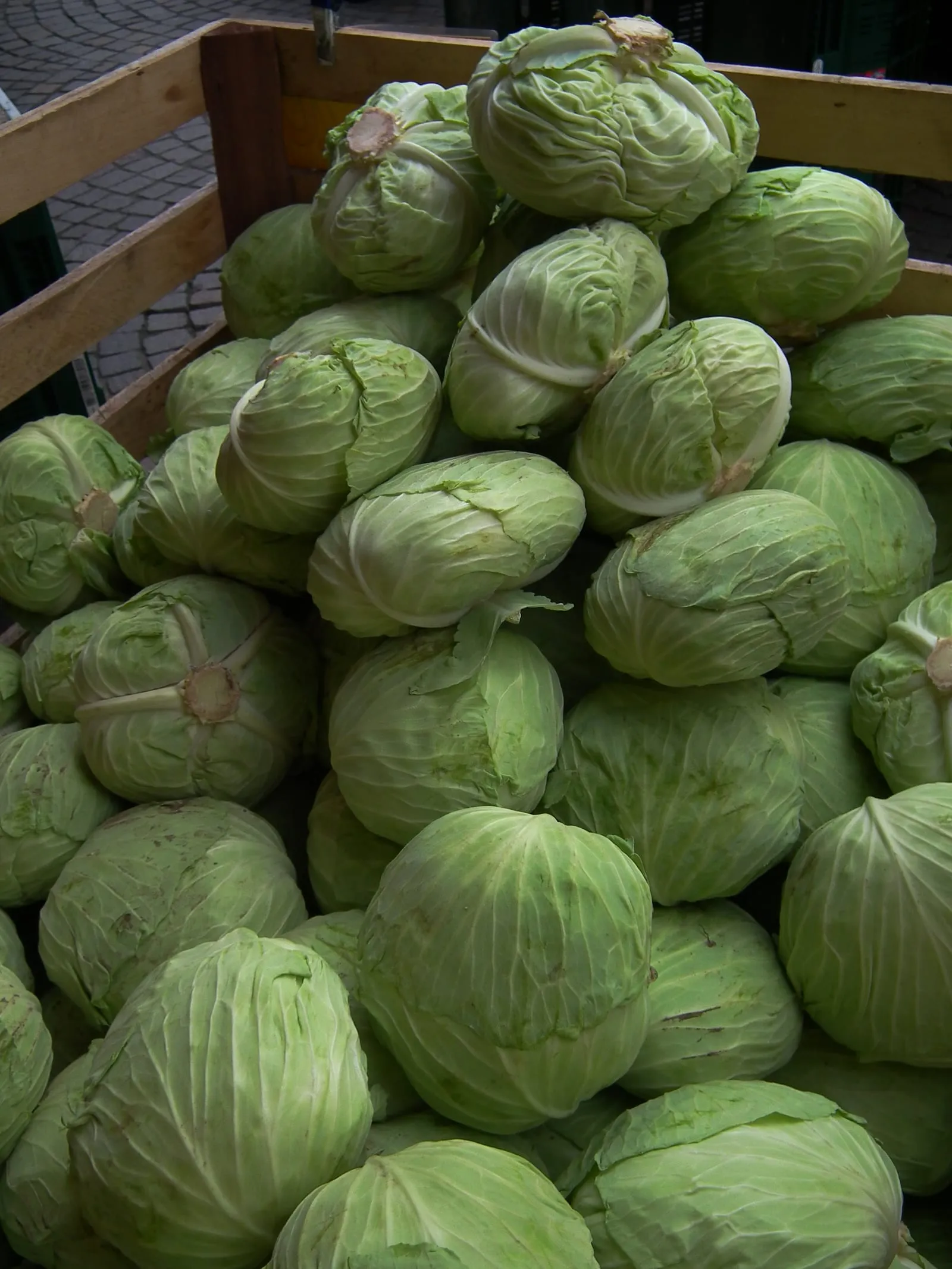
vegetable in zone 7b
Growing cabbage in zone 7b
Brassica oleracea var. capitata
- Zone
- 7b 5°F to 10°F
- Growing season
- 220 days
- Suitable varieties
- 2
- Days to harvest
- 60 to 100
The verdict
Cabbage is a cool-season brassica and zone 7b falls well within its productive range. Unlike fruit trees, cabbage has no chill-hour requirement; what matters is temperature timing. Heads develop best when daytime temperatures hold between 60 and 70°F, and the crop tolerates light frost without damage. Zone 7b minimum winter temperatures of 5 to 10°F are far below anything cabbage encounters during its actual growing windows, so cold hardiness is not a limiting factor.
The 220-day growing season creates two distinct cropping windows: a spring run from late-February or early-March transplants through late May, and a fall run from late-July transplants through November. Zone 7b summers are consistently too hot for cabbage head development, so double-cropping is the standard approach rather than a workaround. Early Jersey Wakefield and Red Acre both mature within typical spring and fall windows for this zone. This is a reliable zone for cabbage, not a marginal one.
Recommended varieties for zone 7b
2 cultivars suited to this zone, with disease-resistance and zone-fit annotations.
| Variety | Notes | Zone fit | Disease resistance |
|---|---|---|---|
| Early Jersey Wakefield fits zone 7b | Sweet, mild, tender; pointed conical heads. Slaw, fresh, sauerkraut. Heritage early variety (60 days), excellent for spring planting. | | none noted |
| Red Acre fits zone 7b | Sweet-tart, crisp, deep magenta; the standard red home-garden cabbage. Slaw, pickling, fresh. Productive, holds shape, good storage. | | none noted |
Critical timing for zone 7b
Spring transplants go into the ground 4 to 6 weeks before the average last frost, which falls in mid-March to early April across most of zone 7b. That puts transplant dates in late February to mid-March. Early Jersey Wakefield, at roughly 63 days to maturity, heads up in late April to early May. Red Acre runs closer to 76 days, pushing harvest into mid-May. Heat arrives quickly in the piedmont, and heads that have not sized up by late May are at risk of cracking or splitting under rising temperatures.
For fall crops, count backward from the first fall frost (typically mid-October to early November in zone 7b) by the days-to-maturity figure plus a two-week buffer. That puts fall transplant dates in late July to early August. Seed must go indoors 4 to 5 weeks before that to produce transplant-ready starts.
Common challenges in zone 7b
- ▸ Cedar-apple rust pressure heavy in piedmont
- ▸ Japanese beetles
- ▸ Brown marmorated stink bug
- ▸ Late summer disease pressure
Disease pressure to watch for
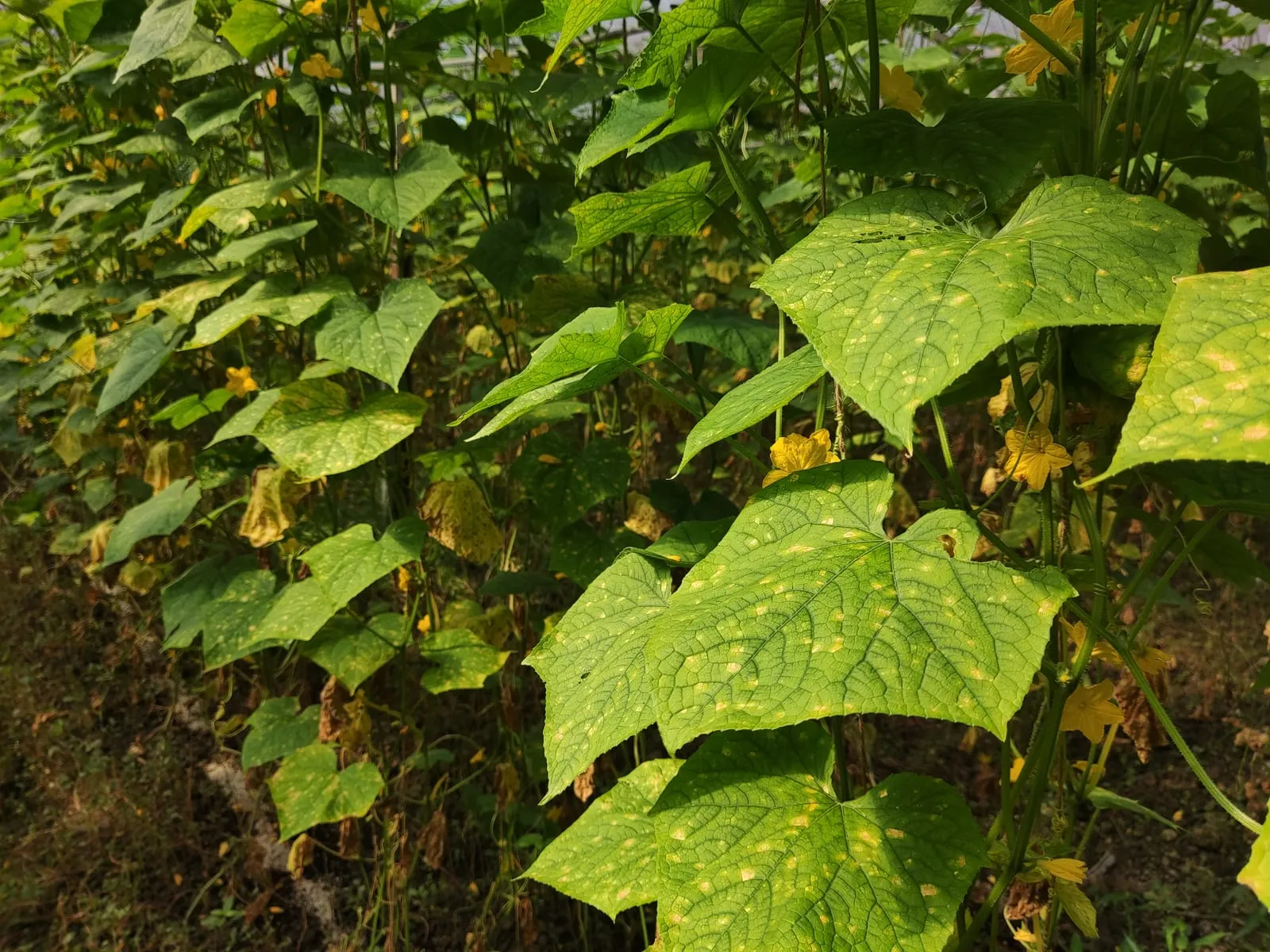
Pseudoperonospora cubensis (cucurbits) and others
Water mold (oomycete, not a true fungus) that thrives in cool damp conditions. Spreads rapidly through cucurbit and brassica plantings on wind-borne spores.
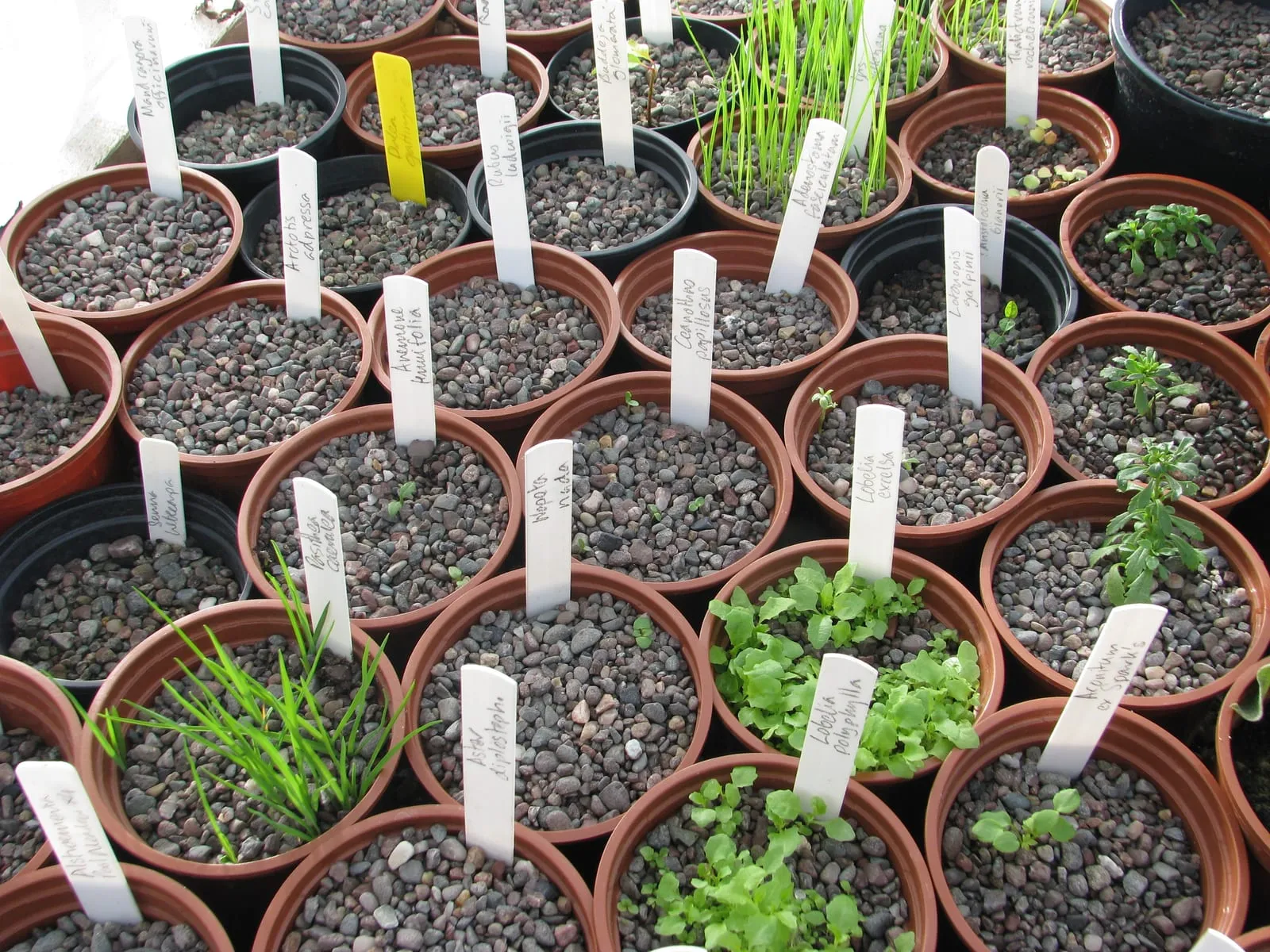
Pythium and Rhizoctonia species
Soil-borne complex of water molds and fungi that kill seedlings before or shortly after emergence. The single most common cause of seed-starting failures.
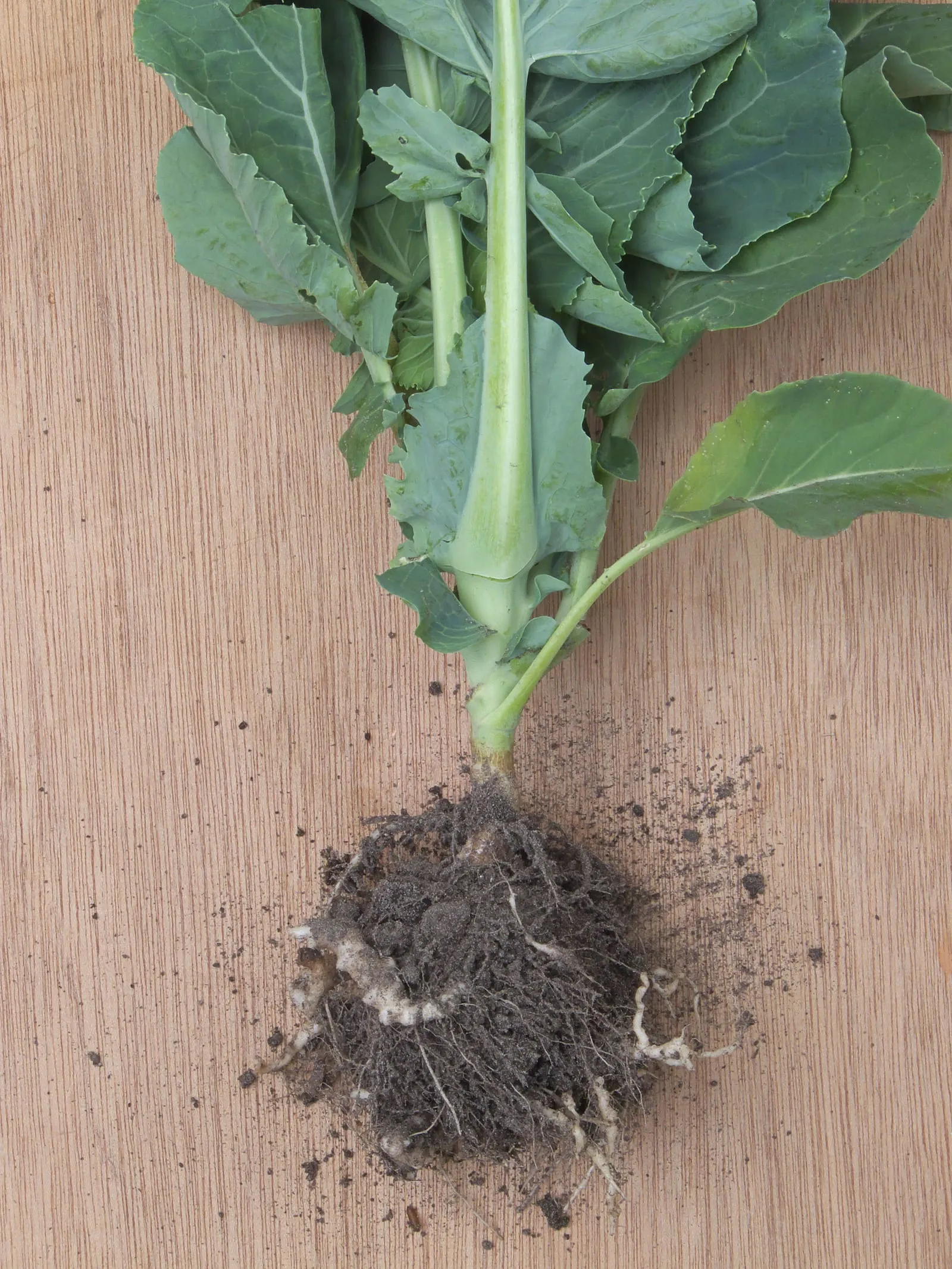
Plasmodiophora brassicae
Soil-borne disease causing characteristic distorted club-shaped roots on brassicas. Persists in soil for 10-20 years; the dominant brassica pathogen in acidic poorly-drained soils.
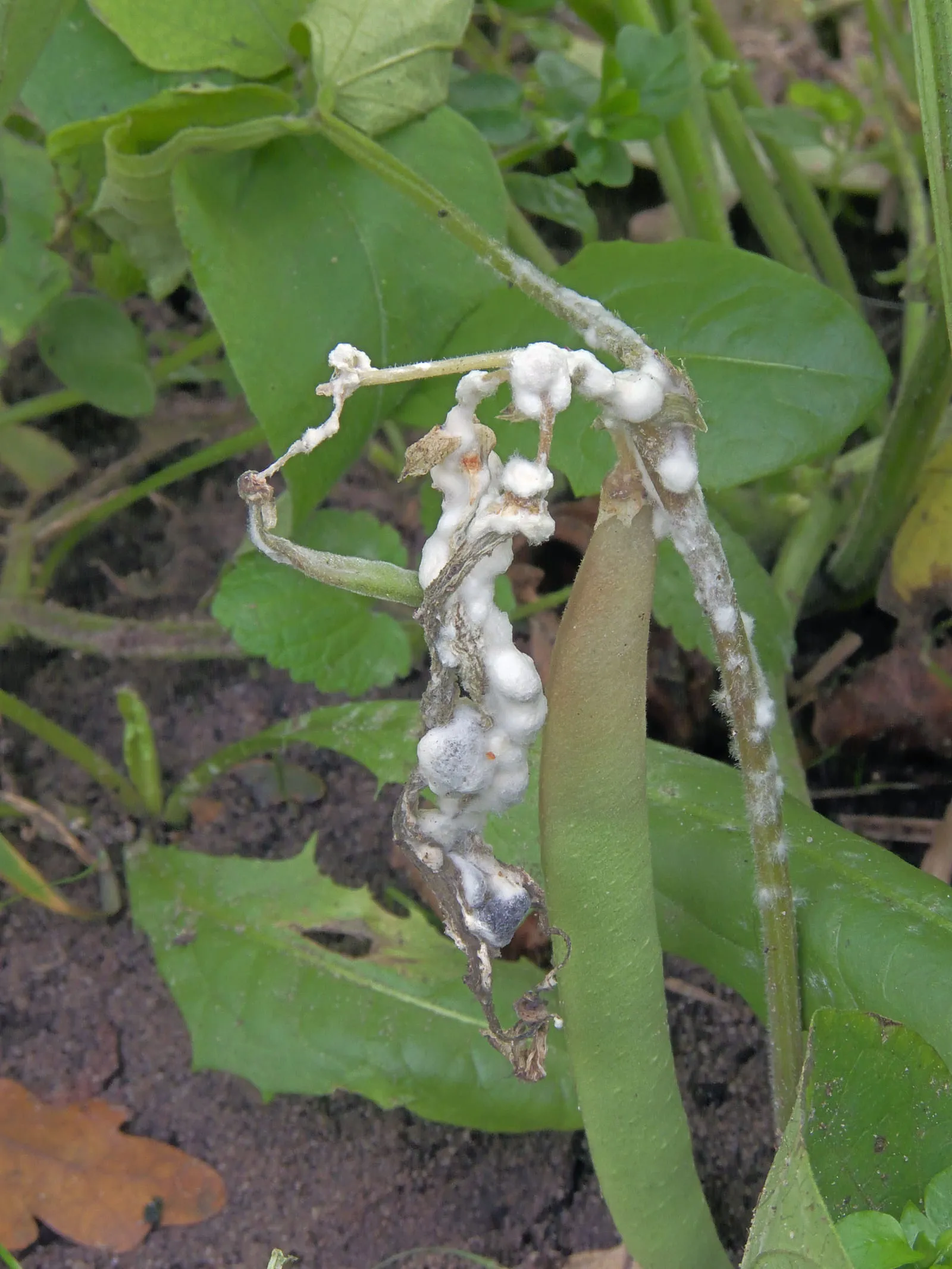
Sclerotinia sclerotiorum
Fungal disease that produces fluffy white mycelium on stems and lower leaves. Forms hard black sclerotia (resting bodies) that survive 5+ years in soil.
Modified care for zone 7b
The primary pressure points in zone 7b are insect pests and humid-season disease. Japanese beetles peak in late June and July, which overlaps with fall transplant preparation; they rarely threaten the spring crop but can defoliate summer-started seedlings. Brown marmorated stink bug causes cosmetic and structural damage to heads from August onward. Row covers over fall transplants until heads begin to firm up offer meaningful protection against both pests.
Downy mildew and white mold are most active during the wet, humid stretches that characterize piedmont springs and falls. Good airflow between plants (18 inches minimum between transplants) and prompt removal of outer leaves showing lesions slow the spread. Clubroot is a soil-borne pathogen that persists in infected beds for years. If it appears, relocate cabbage and other brassicas to a different bed and do not return them for at least seven years; liming to raise pH above 7.0 reduces but does not eliminate clubroot pressure.
Frequently asked questions
- Can cabbage survive a hard freeze in zone 7b?
Established cabbage plants tolerate temperatures down to about 20°F with minimal damage. Zone 7b winters occasionally dip below that threshold, so fall crops should be harvested before a sustained freeze is forecast. Heads left in the field after a hard freeze become mushy on the outer leaves and store poorly.
- Why does my cabbage bolt or split before heading in zone 7b?
Bolting in spring crops is almost always a timing issue. If transplants go out too early and experience a prolonged cold snap (below 45°F for more than a week), the plant reads it as a vernalization signal and rushes to flower. Splitting usually happens when a rain event follows a dry spell after the head has firmed up. Harvest promptly once heads reach full size.
- Is clubroot a significant risk in the zone 7b piedmont?
Clubroot (caused by the soil pathogen Plasmodiophora brassicae) is present across the Southeast and can be severe in acidic, poorly drained soils that are common in the piedmont. Test soil pH before planting brassicas; maintaining pH above 7.0 through lime application substantially reduces infection risk. Once clubroot is confirmed in a bed, rotation out of brassicas for at least seven years is the only reliable management option.
+−
+−
+−
Cabbage in adjacent zones
Image: "Weißkohl Brassica oleracea var. capitata 2011", by 4028mdk09, via Wikimedia Commons, licensed under CC-BY Source.

Related