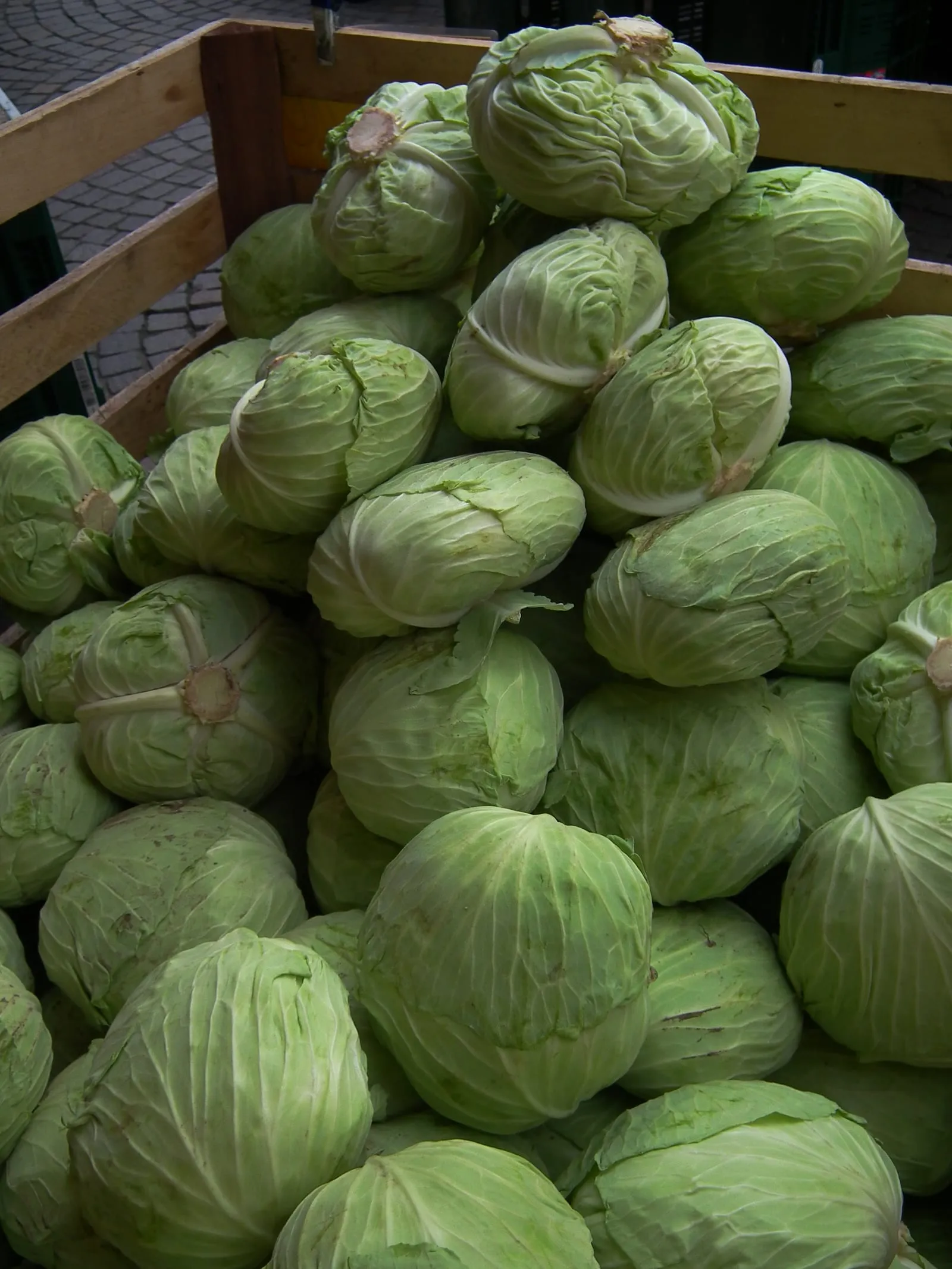
vegetable in zone 8a
Growing cabbage in zone 8a
Brassica oleracea var. capitata
- Zone
- 8a 10°F to 15°F
- Growing season
- 240 days
- Suitable varieties
- 0
- Days to harvest
- 60 to 100
The verdict
Zone 8a is a reliable zone for cabbage, though timing determines whether a planting succeeds or fails. Cabbage is a cool-season brassica with no chill-hour requirement (that constraint applies to fruit trees, not leafy crops). What it does require is sustained cool temperatures, roughly 45 to 75°F, for proper head formation. Zone 8a's 240-day growing season includes two windows that fit that range: a fall-to-winter window and a brief spring window before summer heat arrives.
The listed zone challenge of heat stress on cool-season crops is real but manageable. Summer cabbage in zone 8a is not practical, but fall and overwintered crops frequently outperform those grown in cooler regions because the mild winters allow slower, denser heading without hard freezes terminating the crop. Zone 8a is not marginal for cabbage; it's a solid production zone with the right planting schedule.
Critical timing for zone 8a
The primary planting window is fall. Transplants set out in late August to mid-September will head through November and December, with harvest typically running from late November into January depending on variety and conditions. This fall window takes advantage of cooling temperatures rather than racing against warming ones.
A secondary spring window exists: transplants established in late February or early March can produce before heat stress becomes significant, with harvest typically completing by late May or early June. In zone 8a, spring crops require close attention because the transition from cool to hot can compress rapidly. Overwintered fall plantings of cold-tolerant types can extend the harvest season into February in mild years.
Common challenges in zone 8a
- ▸ Insufficient chill hours for some apple varieties
- ▸ Pierce's disease in grapes
- ▸ Heat stress on cool-season crops
Disease pressure to watch for
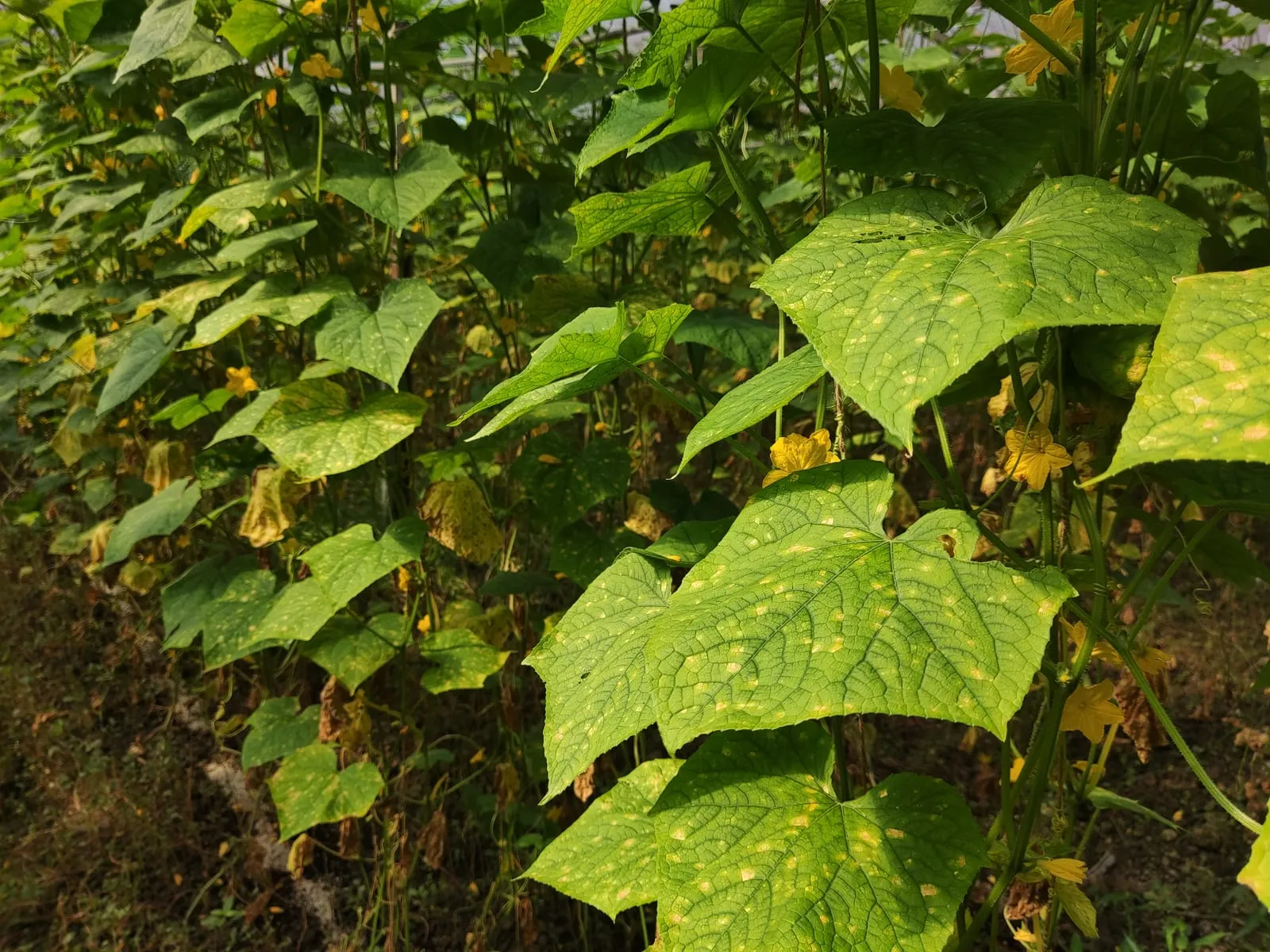
Pseudoperonospora cubensis (cucurbits) and others
Water mold (oomycete, not a true fungus) that thrives in cool damp conditions. Spreads rapidly through cucurbit and brassica plantings on wind-borne spores.
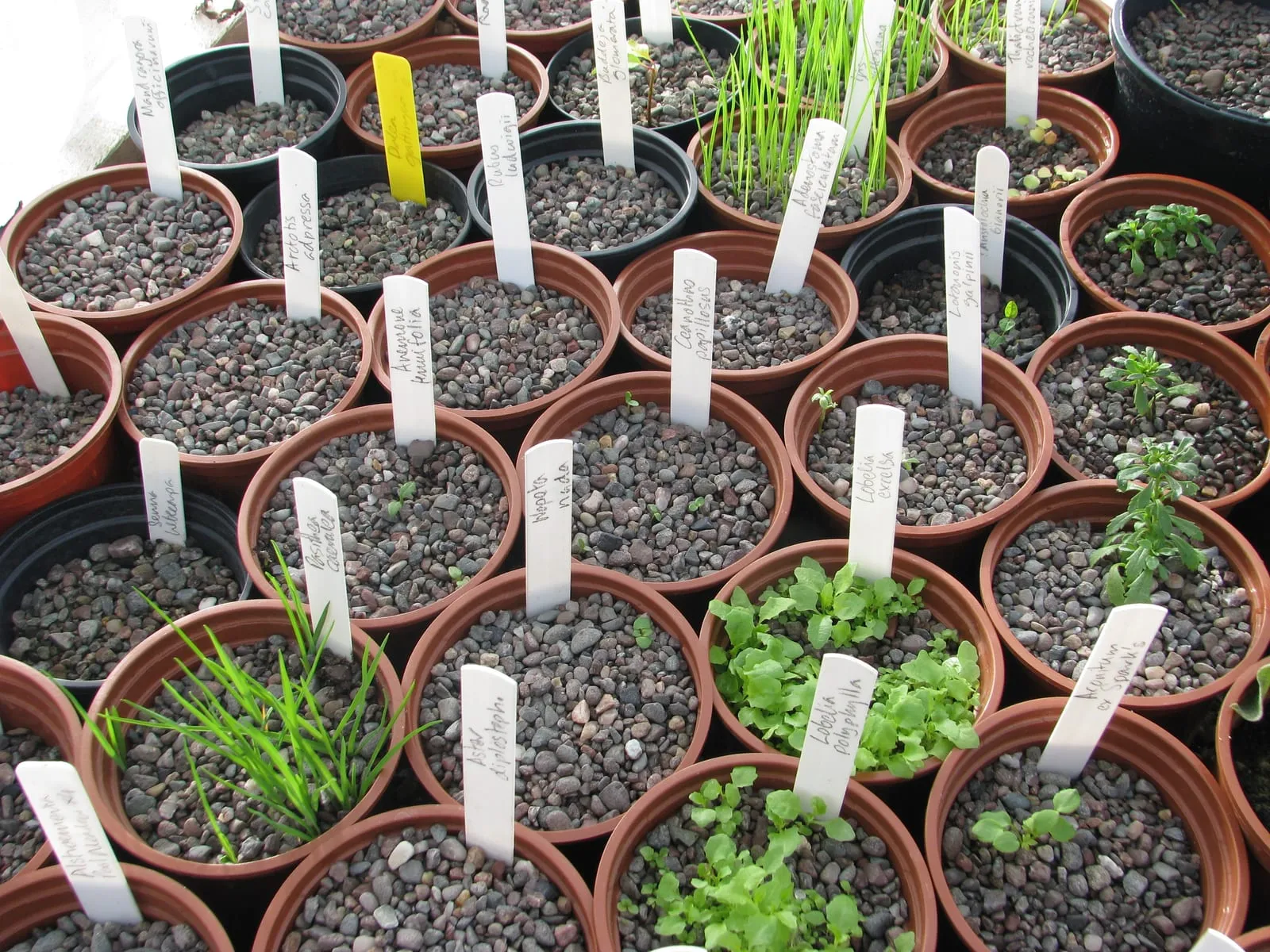
Pythium and Rhizoctonia species
Soil-borne complex of water molds and fungi that kill seedlings before or shortly after emergence. The single most common cause of seed-starting failures.
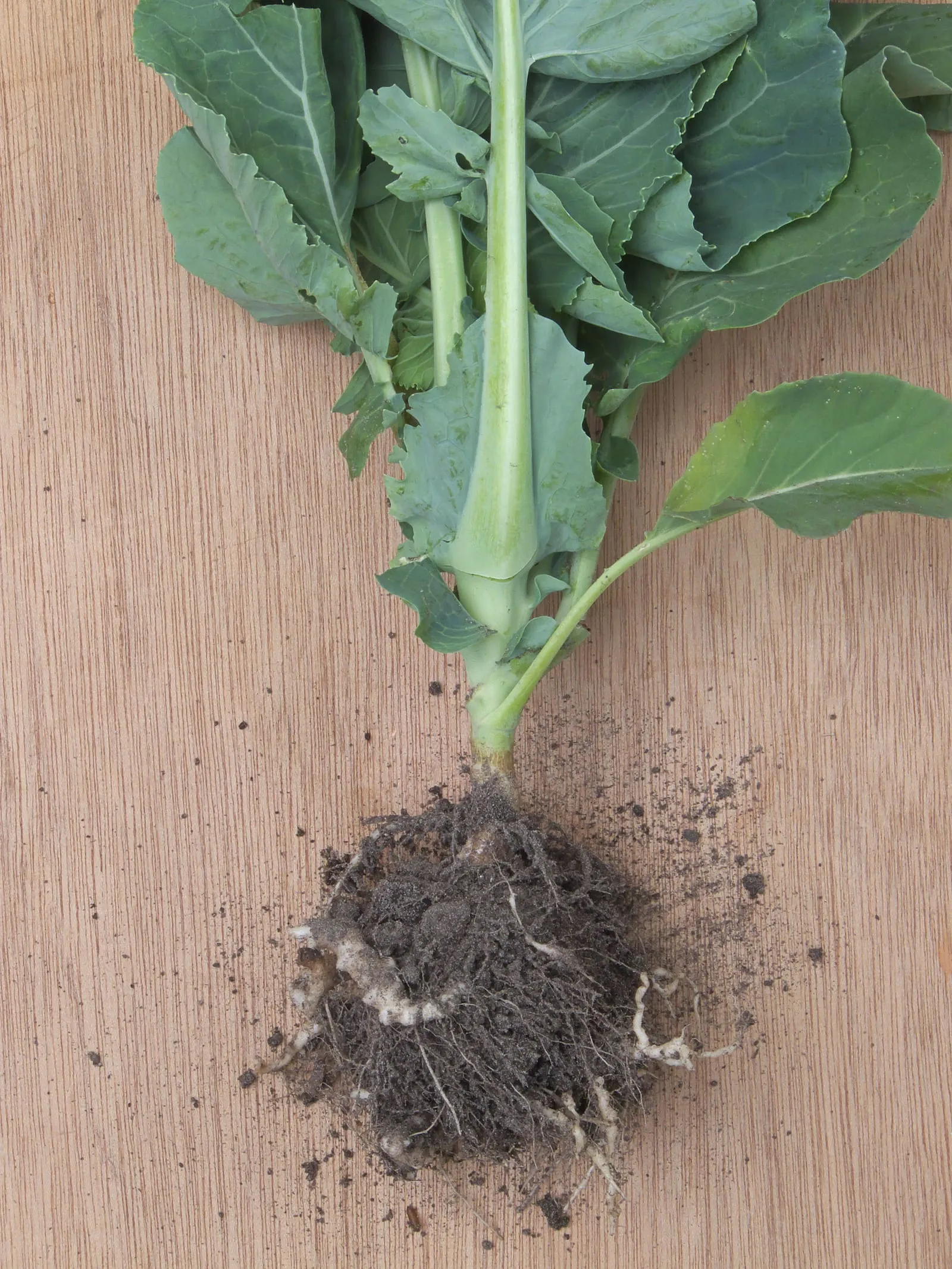
Plasmodiophora brassicae
Soil-borne disease causing characteristic distorted club-shaped roots on brassicas. Persists in soil for 10-20 years; the dominant brassica pathogen in acidic poorly-drained soils.
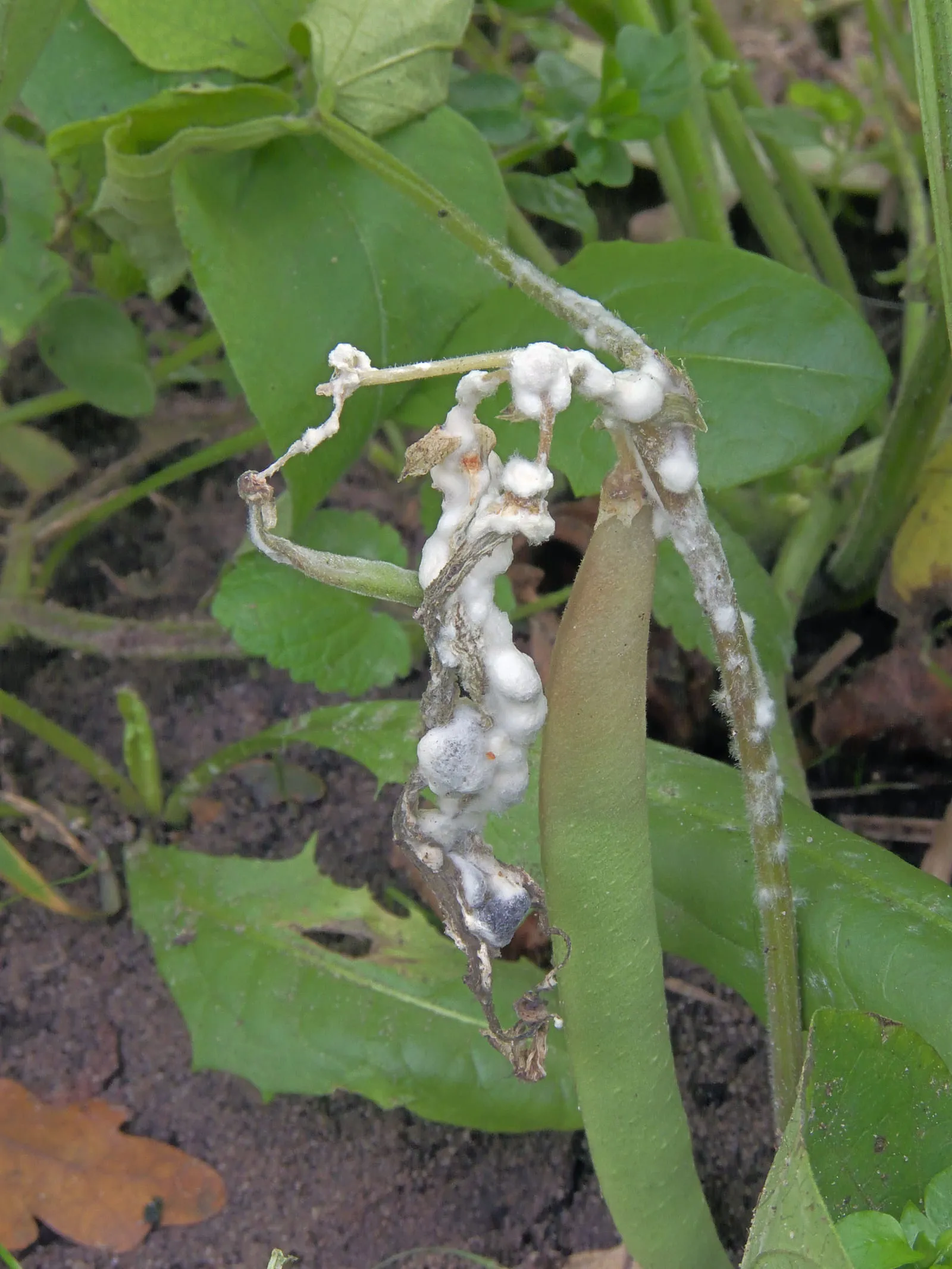
Sclerotinia sclerotiorum
Fungal disease that produces fluffy white mycelium on stems and lower leaves. Forms hard black sclerotia (resting bodies) that survive 5+ years in soil.
Modified care for zone 8a
The primary care adjustment in zone 8a is heat management at the seedling stage. For fall plantings, seed germination and early transplant establishment occur during late-summer temperatures that can exceed 90°F. Starting seeds indoors in air conditioning from late July onward, rather than direct sowing in the heat, significantly improves stand establishment.
Disease pressure from downy mildew and clubroot is elevated in zone 8a's humid conditions. Clubroot persists in soil for years; pH adjustment above 7.0 using lime suppresses it, and rotation away from all brassicas for three or more seasons is the most reliable preventive measure. Downy mildew is most active during cool, wet periods in fall and early spring; good air circulation and avoiding overhead irrigation reduce incidence. White mold risk increases when plants are crowded or canopy closes on wet mulch.
Frequently asked questions
- Can cabbage survive winter in zone 8a?
Most heading types established by October will tolerate zone 8a winters without protection. Temperatures down to 15°F can damage outer leaves but rarely kill a well-established head. Cold-hardy varieties such as January King or平头白 types hold better in hard freezes.
- Why is summer cabbage so difficult in zone 8a?
Cabbage heads poorly above 80°F and may bolt or become loose and bitter in sustained heat. Zone 8a's summers reliably exceed that threshold for extended periods, making summer production impractical without significant shade infrastructure.
- What is clubroot and how serious is it in zone 8a?
Clubroot is a soilborne disease caused by Plasmodiophora brassicae that deforms brassica roots, stunting or killing plants. It thrives in acidic, wet soils common in zone 8a. Once established in a bed, it persists for 15 to 20 years. Prevention through soil pH management and crop rotation is more effective than any cure.
+−
+−
+−
Cabbage in adjacent zones
Image: "Weißkohl Brassica oleracea var. capitata 2011", by 4028mdk09, via Wikimedia Commons, licensed under CC-BY Source.

Related