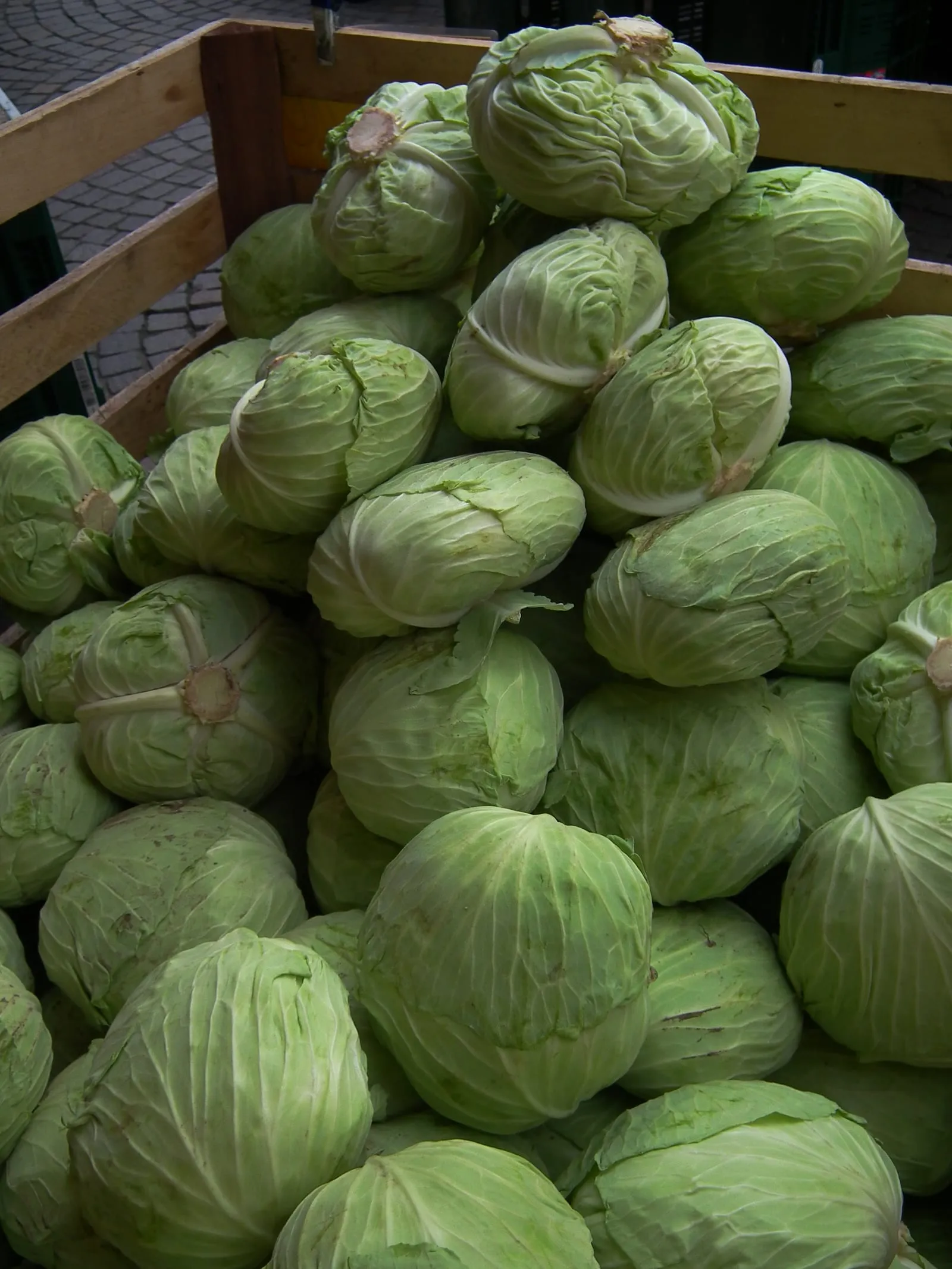
vegetable in zone 8b
Growing cabbage in zone 8b
Brassica oleracea var. capitata
- Zone
- 8b 15°F to 20°F
- Growing season
- 260 days
- Suitable varieties
- 0
- Days to harvest
- 60 to 100
The verdict
Cabbage is a cool-season brassica, so chill-hour accumulation, a constraint relevant to deciduous fruit trees, does not apply here. What matters is whether temperatures during heading stay below roughly 75°F and whether summer heat can be avoided entirely.
Zone 8b is a workable zone for cabbage, not a marginal one, provided planting is timed around the heat rather than against it. The 260-day growing season is generous on paper, but cabbage cannot occupy most of it. Summer temperatures across zone 8b regularly exceed 90°F, preventing head formation and accelerating bolting. The productive windows are fall (September transplants through January harvest) and a shorter spring window before heat arrives in April.
Sandy soils common in parts of zone 8b carry nematode pressure that can reduce root vigor and limit head size. This is worth factoring into site selection and soil preparation, particularly for growers who have seen unexplained stunting in brassica crops before.
Critical timing for zone 8b
The fall crop is the primary season in zone 8b. Transplants set out between mid-September and mid-October will head up as temperatures drop through November and December. Harvest typically runs from late November through January, and in mild winters can extend into February. Light frosts improve sweetness in many varieties; cabbage tolerates temperatures down to around 20°F without significant damage.
Spring planting is possible but compressed. Transplants established in January or early February need to form heads before heat arrives, which in most of zone 8b means the window closes sometime in April or early May. Short-season varieties in the 60- to 75-day range are better suited to spring crops than slow-maturing storage types. Bolting risk rises sharply when spring transplants encounter extended cold followed by a rapid warm-up, a pattern that occurs occasionally across zone 8b.
Common challenges in zone 8b
- ▸ Low chill hours limit apple variety selection
- ▸ Citrus greening risk
- ▸ Nematodes in sandy soils
Disease pressure to watch for
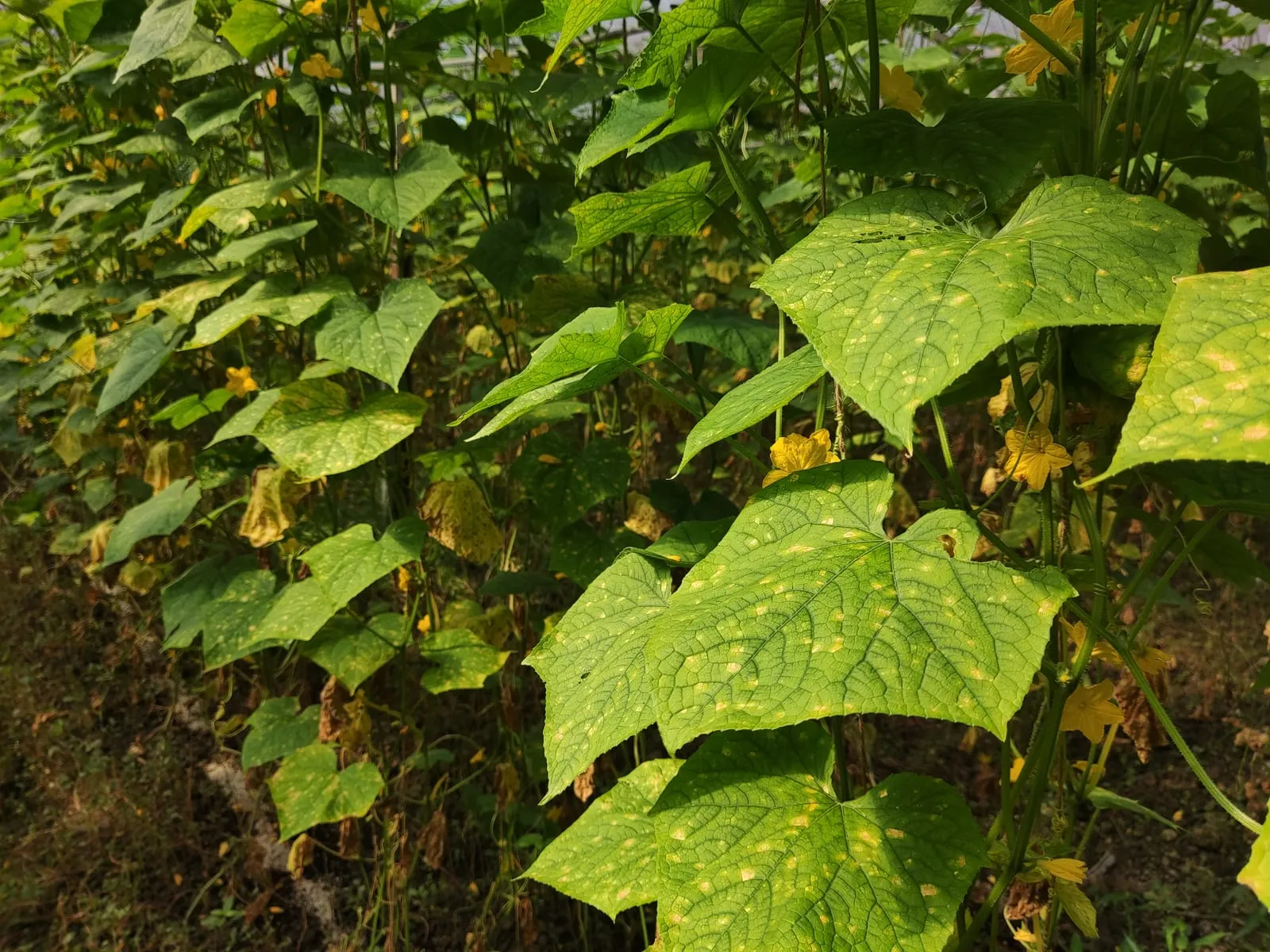
Pseudoperonospora cubensis (cucurbits) and others
Water mold (oomycete, not a true fungus) that thrives in cool damp conditions. Spreads rapidly through cucurbit and brassica plantings on wind-borne spores.
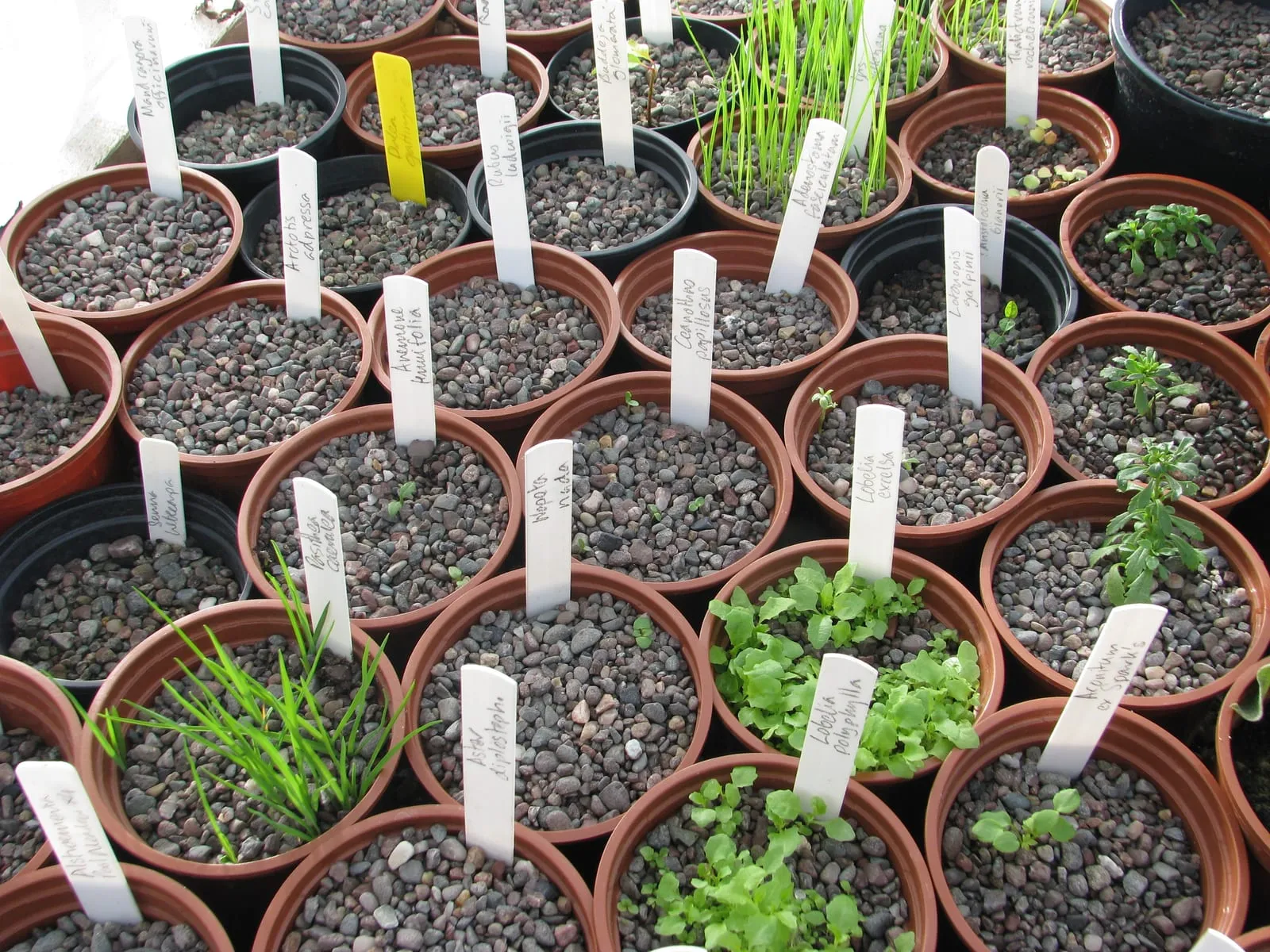
Pythium and Rhizoctonia species
Soil-borne complex of water molds and fungi that kill seedlings before or shortly after emergence. The single most common cause of seed-starting failures.
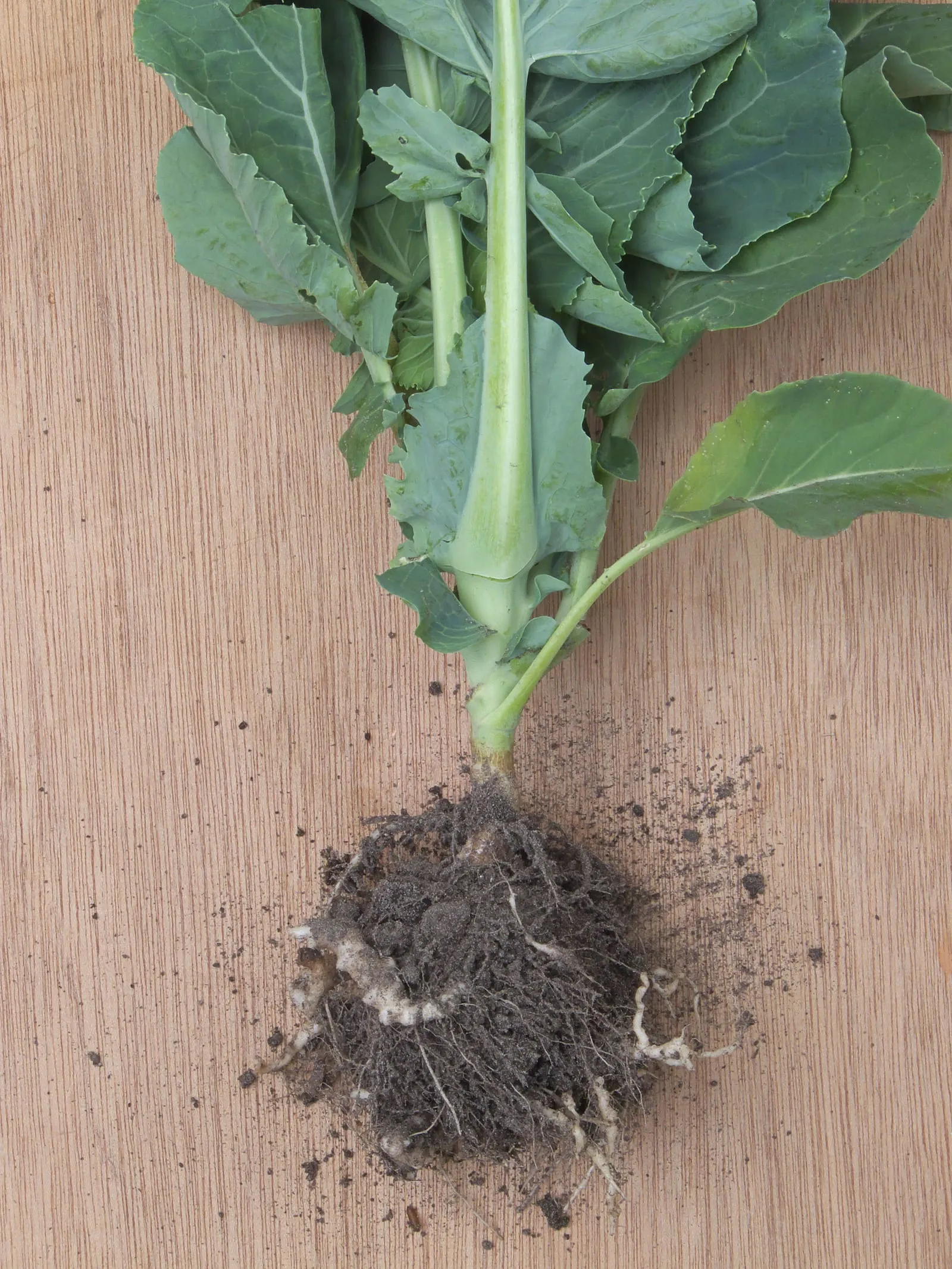
Plasmodiophora brassicae
Soil-borne disease causing characteristic distorted club-shaped roots on brassicas. Persists in soil for 10-20 years; the dominant brassica pathogen in acidic poorly-drained soils.
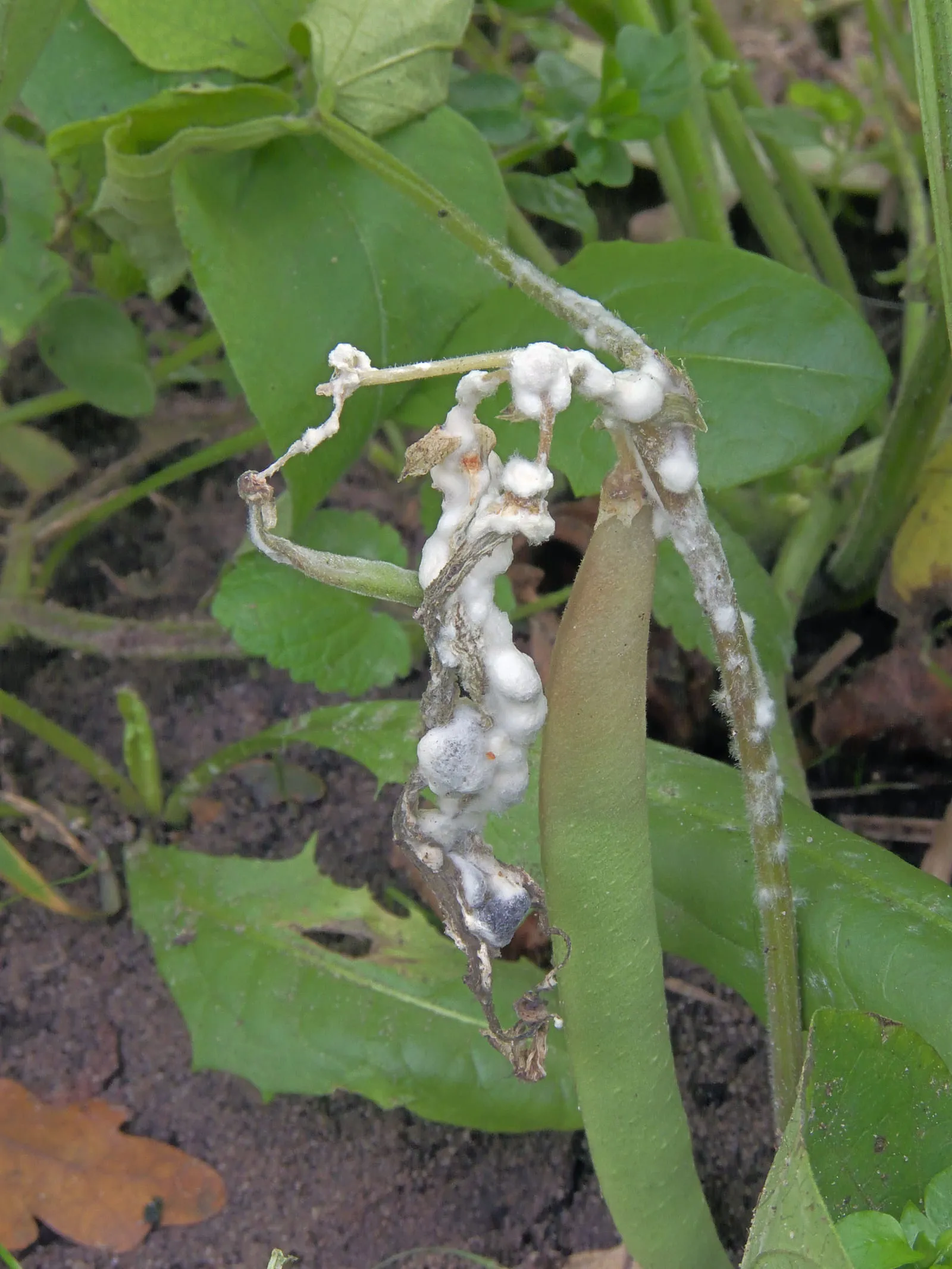
Sclerotinia sclerotiorum
Fungal disease that produces fluffy white mycelium on stems and lower leaves. Forms hard black sclerotia (resting bodies) that survive 5+ years in soil.
Modified care for zone 8b
The primary adjustment in zone 8b is planning around summer entirely. There is no viable path for summer cabbage in this zone; all effort belongs on fall and spring plantings.
Clubroot is a persistent soil-borne pathogen that thrives in acidic conditions. Liming to raise soil pH above 7.2 and maintaining a three-to-four-year rotation away from all brassicas, including kale, broccoli, and mustard greens, reduces but does not eliminate risk. Once established in a bed, clubroot can persist for decades, so prevention through rotation and pH management is far more effective than remediation after the fact.
Downy mildew and white mold become more problematic in fall as nights cool and humidity rises. Adequate plant spacing to improve airflow and avoiding overhead irrigation in the evening reduces incidence. In zone 8b's humid Gulf-adjacent and coastal areas, pressure from both pathogens can be substantial and may warrant preventive fungicide applications during heading.
Frequently asked questions
- Can cabbage survive a hard freeze in zone 8b?
Mature cabbage tolerates temperatures down to around 20°F, which aligns with zone 8b's minimum range, making winter harvest feasible in most years. Seedlings are more vulnerable; protect transplants set out in early fall with row cover if an unusual freeze arrives before plants are well established.
- Why does cabbage bolt instead of forming a head in spring?
Bolting is triggered by vernalization, a period of cold followed by warming. Spring plantings in zone 8b that encounter a late cold snap and then warm quickly are most at risk. Choosing bolt-resistant varieties and avoiding transplanting before mid-January reduces the chance of premature bolting.
- How do I manage clubroot in zone 8b garden beds?
Lime to raise soil pH above 7.2, rotate brassicas on a minimum three-to-four-year cycle, and remove infected plant material rather than composting it. Clubroot spores can survive in soil for up to 20 years, so consistent rotation and pH management are the most reliable tools available.
- Is fall or spring the better season for cabbage in zone 8b?
Fall is generally the more reliable season. The harvest window is longer (November through January), heat stress is not a concern once temperatures drop, and light frosts improve flavor. Spring crops are workable but require short-season varieties and precise timing to head before April heat arrives.
+−
+−
+−
+−
Cabbage in adjacent zones
Image: "Weißkohl Brassica oleracea var. capitata 2011", by 4028mdk09, via Wikimedia Commons, licensed under CC-BY Source.

Related