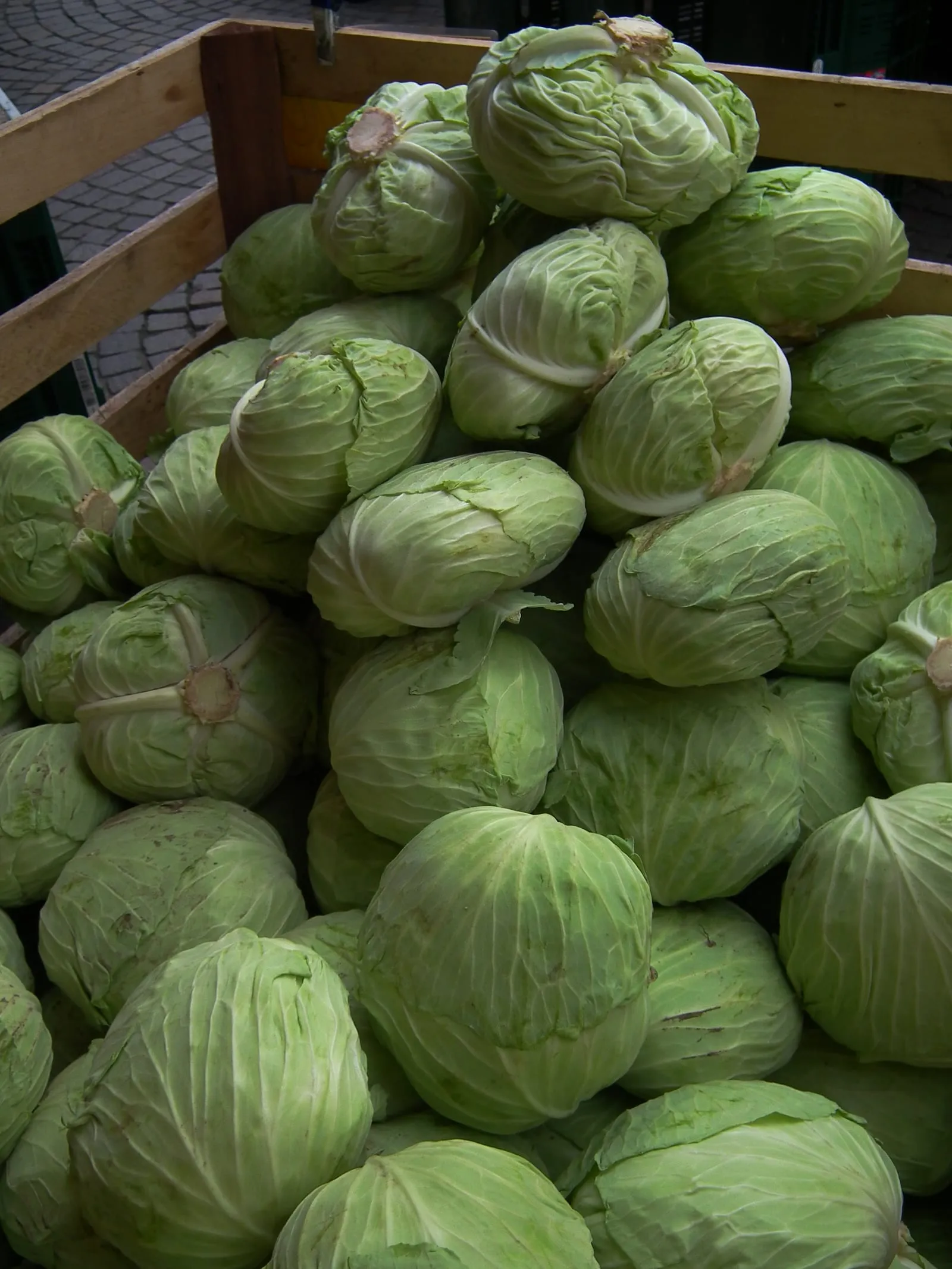
vegetable in zone 9a
Growing cabbage in zone 9a
Brassica oleracea var. capitata
- Zone
- 9a 20°F to 25°F
- Growing season
- 290 days
- Suitable varieties
- 0
- Days to harvest
- 60 to 100
The verdict
Cabbage is a cool-season brassica with no meaningful chill-hour requirement, so zone 9a's mild winters are an asset rather than a limitation. The crop does not need cold dormancy; it simply needs temperatures cool enough to develop heads without bolting. Zone 9a's 290-day growing season accommodates two full cool-season windows per year, fall through early winter and late winter through spring, making this a productive zone for cabbage rather than a marginal one.
The binding constraint is summer heat, not cold. Temperatures above 80°F consistently cause poor head formation and bolting, so cabbage cannot be treated as a year-round crop here the way it might be in zones 5 or 6. Growers who time plantings correctly will find zone 9a quite favorable; those who plant into the shoulder of summer will struggle regardless of variety.
Critical timing for zone 9a
Fall planting is the primary season in zone 9a. Transplants or direct-seeded starts going in during late August through October will develop through the cooler months and reach harvest between November and February. This window avoids both the summer heat that causes bolting and the rare hard freezes that can damage outer leaves.
A secondary spring planting is feasible if transplants go in by late January or early February, with harvest targeted before daytime highs consistently exceed 75°F in April or May. The zone's last frost typically falls between late December and early February in most 9a locations, so spring plantings face minimal frost risk but a tight window before heat arrives. Fall plantings generally produce larger, better-formed heads than spring plantings in this zone.
Common challenges in zone 9a
- ▸ Limited stone fruit options due to insufficient chill
- ▸ Hurricane and tropical storm exposure
- ▸ Citrus disease pressure
Disease pressure to watch for
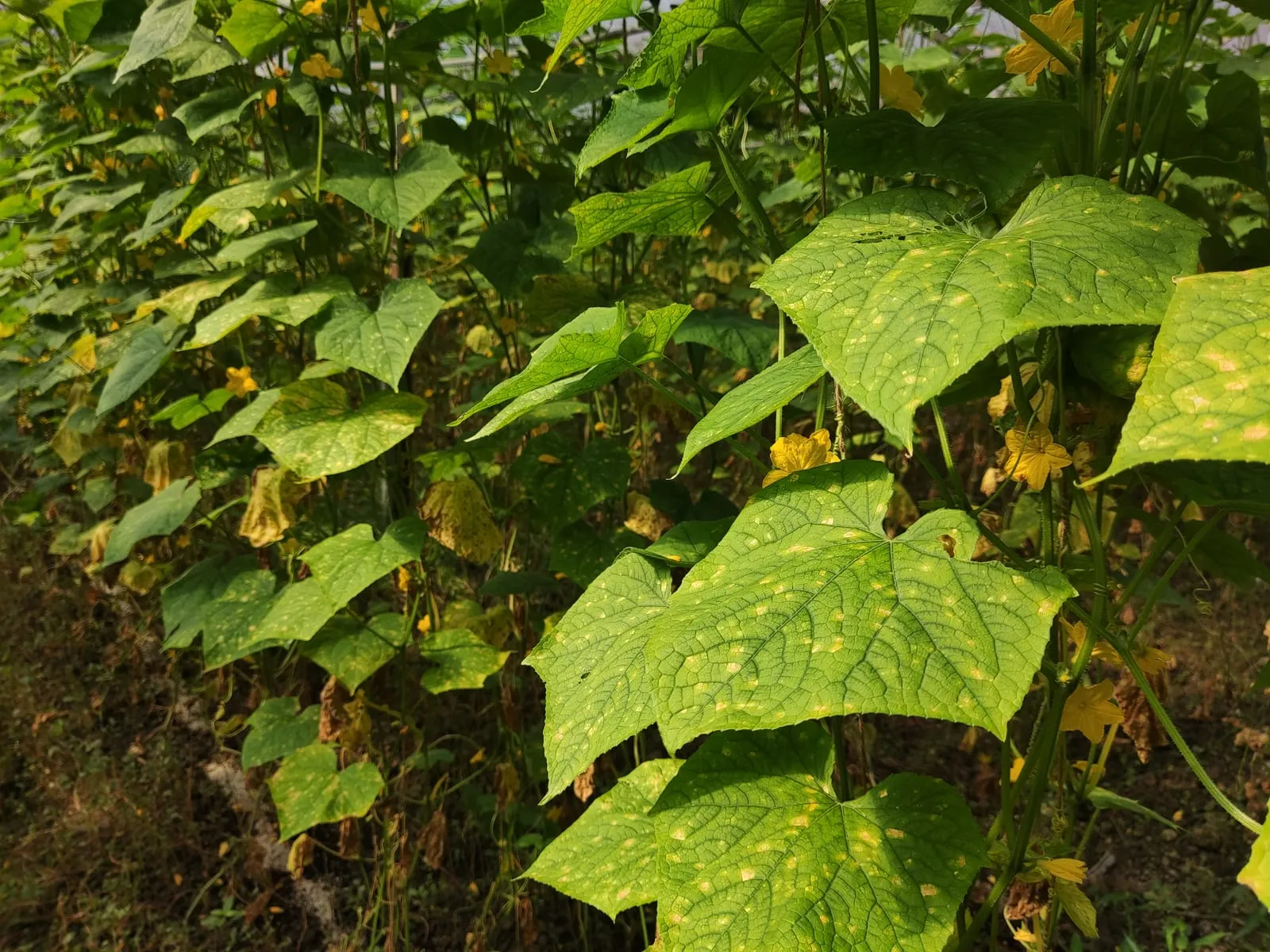
Pseudoperonospora cubensis (cucurbits) and others
Water mold (oomycete, not a true fungus) that thrives in cool damp conditions. Spreads rapidly through cucurbit and brassica plantings on wind-borne spores.
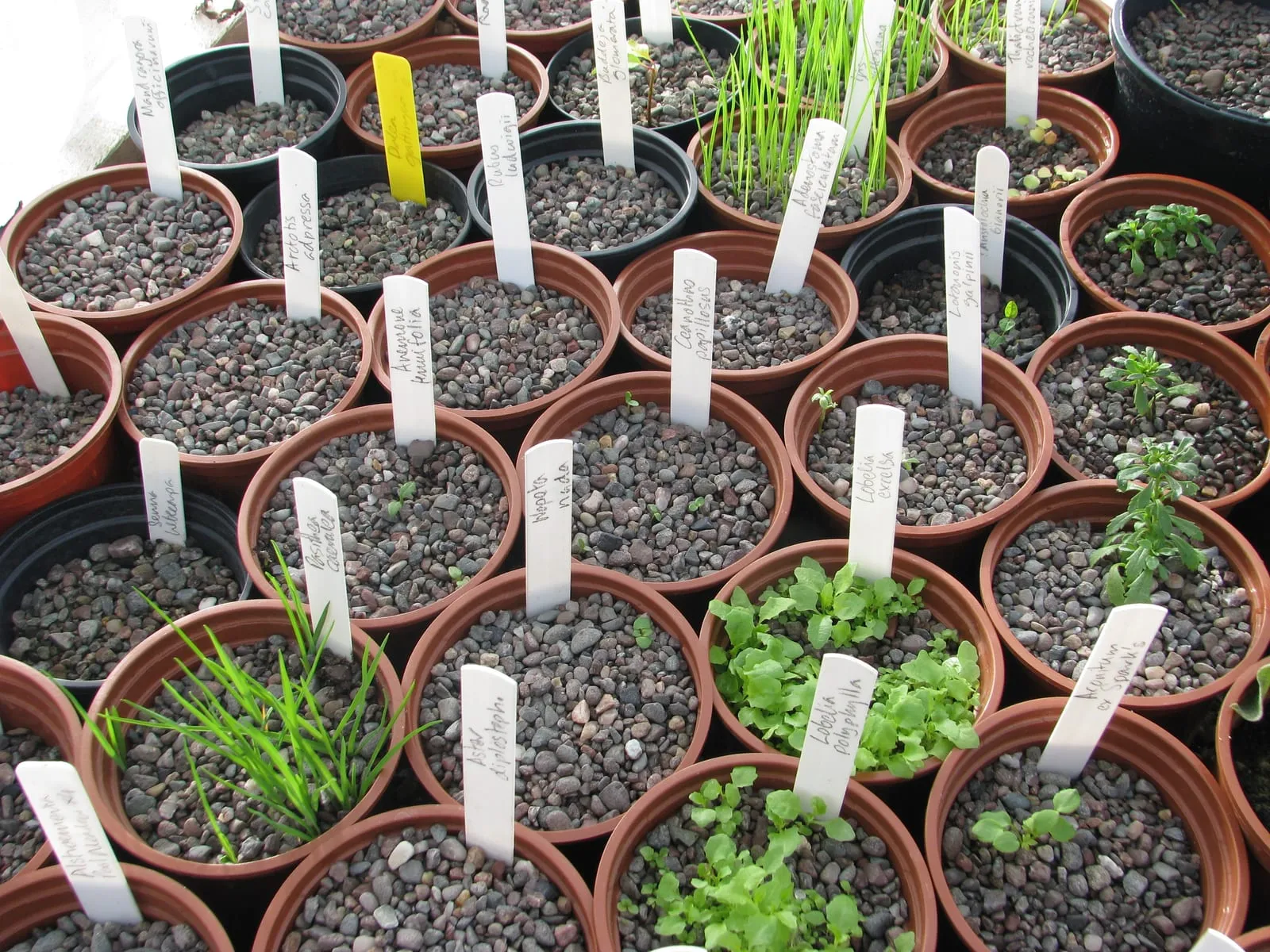
Pythium and Rhizoctonia species
Soil-borne complex of water molds and fungi that kill seedlings before or shortly after emergence. The single most common cause of seed-starting failures.
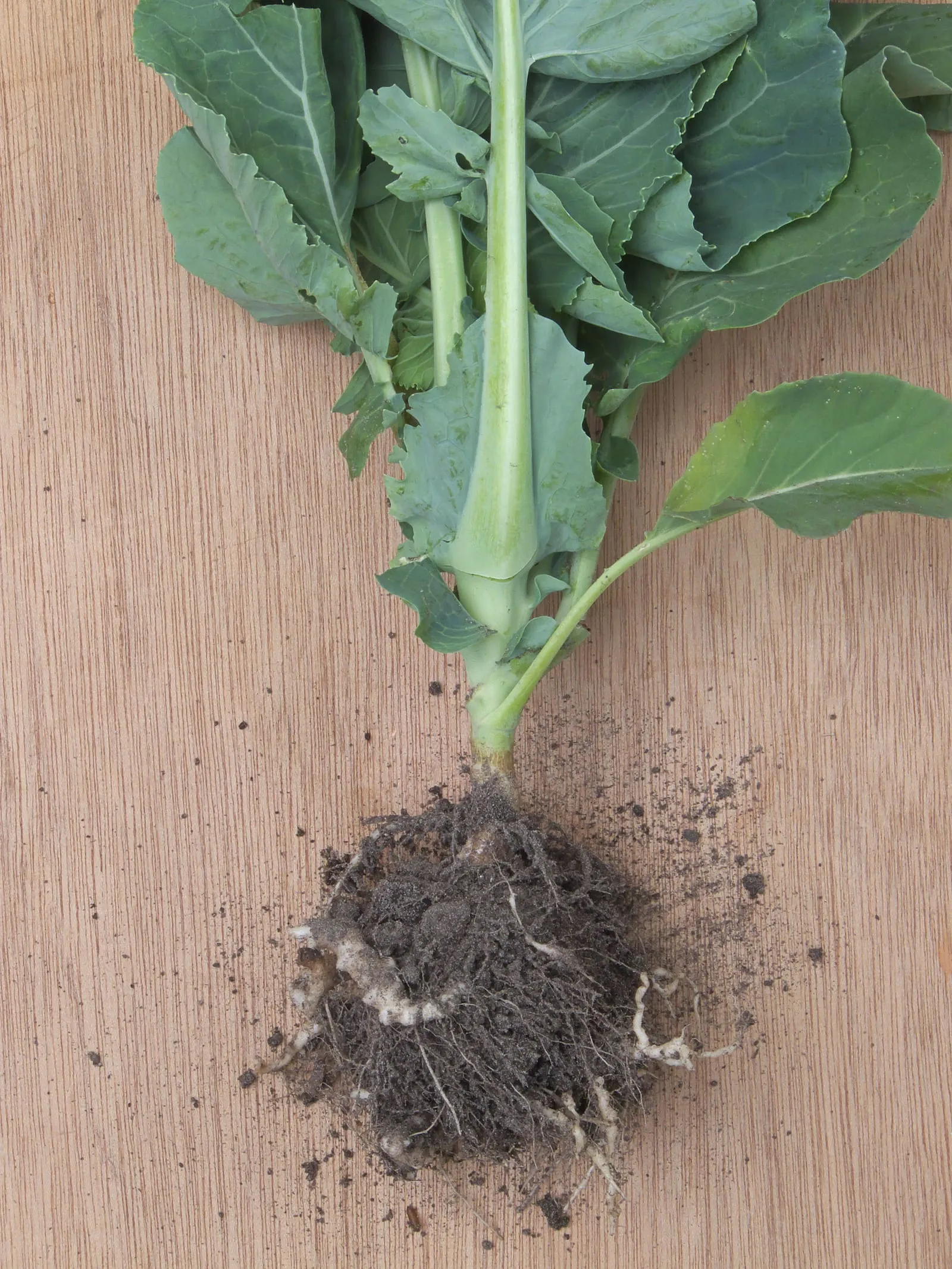
Plasmodiophora brassicae
Soil-borne disease causing characteristic distorted club-shaped roots on brassicas. Persists in soil for 10-20 years; the dominant brassica pathogen in acidic poorly-drained soils.
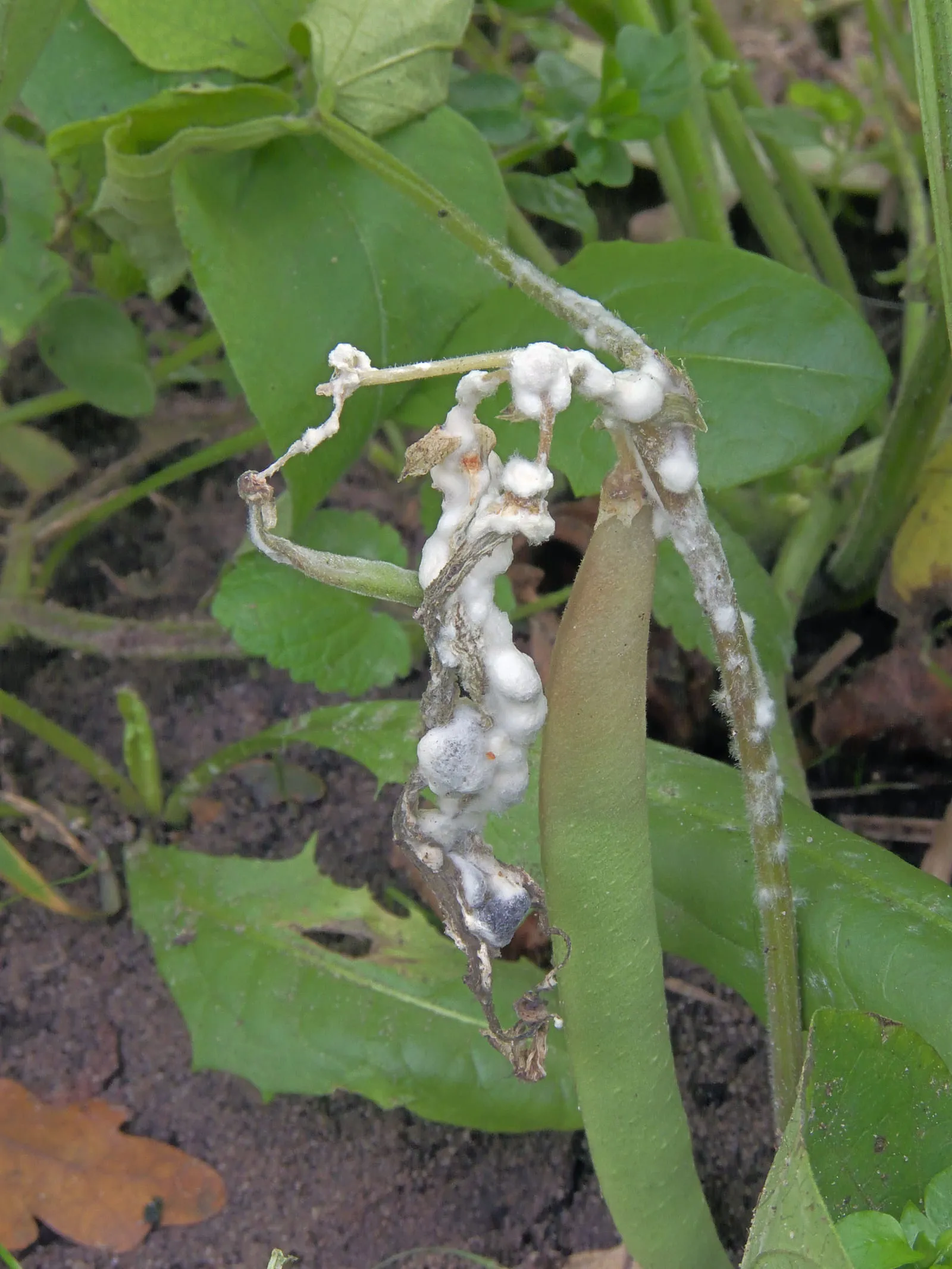
Sclerotinia sclerotiorum
Fungal disease that produces fluffy white mycelium on stems and lower leaves. Forms hard black sclerotia (resting bodies) that survive 5+ years in soil.
Modified care for zone 9a
The main adjustment in zone 9a is irrigation discipline during the fall establishment period, when temperatures are still warm and transplants face moisture stress. Consistent soil moisture during head formation is more critical here than in cooler zones because heat stress compounds any water deficit quickly.
Disease pressure from downy mildew and white mold increases in humid coastal 9a locations, particularly during the wet months of the cool season. Adequate plant spacing (18 inches or more) and avoiding overhead irrigation in the evenings will reduce incidence. Clubroot is a soilborne disease that persists for years; any field with a history of brassica crops should have soil pH raised to 7.2 or above before planting, as clubroot is substantially suppressed above that threshold. Rotating cabbage out of beds on a three-year cycle remains the most reliable prevention.
In hurricane-exposed 9a areas along the Gulf Coast and Atlantic coastal plain, fall plantings started in September are vulnerable to late-season storm damage; a mid-October start reduces that exposure without sacrificing much of the cool-season window.
Cabbage in adjacent zones
Image: "Weißkohl Brassica oleracea var. capitata 2011", by 4028mdk09, via Wikimedia Commons, licensed under CC-BY Source.

Related