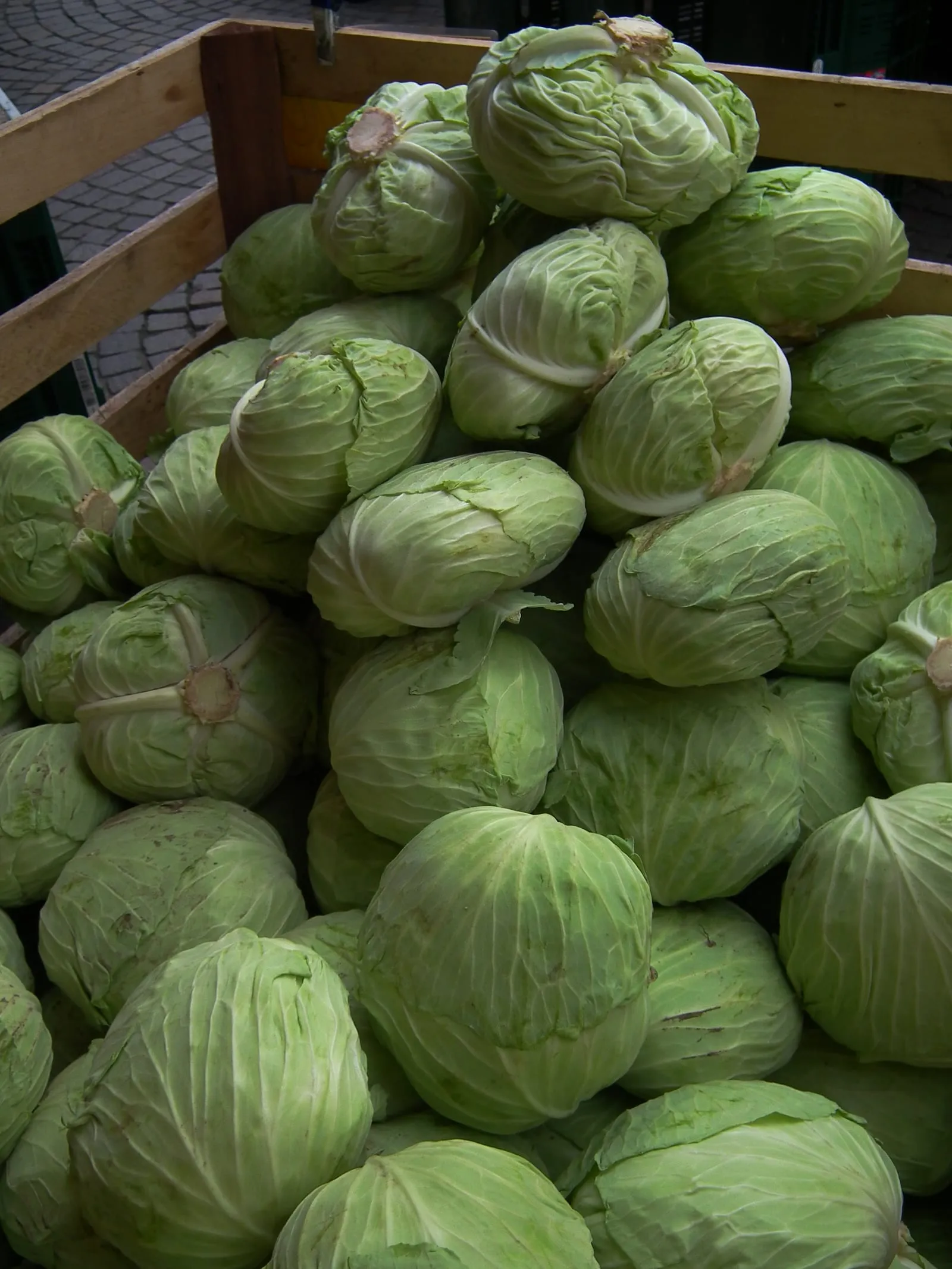
vegetable in zone 9b
Growing cabbage in zone 9b
Brassica oleracea var. capitata
- Zone
- 9b 25°F to 30°F
- Growing season
- 310 days
- Suitable varieties
- 0
- Days to harvest
- 60 to 100
The verdict
Zone 9b is a workable, even productive zone for cabbage, but the growing window is narrow compared to what cooler-zone gardeners experience. Unlike fruit trees, cabbage has no chill-hour requirement; it is a cool-season vegetable that performs best when daytime temperatures stay between 60 and 70°F and nights remain cool. Zone 9b winters meet that profile well, and the region's mild winter lows of 25 to 30°F pose little frost risk to established transplants.
The constraint is summer heat, not insufficient cold. Temperatures above 80°F cause heads to split, bolt prematurely, or fail to form at all. Any planting that runs into June or later is at risk. This is less a marginal zone than a zone with a shifted season: cabbage becomes a fall, winter, and early spring crop here rather than a spring-summer one. Growers who plan around that shift generally get reliable yields across a long window from October through April, backed by a 310-day growing season that provides plenty of scheduling flexibility.
Critical timing for zone 9b
The productive window for cabbage in zone 9b runs roughly October through April. For a fall harvest, transplants should go in the ground in late August or September, once nighttime temperatures reliably drop below 80°F. For a late-winter or early-spring harvest, transplanting from late October through January works well.
Cabbage does not bloom in the gardening sense; bolting (sending up a seed stalk) is what growers want to avoid. In zone 9b, bolting risk is highest when plants set out too early encounter lingering summer heat, or when mature heads sit in the ground too long into the warming spring. Targeting harvest before late April limits exposure to the rising temperatures that trigger bolting in most common varieties. Light frosts in the 28 to 32°F range are rarely damaging and can actually improve flavor by converting starches to sugars.
Common challenges in zone 9b
- ▸ Heat stress in summer
- ▸ Insufficient chill for most apples
- ▸ Salt spray near coasts
Disease pressure to watch for
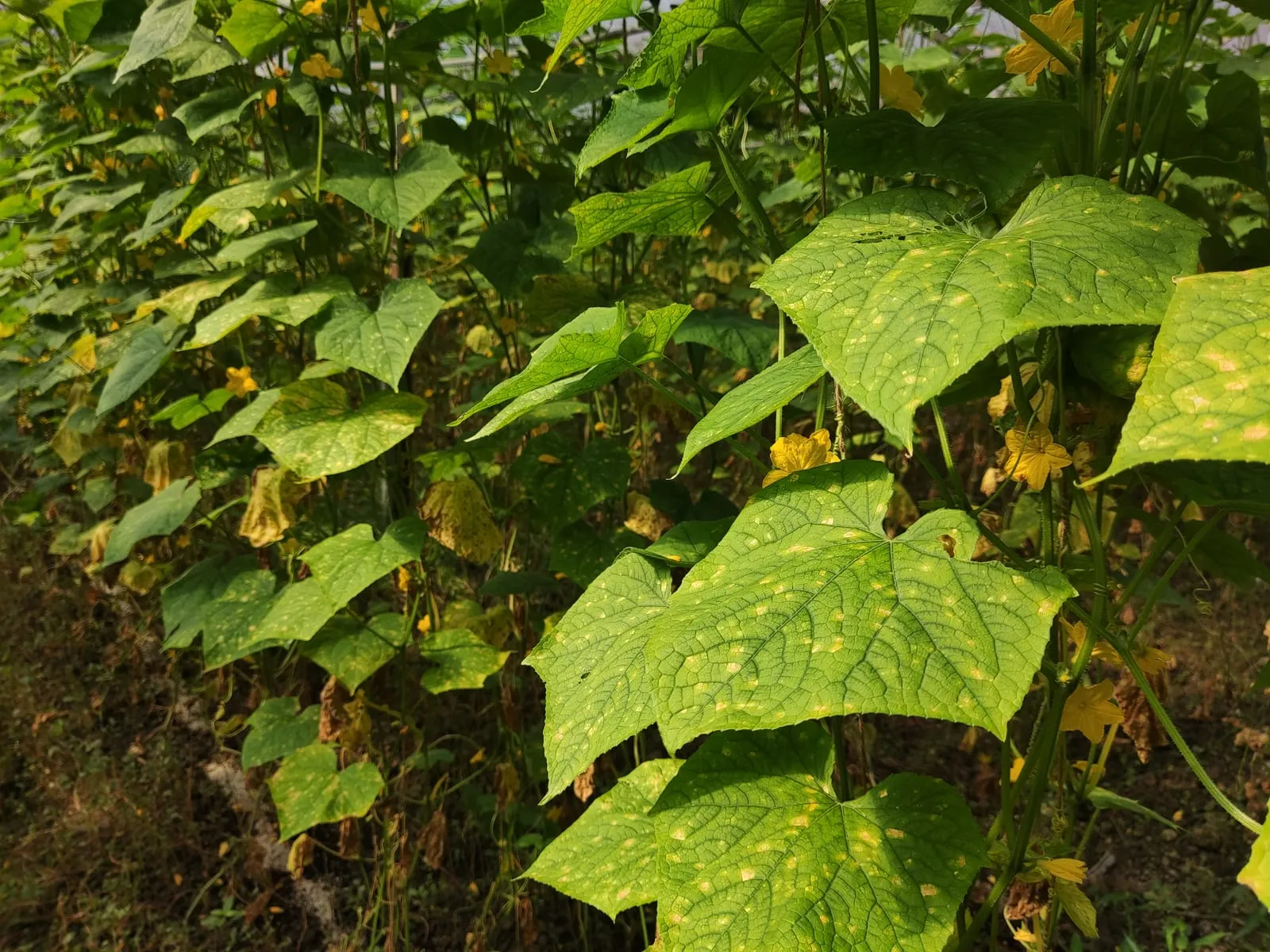
Pseudoperonospora cubensis (cucurbits) and others
Water mold (oomycete, not a true fungus) that thrives in cool damp conditions. Spreads rapidly through cucurbit and brassica plantings on wind-borne spores.
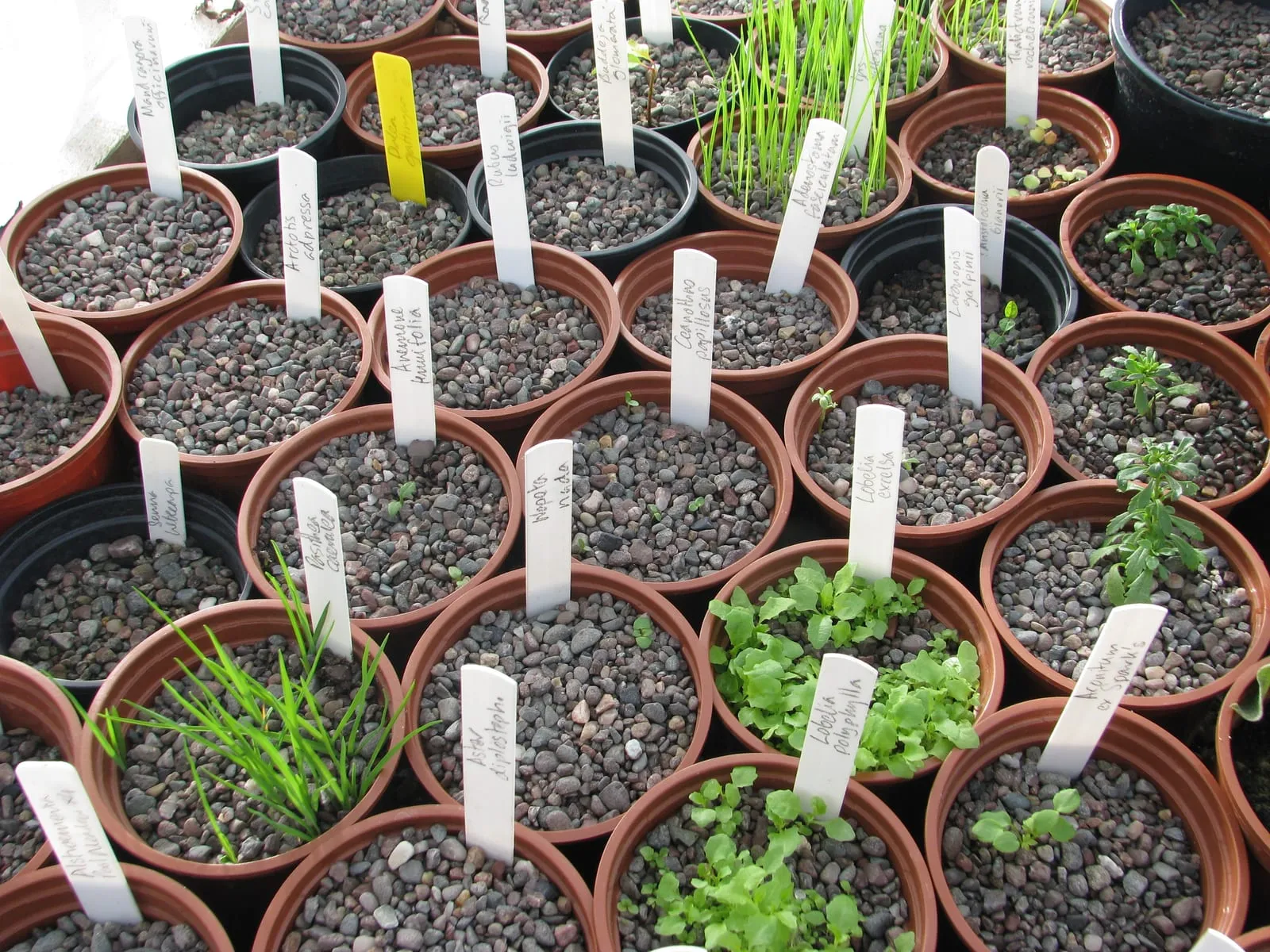
Pythium and Rhizoctonia species
Soil-borne complex of water molds and fungi that kill seedlings before or shortly after emergence. The single most common cause of seed-starting failures.
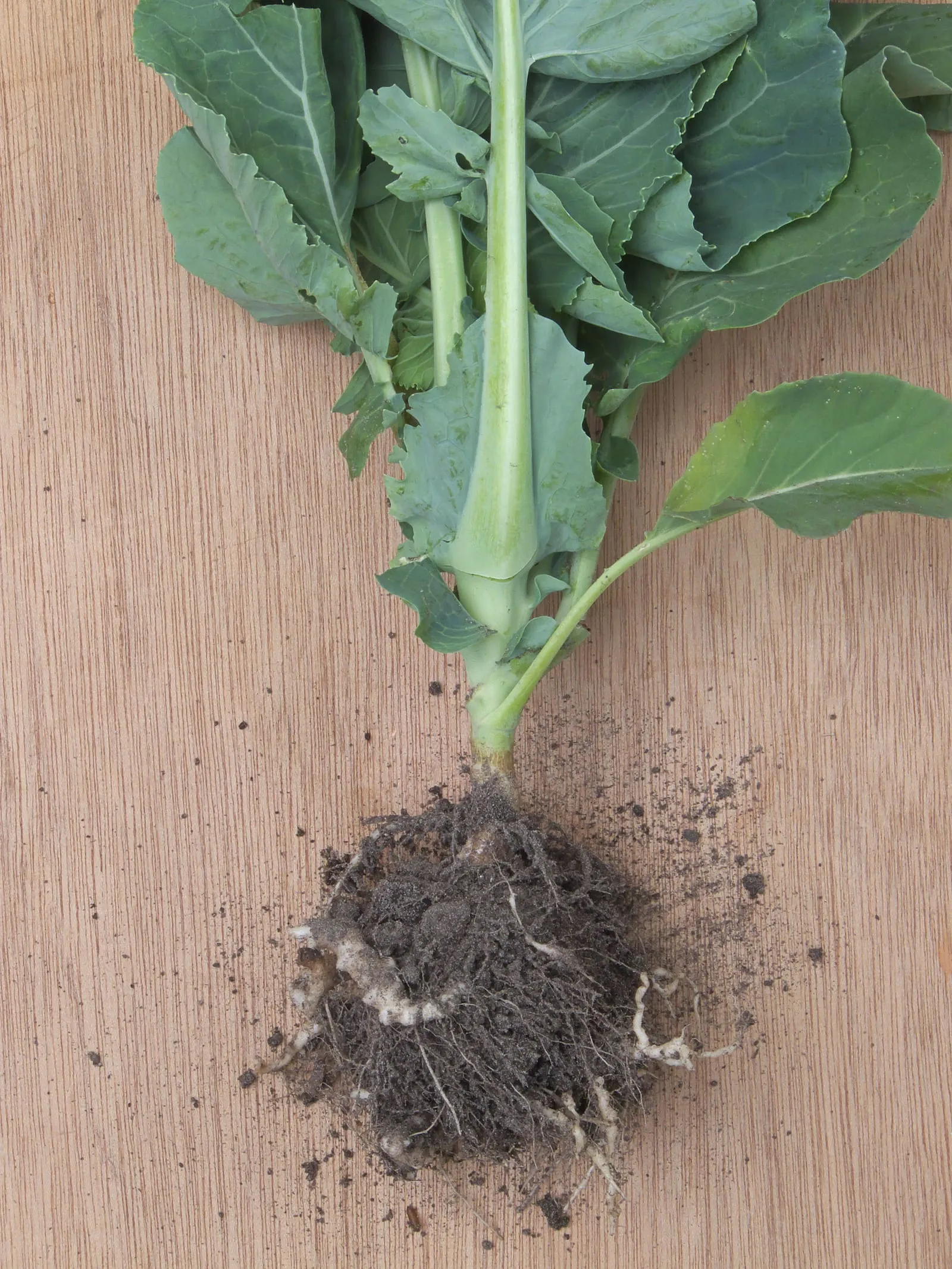
Plasmodiophora brassicae
Soil-borne disease causing characteristic distorted club-shaped roots on brassicas. Persists in soil for 10-20 years; the dominant brassica pathogen in acidic poorly-drained soils.
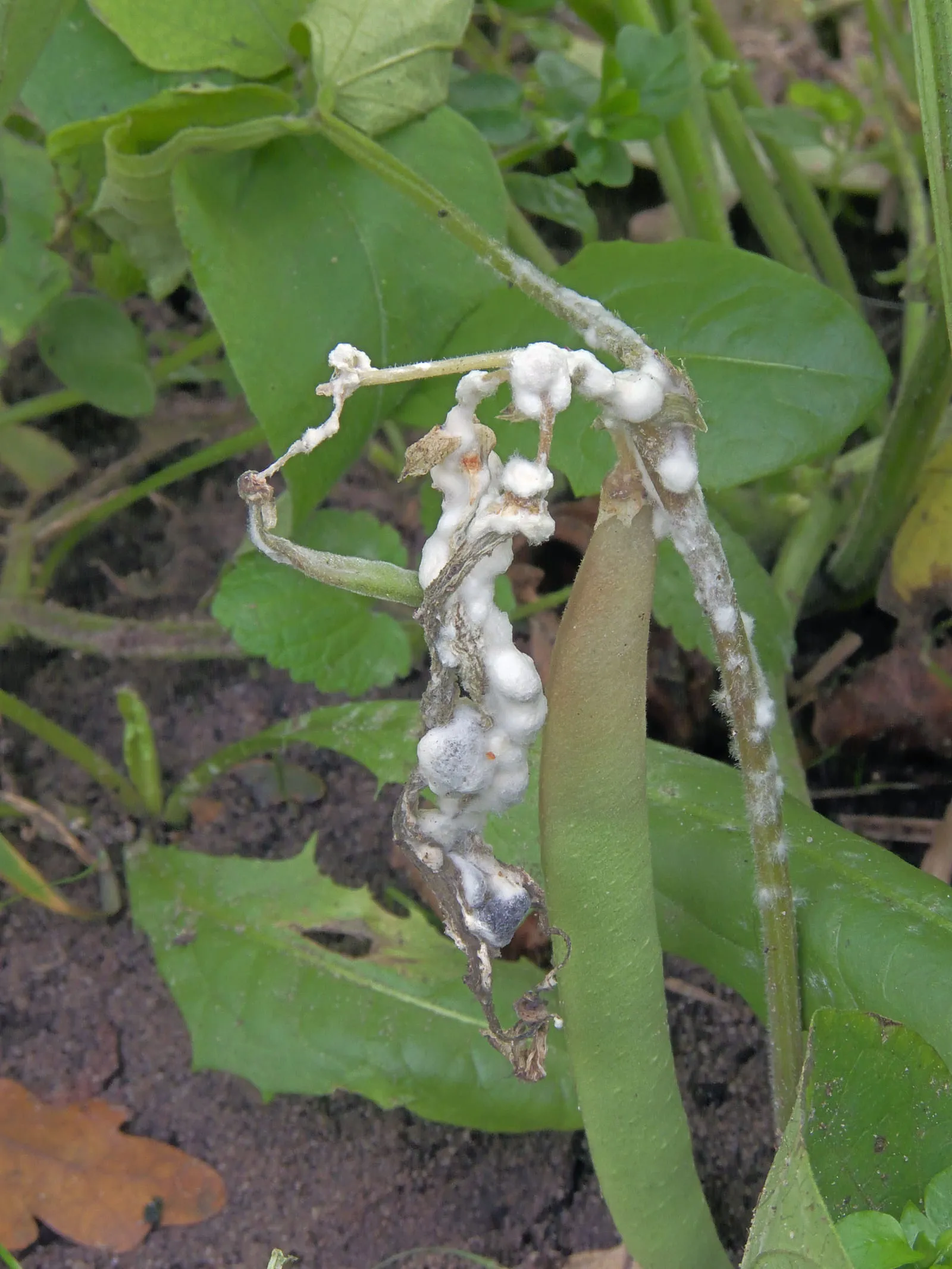
Sclerotinia sclerotiorum
Fungal disease that produces fluffy white mycelium on stems and lower leaves. Forms hard black sclerotia (resting bodies) that survive 5+ years in soil.
Modified care for zone 9b
The primary adaptation in zone 9b is scheduling. Getting transplants established during the late-summer to early-fall window, and harvesting before spring warming accelerates, takes priority over most other technique adjustments.
Disease pressure from downy mildew and clubroot is elevated during the cool, wet winters common in zone 9b valleys and coastal areas. Downy mildew spreads readily in humid, overcast conditions; spacing plants at least 18 inches apart to improve airflow helps reduce incidence. Clubroot persists in acidic soils and has no chemical cure once established; maintaining soil pH above 7.0 through lime applications is the most reliable preventive measure. White mold (Sclerotinia) can develop in wet seasons; avoiding overhead irrigation and removing crop debris promptly after harvest reduces carryover inoculum.
Near the coast, salt spray can cause marginal leaf burn on outer wrapper leaves. Inner heads are typically unaffected and edible.
Frequently asked questions
- Can cabbage survive summer in zone 9b?
No. Zone 9b summers regularly exceed 90°F, which is well above the threshold at which cabbage heads split, bolt, or fail to form. Cabbage should be treated strictly as a cool-season crop in this zone, grown from fall through early spring and harvested before late April.
- Does cabbage need cold winters to produce well in zone 9b?
Cabbage has no chill-hour requirement, unlike deciduous fruit trees. It needs cool temperatures during the growing period (roughly 45 to 75°F), which zone 9b winters reliably provide. The crop does not need a hard freeze to develop or head up.
- What is the biggest disease risk for cabbage in zone 9b?
Clubroot is the most serious long-term threat because it persists in soil for decades. Keeping soil pH above 7.0 with lime is the primary management tool. Downy mildew is a common seasonal problem during wet winters; improved plant spacing and drip irrigation (rather than overhead watering) reduce its impact.
- When should cabbage transplants go in the ground in zone 9b?
For a fall and winter harvest, set transplants out in late August or September. For a late-winter or spring harvest, plant from late October through January. Direct seeding is possible but transplants give more predictable results, especially for the narrow fall planting window.
+−
+−
+−
+−
Cabbage in adjacent zones
Image: "Weißkohl Brassica oleracea var. capitata 2011", by 4028mdk09, via Wikimedia Commons, licensed under CC-BY Source.

Related