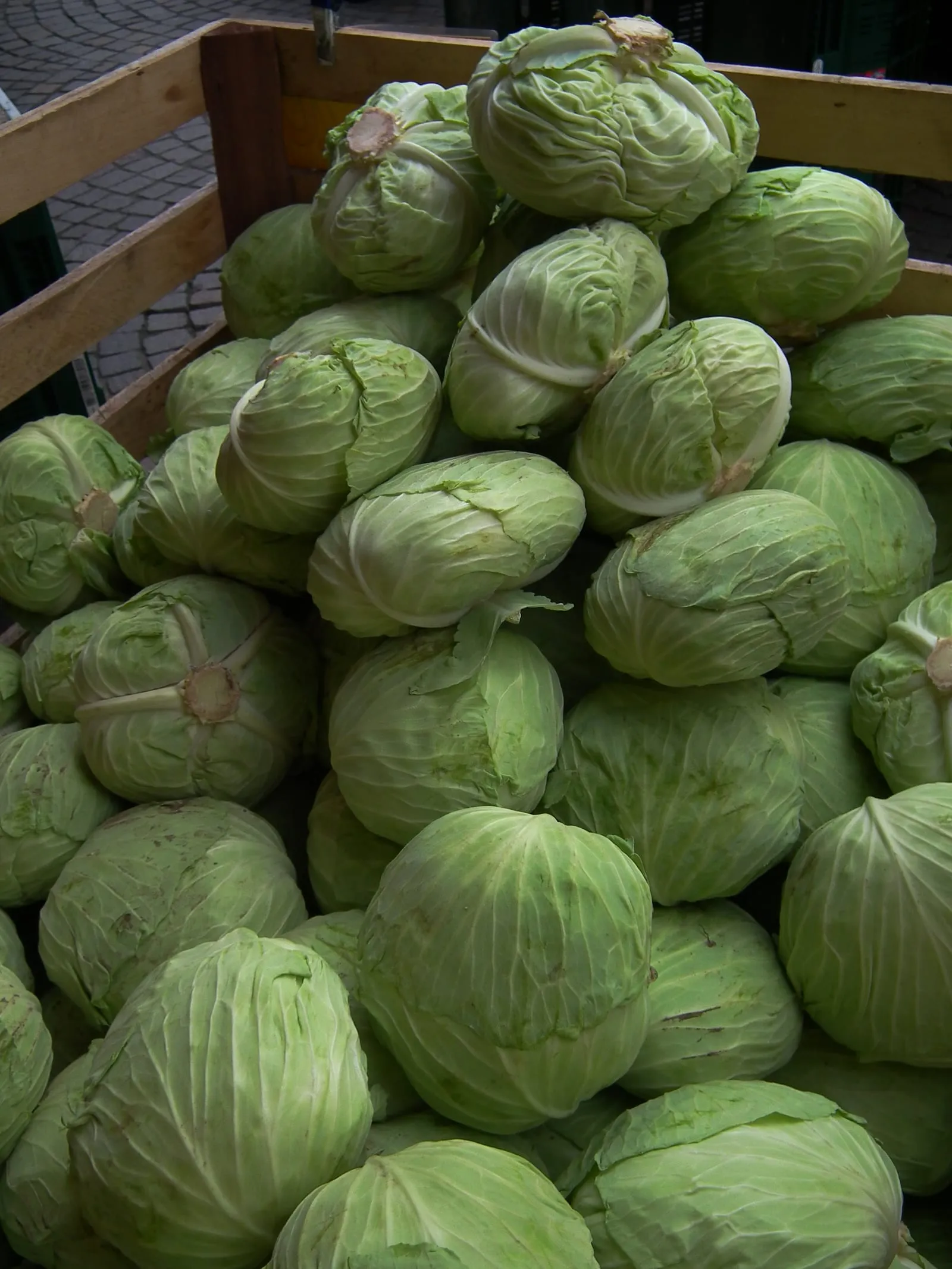
vegetable in zone 7a
Growing cabbage in zone 7a
Brassica oleracea var. capitata
- Zone
- 7a 0°F to 5°F
- Growing season
- 210 days
- Suitable varieties
- 3
- Days to harvest
- 60 to 100
The verdict
Zone 7a is a reliable fit for cabbage, not a marginal one. Unlike deciduous fruit trees, cabbage has no chill-hour requirement. Performance depends on cool air temperatures (ideally 60 to 65°F) and sufficient shoulder-season length to mature heads before summer heat arrives or after it breaks. Zone 7a's 210-day growing season delivers two distinct cool windows, one in spring and a longer, more forgiving one in fall.
Early Jersey Wakefield (roughly 63 days to maturity), Savoy King, and Red Acre are all well-matched to this zone. The real limitation is the hot, humid summer between those windows, which makes midsummer cabbage impractical and heightens pressure from Downy Mildew and White Mold. Growers who plan around that heat gap, rather than fighting it, will find zone 7a consistently productive for cabbage.
Recommended varieties for zone 7a
3 cultivars suited to this zone, with disease-resistance and zone-fit annotations.
| Variety | Notes | Zone fit | Disease resistance |
|---|---|---|---|
| Early Jersey Wakefield fits zone 7a | Sweet, mild, tender; pointed conical heads. Slaw, fresh, sauerkraut. Heritage early variety (60 days), excellent for spring planting. | | none noted |
| Savoy King fits zone 7a | Mild, tender, crinkled-leaf elegance; the Savoy cabbage with frilled blue-green leaves. Stir-fries, stuffed leaves, fresh. More cold-tolerant than smooth-leaf types. | | none noted |
| Red Acre fits zone 7a | Sweet-tart, crisp, deep magenta; the standard red home-garden cabbage. Slaw, pickling, fresh. Productive, holds shape, good storage. | | none noted |
Critical timing for zone 7a
Last frost in zone 7a typically falls between late March and mid-April, depending on local elevation and proximity to urban heat. Spring transplants go in 4 to 6 weeks before that date, with seeds started indoors 6 to 8 weeks earlier. Early maturing varieties like Early Jersey Wakefield can be harvested before peak summer heat in June.
Fall crops are often more reliable. Count back 10 to 12 weeks from first fall frost (typically late October to early November in zone 7a) to set a transplant date, which usually lands in early to mid-August. Heads that mature after the first light frosts of October tend to be tighter and sweeter. A 210-day season gives enough room for both crops if timing is managed deliberately.
Common challenges in zone 7a
- ▸ Cedar-apple rust
- ▸ Brown rot
- ▸ Fire blight
- ▸ High humidity disease pressure
Disease pressure to watch for
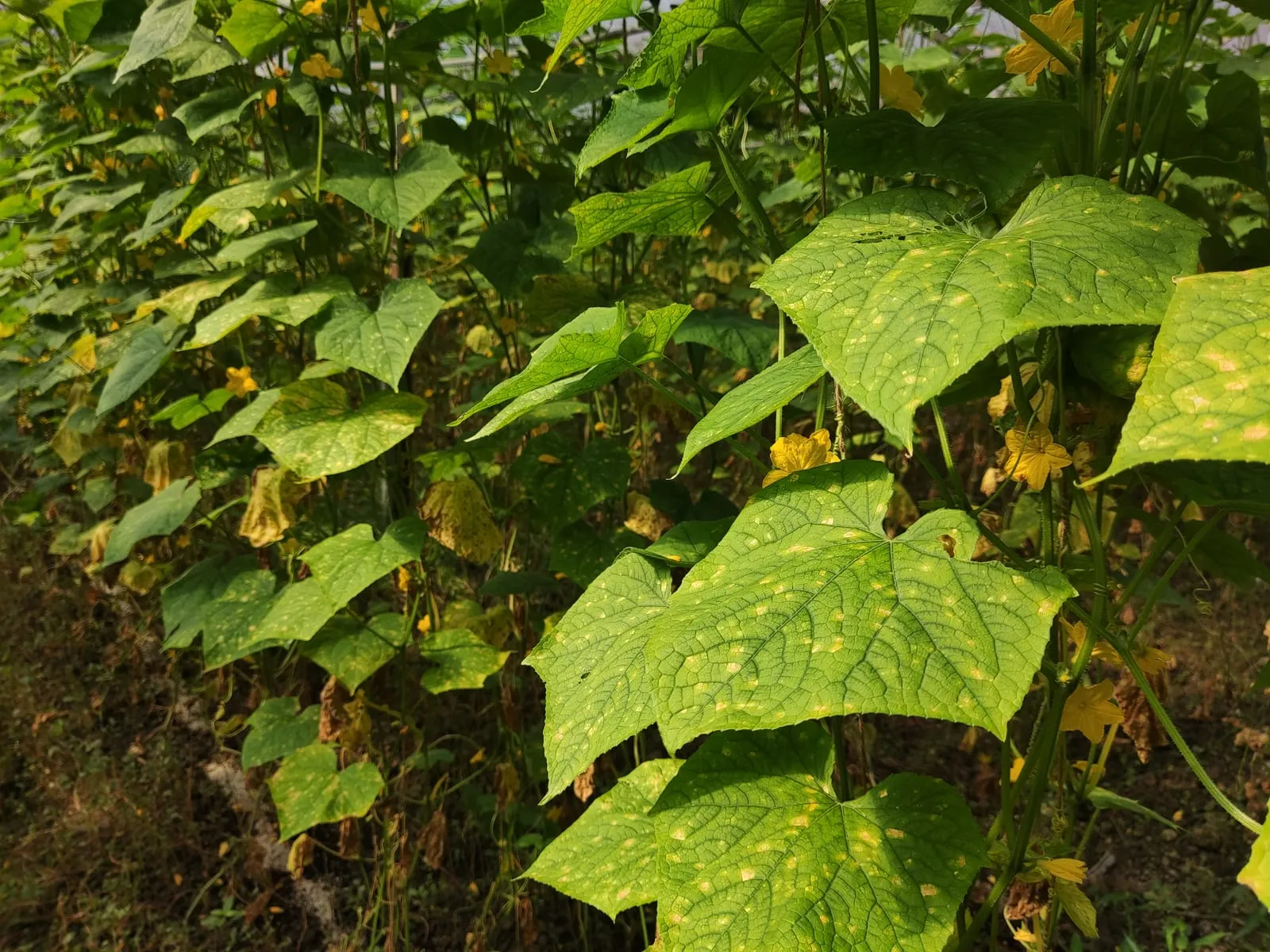
Pseudoperonospora cubensis (cucurbits) and others
Water mold (oomycete, not a true fungus) that thrives in cool damp conditions. Spreads rapidly through cucurbit and brassica plantings on wind-borne spores.
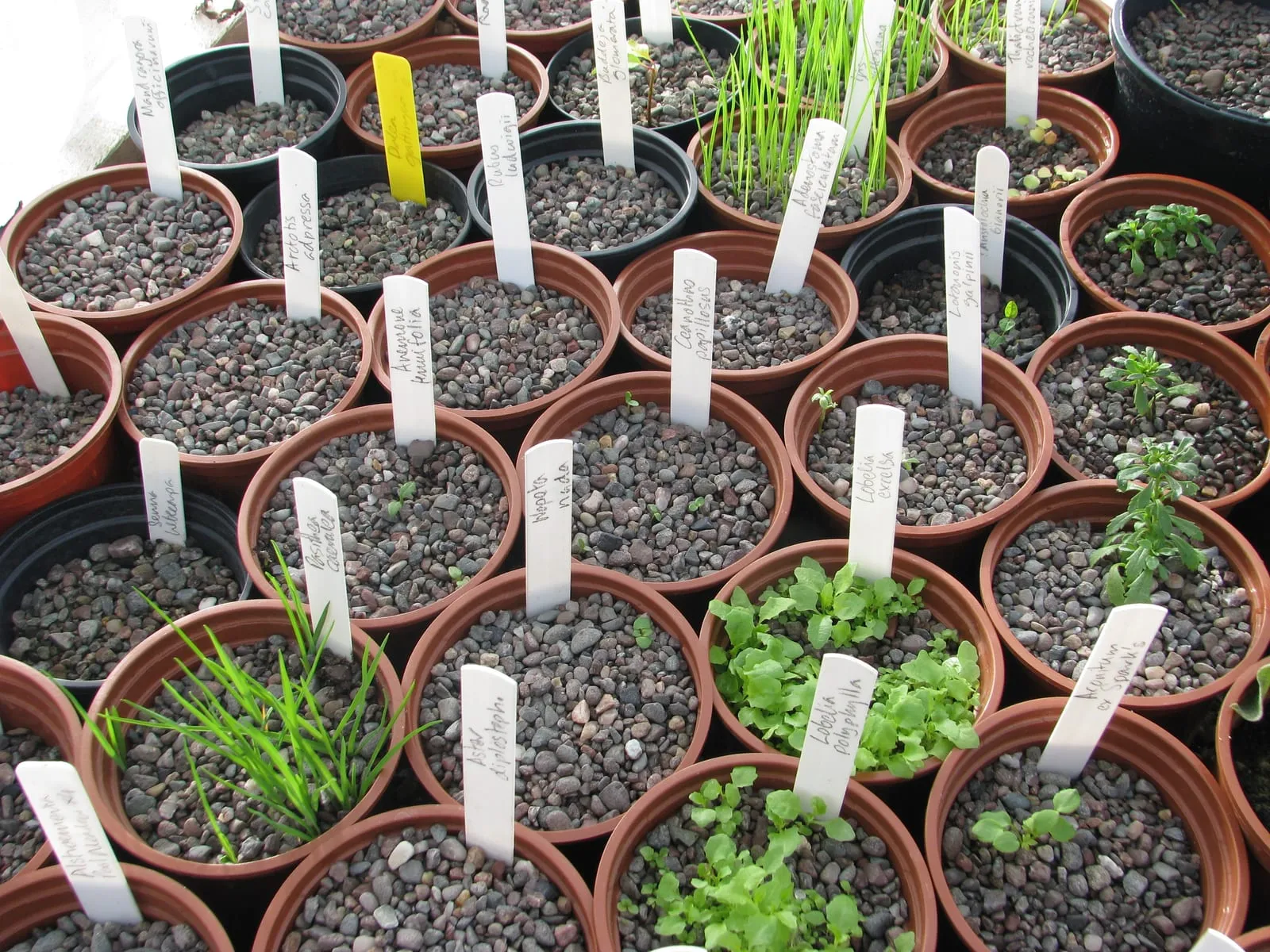
Pythium and Rhizoctonia species
Soil-borne complex of water molds and fungi that kill seedlings before or shortly after emergence. The single most common cause of seed-starting failures.
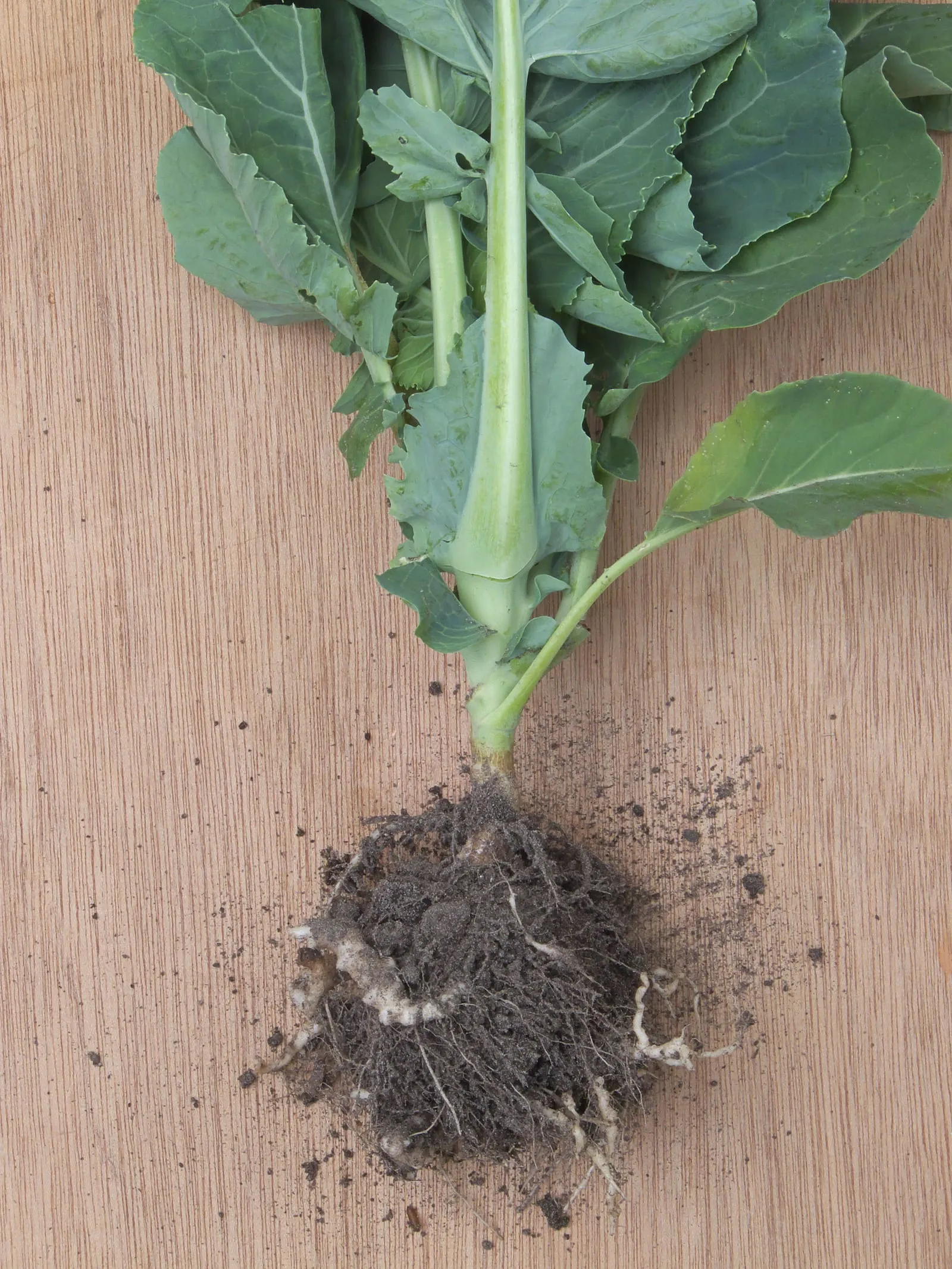
Plasmodiophora brassicae
Soil-borne disease causing characteristic distorted club-shaped roots on brassicas. Persists in soil for 10-20 years; the dominant brassica pathogen in acidic poorly-drained soils.
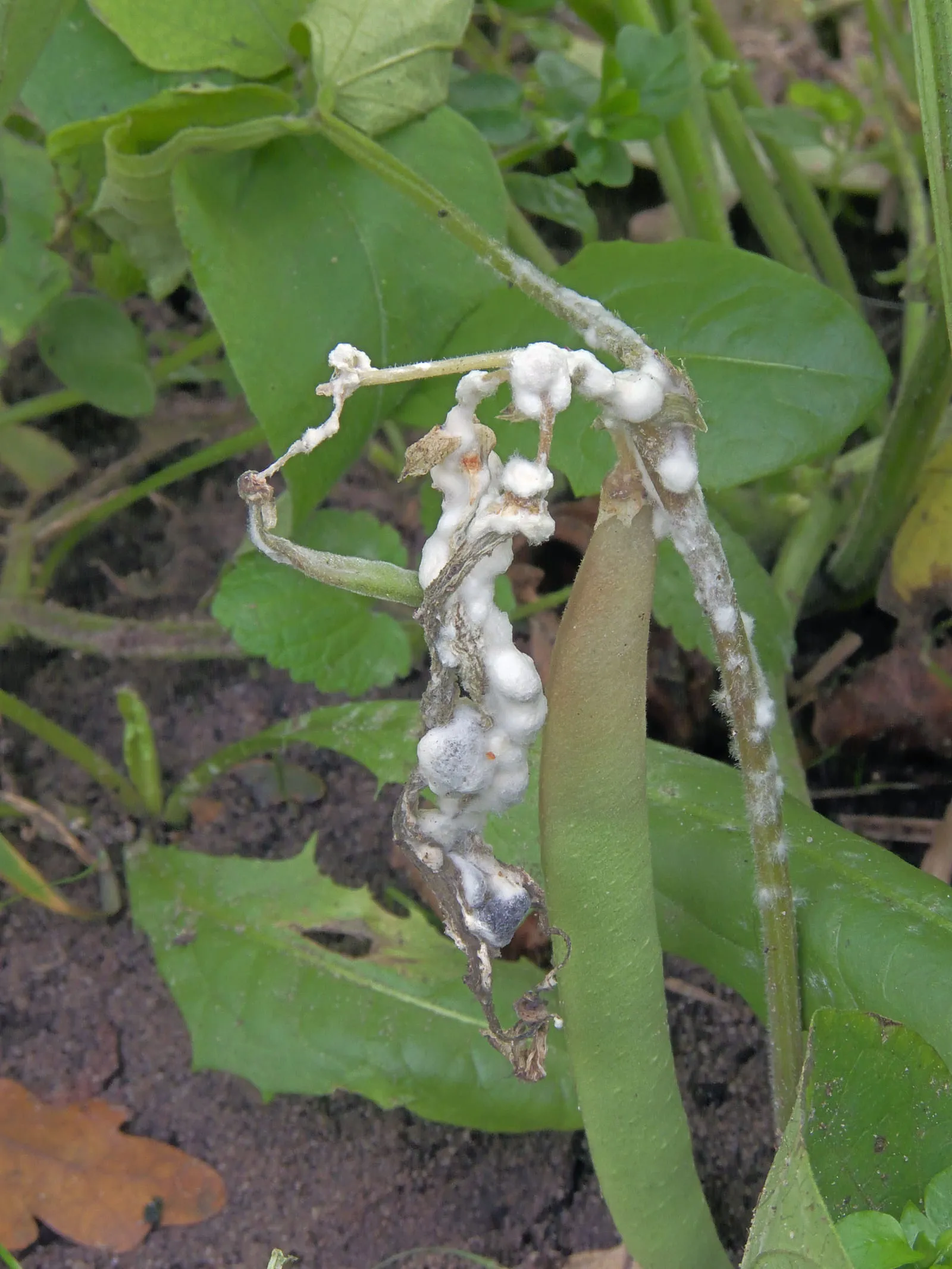
Sclerotinia sclerotiorum
Fungal disease that produces fluffy white mycelium on stems and lower leaves. Forms hard black sclerotia (resting bodies) that survive 5+ years in soil.
Modified care for zone 7a
The primary adaptation in zone 7a is timing management, not climate extremes. Spring crops pushed too late mature during June heat, which encourages splitting and opens heads to White Mold. Sticking to early-maturing varieties for spring and harvesting promptly avoids most of this.
Fall transplants go in during August heat, requiring consistent irrigation at establishment. Light shade cloth for the first week after transplanting reduces wilting stress. Once established, plants need no unusual protection through fall; zone 7a winters are not cold enough to kill overwintered cabbage, though hard freezes below about 20°F can damage exposed heads.
High humidity from June through September raises Downy Mildew and White Mold pressure across both crops. Wider plant spacing (18 inches rather than 12) improves airflow. Clubroot, which persists in acidic soils, is managed by maintaining soil pH between 6.5 and 6.8 and rotating brassicas on a minimum 3-year cycle.
Frequently asked questions
- Can cabbage survive winter in zone 7a?
Hardened cabbage plants can tolerate temperatures down to about 20°F, which zone 7a can exceed in a cold snap. Fall-harvested heads store well in a cool location. Leaving heads in the ground through December is possible in mild winters but risky in colder zone 7a microclimates, particularly at elevation.
- Is a fall or spring crop more reliable in zone 7a?
Fall crops tend to outperform spring crops in zone 7a. The cooling trend from August through November gives heads more time to develop without heat stress, and post-frost flavor is noticeably better. Spring crops succeed but require precise timing to avoid June heat.
- What causes cabbage heads to split in zone 7a?
Splitting usually follows irregular moisture or a heat spike after the head has fully formed. In zone 7a, this happens most often with spring crops that mature in late May or June. Harvesting promptly at maturity and maintaining consistent soil moisture through the heading period are the most effective preventive steps.
- How do I manage Clubroot in zone 7a?
Clubroot is a soilborne pathogen that persists for years. Raising soil pH to 6.5 to 6.8 with agricultural lime at least a month before planting reduces infection pressure. Rotating brassicas (cabbage, broccoli, kale, turnips) on a 3-year cycle prevents pathogen buildup. There is no effective in-season treatment once plants are infected.
+−
+−
+−
+−
Cabbage in adjacent zones
Image: "Weißkohl Brassica oleracea var. capitata 2011", by 4028mdk09, via Wikimedia Commons, licensed under CC-BY Source.

Related