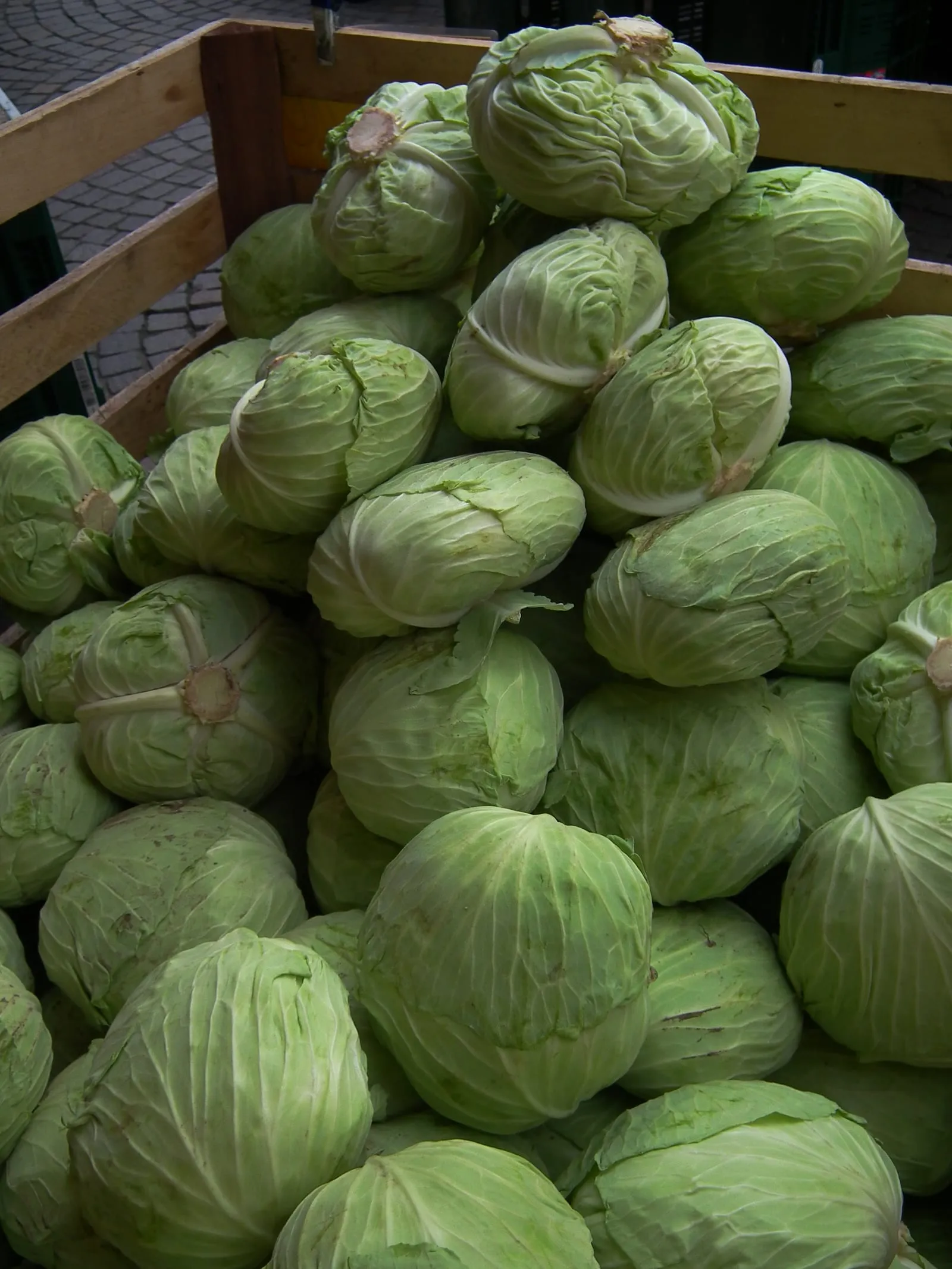
vegetable in zone 6b
Growing cabbage in zone 6b
Brassica oleracea var. capitata
- Zone
- 6b -5°F to 0°F
- Growing season
- 190 days
- Suitable varieties
- 4
- Days to harvest
- 60 to 100
The verdict
Zone 6b is solidly within cabbage's preferred growing range. Cabbage is a cool-season brassica and carries no chill-hour requirement the way tree fruits do; what it needs is cool soil and air temperatures, generally 45 to 75°F, for compact, dense head formation. Zone 6b's 190-day growing season is more than sufficient for two crops: one spring and one fall.
Brunswick and Early Jersey Wakefield are early-maturing types well matched to the compressed spring window before summer heat sets in. Savoy King and Red Acre perform well across both seasons. Where zone 6b growers hold an advantage over warmer zones is in fall cropping: the gradual cool-down from September through October sweetens heads and slows bolting, often producing better quality than the spring harvest. Zone 6b is not a marginal zone for cabbage; it is a productive one.
Recommended varieties for zone 6b
4 cultivars suited to this zone, with disease-resistance and zone-fit annotations.
| Variety | Notes | Zone fit | Disease resistance |
|---|---|---|---|
| Brunswick fits zone 6b | Sweet, dense, classic flavor; large flat-headed German storage cabbage. Sauerkraut, slaw, soups. Heritage open-pollinated, holds in the field, stores 3-4 months. | | none noted |
| Early Jersey Wakefield fits zone 6b | Sweet, mild, tender; pointed conical heads. Slaw, fresh, sauerkraut. Heritage early variety (60 days), excellent for spring planting. | | none noted |
| Savoy King fits zone 6b | Mild, tender, crinkled-leaf elegance; the Savoy cabbage with frilled blue-green leaves. Stir-fries, stuffed leaves, fresh. More cold-tolerant than smooth-leaf types. | | none noted |
| Red Acre fits zone 6b | Sweet-tart, crisp, deep magenta; the standard red home-garden cabbage. Slaw, pickling, fresh. Productive, holds shape, good storage. | | none noted |
Critical timing for zone 6b
For spring cabbage in zone 6b, transplants typically go into the ground 3 to 5 weeks before the last frost date, which falls around late April across most of the zone. Starting seeds indoors 6 to 8 weeks before transplant date puts germination in late February to early March. Harvest for early varieties such as Early Jersey Wakefield runs late May through June; heavier storage types like Brunswick reach maturity in late June or early July.
Fall cabbage is started from seed in late June to mid-July, with transplants going out in July or early August. Most varieties need 70 to 100 days from transplant to harvest, so the goal is landing heads at full size in September through mid-October, before the first hard freeze, which arrives in zone 6b roughly mid-October.
Common challenges in zone 6b
- ▸ Cedar-apple rust
- ▸ Fire blight
- ▸ Stink bugs
Disease pressure to watch for
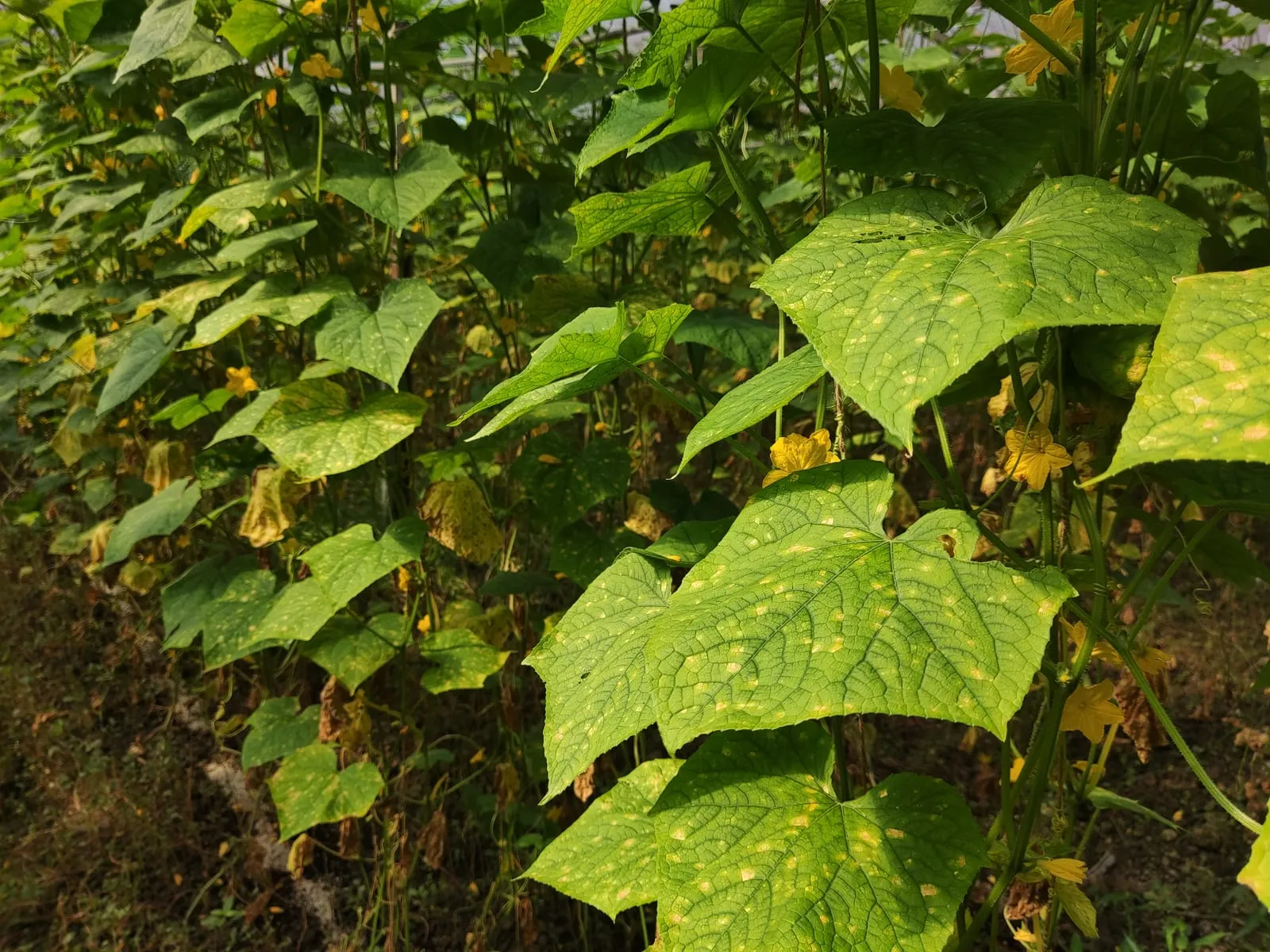
Pseudoperonospora cubensis (cucurbits) and others
Water mold (oomycete, not a true fungus) that thrives in cool damp conditions. Spreads rapidly through cucurbit and brassica plantings on wind-borne spores.
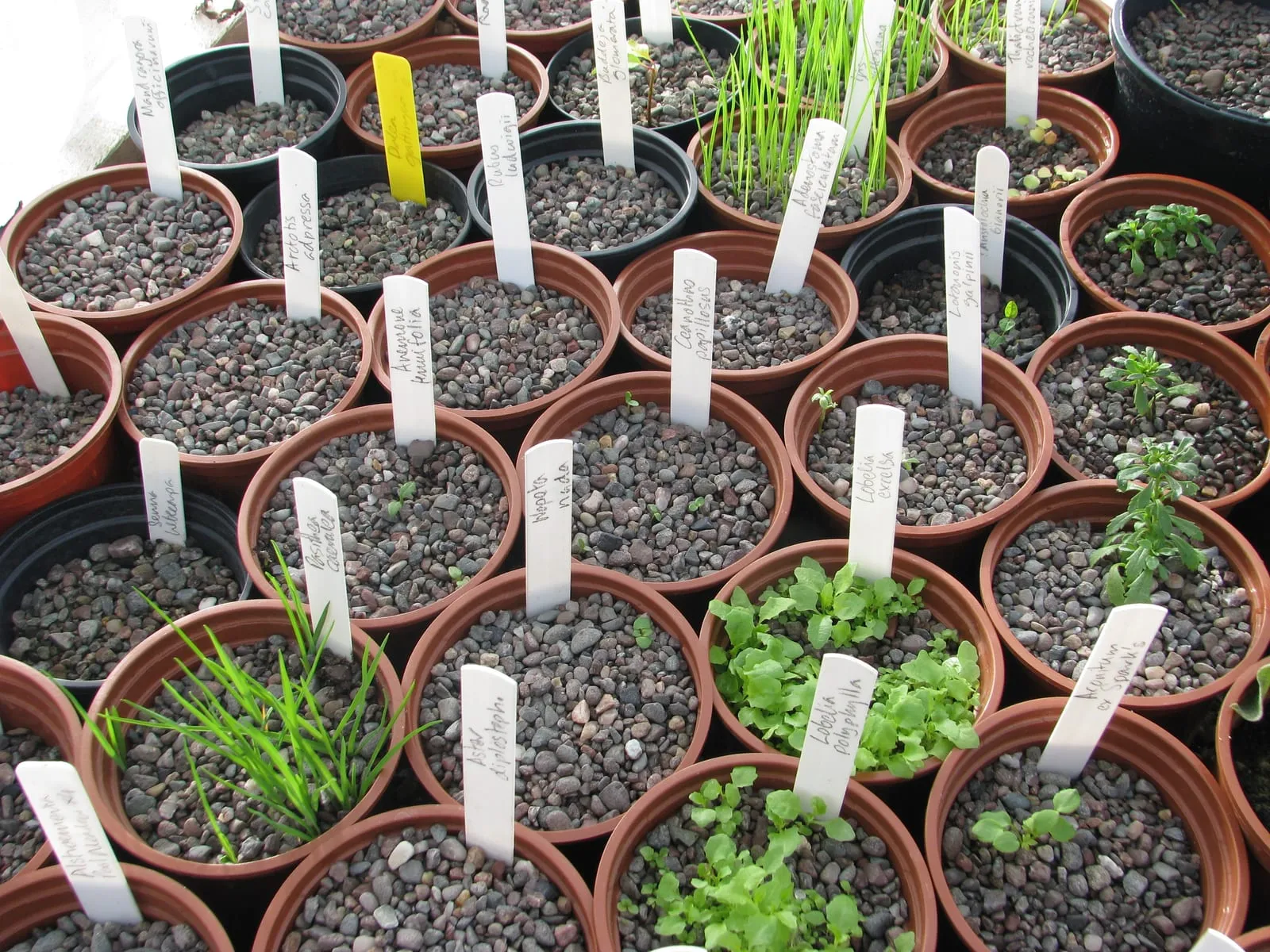
Pythium and Rhizoctonia species
Soil-borne complex of water molds and fungi that kill seedlings before or shortly after emergence. The single most common cause of seed-starting failures.
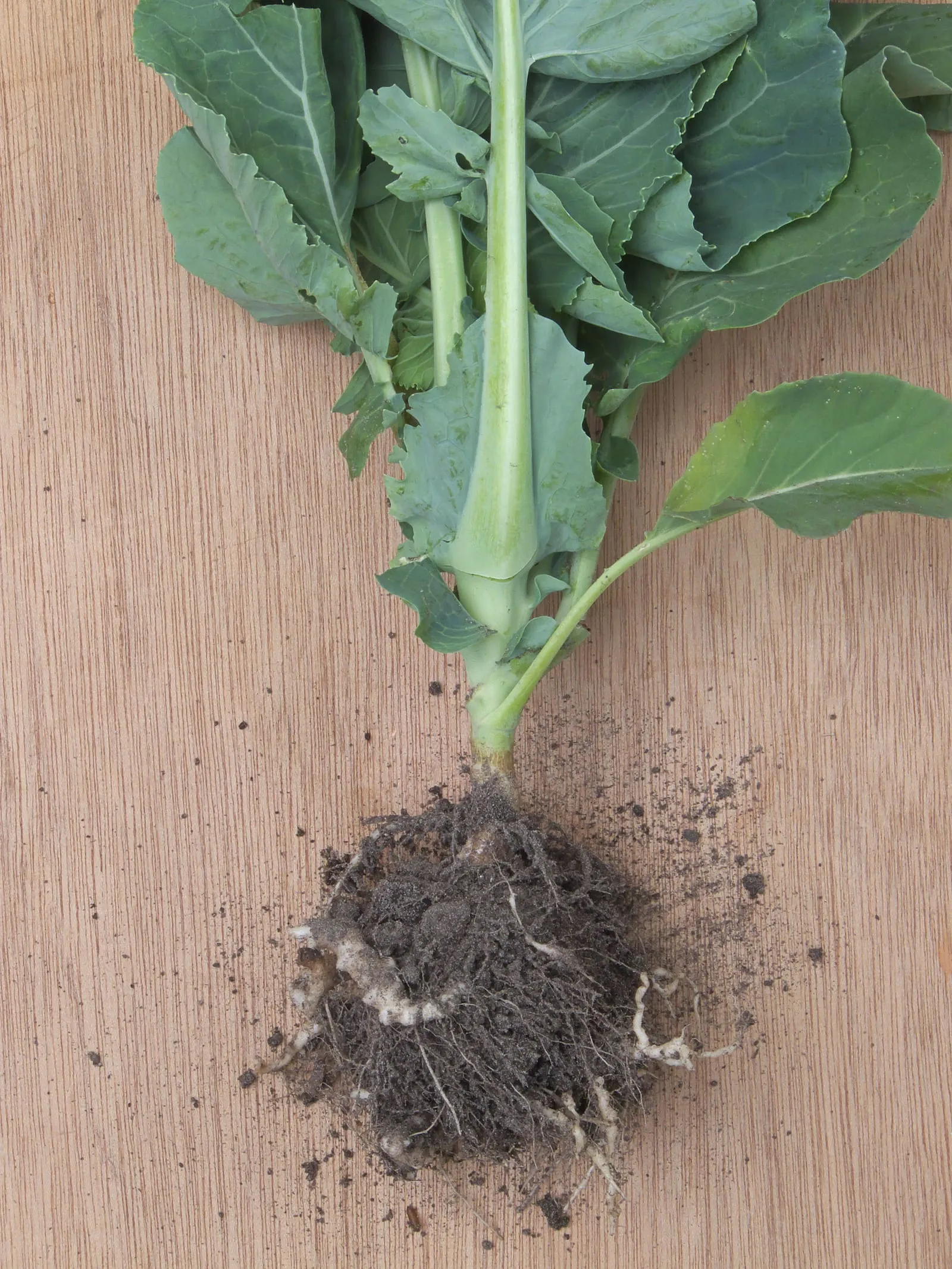
Plasmodiophora brassicae
Soil-borne disease causing characteristic distorted club-shaped roots on brassicas. Persists in soil for 10-20 years; the dominant brassica pathogen in acidic poorly-drained soils.
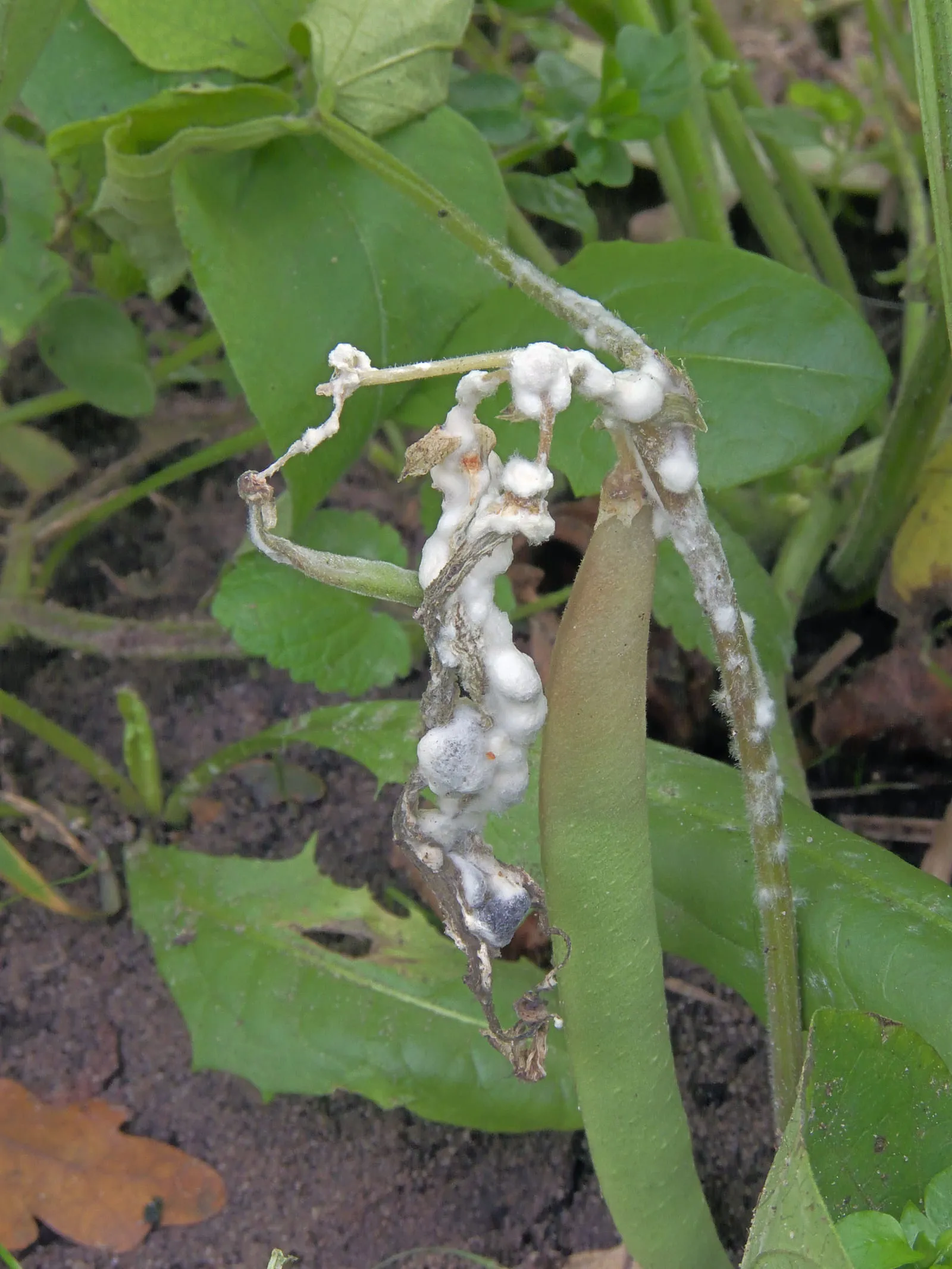
Sclerotinia sclerotiorum
Fungal disease that produces fluffy white mycelium on stems and lower leaves. Forms hard black sclerotia (resting bodies) that survive 5+ years in soil.
Modified care for zone 6b
The primary adjustments in zone 6b center on the three diseases most likely to affect brassicas here: Downy Mildew, Clubroot, and White Mold. Downy Mildew pressure rises in cool, wet springs and again in fall; adequate plant spacing for airflow and avoiding overhead irrigation reduce incidence. Clubroot is a soil-borne pathogen that persists for years once established; raising soil pH to 7.0 or above and rotating brassicas on a minimum four-year cycle are the practical controls. White Mold develops when canopy moisture stays high through cool, humid stretches.
Stink bug pressure, a noted zone 6b challenge, increases from late summer into fall and coincides directly with the fall cabbage crop. Row covers are the most effective physical barrier through September. No additional winter protection is needed since cabbage in zone 6b is harvested before hard freezes, not overwintered in the field.
Cabbage in adjacent zones
Image: "Weißkohl Brassica oleracea var. capitata 2011", by 4028mdk09, via Wikimedia Commons, licensed under CC-BY Source.

Related