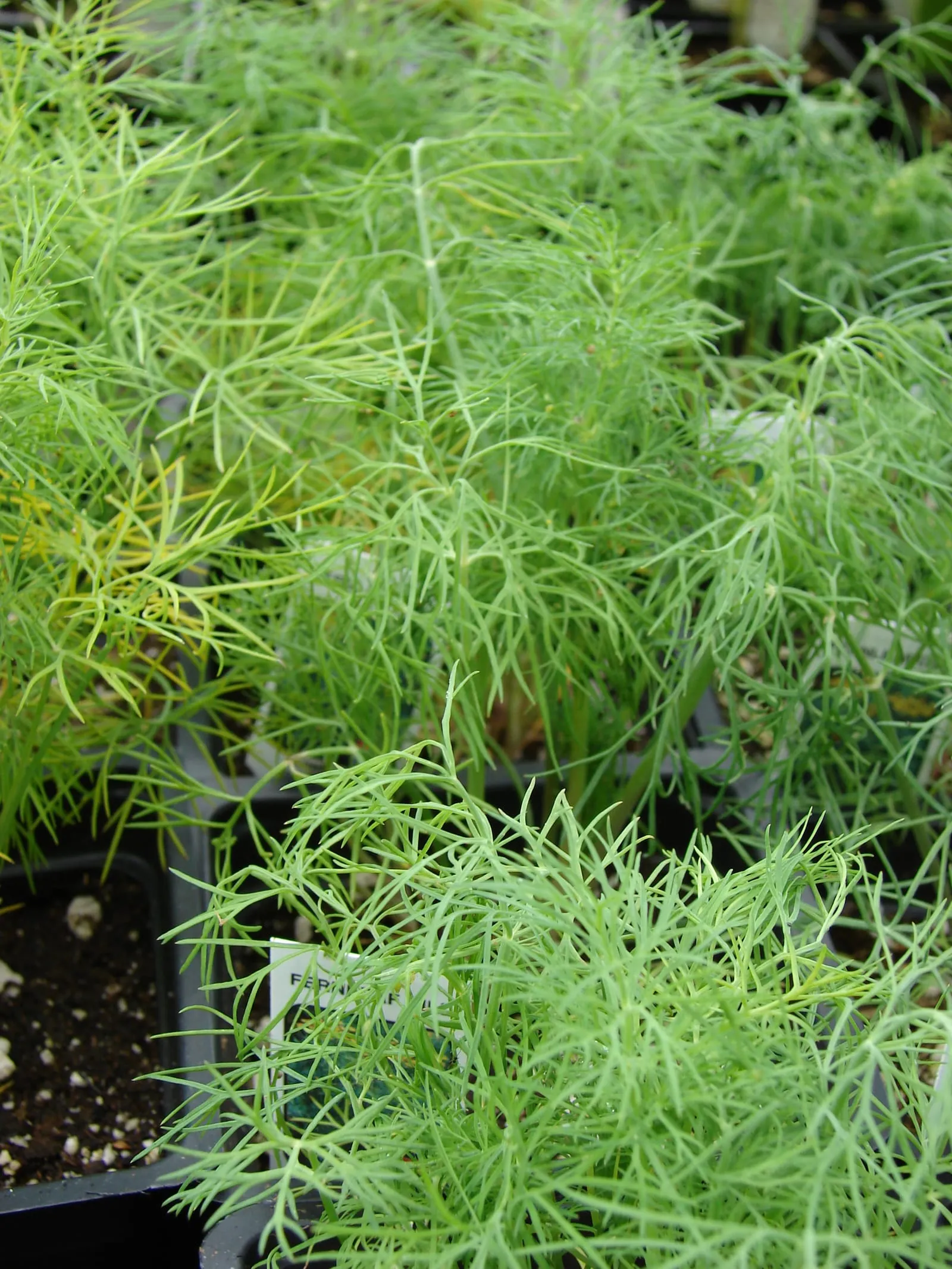
herb
Dill
Anethum graveolens
USDA hardiness range
- Zones
- 3b–9a
- Days to harvest
- 40 to 60
- Sun
- Full
- Water
- Moderate
- Lifespan
- annual
Growing dill
Dill (Anethum graveolens) is a fast-growing annual suited to a wide range of North American climates, from zone 3b through 9a. It germinates readily and reaches harvestable size in 40 to 60 days, but its useful window is shorter than that timeline suggests. Dill is a long-day annual that transitions from vegetative growth to flowering rapidly once temperatures rise and days lengthen. A spring planting started too late in zone 7a or warmer can bolt before any meaningful foliage harvest is possible.
The practical consequence is that timing defines success with dill more than any soil or fertility factor. In zones 3b through 6b, a single early-spring sowing can remain productive well into summer. In zones 7a through 9a, the playbook shifts: sow early (late February to mid-March), run succession plantings every two to three weeks through early summer, then resume in late summer for a fall crop. In zones 8b and 9a, fall and early winter plantings often outperform spring ones entirely.
The three varieties in common home garden use reflect different production priorities. Bouquet and Mammoth are tall, productive plants built for pickling-volume seed heads. Fernleaf is a compact dwarf bred for container growing and slower bolting, making it the better choice where growing space or season length is limited. Choosing the wrong variety for the intended use is a common early mistake.
Recommended varieties
See all 3 →3 cultivars for home growers, with notes on flavor, ripening, and disease resistance.
| Variety | Notes | Zone fit | Disease resistance |
|---|---|---|---|
| Bouquet | Strong, classic dill flavor with abundant seed heads; tall plant. Pickling, fish dishes, fresh garnish, dill seed for spice. The home-garden pickling-dill standard, productive. | | none noted |
| Fernleaf | Mild, classic dill flavor; compact dwarf plant (18 inches) bred for container growing. Fresh garnish, salads, fish, gravlax. AAS winner, slow to bolt, ornamental. | | none noted |
| Mammoth | Strong dill flavor, large yellow flower heads; tall plant (4-5 ft). Pickling, fresh, seed harvest. Heritage variety, the classic when you want lots of heads for canning. | | none noted |
Soil and site requirements
Dill performs best in well-drained, loose soil with a pH between 5.8 and 6.5. Heavy clay that retains moisture slows early root development and increases the risk of root rot; sandy loam or amended garden beds are preferable. Fertility requirements are modest. Overly rich soil encourages rapid, lush top growth but can accelerate bolting and reduce essential oil concentration in the foliage.
Full sun is not optional. Plants grown in partial shade produce spindly stems with reduced aromatic oil content and noticeably weaker flavor. A minimum of six hours of direct sun daily is needed; eight or more produces compact, intensely flavored growth.
Spacing deserves more attention than it typically gets. Crowding plants at four inches or less creates a humid microclimate that favors aphid colonies and restricts airflow. Standard spacing for Bouquet and Mammoth is 12 to 18 inches; Fernleaf can be grown at 9 to 12 inches given its compact habit.
Avoid planting dill near fennel. The two species are closely related and will cross-pollinate, producing off-flavor seed in both. A separation of at least 20 feet is the practical recommendation. Conversely, placing dill near brassicas or tomatoes is worthwhile: the flowers attract parasitic wasps and hover flies that prey on common vegetable garden pests.
Common pests
Common challenges
Premature bolting is the leading failure mode. Dill shifts from foliage production to flowering rapidly when temperatures climb above roughly 75 to 80°F and day length increases. In zone 7a and warmer, a late April sowing may bolt within four to six weeks, yielding little usable foliage. The remedy is earlier direct seeding, as soon as soil temperature reaches 50°F in early spring, combined with succession plantings every two to three weeks. Fernleaf's slower-bolting habit makes it a more forgiving choice for late-spring and early-summer plantings in warm zones.
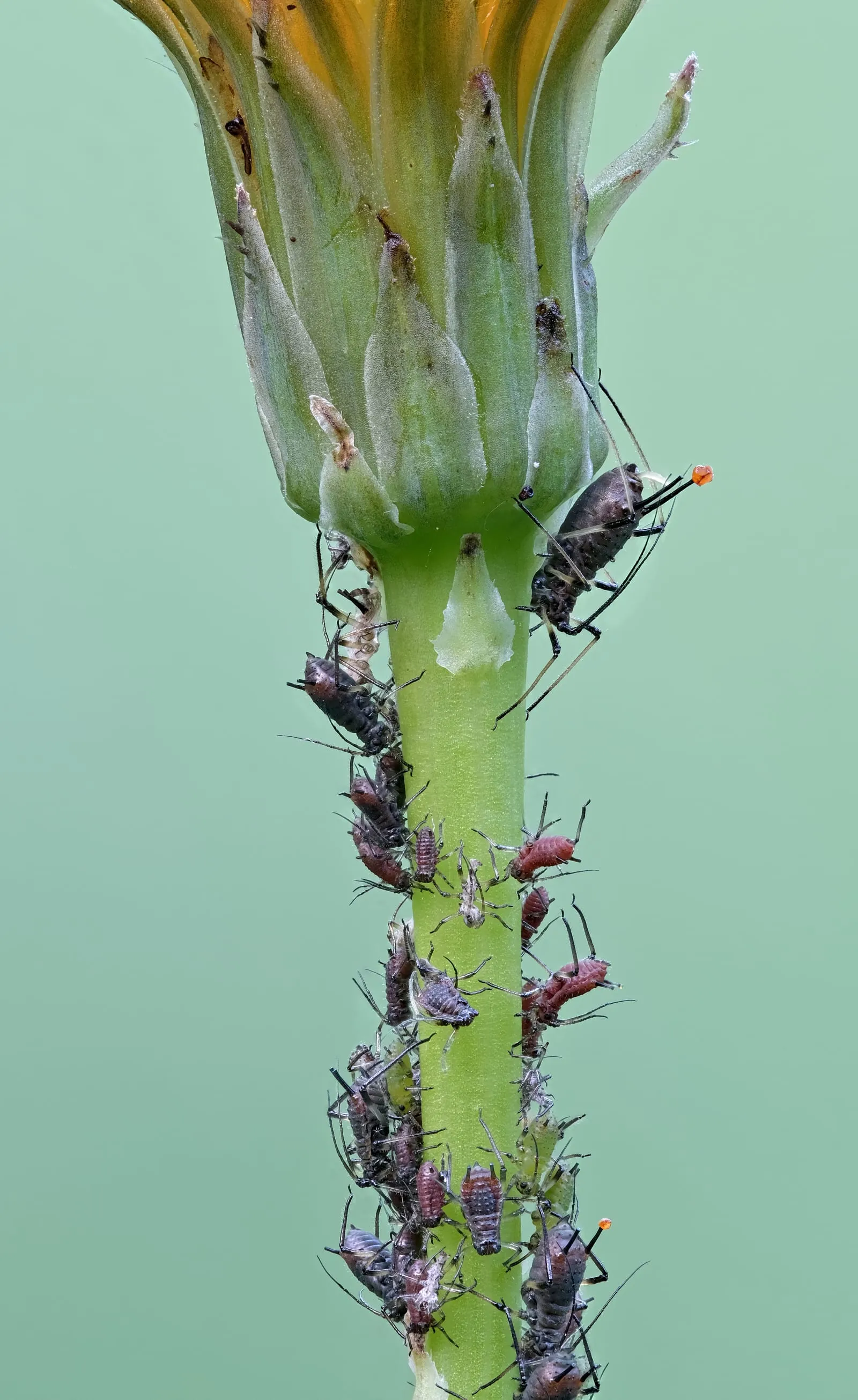
Aphids are the primary pest concern. Parsley aphid (Hyadaphis foeniculi) colonies establish readily on dill's hollow stems and feathery foliage, particularly mid-season when beneficial insect populations lag. Heavy infestations distort new growth and reduce both foliage quality and seed head development. Early intervention with a firm water spray breaks up colonies before they establish. Insecticidal soap is effective for more advanced infestations and does not eliminate the beneficial insects dill attracts.
A third problem is failed transplanting. Dill develops a long, fragile taproot early and resents root disturbance. Seedlings started in trays and moved to the garden often stall, bolt prematurely, or never recover full vigor. Direct seeding into the final location and thinning to proper spacing is strongly preferred over any transplanting approach. This single practice accounts for a large share of the difference between productive and disappointing dill plantings.
Companion plants
Frequently asked questions
- Does dill require chill hours to grow or produce?
No. Dill is an annual herb with no chilling requirement. It germinates best when soil temperature is between 50 and 70°F, but it does not need a period of cold dormancy. The chill-hour concept applies to perennial fruit trees and shrubs, not annual herbs.
- How long does dill take from sowing to harvest?
Foliage is harvestable 40 to 60 days after sowing, depending on variety and conditions. Seed heads for pickling or spice use take longer, typically 70 to 90 days from sowing. Cooler temperatures slow development; warm conditions accelerate both growth and bolting.
- What USDA hardiness zones does dill grow in?
Dill is listed for zones 3b through 9a. In the coldest zones it is a short-season warm-weather crop planted after last frost. In zones 8b and 9a, fall and early spring plantings outperform summer ones because heat causes rapid bolting.
- Does dill need pollinators to produce seed?
Dill is self-fertile and primarily wind-pollinated; dedicated insect pollinators are not required for seed set. The flowers do attract beneficial insects including parasitic wasps and hover flies, so dill placed near susceptible crops can provide incidental pest management benefit.
- What is the most common pest on dill?
Aphids, particularly the parsley aphid (Hyadaphis foeniculi), are the primary insect threat. Colonies appear most often mid-season on stems and new growth. A strong water spray handles early infestations; insecticidal soap is effective for heavier ones without broad collateral damage to beneficial insects.
- Which dill variety is best for container growing?
Fernleaf is the standard recommendation for containers. It was bred specifically for compact growing at roughly 18 inches tall and is notably slower to bolt than full-sized varieties. It is an All-America Selections winner. Bouquet and Mammoth both reach 3 to 5 feet and are better suited to open garden beds.
- Can dill and fennel be planted near each other?
No. Dill and fennel (Foeniculum vulgare) are closely related and will cross-pollinate when grown in proximity, producing off-flavor seed in both crops. A separation of at least 20 feet is the standard recommendation when both are grown in the same garden.
+−
+−
+−
+−
+−
+−
+−
Sources
Image: "Starr 070906-8839 Anethum graveolens", by Forest & Kim Starr, via Wikimedia Commons, licensed under CC-BY. Source.

Dill by zone
Related