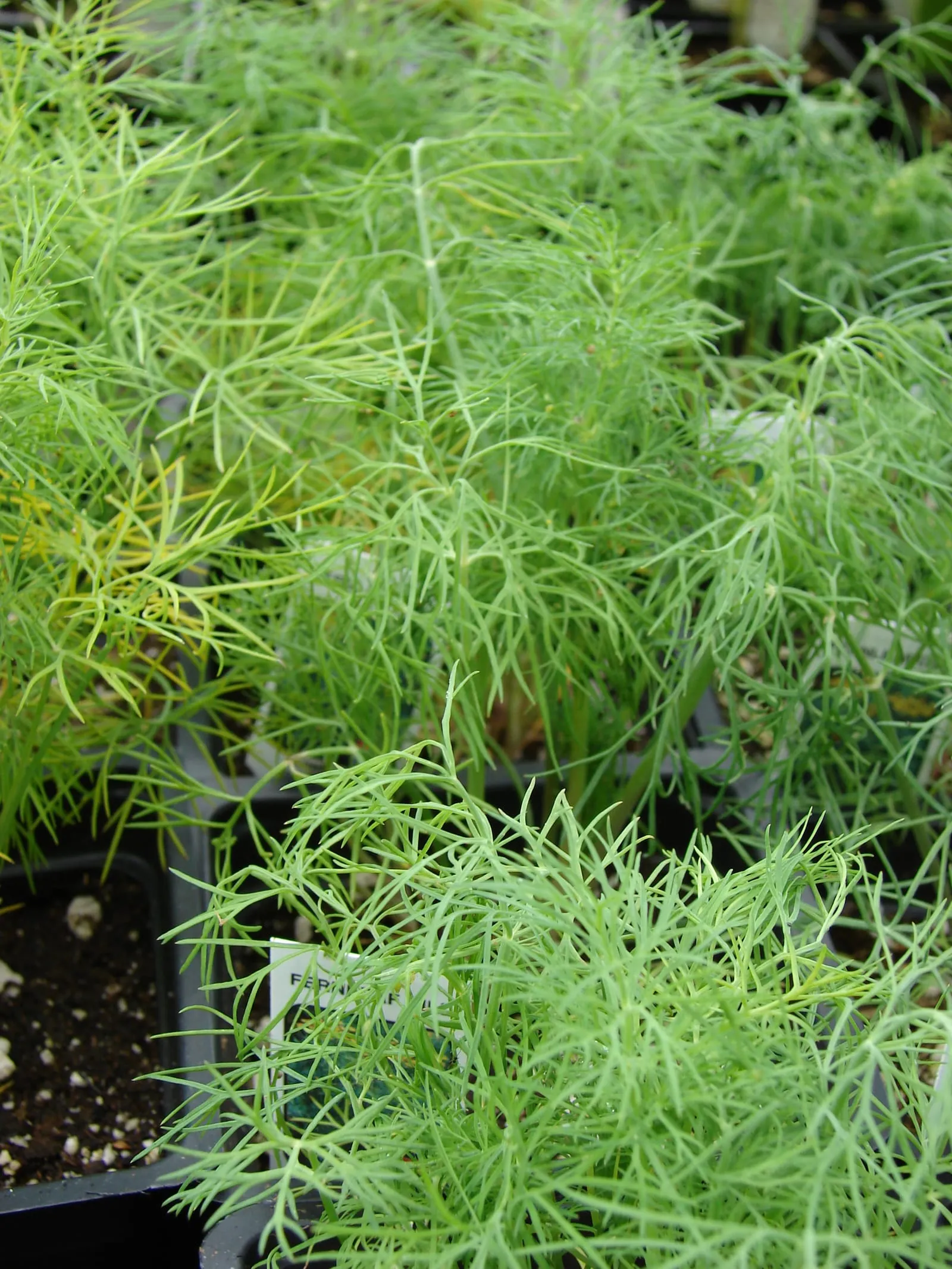
herb in zone 8b
Growing dill in zone 8b
Anethum graveolens
- Zone
- 8b 15°F to 20°F
- Growing season
- 260 days
- Suitable varieties
- 1
- Days to harvest
- 40 to 60
The verdict
Dill is a reliable performer in zone 8b, with the 260-day growing season providing ample room for multiple plantings across the cooler months. Unlike many fruit crops, dill requires no chill hours, so the zone's mild winters are an advantage rather than a constraint. The limiting factor here is heat, not cold. Dill bolts readily when daytime temperatures climb above 75 to 80°F, which arrives early in zone 8b summers. Plantings that run into June rarely remain harvestable for more than a few weeks before going to seed.
The real sweet spot for zone 8b is fall and late-winter sowing. Fernleaf, the variety best adapted to this zone, is notably more compact and slower to bolt than standard Bouquet or Mammoth types, making it the practical first choice here. Sandy-soil gardens in zone 8b face a secondary concern: nematode pressure can affect root health in extended plantings. Rotating dill out of nematode-prone beds and choosing raised beds or compost-amended soil improves consistency.
Recommended varieties for zone 8b
1 cultivar suited to this zone, with disease-resistance and zone-fit annotations.
| Variety | Notes | Zone fit | Disease resistance |
|---|---|---|---|
| Fernleaf fits zone 8b | Mild, classic dill flavor; compact dwarf plant (18 inches) bred for container growing. Fresh garnish, salads, fish, gravlax. AAS winner, slow to bolt, ornamental. | | none noted |
Critical timing for zone 8b
In zone 8b, dill is primarily a cool-season crop grown from September through May, with summer plantings rarely productive. Direct sow seeds in mid-September through October for fall foliage harvest; these plantings may overwinter without protection and continue producing through January and February during mild stretches. Last frost dates across zone 8b typically fall between late January and mid-February, making late-February and early-March sowings the standard spring window.
Foliage harvest on fall and spring plantings begins 40 to 60 days after sowing. Flower heads appear once day length increases and heat builds, generally from April onward for spring plantings. Seed harvest follows bloom by three to four weeks. Plan to collect seed by late May before summer heat degrades quality.
Common challenges in zone 8b
- ▸ Low chill hours limit apple variety selection
- ▸ Citrus greening risk
- ▸ Nematodes in sandy soils
Modified care for zone 8b
The primary adjustment for zone 8b growers is structuring plantings around the heat calendar rather than the frost calendar. Succession sow every three weeks from September through November and again from late February through March to maintain steady foliage harvest without chasing bolting plants.
Nematodes in sandy soils are a genuine concern across much of zone 8b. Dill grown in infested ground may show stunted growth and premature decline. Raised beds with compost-amended soil sidestep the worst of this pressure, and rotating dill to a different garden section each season limits nematode buildup over time.
Winter protection is rarely needed in zone 8b. Dill seedlings tolerate light frost and can survive brief dips into the upper 20s°F without significant damage. Mature plants in active growth are somewhat less cold-hardy; a frost cloth during hard freezes below 28°F is a reasonable precaution for fall plantings growers want to carry through winter.
Frequently asked questions
- Can dill survive summer in zone 8b?
Summer plantings in zone 8b almost always bolt within weeks of germination. Heat above 80°F triggers rapid flowering, and plants put little energy into foliage once that process starts. The practical approach is to treat dill as a fall and spring crop, skipping the June through August window entirely.
- Is Fernleaf the only dill variety worth growing in zone 8b?
Fernleaf is the most reliably adapted variety for zone 8b because of its compact habit and slower bolt rate. Standard full-size varieties like Bouquet can work in fall plantings when heat pressure is lower, but Fernleaf performs more consistently across the zone's cool-season growing window.
- How do nematodes affect dill in zone 8b?
Root-knot nematodes, common in the sandy soils found across parts of zone 8b, can stunt plants and reduce yields. Growing dill in raised beds with amended, well-drained compost mix significantly reduces exposure. Annual rotation away from previously affected beds also helps limit population buildup.
+−
+−
+−
Dill in adjacent zones
Image: "Starr 070906-8839 Anethum graveolens", by Forest & Kim Starr, via Wikimedia Commons, licensed under CC-BY Source.

Related