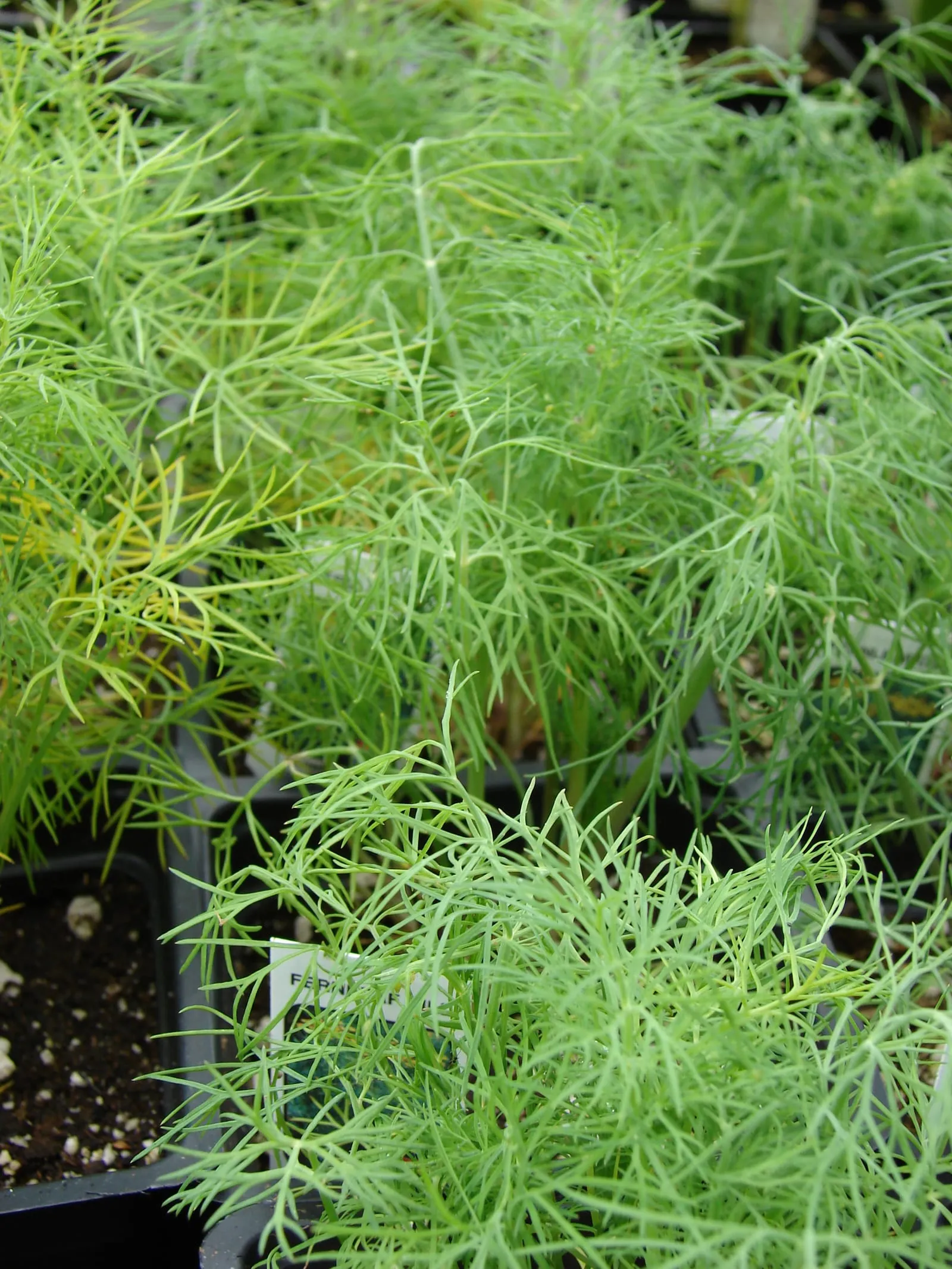
herb in zone 9a
Growing dill in zone 9a
Anethum graveolens
- Zone
- 9a 20°F to 25°F
- Growing season
- 290 days
- Suitable varieties
- 0
- Days to harvest
- 40 to 60
The verdict
Dill is an annual herb with no chill-hour requirement, so zone 9a's mild winters create no compatibility barrier on that front. The challenge in zone 9a runs in the opposite direction: summer heat triggers rapid bolting, compressing the useful harvest window. With a 290-day growing season, zone 9a growers have ample time across fall, winter, and spring, but dill planted into warming temperatures will race to flower within weeks of the heat arriving.
Zone 9a is a workable zone for dill, not a marginal one, provided planting is timed to avoid the hottest months. Fall sowings from September through November and a second round in late February or early March capture the two most productive windows. Expect quality foliage harvests from late October through early April; summer crops are possible but short-lived and rarely worth the effort.
Critical timing for zone 9a
Fall is the primary dill season in zone 9a. Seeds sown in late September to mid-October germinate quickly in cooling soil and produce harvestable foliage by November. Plants grown through winter will begin bolting as day length increases and temperatures climb through April and May. A second planting in late February extends the spring window, though these plants typically bolt by late April.
Zone 9a last frost dates generally fall between December and early February depending on specific location. Dill tolerates light frost and continues producing through most zone 9a winters without protection, making it one of the more reliable cool-season herbs for the region.
Common challenges in zone 9a
- ▸ Limited stone fruit options due to insufficient chill
- ▸ Hurricane and tropical storm exposure
- ▸ Citrus disease pressure
Modified care for zone 9a
The primary adaptation in zone 9a is seasonal scheduling. The default spring-primary timing that works in zone 5 or 6 does not translate here; fall-first planting is the correct mental model. Succession planting every three to four weeks from September through November maximizes foliage yield before bolt pressure arrives.
Bolt management matters more in zone 9a than in cooler zones. Harvesting the central flower stalk early can extend leaf production by a week or two, but dry spells in warming spring weather accelerate the process regardless. Consistent soil moisture helps; afternoon shade from a trellis or taller companion plants can modestly extend the spring harvest window as temperatures begin to climb.
No special winter protection is needed in zone 9a. Dill handles the zone's occasional light freezes without damage, and mulching is unnecessary except in the coldest pockets of the zone where temperatures occasionally approach the lower bound of 20 degrees F.
Dill in adjacent zones
Image: "Starr 070906-8839 Anethum graveolens", by Forest & Kim Starr, via Wikimedia Commons, licensed under CC-BY Source.

Related