herb in zone 8a
Growing dill in zone 8a
Anethum graveolens
- Zone
- 8a 10°F to 15°F
- Growing season
- 240 days
- Suitable varieties
- 2
- Days to harvest
- 40 to 60
The verdict
Dill is a cool-season annual with no chill-hour requirement, so zone 8a's minimum temperatures of 10 to 15°F are not the limiting factor. The real constraint is heat. Zone 8a summers push dill to bolt within weeks of warm weather arriving, cutting the harvest window short. That said, the mild winters in this zone open a long fall-to-spring growing period unavailable to growers in colder climates. Dill planted in late summer or early fall establishes before frost and continues producing through winter in most zone 8a locations. Spring plantings race the heat and are best treated as quick succession crops. Fernleaf, a compact variety bred for slower bolting, extends the harvest window noticeably compared to Bouquet. Zone 8a is not marginal for dill so much as it reorients the crop's calendar: fall and winter production take precedence over summer.
Recommended varieties for zone 8a
2 cultivars suited to this zone, with disease-resistance and zone-fit annotations.
| Variety | Notes | Zone fit | Disease resistance |
|---|---|---|---|
| Bouquet fits zone 8a | Strong, classic dill flavor with abundant seed heads; tall plant. Pickling, fish dishes, fresh garnish, dill seed for spice. The home-garden pickling-dill standard, productive. | | none noted |
| Fernleaf fits zone 8a | Mild, classic dill flavor; compact dwarf plant (18 inches) bred for container growing. Fresh garnish, salads, fish, gravlax. AAS winner, slow to bolt, ornamental. | | none noted |
Critical timing for zone 8a
The primary sowing windows in zone 8a are late August through September for fall production and February through March for a spring crop. Fall-sown dill typically reaches foliage harvest stage in 40 to 60 days, with seed heads following in another two to three weeks if the plant is allowed to flower. The zone's last frost falls roughly in late February to mid-March, so spring plantings can go in as soon as soil is workable. Summer planting is generally not worthwhile; soil temperatures above 75°F accelerate bolting before usable foliage accumulates. Growers targeting seed production should plan spring plantings to mature before consistent daytime highs reach 85°F.
Common challenges in zone 8a
- ▸ Insufficient chill hours for some apple varieties
- ▸ Pierce's disease in grapes
- ▸ Heat stress on cool-season crops
Modified care for zone 8a
The main adjustment in zone 8a is treating dill as a fall-and-spring crop rather than a summer one. Succession-sow every two to three weeks from late August through October to extend fall harvests. In spring, start new successions in February and stop by late April; anything sown later bolts before producing useful foliage. Fernleaf handles warming temperatures better than Bouquet and is worth prioritizing for both windows. Afternoon shade from taller neighboring plants can delay bolting by several days during the spring transition. Irrigation should be consistent but moderate; dill in this zone is more likely to suffer under wet, humid conditions than from drought. No winter protection is needed in most zone 8a locations, as established plants tolerate brief dips into the low teens.
Dill in adjacent zones
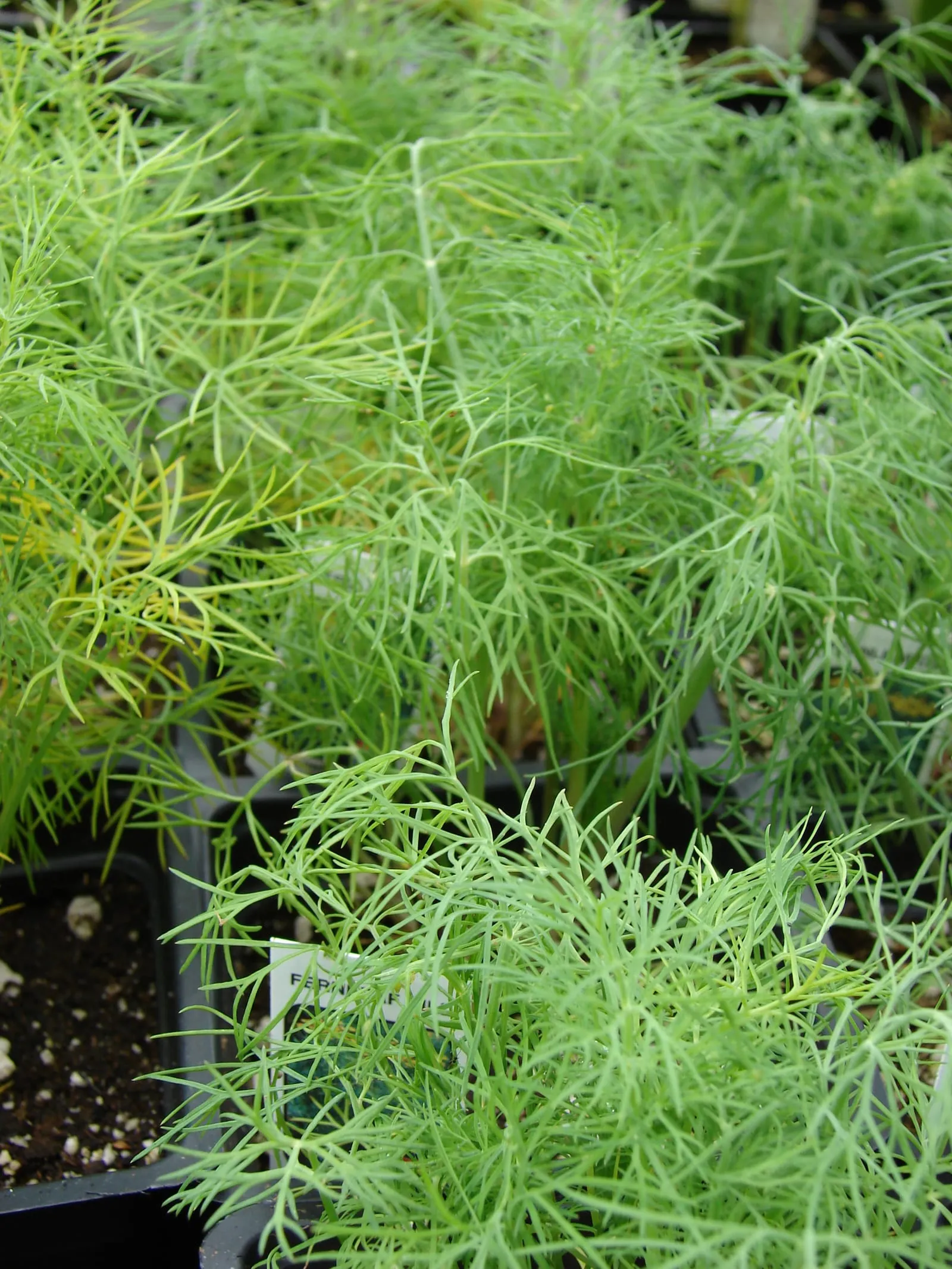
Image: "Starr 070906-8839 Anethum graveolens", by Forest & Kim Starr, via Wikimedia Commons, licensed under CC-BY Source.

Related