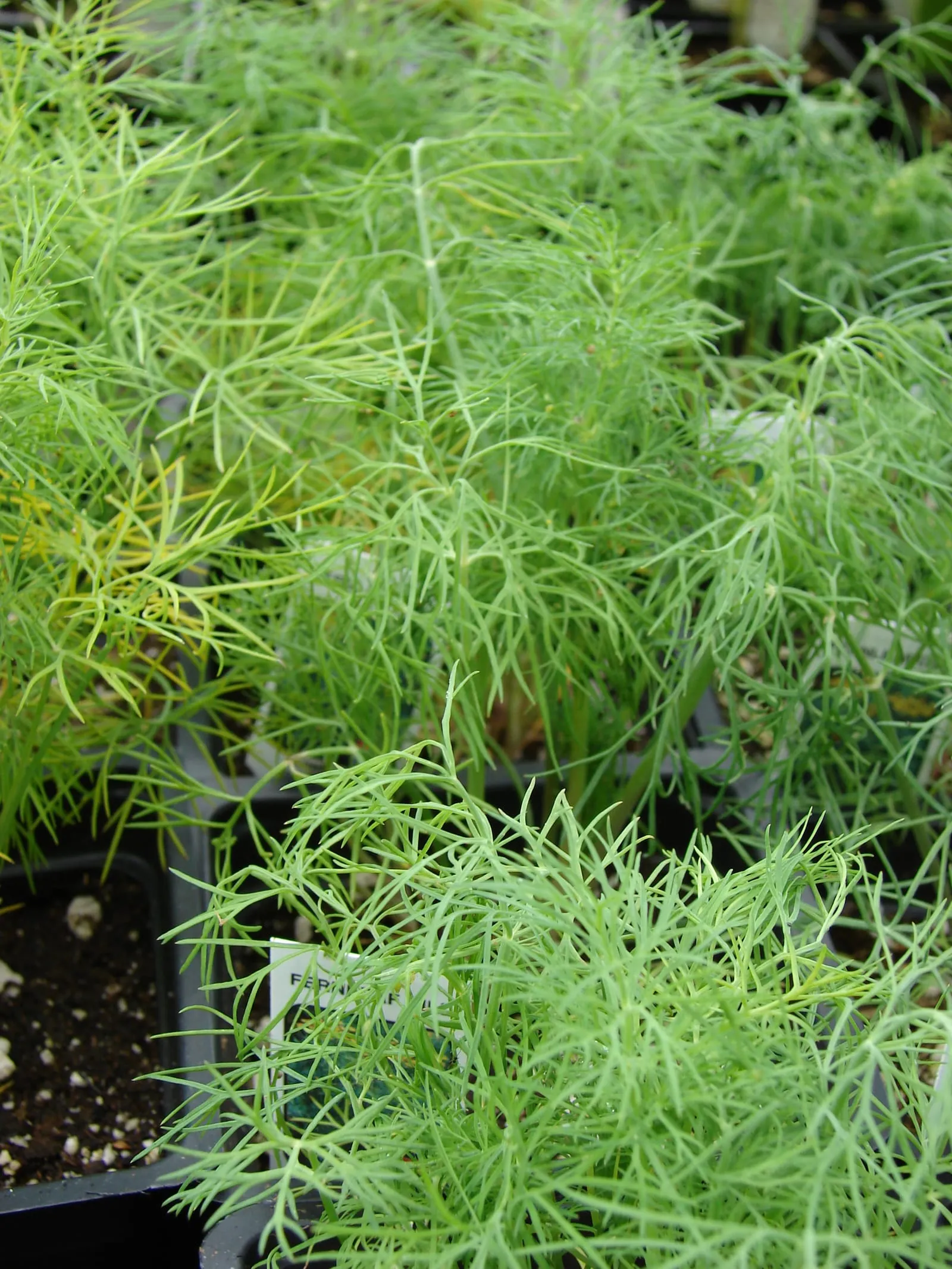
herb in zone 7b
Growing dill in zone 7b
Anethum graveolens
- Zone
- 7b 5°F to 10°F
- Growing season
- 220 days
- Suitable varieties
- 3
- Days to harvest
- 40 to 60
The verdict
Dill is well-suited to zone 7b, and the 220-day growing season gives it far more opportunity than it needs. As an annual herb, dill does not require a chill period, so chill-hour matching is not a limiting factor here. The more relevant constraint is heat: dill prefers cool to moderate temperatures and bolts quickly once sustained highs push past 80°F, which in zone 7b typically arrives by late June. That makes zone 7b a solid spring and fall dill zone rather than a summer one. Direct sowing works reliably from late February through April, and again from late August through September. The mild winters mean overwintered plants are possible in sheltered spots, though dill grown as a biennial is less predictable than simply succession-sowing. Growers in the warmer parts of the zone (urban heat islands, south-facing slopes) may find the spring window shorter, with bolting arriving a week or two earlier than in more open or elevated sites.
Recommended varieties for zone 7b
3 cultivars suited to this zone, with disease-resistance and zone-fit annotations.
| Variety | Notes | Zone fit | Disease resistance |
|---|---|---|---|
| Bouquet fits zone 7b | Strong, classic dill flavor with abundant seed heads; tall plant. Pickling, fish dishes, fresh garnish, dill seed for spice. The home-garden pickling-dill standard, productive. | | none noted |
| Fernleaf fits zone 7b | Mild, classic dill flavor; compact dwarf plant (18 inches) bred for container growing. Fresh garnish, salads, fish, gravlax. AAS winner, slow to bolt, ornamental. | | none noted |
| Mammoth fits zone 7b | Strong dill flavor, large yellow flower heads; tall plant (4-5 ft). Pickling, fresh, seed harvest. Heritage variety, the classic when you want lots of heads for canning. | | none noted |
Critical timing for zone 7b
In zone 7b, the last spring frost typically falls between late March and mid-April, and the first fall frost arrives in late October to mid-November. Dill seed germinates best when soil temperatures are between 60°F and 70°F, placing the ideal spring sowing window from late February through early April. Foliage harvest begins roughly 40 to 60 days after germination; flowering follows at 8 to 10 weeks. Expect most spring-sown plants to bolt and flower by late June or early July as summer heat builds. The fall window opens in mid-August to early September, allowing a second crop to mature before frost. Seed heads for seed harvest are best collected in late October before the first hard frost shuts down the planting season.
Common challenges in zone 7b
- ▸ Cedar-apple rust pressure heavy in piedmont
- ▸ Japanese beetles
- ▸ Brown marmorated stink bug
- ▸ Late summer disease pressure
Modified care for zone 7b
The primary adjustment for zone 7b is managing the bolt cycle imposed by summer heat. Succession planting every two to three weeks from late February through April extends the foliage harvest window considerably. Once daytime highs are consistently above 80°F, new sowings are not worth starting until the late-summer window reopens. Japanese beetles and brown marmorated stink bugs are both documented feeders on dill foliage in the piedmont; row cover provides protection during peak beetle season in June and July, though it must be removed once temperatures rise or airflow becomes an issue. Late summer disease pressure, primarily fungal in humid years, is less of a concern for dill than for heavier crops, but crowded plantings with poor airflow can develop damping-off or powdery mildew on fall sowings. Thin to at least six inches between plants. No winter protection is needed for spring or fall annual plantings.
Frequently asked questions
- Can dill survive winter in zone 7b?
Dill is an annual and does not persist through hard freezes. However, self-seeding is common: plants that go to seed in fall will often germinate the following spring without any intervention. Intentional overwintering of established plants is unreliable and generally not worth the effort compared to direct re-sowing.
- Why does dill bolt so fast in zone 7b?
Bolting in dill is triggered by both day length and heat. Zone 7b summers combine long days with sustained heat, accelerating the transition from vegetative growth to flowering. Starting seeds earlier in spring, before sustained highs above 80°F, and again in late summer when temperatures moderate, gives the most usable foliage before the plant shifts to seed production.
- Which dill variety works best in zone 7b?
Fernleaf is compact and slower to bolt than standard varieties, which makes it useful for the compressed spring window in zone 7b. Bouquet and Mammoth are better choices for seed production, as they grow taller and produce larger seed heads, but they will bolt on the same schedule as any other variety once summer heat arrives.
+−
+−
+−
Dill in adjacent zones
Image: "Starr 070906-8839 Anethum graveolens", by Forest & Kim Starr, via Wikimedia Commons, licensed under CC-BY Source.

Related