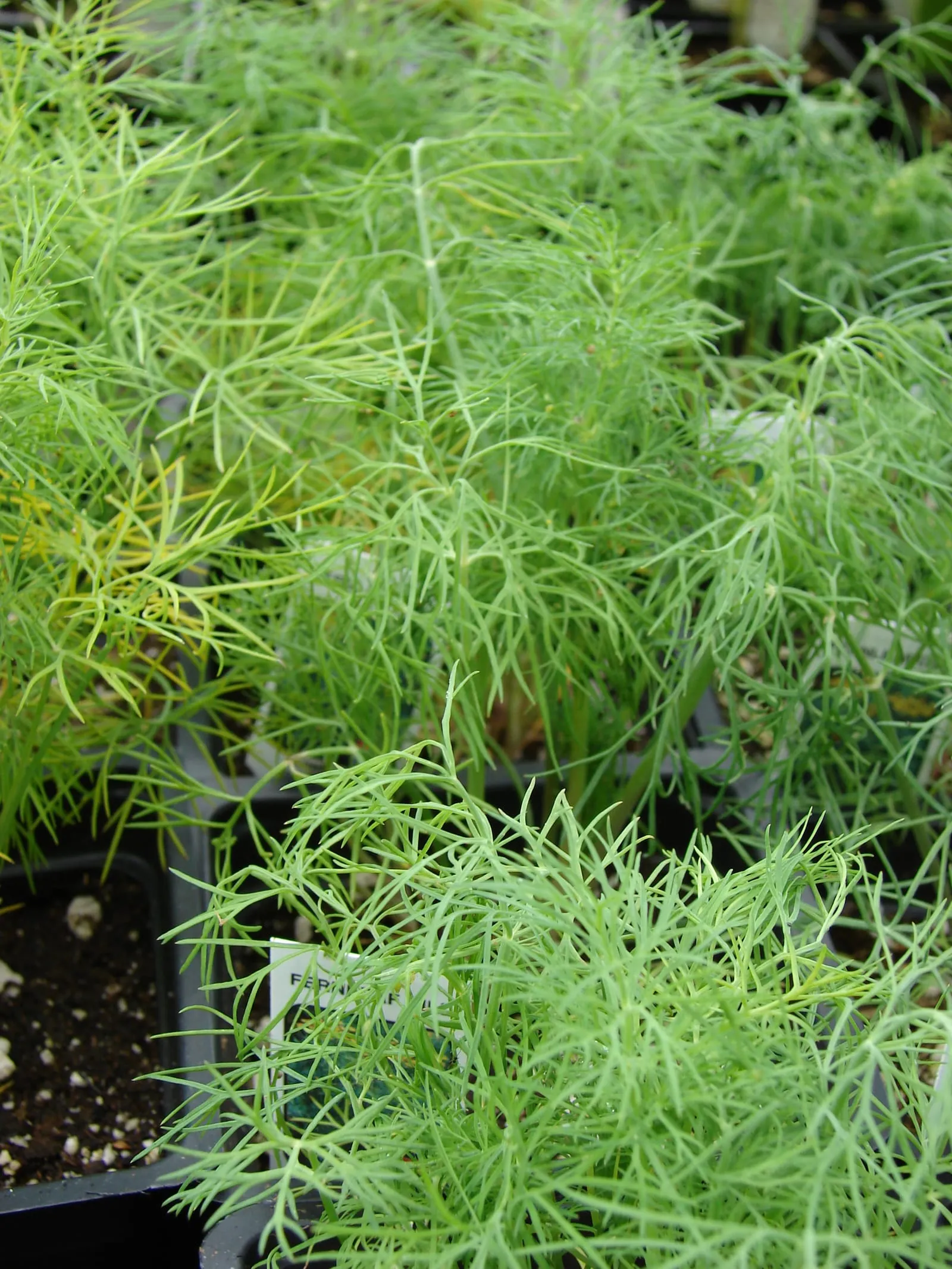
herb in zone 7a
Growing dill in zone 7a
Anethum graveolens
- Zone
- 7a 0°F to 5°F
- Growing season
- 210 days
- Suitable varieties
- 3
- Days to harvest
- 40 to 60
The verdict
Dill is an annual herb without chill-hour requirements, so zone suitability turns on temperature extremes and season length rather than winter cold accumulation. In that respect, zone 7a is a reasonable match, not a marginal one. The 210-day growing season is generous for a crop that completes its life cycle in 90 to 110 days from seed to mature seed head. The real constraint is heat, not cold. Dill is a cool-season plant that initiates flowering rapidly once daytime temperatures consistently exceed the mid-70s Fahrenheit. Zone 7a summers are reliably hot enough to push dill toward bolt within weeks of germination if sown too late in spring. That limits the practical summer window but opens up two productive seasons: early spring (direct sow 3 to 4 weeks before last frost) and late summer into fall, when cooling temperatures slow the bolt and extend harvest. Growers who treat dill as a spring and fall crop rather than a summer one will find zone 7a quite workable.
Recommended varieties for zone 7a
3 cultivars suited to this zone, with disease-resistance and zone-fit annotations.
| Variety | Notes | Zone fit | Disease resistance |
|---|---|---|---|
| Bouquet fits zone 7a | Strong, classic dill flavor with abundant seed heads; tall plant. Pickling, fish dishes, fresh garnish, dill seed for spice. The home-garden pickling-dill standard, productive. | | none noted |
| Fernleaf fits zone 7a | Mild, classic dill flavor; compact dwarf plant (18 inches) bred for container growing. Fresh garnish, salads, fish, gravlax. AAS winner, slow to bolt, ornamental. | | none noted |
| Mammoth fits zone 7a | Strong dill flavor, large yellow flower heads; tall plant (4-5 ft). Pickling, fresh, seed harvest. Heritage variety, the classic when you want lots of heads for canning. | | none noted |
Critical timing for zone 7a
In zone 7a, last spring frost typically falls between late March and early April. Dill seed can go in the ground 3 to 4 weeks before that date, tolerating light frosts well once germinated. Leaf harvest begins 40 to 70 days after germination; seed umbels mature 90 to 110 days from sowing. A March sowing will reach seed harvest by June or early July, ahead of peak summer heat. For fall production, sow in late August through September. Cooler fall temperatures slow bolting significantly, extending the harvestable leaf stage. First fall frost arrives in zone 7a roughly between late October and mid-November, which allows fall-sown dill to complete leaf harvest and, in favorable years, reach seed maturity before hard freezes shut the season down.
Common challenges in zone 7a
- ▸ Cedar-apple rust
- ▸ Brown rot
- ▸ Fire blight
- ▸ High humidity disease pressure
Modified care for zone 7a
The principal zone 7a adjustment for dill is accepting that midsummer is largely lost to bolting. Succession sowing every 2 to 3 weeks from late February through April captures the spring window before heat accelerates flowering. Skipping June and July sowings is usually more practical than fighting the season. High humidity, common throughout zone 7a summers, raises the risk of damping off in seedlings and foliar fungal issues on established plants. Thinning to 12 to 18 inches between plants improves air circulation and reduces moisture retention around stems. Well-drained soil is more protective than any spray program. The three varieties available here, Bouquet, Fernleaf, and Mammoth, differ somewhat in bolt resistance: Fernleaf is slower to bolt and better suited to extending the spring window, while Mammoth is grown primarily for seed and tall stems rather than leaf harvest duration.
Frequently asked questions
- Can dill survive winter in zone 7a?
Dill is a warm-season annual and does not overwinter. It completes its cycle from seed to seed head in one season and dies after frost. In zone 7a, fall-sown plants will be killed by hard freezes in November or December. Self-seeding is common, so volunteer seedlings often emerge the following spring from dropped seed.
- Why does dill bolt so quickly in zone 7a?
Dill flowers in response to both day length and heat. Once days lengthen past roughly 14 hours and temperatures stay above the low 70s, flowering is triggered regardless of plant size. Zone 7a's warm summers reliably push both triggers simultaneously, which compresses the leaf harvest window. Planting in early spring or late summer sidesteps the worst of this.
- Which dill variety holds longest before bolting in zone 7a?
Fernleaf is the most bolt-resistant of the commonly available varieties and is the practical choice for zone 7a growers focused on leaf harvest. Bouquet and Mammoth bolt faster and are better suited to growers who want seed production or tall stems for flower arrangements and pickling.
+−
+−
+−
Dill in adjacent zones
Image: "Starr 070906-8839 Anethum graveolens", by Forest & Kim Starr, via Wikimedia Commons, licensed under CC-BY Source.

Related